
Asia
Underrated Cities in Southeast Asia and South America: Hat Yai, Vung Tau & Quito
Discover overlooked Southeast Asian cities like Hat Yai and Vung Tau where authentic local life, incredible street food, and genuine travel experiences await beyond the t

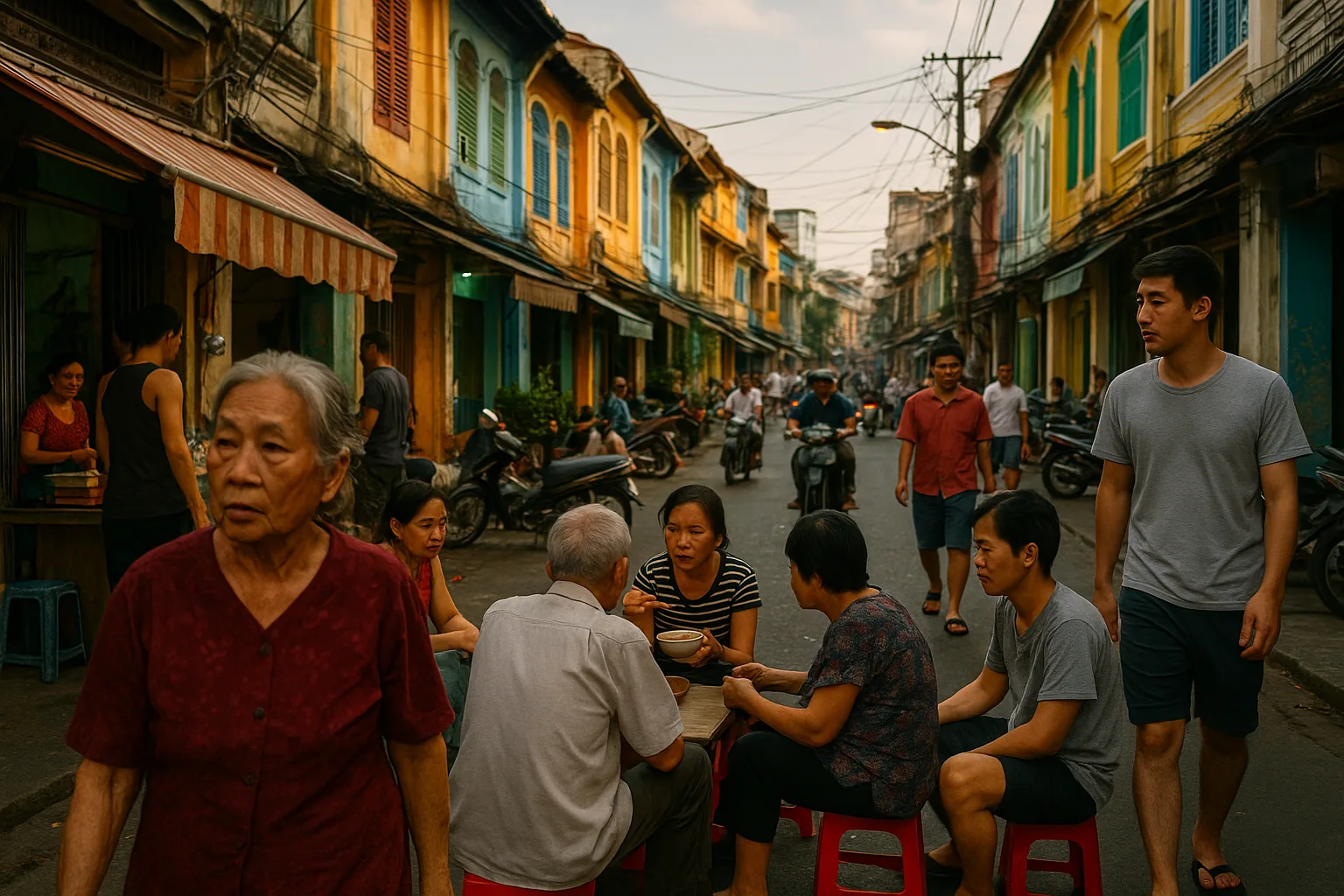
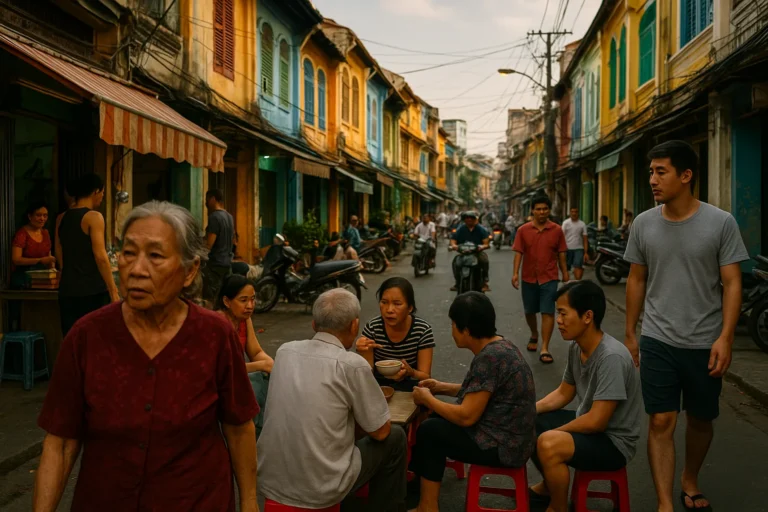
If your Southeast Asia itinerary looks like everyone else’s — Bangkok, Chiang Mai, Bali, Hoi An, repeat — it might be time to take a different route. The underrated cities of Southeast Asia and beyond are where the real magic tends to happen: streets that haven’t been redesigned for Instagram, food that costs almost nothing and tastes extraordinary, and locals who are genuinely curious about you rather than quietly exhausted by tourists. This guide shines a light on three cities that deserve far more than a passing glance — Hat Yai and Vung Tau in Southeast Asia, and Quito, Ecuador in South America — each one a reminder that the best travel experiences often live just off the beaten path.
Why Skipping the Obvious Stops Is the Best Decision You’ll Make
There’s a version of Southeast Asia travel that feels almost scripted. You arrive, you follow the trail, you take the same photos, you leave. And there’s nothing wrong with that — some places are famous for a reason. But if you’ve already done the circuit, or if you’re the kind of traveler who wants something more textured, then looking at the underrated cities of Southeast Asia is a genuinely rewarding shift in strategy.
These cities aren’t underdeveloped or difficult to navigate. They’re simply overlooked. They don’t have the marketing budgets of the big-name destinations. They don’t trend on travel forums. But they have something rarer: authenticity that hasn’t been polished into a product. You eat where locals eat. You wander neighborhoods that weren’t built for wandering tourists. You leave with stories that nobody else at the hostel is telling.
The cities in this guide — Hat Yai, Vung Tau, and Quito — each sit in that sweet spot between accessible and unexplored. They’re not remote or difficult. They’re just waiting for travelers who are paying attention.
Hat Yai and Songkhla: Southern Thailand Beyond the Transit Stop
Hat Yai is the largest city in Songkhla province, in the deep south of Thailand, sitting close to the border with Malaysia. For most travelers, it’s a name on a bus ticket — a place you pass through on the way between Thailand and Malaysia, a stopover that lasts just long enough to grab a meal before moving on. That’s a genuine shame, because Hat Yai rewards anyone who actually stops.
The city has a distinct character that sets it apart from the tourist-facing Thailand of the north. It’s a commercial hub with a strong Chinese-Thai cultural identity, and that blend shows up in everything from the architecture to the street food. The morning markets here are the kind of experience you’d travel hours out of your way for in a more famous city — except here, you’ll share them almost entirely with locals going about their day.
Street food is the main event. Hat Yai is known for its own style of fried chicken — crispy, golden, served with sticky rice and a sweet dipping sauce — that has a devoted following across southern Thailand. You’ll find vendors setting up before sunrise, and the best spots are the ones with the longest queues of people in work clothes. Follow that logic and you’ll eat well every time.
Just a short distance from Hat Yai sits Songkhla, a quieter coastal town that feels almost entirely separate from the tourist world. It has a relaxed, faded-colonial atmosphere, colorful fishing boats in the harbor, and a pace of life that encourages you to slow down. Walking its old town streets in the early morning — before the heat builds — is one of those simple travel experiences that stays with you. Songkhla is the kind of place where you sit down for coffee and end up staying for lunch.
👉 Read also: Hidden Gems in Southeast Asia: Vung Tau, Hat Yai & Thailand's Underrated South
Together, Hat Yai and Songkhla make a compelling case for spending two or three nights in the south rather than rushing through. The infrastructure is solid, accommodation is affordable, and the reward-to-effort ratio is remarkably high.
Vung Tau: Vietnam’s Fishing Village Meets Modern Beach Town
Vietnam has a well-worn backpacker trail — Hanoi to Hoi An to Ho Chi Minh City, with a few stops in between. Vung Tau doesn’t appear on that trail very often, which is exactly why it’s worth going.
Located a short distance from Saigon (Ho Chi Minh City), Vung Tau is a place where a fishing village and a modern beach town have grown up side by side and somehow made it work. It’s laid-back and distinctly Vietnamese, with the kind of unhurried energy that feels increasingly rare in the country’s more famous destinations. The food is extraordinary. The neighborhoods are walkable. And the crowds are, by Vietnamese coastal standards, refreshingly manageable.
Mornings in Vung Tau follow a rhythm you’ll want to adopt immediately. Fishermen bring in their catch, wet markets fill up, and the city’s café culture kicks into gear — strong Vietnamese coffee, small plastic stools, the sound of motorbikes and conversation. If you’re used to the more tourist-polished version of Vietnam, this feels like a genuine reset.
The coastline itself is a mix of working harbor and beach. You won’t find the manicured resort stretches of more developed destinations, and that’s part of the appeal. Vung Tau has been compared to Da Nang — but described as more compact and more culturally pure. That’s a fair summary. It’s a place that hasn’t had its edges smoothed off, and the texture is what makes it interesting.
Cycling around the peninsula is one of the best ways to explore. The roads that hug the coastline offer views that shift between industrial fishing activity, quiet beaches, and hillside temples. It’s the kind of day that feels spontaneous even when you planned it — which is pretty much the ideal travel experience.
If you’re based in Ho Chi Minh City for a few days, Vung Tau makes an excellent day trip or overnight escape. But if you give it two or three days of its own, you’ll understand why some travelers end up staying much longer than they intended.
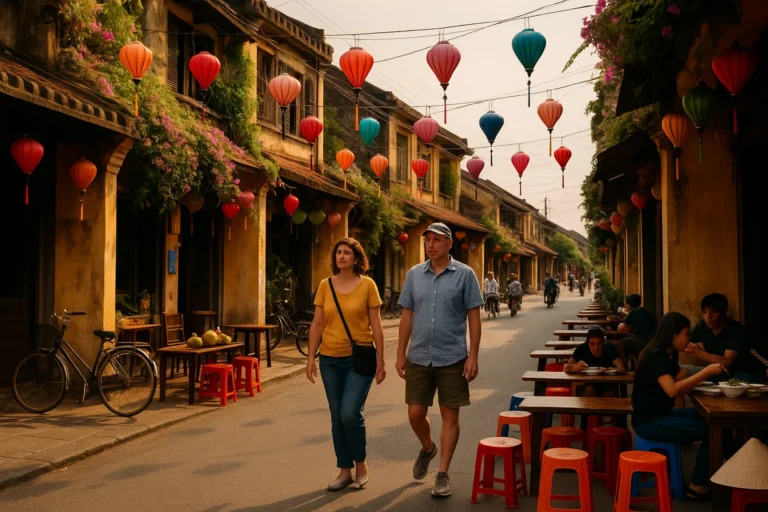
Quito, Ecuador: A Mountain City That Earns Its Place on Any List
Quito sits at high altitude in the Andes, surrounded by volcanoes, and it has one of the best-preserved colonial city centers in all of Latin America. It belongs in any conversation about underrated cities worth going out of your way for — even if it’s a long way geographically from Southeast Asia.
The Centro Histórico of Quito is a UNESCO World Heritage Site, and walking through it is a genuinely immersive experience. The architecture is dramatic — grand churches, ornate plazas, and colorful facades that have been standing for centuries. But Quito isn’t a museum city. It’s a living, working capital with a vibrant arts scene, excellent local food, and neighborhoods that each have their own personality.
👉 Read also: Southeast Asia's Emerging Cities: Vung Tau, Hat Yai & Songkhla Beyond the Tourist Trail
The La Floresta neighborhood is a good example. It’s the kind of area where independent cafés, street art, and local restaurants sit comfortably alongside each other. Spend an afternoon there and you get a version of Quito that’s far removed from the colonial grandeur of the historic center — younger, more creative, and equally worth your time.
Ecuadorian food is one of the great underrated cuisines of South America. Locro de papa — a thick potato and cheese soup — is the kind of dish that makes perfect sense at altitude. Ceviche in Ecuador leans toward a broth-based preparation that’s different from the Peruvian version most travelers know. Trying both and forming an opinion is a very reasonable way to spend a morning in Quito.
The city’s position near the equator means the climate is milder than you might expect at altitude — warm during the day, cooler in the evenings, and prone to afternoon rain showers that pass quickly. Pack layers, bring a light rain jacket, and plan your outdoor exploration for the mornings.
One of the most memorable experiences Quito offers is simply the view. From the hillside above the city, you can see the urban sprawl framed by the Andes on all sides. It’s a perspective that puts the scale of the place in context and makes you want to explore further. Day trips to the Mitad del Mundo monument (marking the equatorial line) or to the surrounding cloud forests are easy to arrange and add real depth to a few days in the city.
How to Approach Cities That Aren’t Built for Tourists
One of the small challenges of visiting underrated cities is that the usual tourist infrastructure — English menus, well-marked attractions, organized walking tours — may be thinner on the ground. That’s not a problem. It’s an invitation to engage differently.
- Learn a few words in the local language. Even basic greetings go a long way in Hat Yai, Vung Tau, and Quito. People respond warmly to the effort, and it opens doors that staying silent never would.
- Use markets as your compass. In all three cities, the local markets are the best indicator of where real life happens. Follow them for food, atmosphere, and spontaneous conversation.
- Stay in locally-run accommodation. Guesthouses and small hotels run by locals will give you better advice than any algorithm. Ask where they eat, what they’d show a friend visiting for the first time.
- Give yourself more time than you think you need. The best things about these cities reveal themselves slowly. Two nights is a start; three or four is where it gets interesting.
- Resist the urge to fill every hour. The pace in all three places rewards slowness. Sit somewhere, watch what happens, let the city come to you.
The Skyscanner guide to underrated cities in Southeast Asia is a useful starting point if you want to build a broader list of destinations that fly under the radar across the region.
Making the Case for the Overlooked
There’s a specific kind of travel satisfaction that comes from a city nobody warned you about. No expectations, no pressure to hit the highlights, no sense that you’re following a script. Hat Yai surprises you with its food culture and its easy access to the quieter world of Songkhla. Vung Tau shows you a side of Vietnam that feels genuinely lived-in rather than curated for visitors. And Quito — far from Southeast Asia in geography but close in spirit to everything this kind of travel is about — earns its place through sheer depth of experience.
The underrated cities of Southeast Asia, and the overlooked destinations that sit alongside them in other parts of the world, share a common quality: they ask something of you. They ask you to pay attention, to be a little more flexible, to find your own way rather than follow a map someone else drew. In return, they give you experiences that feel genuinely yours — not filtered, not packaged, not shared by half the travelers you’ll meet at your next destination.
That’s the trade, and it’s a very good one. Start planning, pick one of these cities as your next stop, and see what happens when you give an overlooked place the time it actually deserves.
This article was produced with AI assistance and reviewed editorially.


SafetyWing Travel Insurance: Real Claims Process Review & What Actually Happens When You Need It

Underrated Cities in Southeast Asia and South America: Hat Yai, Vung Tau & Quito


