
Asia
Southeast Asia on a Shoestring: Vietnam, Cambodia & Beyond
Plan an affordable backpacking trip through Vietnam, Cambodia, and Thailand with practical budget tips, local transport routes, and authentic experiences beyond tourist z

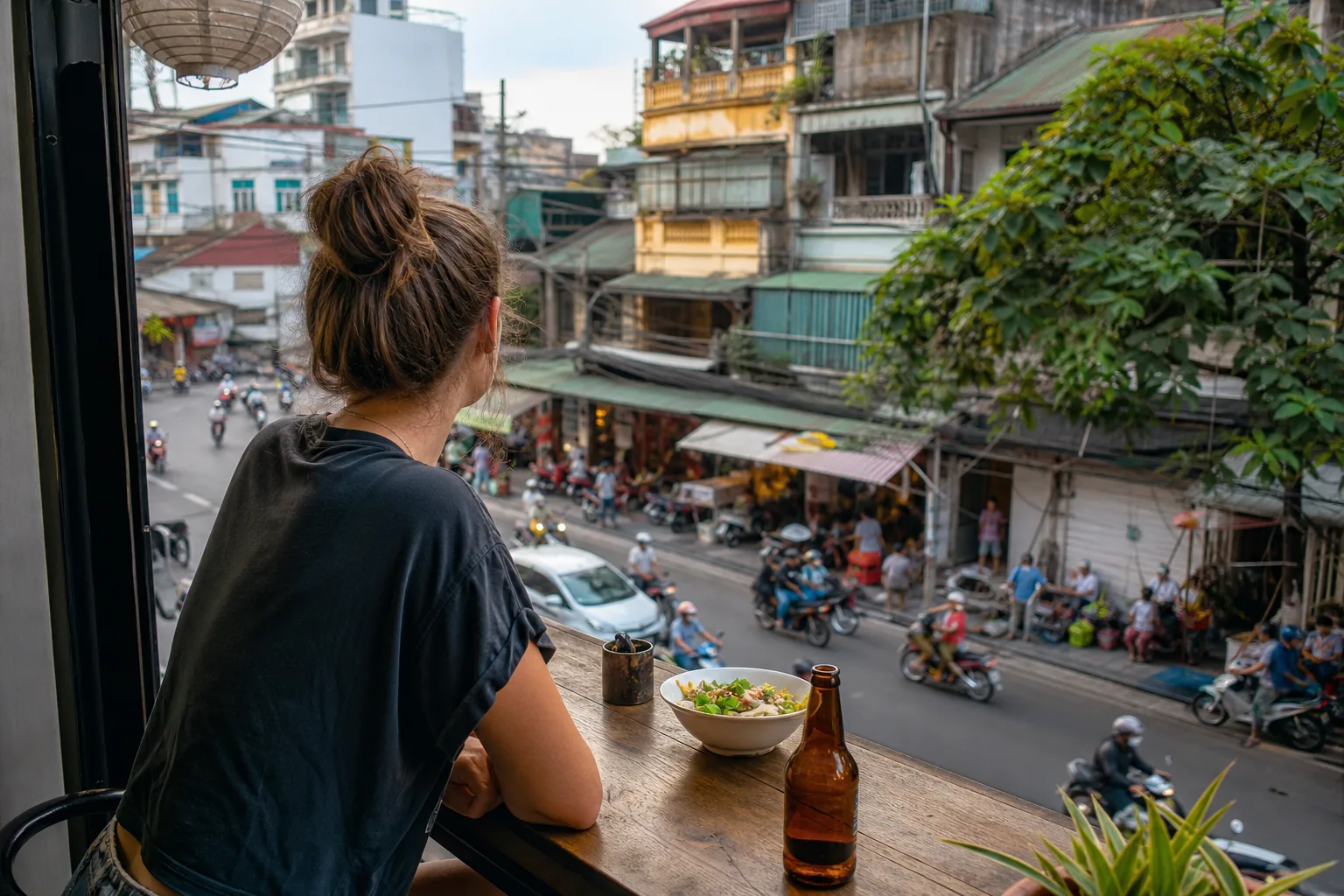
Planning a backpacking southeast asia budget trip through Vietnam, Cambodia, and beyond is one of the most rewarding decisions you can make as a young traveler. The region pulls you in with its layered history, chaotic energy, insanely good food, and a hospitality that feels completely genuine — and the best part? You can experience all of it without draining your savings account. This guide is here to help you do exactly that.
Why Southeast Asia Still Earns Its Reputation Among Backpackers
There’s a reason Vietnam, Laos, Cambodia, and Thailand have been on every backpacker’s radar for decades. These countries pack an extraordinary amount of variety into a relatively compact geographic area. You can go from misty mountain towns to tropical coastlines, from ancient temple complexes to buzzing night markets — sometimes within the same week.
But beyond the scenery, it’s the texture of daily life that makes Southeast Asia so magnetic. The smell of phở simmering at a street stall at 7am. The sound of monks chanting at dawn in Siem Reap. The way a guesthouse owner in Hội An remembers your name after one night. These aren’t things you find in a highlight reel — they’re things you stumble into when you slow down and let the region reveal itself.
The backpacker trail here is well-worn, yes. But that doesn’t mean you’re destined to follow it step-by-step. The infrastructure that makes this region so accessible also gives you the freedom to deviate, explore side routes, and find corners of the map that most visitors skip entirely.
Letting Go of What You Think You Know About Vietnam
Vietnam has a reputation problem — or rather, a misconception problem. Before you arrive, you’ll probably hear at least a few of these: the traffic is terrifying, the food is too unfamiliar, it’s not safe to travel solo, and vendors will scam you at every turn. Let’s talk about all of that honestly.
The traffic in Hanoi and Ho Chi Minh City is genuinely chaotic. Motorbikes flow like water, filling every gap in the road with a kind of organized disorder that looks impossible from the outside. But here’s what experienced travelers consistently discover: the traffic moves slowly enough to be navigable, and locals have an intuitive awareness of pedestrians. The trick is to walk steadily, make eye contact with oncoming riders, and trust that the flow will move around you. Within a day or two, what felt overwhelming becomes almost rhythmic.
On food safety — street food in Vietnam is not something to fear. In fact, the stalls with the highest turnover of local customers are often your safest and most delicious bet. A plastic stool on a sidewalk, a steaming bowl of bún bò Huế, and a crowd of office workers on their lunch break is a scene that tells you everything you need to know about quality. Eat where the locals eat, and you’ll rarely go wrong.
As for safety more broadly: Vietnam is considered one of the safer destinations in Southeast Asia for solo travelers, including solo women. Petty theft exists, as it does in any country, and bag-snatching from motorbikes can happen in busier cities. Keep your phone in your front pocket, don’t flash expensive gear, and stay aware in crowded areas. That’s genuinely about the extent of it.
Three Days in Hanoi: A Repeat Visitor’s Perspective
Hanoi rewards patience. On your first visit, the Old Quarter can feel overwhelming — narrow lanes, honking horns, tourist restaurants sandwiched between local noodle joints. But spend a little time here and the city starts to make sense. It has a rhythm you learn to read.
→ Read also: Southeast Asia on a Shoestring: Budget Routes Across Thailand, Vietnam & Cambodia
On your first day, resist the urge to tick off monuments immediately. Instead, wake up early and head to Hoàn Kiếm Lake. The morning crowd here is extraordinary — elderly residents doing tai chi, teenagers jogging, couples on benches — and it costs nothing to simply sit and watch. From there, wander into the Old Quarter on foot. Each of the 36 traditional streets was historically dedicated to a specific trade, and traces of that still linger. Look up at the architecture, duck into courtyards, and follow your nose toward wherever food smells strongest.
On your second day, push further out. The Văn Miếu — Temple of Literature — is one of Hanoi’s most significant historical sites and genuinely worth a few hours. In the afternoon, rent a bicycle or hop on a local bus toward the West Lake area (Hồ Tây), where the pace slows and the cafés have a completely different energy from the tourist center. Try bánh cuốn for breakfast somewhere local — steamed rice rolls with minced pork and crispy shallots — before you go.
On your third day, consider a half-day trip to a nearby village or market. Hanoi sits close enough to the Red River Delta that you can get a taste of rural northern Vietnam without a major detour. Alternatively, use this day to sort your onward journey — whether that’s a sleeper train south toward Đà Nẵng or a bus toward the border crossing into Laos.
Making Your Budget Work: Accommodation and Food
The honest truth about backpacking southeast asia budget travel is that your daily spend will vary enormously depending on your choices — not just your destination. Two travelers in the same city can have wildly different experiences based on where they sleep, how they get around, and whether they eat at tourist restaurants or local spots.
Hostels across Vietnam, Cambodia, and Laos generally offer dormitory beds at very accessible prices. In smaller cities and towns, you’ll often find guesthouses that are even cheaper than big-city hostels and significantly more characterful. Look for family-run nhà nghỉ in Vietnam or family guesthouses in Cambodia — these tend to be warm, well-maintained, and full of genuinely useful local advice.
Street food is where your budget really stretches. A bowl of phở or bún chả from a local stall, a plate of rice with a couple of side dishes, fresh spring rolls from a market vendor — these meals are filling, delicious, and cost a fraction of what you’d pay in a sit-down restaurant. Markets are your best friend in this region. Morning markets especially tend to have the freshest produce and the most honest prices.
A few practical habits that experienced backpackers swear by:
- Carry a reusable water bottle and refill it at guesthouses or filtered water stations — buying bottled water constantly adds up and generates unnecessary plastic waste.
- Eat at least one meal a day from a street stall or local market rather than a restaurant with an English menu.
- Negotiate respectfully at markets — not aggressively — and accept that a small price difference matters more to a vendor than it does to you.
- Avoid tourist transport hubs where possible; local bus stations and train stations almost always offer cheaper options than travel agencies catering to backpackers.
Getting Around: Buses, Trains, Boats, and Borders
One of the great joys of backpacking southeast asia budget-style is that the journey between places is often as memorable as the destination itself. The regional transport network is extensive, affordable, and — once you understand how it works — genuinely straightforward.
Within Vietnam, the Reunification Express train running the length of the country from Hanoi to Ho Chi Minh City is a classic for good reason. Sleeper berths on overnight trains let you cover huge distances while saving on a night’s accommodation. Book in advance where possible, especially during Vietnamese public holidays, when trains fill up fast. Daytime journeys along the central coast — particularly the stretch between Đà Nẵng and Huế — offer some of the most scenic rail travel in the region.
→ Read also: Vietnam Beyond the Guidebook: What You Actually Need to Know
Buses are the workhorse of regional travel. Open-tour bus tickets connecting major Vietnamese cities are widely available and reasonably priced. For cross-border travel, sleeper buses running between Ho Chi Minh City and Phnom Penh, or between Hanoi and Vientiane, are popular options that avoid the cost of flights. They’re long, they’re not always perfectly comfortable, but they’re an experience in themselves — and you’ll meet interesting people along the way.
Boats add another dimension entirely. The slow boat journey along the Mekong from the Thai border through Laos to Luang Prabang is one of those travel experiences that stays with you. It’s unhurried, visually stunning, and gives you time to actually process where you are. Between Cambodia’s islands, local ferries connect the mainland to places like Koh Rong and Koh Rong Sanloem — and the contrast between the mainland and island life is striking.
The Overland Route: Vietnam into Cambodia and Beyond
One of the most satisfying ways to experience this region is by moving overland, watching the landscape and culture shift gradually as you cross borders. The route from southern Vietnam into Cambodia and then northwest into Thailand is a classic backpacker corridor — and for good reason.
From Ho Chi Minh City, the most common overland crossing into Cambodia goes via the Mộc Bài–Bavet border crossing. Direct buses make this crossing straightforward, and you’ll arrive in Phnom Penh within a few hours of leaving the Vietnamese side. Phnom Penh is a city that demands time and emotional attention — the history held within the Tuol Sleng Genocide Museum and the Killing Fields memorial site at Choeung Ek is heavy, but it’s history that deserves to be understood, not avoided.
From Phnom Penh, most travelers head north to Siem Reap and the Angkor temple complex. Angkor is genuinely one of the most extraordinary archaeological sites on earth — vast, layered, and still partially reclaimed by jungle. Arrive at Angkor Wat before sunrise, watch the light change over the reflecting pools, and you’ll understand immediately why people come back to Cambodia again and again. Beyond the main circuit, temples like Beng Mealea and Koh Ker reward travelers willing to venture a little further from the tourist center.
Continuing westward, the crossing from Cambodia into Thailand at Poipet is one of the busier border points in the region — busy, but manageable. From there, trains and buses connect you to Bangkok, and the rest of Thailand opens up: the northern mountains around Chiang Mai, the Gulf of Thailand islands, the Andaman coast. Each destination is its own chapter.
Beyond the Tourist Trail: Finding Authentic Moments
The beauty of backpacking southeast asia on a genuine budget is that budget travel naturally pushes you toward authenticity. When you’re eating at local stalls, staying at family guesthouses, and taking local transport, you’re automatically spending more time in spaces where real life happens.
But it’s worth being intentional about it too. In Vietnam, consider spending time in smaller towns — Hà Giang in the far north, with its dramatic limestone karst landscapes and ethnic minority villages, is a world away from the tourist infrastructure of Hanoi. In Cambodia, the coastal town of Kampot offers a slower, more reflective pace than Siem Reap — pepper farms, river sunsets, and a community of travelers who tend to stay longer than they planned.
Connect with people. Ask your guesthouse host where they eat lunch. Accept an invitation to join a table. Learn a handful of words in Vietnamese, Khmer, or Thai — even a clumsy attempt at the local language opens doors in a way that nothing else does. These are the moments that turn a trip into something you’ll actually remember.
Resources like Lonely Planet’s Southeast Asia guides are genuinely useful for orientation and logistics, but treat them as a starting point rather than a script. The best version of your trip is the one you build as you go — shaped by chance conversations, missed buses that led somewhere unexpected, and the particular kind of freedom that comes from traveling light and staying curious. Southeast Asia has a way of rewarding that curiosity in ways you genuinely cannot plan for.
This article was produced with AI assistance and reviewed editorially.


Southeast Asia on a Shoestring: Vietnam, Cambodia & Beyond

Walk the Valbona to Theth Trail: Albania’s Best-Kept Mountain Secret


