
Asia
Vietnam Isn’t What You Think It Is—Here’s What Actually Matters
Common Vietnam misconceptions about safety, traffic, and culture are often outdated. Learn the reality from someone who lives there and travel with confidence.

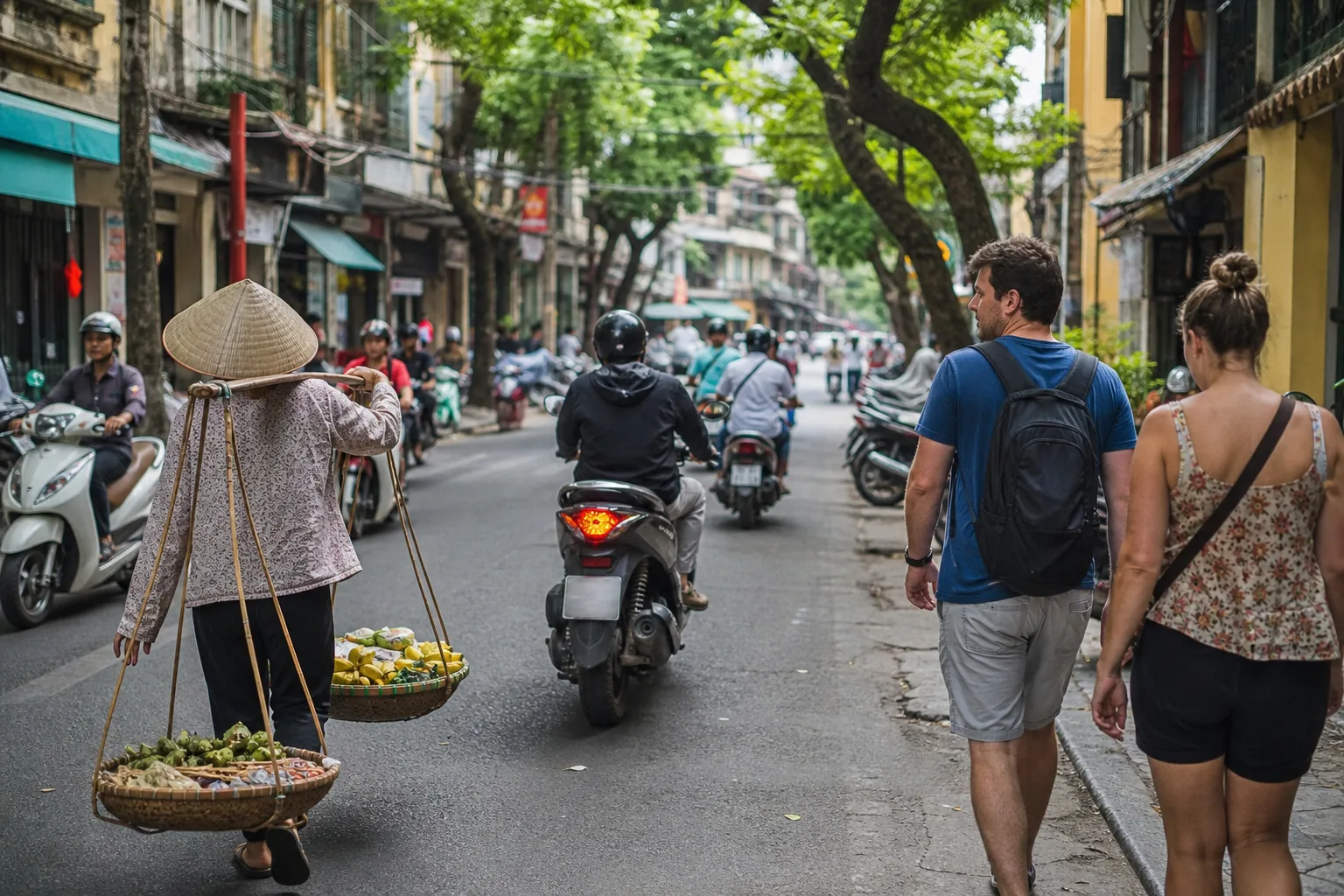
Vietnam sits at the top of so many young travelers’ bucket lists right now — and yet, for every person booking flights to Hanoi, there’s another scrolling through forums at midnight, genuinely convinced the country is chaotic, dangerous, or impossible to navigate. These vietnam misconceptions are everywhere, passed down through outdated travel warnings, half-remembered news stories, and the kind of secondhand advice that gets repeated so often it starts to sound like fact. The reality? Vietnam is one of the most welcoming, navigable, and genuinely exciting destinations in Southeast Asia — and it deserves a fairer introduction than it usually gets.
Why So Many Myths About Vietnam Persist
Before diving into the myths themselves, it’s worth asking: where do these ideas actually come from? A lot of vietnam misconceptions trace back to a combination of Western media portrayals, outdated travel guides, and the simple fact that Vietnam is still a relatively new destination for mass international tourism. For decades, the country’s image abroad was shaped almost entirely by war narratives — which tells you almost nothing about what it’s actually like to wander through a morning market in Hội An or eat bánh mì on a plastic stool in Saigon.
Travel writers and long-term expats who’ve actually lived in Vietnam have spent years pushing back against these narratives. Dustin Kemp, a travel writer who has been based in Saigon for over a decade, has documented many of these myths in detail. Noelle and Jonathan from TRAVELiving spent more than two months traveling through Hanoi, Da Nang, and Hội An and came away with a very different picture than the one they’d expected. Norm, an expat living on Vietnam’s central coast, has addressed multiple common misconceptions from the perspective of someone who experiences the country daily. Their experiences matter — because they’re grounded in real time spent on the ground, not assumptions.
The Traffic Is Not Going to Kill You
This is probably the most universally shared fear among first-time visitors, and honestly — the traffic in Vietnamese cities does look wild at first glance. Motorbikes weave in every direction, intersections seem to operate without logic, and the idea of crossing a street can feel genuinely terrifying when you’re watching from the pavement.
But here’s what nobody tells you: the traffic has its own rhythm, and once you understand it, crossing the street becomes second nature. The key is to move slowly and steadily. Don’t stop suddenly, don’t run, and don’t wait for a gap that will never come. Drivers watch for pedestrians and adjust around you — it’s a flowing system, not a chaotic one. Within a day or two, most travelers find themselves crossing busy roads with complete confidence.
Yes, road safety is something to be mindful of. Wear a helmet if you rent a motorbike. Avoid driving at night in unfamiliar areas. Use reputable ride-hailing apps like Grab if you’d rather not navigate yourself. But the idea that Vietnamese traffic is some kind of unmanageable lawless nightmare? That’s a myth that dissolves within hours of arriving.
Vietnam Is Not Lawless or Unsafe
One of the most persistent vietnam misconceptions is the idea that the country is somehow dangerous or lawless — a place where travelers get scammed, robbed, or taken advantage of at every turn. This simply doesn’t reflect the experience of the vast majority of people who visit.
Vietnam is, in fact, considered one of the safer countries in Southeast Asia for travelers. Violent crime against tourists is rare. The most common issues visitors encounter are petty scams — overpriced taxi rides, inflated prices at tourist-heavy markets, or the occasional bag-snatch in busy urban areas. These are things you’d encounter in almost any major city in the world, and they’re entirely manageable with basic awareness.
A few practical habits go a long way:
- Use metered taxis or ride-hailing apps rather than unmarked vehicles.
- Keep your bag on your lap or in front of you in busy areas, especially on motorbike-heavy streets.
- Agree on prices before getting into a cyclo or hiring a guide.
- Trust your instincts — if something feels off, walk away.
Beyond that, Vietnam is a country where locals are genuinely curious about foreign visitors, where hospitality runs deep, and where a smile goes a very long way. The idea of a hostile or unsafe environment doesn’t match what most travelers actually find when they get there.
Not Everyone Eats Dog Meat — And It’s Not What You Think
This one comes up constantly, and it deserves a direct, honest answer. Yes, dog meat — thịt chó — is consumed in some parts of Vietnam, particularly in the north. It’s a real cultural practice with historical roots, and it’s not something that should be dismissed or mocked from the outside.
→ Read also: What Hanoi Is Actually Like: A Local's Honest Take
But here’s what the misconception gets wrong: it is not a staple of Vietnamese cuisine, it is not something you’ll accidentally eat, and it is certainly not something you’ll find on every menu. The overwhelming majority of Vietnamese restaurants — from street food stalls to sit-down restaurants — serve dishes that have nothing to do with dog meat. You’ll be navigating a cuisine built around fresh herbs, rice noodles, slow-cooked broths, and an extraordinary variety of vegetables, seafood, and pork.
Attitudes toward dog meat are also shifting, particularly among younger Vietnamese generations in urban areas, where pet ownership is increasingly common and the practice is becoming less socially accepted. It’s a nuanced topic — one that deserves cultural context rather than shock-value headlines. And it absolutely shouldn’t be the reason you avoid visiting one of the most vibrant food cultures in the world.
Vietnam Is Not Always Hot
Here’s a misconception that catches a lot of travelers off guard — sometimes literally. Many people assume Vietnam is a uniformly tropical country where you’ll be sweating through your clothes every single day. Pack light clothes, bring sunscreen, and you’re done, right?
Not quite. Vietnam stretches over 1,600 kilometers from north to south, and the climate varies dramatically depending on where you are and when you visit. The south — Ho Chi Minh City, the Mekong Delta, Phú Quốc — tends to be warm and humid year-round. But head north, and the picture changes entirely.
Sapa, the mountainous region in the northwest, is a perfect example. At altitude, temperatures can drop to near freezing in winter months, and travelers who arrive expecting tropical heat are sometimes genuinely unprepared. Even Hanoi has a distinct cool season where a light jacket — or something warmer — is genuinely necessary. Da Nang and the central coast have their own wet season that brings heavy rainfall and cooler temperatures for months at a time.
The practical takeaway: research the specific regions you’re visiting and the time of year you’re going. Vietnam rewards travelers who pay attention to its geography rather than treating it as a single climate zone.
The Language Barrier Is Manageable
Vietnamese is a tonal language, and it is genuinely difficult for most Western learners to pick up quickly. The idea of navigating a country where you can’t read a single sign or communicate basic needs can feel daunting — but the reality is far more reassuring than the fear.
In cities and popular tourist areas, English is widely spoken in hotels, restaurants, tour agencies, and many shops. Younger Vietnamese people, in particular, often have strong English skills and are frequently eager to practice. Outside of tourist hubs, communication gets trickier — but gestures, translation apps, and a willingness to be patient and good-humored will get you much further than you’d expect.
Learning even a handful of Vietnamese words and phrases earns enormous goodwill. A simple xin chào (hello) or cảm ơn (thank you) delivered with genuine effort will almost always be met with warmth and appreciation. You don’t need to be fluent to connect with people — you just need to try.
Nobody Is Actually Wearing a Conical Hat
This one is almost charming in how persistent it is. The image of Vietnamese people wearing nón lá — the traditional conical straw hat — is so embedded in Western visual shorthand for Vietnam that many travelers arrive half-expecting to see it everywhere.
In reality, while the nón lá does still exist and is genuinely used — particularly by older women working in rice fields or markets in rural areas — it is not a feature of everyday urban Vietnamese life. In Hanoi or Ho Chi Minh City, you’ll see people in jeans, sneakers, and everything in between. It’s a living, contemporary country, not a postcard.
→ Read also: Vietnam Beyond the Guidebook: What You Actually Need to Know
This misconception matters because it’s part of a broader tendency to freeze Vietnam in a romanticized or outdated image. The country has one of the fastest-growing economies in the region, a massive and culturally dynamic youth population, and cities that feel genuinely modern and forward-moving. Arriving with an open mind — rather than a fixed picture — is how you actually get to experience it.
Vietnam Is Genuinely Affordable — But Not in the Way You Might Expect
Yes, Vietnam is budget-friendly. Street food is cheap, accommodation options span every price range, and getting around costs a fraction of what it would in Europe or North America. But a common misconception is that everything is dirt cheap, or that you can travel without any financial planning at all.
Tourist-facing businesses in popular areas have adjusted their pricing significantly in recent years. Some experiences — particularly organized tours, certain restaurants in tourist zones, and activities like cooking classes or boat trips — can cost more than budget travelers expect. The key is knowing where locals eat and shop, which almost always means better food at lower prices anyway.
A rough framework for budget travelers: street food and local phở shops will keep your food costs very low. Mid-range guesthouses and hostels are plentiful and comfortable. Domestic flights between cities are often surprisingly affordable and save significant travel time. With a bit of planning, Vietnam is one of the most rewarding destinations in the world for travelers who want to experience a lot without spending a fortune.
Cultural Sensitivity Goes Further Than You Think
One misconception that doesn’t get discussed enough is the idea that Vietnam is a fully relaxed, anything-goes destination where cultural norms don’t really matter. This underestimates Vietnamese culture in a way that can lead to genuine misunderstandings — and missed opportunities for real connection.
Vietnam has a rich and layered cultural identity shaped by Confucian values, Buddhist traditions, and a complex history. Respect for elders is deeply embedded in daily life. Dress modestly when visiting temples, pagodas, and religious sites — shoulders and knees covered is the baseline. Remove your shoes when entering someone’s home. Avoid raising your voice or showing frustration in public, which can cause significant loss of face for everyone involved.
These aren’t rigid rules designed to trip you up — they’re expressions of a culture that values harmony, respect, and community. Travelers who approach Vietnam with genuine curiosity and cultural awareness consistently report richer, more meaningful experiences than those who treat it as a backdrop for their own adventure.
The Food Is One of the World’s Great Cuisines — Full Stop
Some travelers arrive in Vietnam with vague anxiety about the food — worried about hygiene, unfamiliar ingredients, or simply not knowing what to order. This is a genuine shame, because Vietnamese cuisine is one of the most extraordinary food cultures on the planet, and hesitating to dive in means missing the best part of the trip.
From the layered complexity of a proper bowl of phở bò in Hanoi to the bright, herb-forward freshness of a Hội An cao lầu, the food is endlessly varied by region, season, and tradition. Street food stalls that look simple from the outside are often producing dishes that have been refined over generations. The Indie Traveller’s guide to Vietnam misconceptions makes a point of this: the food alone is worth the trip.
Basic food safety awareness applies — eat at busy stalls where turnover is high, avoid raw ice in areas with uncertain water quality, and trust your instincts. But don’t let anxiety keep you from the experience of eating bún bò Huế at a plastic table on a Huế side street, or discovering a bánh xèo crispy pancake that you’ll spend the rest of your trip trying to recreate at home.
Vietnam is a country that rewards the traveler who shows up curious, leaves their assumptions at the airport, and gives themselves permission to be surprised. The misconceptions are understandable — they come from distance, from unfamiliarity, from a media landscape that hasn’t always done the country justice. But the gap between what people fear and what they actually find when they arrive is vast. Most travelers come back talking about the warmth of the people, the depth of the food, the unexpected beauty of the landscape — and wondering why they waited so long to go.
This article was produced with AI assistance and reviewed editorially.


Vietnam Isn’t What You Think It Is—Here’s What Actually Matters

Beyond Machu Picchu: Why Peru’s Sacred Valley Is Where the Real Adventure Happens


