
Peru
Beyond Machu Picchu: Why Peru’s Sacred Valley Is Where the Real Adventure Happens
Explore Peru’s Sacred Valley beyond Machu Picchu. Discover Pisac, Ollantaytambo, trekking routes, and mountain towns with practical budget travel tips.

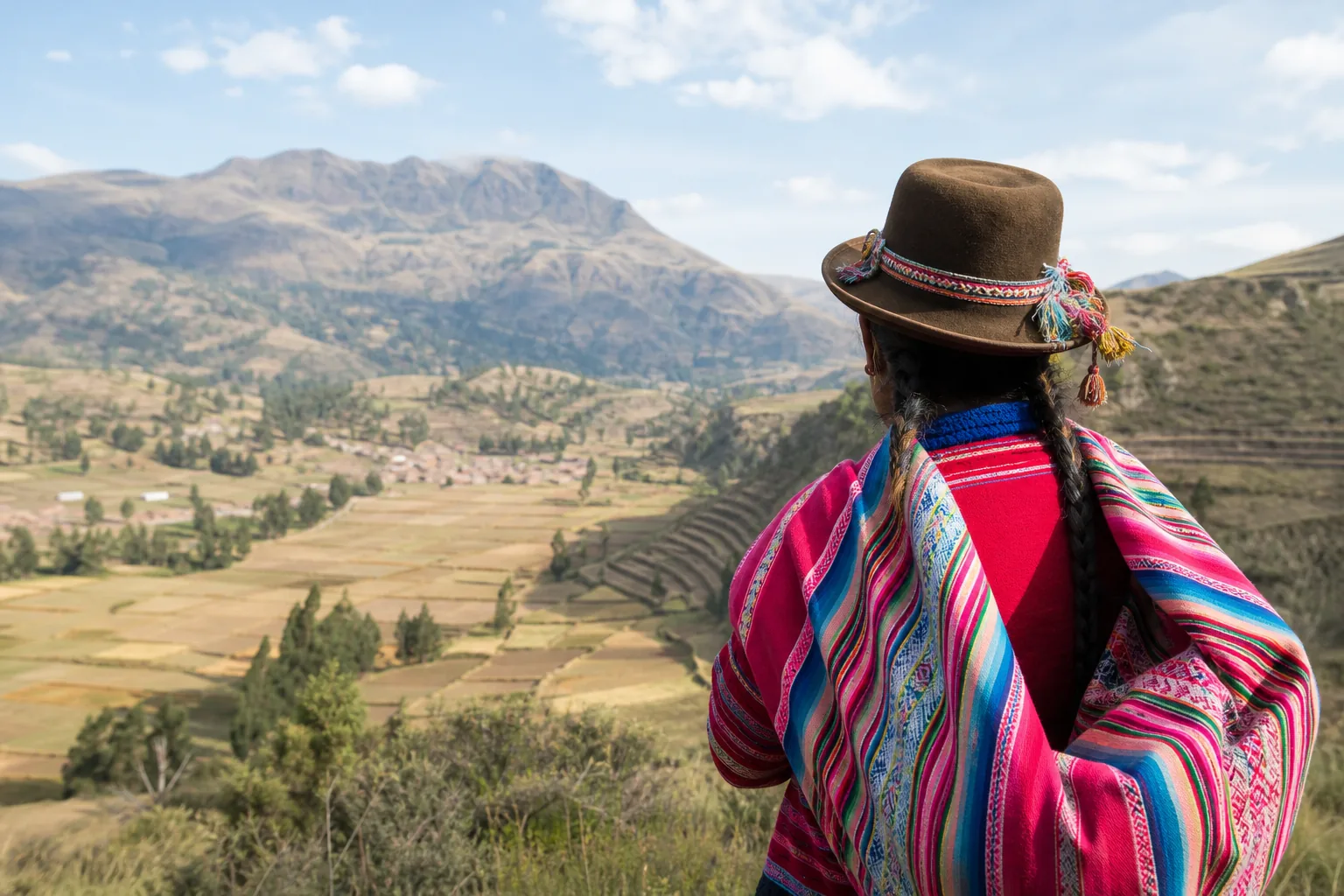
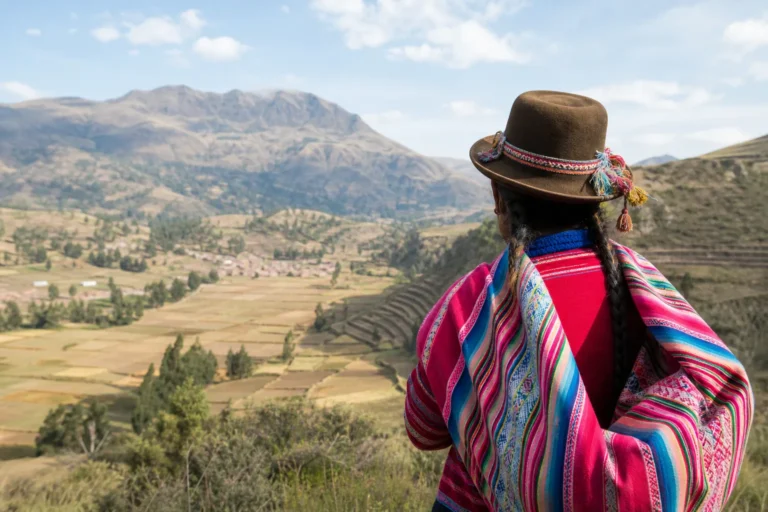
Most travelers who fly into Lima have one destination circled in red: Machu Picchu. And yes, it’s worth every bit of the hype. But if you leave Peru having only ticked off the famous citadel, you’ve barely scratched the surface of one of the most layered, visually stunning, and culturally rich countries on the planet. The Sacred Valley Peru travelers keep talking about is just the beginning — and beyond it, a whole world of mountain towns, coastal deserts, and highland lakes is waiting for you to show up with an open mind and comfortable boots.
Why the Sacred Valley Deserves More Than a Day Trip
The Sacred Valley of the Incas — also known as the Urubamba Valley — sits at around 9,400 feet above sea level, nestled between Cusco and Machu Picchu. That elevation matters. It’s high enough to feel genuinely Andean, with the kind of air that slows you down and forces you to pay attention. But it’s lower than Cusco, which means acclimatization is a little gentler here — a real bonus if altitude sickness has been giving you trouble.
Most visitors treat the Sacred Valley as a quick stopover on the way to the famous ruins. That’s a mistake. The valley rewards the travelers who linger. Wake up early in a small guesthouse, watch the mist burn off the mountain slopes, and you’ll quickly understand why the Incas considered this place sacred. The landscape doesn’t just look dramatic — it feels meaningful.
Spend at least two or three nights here rather than rushing through. The towns along the valley floor each have their own personality, their own markets, their own pace. Pisac is a great starting point — its Sunday market is one of the most vibrant in the region, where local artisans sell textiles, ceramics, and produce alongside everyday goods that have nothing to do with tourism. Walk up to the Pisac ruins above the town and you’ll get sweeping views of the valley that rival anything you’ll see at Machu Picchu.
Further down the valley, Ollantaytambo is the kind of town that makes you forget what century you’re in. The Inca stone waterways still run through the streets. The terraced fortress looming above the town is genuinely impressive up close. And Pumamarca, a pre-Incan archaeological site nearby, dates back to roughly 900 AD — predating the Inca empire itself. It’s far less visited than the main sites and, honestly, all the better for it.
Trekking Routes That Go Beyond the Inca Trail
The Inca Trail gets all the press, but the Sacred Valley and surrounding highlands offer trekking options that are just as rewarding — and far less crowded. If you want to feel like you’ve genuinely earned your view of Machu Picchu, consider an alternative multi-day route through the Andean highlands before descending to Aguas Calientes.
Routes through the valley itself range from easy half-day walks between terraced ruins to full-day climbs up to high passes with panoramic views. You don’t need a guide for many of the shorter routes, but for anything involving high altitude or remote terrain, hiring a local guide is both practical and a meaningful way to put money directly into the community.
What makes trekking in sacred valley Peru so compelling isn’t just the scenery — it’s the combination of landscape and history. You’re walking through a living cultural corridor. Villages along the routes are home to Quechua-speaking communities whose connection to this land goes back centuries. If you get the chance to stop for a meal in one of these villages, take it. Sit down, eat what’s offered, and ask questions. Those moments tend to stick with you longer than the photographs.
→ Read also: Peru's Budget Backpacking Route: Lima, Sacred Valley & Beyond
- Start in Pisac and hike up to the ruins before the tour groups arrive — early morning light is extraordinary.
- Walk between villages along the valley floor rather than taking taxis everywhere; the journey between towns is part of the experience.
- Ask locally about lesser-known trails — guesthouse owners and market vendors often know routes that don’t appear on any map.
- Carry layers — the temperature swings dramatically between valley floor and altitude, sometimes within a single afternoon.
Huaraz: Peru’s Mountain Adventure Capital
If the Sacred Valley is Peru’s cultural heart, Huaraz is its adrenaline engine. Located in the northern part of the country, Huaraz sits in the Callejón de Huaylas — a high valley flanked by two mountain ranges, including the Cordillera Blanca, home to some of the highest peaks in the Americas. Snow-capped mountains rise on all sides, and the surrounding area is dotted with beautiful glacial lakes that reflect the peaks above them in colors that seem almost too vivid to be real.
This is a destination built for people who want to move. Day hikes to Laguna 69 — one of the most celebrated high-altitude lakes in the region — are genuinely challenging but deeply satisfying. The turquoise water against the backdrop of glaciated peaks is the kind of view that makes you stop mid-step and just stand there for a moment. Multi-day treks loop through remote valleys and over high passes, connecting small mountain communities that see a fraction of the tourist traffic that Cusco does.
Beyond hiking, Huaraz attracts serious climbers. The peaks here are technical and demanding, and the town has a well-established infrastructure of guiding agencies, gear rental shops, and climbers’ cafés where you can swap route beta over a bowl of caldo de gallina. Even if you’re not a climber, that atmosphere is infectious. There’s something motivating about being surrounded by people who woke up at 3am to summit something.
For accommodation, Huaraz has a solid range of budget-friendly hostels and guesthouses that cater specifically to backpackers and trekkers. Dorm beds are easy to find, and many places have communal kitchens, gear storage, and notice boards covered in handwritten route recommendations from travelers who just came back from the mountains. It’s the kind of place where you arrive planning to stay two nights and end up staying a week.
Lima: Your Gateway and More
Lima tends to get written off as a transit city — somewhere you land, sleep, and leave. That’s a real shame. The Peruvian capital is one of the most fascinating cities in South America, with a food scene that has earned it a serious international reputation, a coastline that surfers and walkers both love, and neighborhoods that each feel like a different world.
For young independent travelers, the neighborhoods of Miraflores and Barranco are the most obvious starting points. Miraflores sits on cliffs above the Pacific, with parks, markets, and a walkable energy that makes it easy to spend a full day without a plan. Barranco is Lima’s bohemian district — street art, live music venues, craft beer bars, and a creative community that gives the neighborhood a genuinely alive feeling after dark.
When it comes to finding accommodation in Lima, platforms like Airbnb can offer something that most hostels can’t: a local neighborhood experience. Staying in a residential apartment in Barranco or Miraflores puts you in actual Lima life rather than the tourist bubble. You’ll shop at the corner market, figure out the local bus routes, and eat at the cevichería that doesn’t have an English menu. That’s the good stuff.
Budget-wise, Lima is more expensive than the highlands, but it’s still very manageable if you eat where locals eat and use public transport. The food markets scattered across the city are some of the best value meals you’ll find anywhere — and the quality is extraordinary. Peru’s culinary culture is no accident; it’s the result of centuries of ingredient diversity and cultural blending that makes even a simple lunch feel like a discovery.
→ Read also: Skip the Tourist Trail: Why Huaraz Should Be Your Next Peru Adventure
Paracas and Huacachina: The Desert Side of Peru
Most highland-focused itineraries skip the Peruvian coast and desert entirely. That’s understandable — the Andes are magnetic. But if you have the time, heading south from Lima toward Paracas and Huacachina adds a completely different dimension to your trip.
Paracas is a coastal reserve where the desert meets the Pacific in a collision of ochre cliffs and cold ocean water. Boat trips out to the Islas Ballestas put you in close proximity to sea lions, penguins, and enormous colonies of seabirds — all within a few hours of Lima. The reserve itself is a landscape unlike anything else in the country: vast, windswept, and strangely beautiful.
Then there’s Huacachina, which might be the most surreal place in Peru. It’s a small town built around a natural lagoon, completely surrounded by towering sand dunes. The contrast — blue-green water in the middle of a desert — is genuinely striking. Sandboarding down the dunes is the obvious activity, and it’s as fun as it looks. But even just sitting at the edge of the lagoon at sunset, watching the light change on the sand, is worth the journey.
Getting between these destinations is part of the adventure. Peru’s bus network is extensive and generally reliable, with overnight buses connecting Lima to Cusco, Huaraz, and the southern coast. For the budget-conscious traveler, overnight buses are a practical way to cover large distances while saving on accommodation — though bringing a good neck pillow and an eye mask makes a significant difference in how you feel when you arrive.
Planning Your Route: Thinking Beyond the Obvious
The most rewarding Peru itineraries aren’t the ones that rush between the greatest hits. They’re the ones that leave room for the unexpected — the market town you stopped in because the bus broke down, the family guesthouse where the owner cooked dinner for everyone, the trail that wasn’t on any map but led somewhere extraordinary.
A practical framework for an independent trip might look something like this: arrive in Lima, spend a couple of days getting oriented and eating well, then head south to Paracas and Huacachina before flying or busing to Cusco. From Cusco, slow down in the Sacred Valley Peru before making your way to Machu Picchu — by which point it’ll feel like a natural culmination rather than the only reason you came. If time allows, loop north to Huaraz before your return flight.
- Book buses in advance during peak season (June to August) — popular routes fill up fast.
- Acclimatize seriously — don’t fly from Lima to Cusco and immediately try to hike. Give your body at least a day or two.
- Carry local currency — many smaller towns and markets don’t accept cards, and ATMs can be scarce in rural areas.
- Learn a few words of Quechua alongside Spanish — in the highlands especially, it’s a gesture that people genuinely appreciate.
- Travel slowly — Peru rewards patience. The more time you give a place, the more it gives back.
For a deeper dive into planning your route, Salkantay Trekking’s Sacred Valley guide is a solid resource for understanding the region’s geography and key stops.
Peru is one of those destinations that changes the way you think about travel. Not because it’s overwhelming or exotic in some distant, abstract sense — but because it asks something of you. It asks you to slow down, to pay attention, to engage with a history and a landscape that are genuinely unlike anything else. Whether you’re navigating the stone streets of Ollantaytambo, catching your breath on a high mountain pass above Huaraz, or watching the sun go down over the sand dunes of Huacachina, the feeling is the same: you’re somewhere that matters, and you’re lucky to be there.
This article was produced with AI assistance and reviewed editorially.


Beyond Machu Picchu: Why Peru’s Sacred Valley Is Where the Real Adventure Happens

Colombia vs. Peru: Which South American Adventure Fits Your Budget (and Your Soul)


