
Europe
Colombia vs. Peru: Which South American Adventure Fits Your Budget (and Your Soul)
Compare daily costs, must-see sites, and travel styles for budget travelers in Colombia vs. Peru. Find where your money stretches furthest.

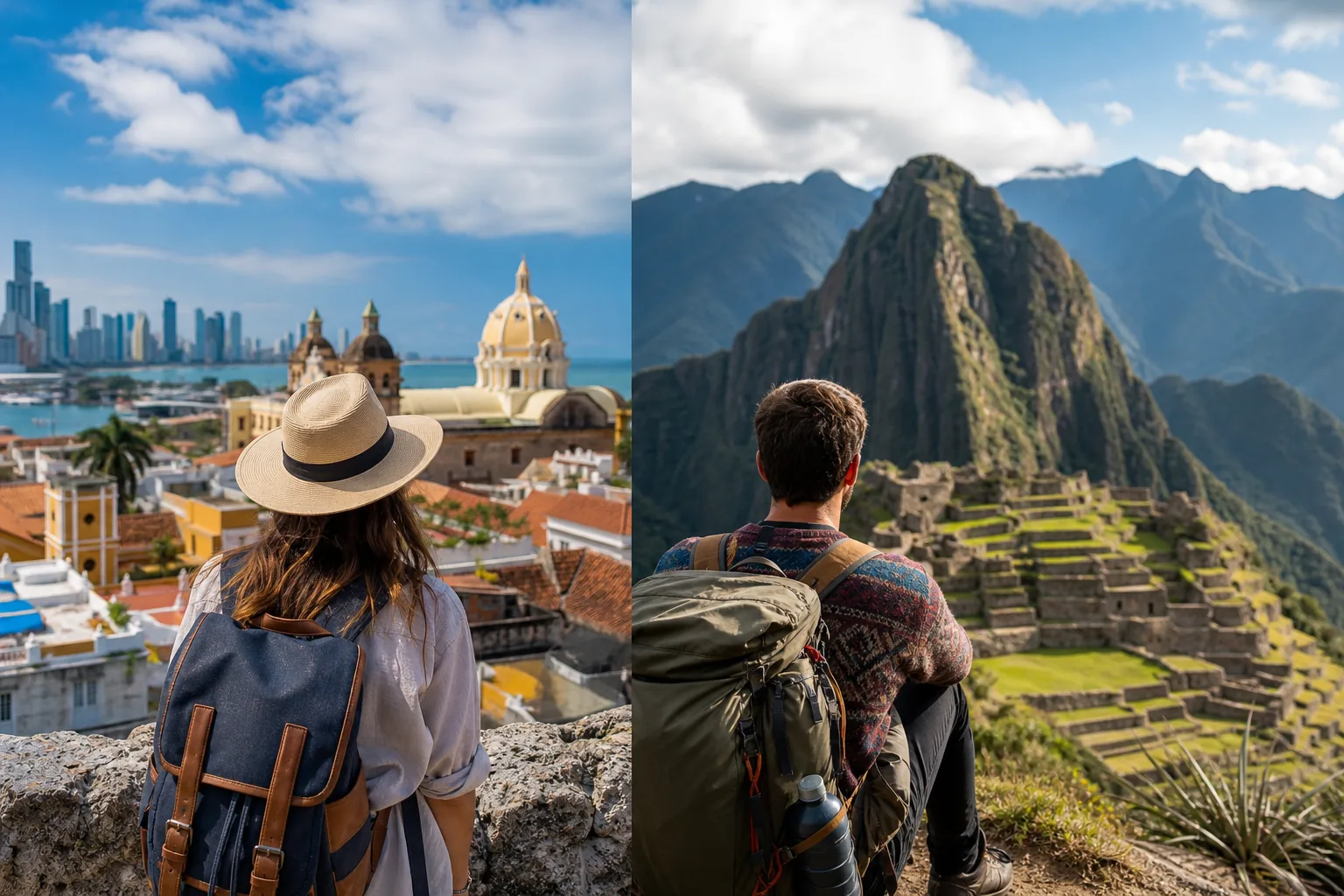
Planning a trip through South America and torn between two of its most iconic destinations? You’re not alone. Budget travel in Colombia and Peru sits at the top of almost every young backpacker’s wish list — and for good reason. Both countries pack extraordinary landscapes, deep cultural histories, and vibrant local life into an experience that won’t drain your savings in the first week. But they’re not the same trip, and knowing the differences can help you spend smarter, travel longer, and come home with stories that actually mean something.
Why Colombia and Peru Keep Drawing Budget Travelers
There’s a reason these two countries dominate South American backpacking conversations. Colombia offers a wildly diverse mix of Caribbean coastline, coffee-covered mountains, and cities that pulse with music, street art, and some of the warmest hospitality you’ll encounter anywhere on the continent. Peru, on the other hand, pulls you into ancient civilisations, high-altitude landscapes, and ecosystems that shift dramatically from the Andes to the Amazon basin.
What unites them is accessibility. Both countries have well-worn backpacker trails, strong hostel cultures, and enough budget-friendly infrastructure to make extended travel genuinely manageable. Whether you’re a first-time solo traveler or a seasoned backpacker looking for your next chapter, both destinations offer the kind of depth that rewards slow travel — the kind where you actually stay somewhere long enough to feel it.
The real question isn’t whether to go. It’s which one suits your travel style right now, and where your money will stretch furthest.
Breaking Down the Daily Budget: Colombia vs. Peru
Let’s talk numbers, because they matter when you’re watching every dollar. According to Hostelz backpacker budget data, the daily backpacker budget for Colombia sits at around $34, while Peru comes in at approximately $32 per day. That’s a difference of just $2 per day — which over a week of hostel stays works out to roughly $8 in total savings.
Practically speaking, that margin is narrow enough that it shouldn’t be your deciding factor. What matters more is how you travel within each country. Both destinations can be done cheaply if you’re strategic, and both can quietly eat through your budget if you’re not paying attention.
That said, there are some nuances worth understanding. Colombia tends to feel slightly more affordable for day-to-day expenses — particularly when it comes to accommodation, local dining, and getting around cities. Medellín’s metro system, for example, is famously efficient and inexpensive. Street food in Cartagena and Bogotá is plentiful and cheap. Hostels in Colombia’s major cities are competitive in price and often excellent in quality.
Peru can feel more expensive in certain contexts, even if the headline daily figure is marginally lower. Part of this comes down to geography. The Amazon rainforest is the most expensive area to visit within Peru — guided tours, boat transfers, and lodge stays in the jungle can add up fast. If your Peru itinerary includes serious time in the rainforest, budget for it separately and don’t let the average daily figure fool you into underestimating costs.
What Your Money Actually Gets You in Colombia
Colombia is a country that rewards curiosity. Wander through the cobblestone streets of Cartagena’s walled city, where colonial architecture in shades of yellow and terracotta lines every alley. Take the cable car up over Medellín’s hillside comunas and watch a city that reinvented itself unfold below you. Spend a few days in the Coffee Region — the Eje Cafetero — hiking between farms, learning how your morning cup actually gets made, and sleeping in a finca surrounded by mountains.
Your daily budget in Colombia covers a lot of ground. A bed in a well-reviewed hostel dorm typically costs a fraction of what you’d pay in Europe, and the food scene rewards those who eat where locals eat. A bandeja paisa — a loaded plate of beans, rice, meat, and plantain — is filling, flavourful, and easy on the wallet. Fresh fruit juices are everywhere and almost comically cheap.
→ Read also: Peru's Budget Backpacking Route: Lima, Sacred Valley & Beyond
Getting between cities is generally manageable. Long-distance buses connect most major destinations, and while some journeys are long, they’re part of the experience. The landscape outside the window changes constantly — from Caribbean flatlands to Andean switchbacks — and you’ll rarely feel like the journey is wasted time.
Colombia also offers a coastline that splits between the Caribbean north and the Pacific west, each with its own personality. Palomino on the Caribbean side is a laid-back beach village popular with backpackers. Nuquí on the Pacific is wilder, harder to reach, and genuinely off the beaten path. Your budget will stretch differently depending on which coast you choose.
What Your Money Actually Gets You in Peru
Peru is the kind of country that makes you feel small in the best possible way. Standing at the Sun Gate above Machu Picchu at dawn, watching clouds roll through the ruins below — that’s the sort of moment that stays with you for years. The Inca Trail is iconic, but it requires booking well in advance and comes with permit costs that can feel significant on a tight budget. Alternatives like the Salkantay Trek offer comparable scenery at a lower price point and with more flexibility.
Beyond Machu Picchu, Peru’s depth is remarkable. Cusco is a city where Inca stonework sits beneath Spanish colonial buildings, and the altitude hits you before the beauty does. Lake Titicaca on the Bolivian border offers a completely different experience — floating reed islands, traditional communities, and vast open water at over 3,800 metres above sea level. The Colca Canyon, one of the deepest canyons in the world, draws hikers who want something genuinely challenging.
Lima is worth more time than most backpackers give it. The city’s food scene is extraordinary — Peru has developed a global reputation for its cuisine, and even budget meals reflect that creativity. Ceviche eaten at a market stall, lomo saltado from a small local restaurant, or a bowl of ají de gallina — these are experiences that cost very little and taste like they cost a lot.
The key with Peru is planning your major attractions carefully. Entrance fees to archaeological sites, guided tours for the Amazon, and transport between distant regions can add up. Budget for the big-ticket experiences separately, and keep your day-to-day spending lean to balance things out.
Safety, Practicalities, and Honest Expectations
Both Colombia and Peru have complicated reputations, and both have changed significantly over the past decade. It would be dishonest to pretend that safety isn’t a real consideration in either country — it is. But it would be equally misleading to suggest that millions of young travelers visit these places each year and come home with horror stories rather than highlights.
The most practical advice is consistent across both destinations: stay aware, trust your instincts, and do your research before you arrive. Read recent traveler accounts, check government travel advisories, and talk to people at your hostel when you get there. Local knowledge is worth more than any article, including this one.
In Colombia, certain cities and regions carry higher risks than others, and the situation can shift. Stick to well-traveled routes, avoid displaying expensive gear, and be cautious with nightlife in unfamiliar areas. In Peru, petty theft is the most common concern for tourists, particularly in crowded markets and on public transport. Keep your valuables close and your awareness high.
Neither country should scare you off. They should simply remind you that smart travel is always the best kind of travel — and that being a thoughtful, respectful visitor goes a long way in both places.
Choosing Your Route: How Long Do You Need?
One of the most common questions is how much time to allocate to each country. The honest answer is that both reward slow travel, and rushing through either one is a genuine loss.
→ Read also: Peru's Hidden Valleys: Sacred Valley, Lima & Mountain Towns Beyond the Tourist Trail
For Colombia, a three to four week trip gives you enough time to cover Bogotá, Medellín, the Coffee Region, Cartagena, and a stretch of coastline without feeling like you’re constantly on a bus. You could extend that easily — Cali’s salsa scene, the Tatacoa Desert, and the Amazon border region in Leticia all deserve time if you have it.
Peru similarly benefits from a month or more. A route that takes in Lima, Cusco, Machu Picchu, Lake Titicaca, and the Sacred Valley already fills several weeks — and that’s before you factor in the Amazon or the northern archaeological sites near Trujillo and Chiclayo. The country is larger and more spread out than many first-time visitors expect, and transport between regions takes real time.
If you’re planning a combined South America trip, many backpackers move between the two countries — entering Colombia from the north, traveling south, and crossing into Ecuador before reaching Peru. This overland route takes months and is genuinely one of the great backpacking journeys available right now. The budget travel corridor through Colombia and Peru connects naturally with Bolivia, Argentina, and beyond if you have the time and the appetite for it.
When to Go and How to Keep Costs Down
Timing matters for both budget and experience. Both Colombia and Peru have regional climates that vary significantly depending on altitude and geography, so the idea of a single “best season” for either country is an oversimplification. Generally speaking, traveling during shoulder periods — avoiding peak holiday weeks and major festivals — helps keep accommodation prices lower and crowds thinner.
In Peru, the dry season in the highlands (roughly May through October) is the most popular time to trek and visit Machu Picchu, which means higher demand and higher prices for permits and accommodation. Traveling just outside those peak months can save you money and give you a quieter experience, though you’ll need to be prepared for more unpredictable weather.
Colombia’s Caribbean coast has its own rhythm, with the dry season drawing more visitors and pushing prices up in beach towns. Medellín’s famous Feria de las Flores in August is spectacular but brings crowds. Timing your visit around — rather than during — major events can make a real difference to your daily spend.
The most reliable budget tip for both countries: cook occasionally, eat local always, and never book accommodation without checking reviews first. The hostel culture in both Colombia and Peru is strong, and the best places fill up fast. Booking a few days ahead rather than months ahead usually works, but leaving everything to chance can push you into pricier options.
So Which One Should You Choose?
The budget difference between Colombia and Peru is genuinely small — we’re talking a couple of dollars a day. So the real question is about the kind of adventure you’re looking for right now.
Choose Colombia if you want vibrant cities, Caribbean beaches, a world-class coffee culture, and a country that feels like it’s in the middle of its own exciting story. It’s a destination that rewards spontaneity and social travel — the kind of place where you meet people at a hostel rooftop and end up dancing salsa until midnight.
Choose Peru if you’re drawn to ancient history, dramatic landscapes, and the kind of trekking that earns its views. It’s a country that asks a little more of you — in planning, in physical effort, in altitude acclimatisation — and gives back something genuinely profound in return.
Or, if you have the time, don’t choose at all. The most memorable budget travel journey through Colombia and Peru is the one that takes in both — moving slowly, spending wisely, and letting each country change the way you see the world. That’s the kind of trip you’ll still be talking about long after the tan fades and the stamps in your passport start to blur together.
This article was produced with AI assistance and reviewed editorially.


Beyond Machu Picchu: Why Peru’s Sacred Valley Is Where the Real Adventure Happens

Colombia vs. Peru: Which South American Adventure Fits Your Budget (and Your Soul)


