
Egypt
Cairo & Giza in 2026: What’s Actually Changed
Discover Cairo and Giza in 2026 with the new Grand Egyptian Museum, updated Plateau conditions, and practical tips for young travelers exploring Ancient Egypt’s wonders.

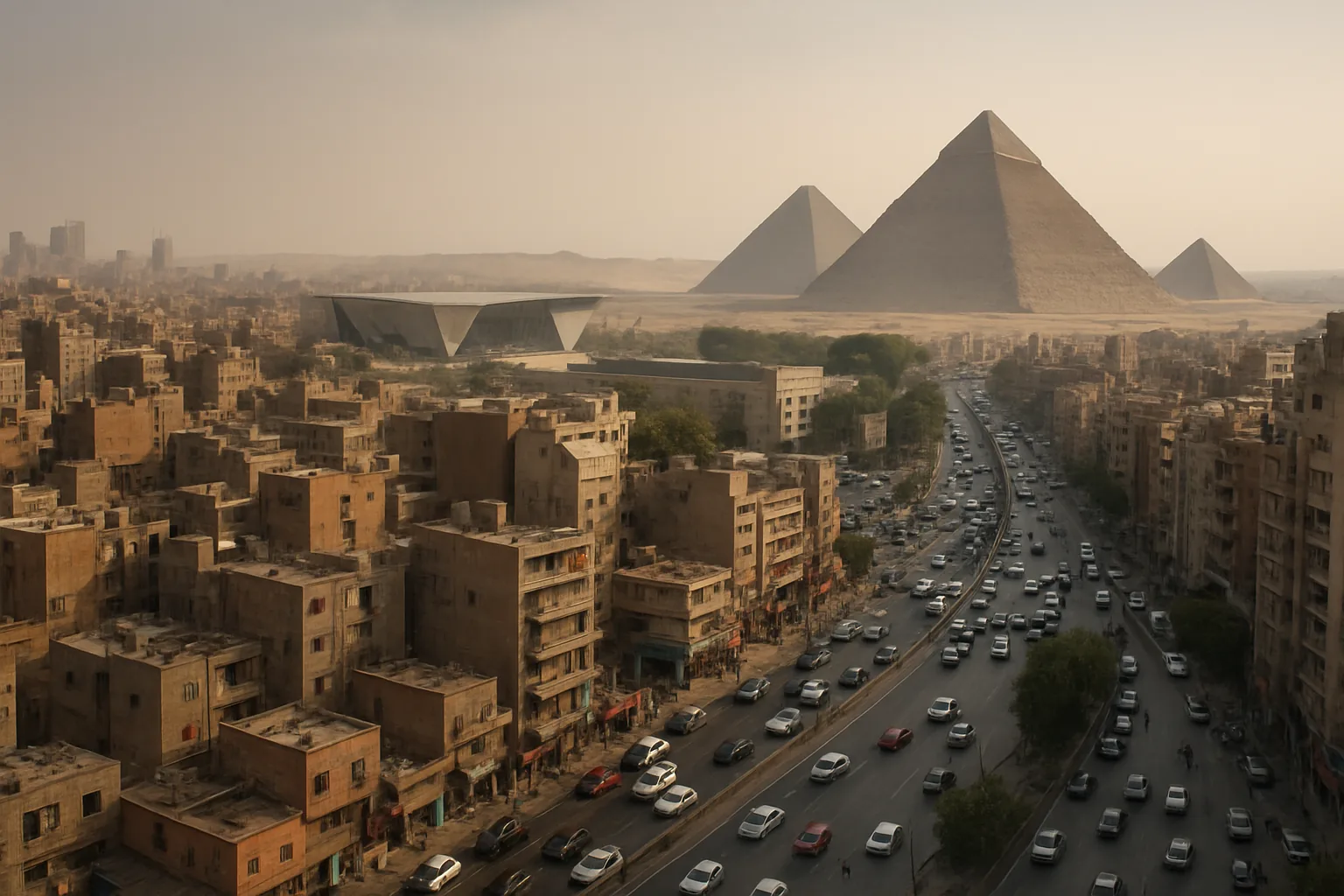
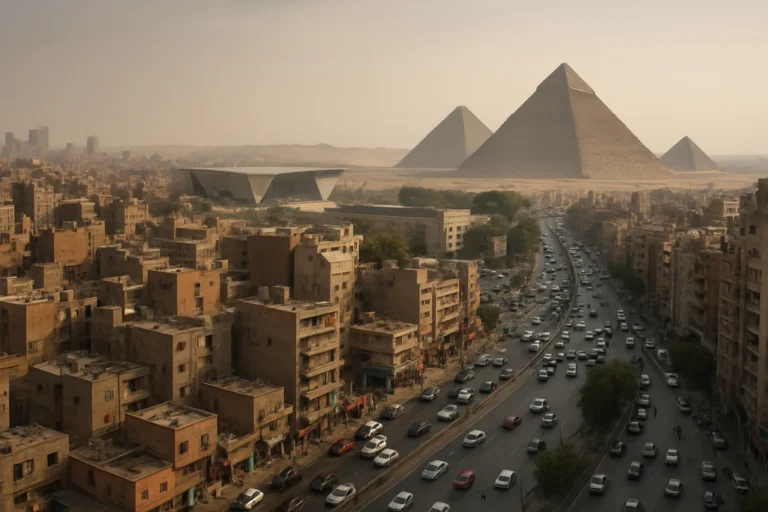
Egypt has always had the power to stop you in your tracks. There’s something almost surreal about standing in front of a monument that has outlasted every empire, every language, and every trend in human history. But Cairo and Giza in 2026 are not the same destinations your parents described — or the ones you’ve seen in old travel vlogs. The city is evolving, the visitor experience at the Plateau has shifted, and there’s a genuinely exciting new reason to make the journey. If you’re planning to go, here’s what you actually need to know before you land.
The Grand Egyptian Museum: Finally, the Full Picture
For years, travelers arrived in Cairo and visited the old Egyptian Museum on Tahrir Square — a chaotic, crowded, and frankly overwhelming building that hadn’t kept pace with the scale of its own collection. The mummies were incredible, the Tutankhamun treasures were jaw-dropping, but the experience could feel more like a treasure hunt than a curated journey through history.
That’s changed. The Grand Egyptian Museum has become the defining landmark addition to Cairo in 2026, and it genuinely deserves the hype — without us having to manufacture any. This is one of the largest archaeological museums in the world, positioned right on the edge of the Giza Plateau with the pyramids visible in the background. The architecture alone is worth the trip. But what really sets it apart is the way it contextualises Egypt’s history: instead of isolated objects behind dusty glass, you get an immersive narrative that moves you through time.
The complete Tutankhamun collection — including pieces that were previously in storage and had never been publicly displayed — is now housed here in a dedicated gallery. Seeing it in full, rather than in fragments, changes how you understand the boy king’s story. Give yourself at least half a day. Honestly, a full day is better. And go early: the light through the facade in the morning is the kind of thing you’ll photograph badly but remember forever.
If you’re on a tight budget, check whether student or youth discounts apply — Egypt has historically offered reduced rates for younger visitors, and the GEM is no exception. Booking tickets online in advance is strongly recommended, especially during peak season.
The Giza Plateau: What the Experience Is Actually Like
Let’s be honest about something. The Giza Pyramids are extraordinary. They are also surrounded by a tourism infrastructure that can feel overwhelming if you’re not prepared for it. Camel touts, persistent vendors, unofficial guides — these are real parts of the experience, and pretending otherwise doesn’t help you.
That said, the Plateau itself rewards patience and a bit of strategy. The key is timing. Arriving right at opening, before the tour groups descend, gives you a window of relative quiet where the scale of the structures can actually sink in. The Great Pyramid of Khufu, the Pyramid of Khafre, and the Pyramid of Menkaure each have their own character — and the Sphinx, seen from the right angle in morning light, is genuinely moving in a way that photos never quite capture.
If someone approaches you offering an unofficial tour or a shortcut to somewhere special, a polite but firm refusal is your best tool. The official ticketing system covers the main sites, and licensed guides — hired through your accommodation or a reputable agency — will give you a far richer experience than anything improvised at the gate.
The interior of the Great Pyramid is accessible for an additional fee, and it’s worth it if you’re not claustrophobic. Crawling through the narrow ascending passage into the King’s Chamber, where the air is thick and the granite walls seem to press in from all sides, is one of those experiences that quietly rewires something in your brain. You won’t forget it.
👉 Read also: Egypt in 2026: Cairo, Giza & Dahab — Debunking Myths & What Solo Travelers Actually Experience
The Solar Boat Museum, located right beside the Great Pyramid, often gets skipped — don’t let it. The reconstructed funerary boat is astonishing in its preservation and gives you a completely different angle on ancient Egyptian craftsmanship.
Getting Into Egypt: What’s Changed for 2026
Visa logistics have been updated, and it’s worth knowing the current situation before you travel. The on-arrival visa rose to $30 in March 2026, while the e-visa remains at $25 — so applying online before you fly is both cheaper and faster. There’s genuinely no reason not to sort it in advance.
There’s also a notable change at Cairo International Airport: since 1 August 2026, Egypt no longer issues a physical visa sticker in your passport. Instead, you receive a QR code that serves as your entry documentation. This has streamlined the arrival process considerably, but make sure you have it saved somewhere accessible — screenshot it, print it, do both. Don’t rely solely on a phone with a dying battery after a long-haul flight.
For most nationalities, the process is straightforward. Check your country’s specific requirements before booking, as eligibility for the e-visa system varies. The Indie Traveller Cairo guide, written by Marek Bron after a six-night stay in the city, is a solid practical reference for first-timers navigating the logistics.
Cairo Beyond the Monuments: The City Itself
Cairo is not a city you can reduce to a checklist. It’s loud, layered, occasionally maddening, and genuinely one of the most alive places on earth. Navigating it well is about adjusting your expectations and your pace.
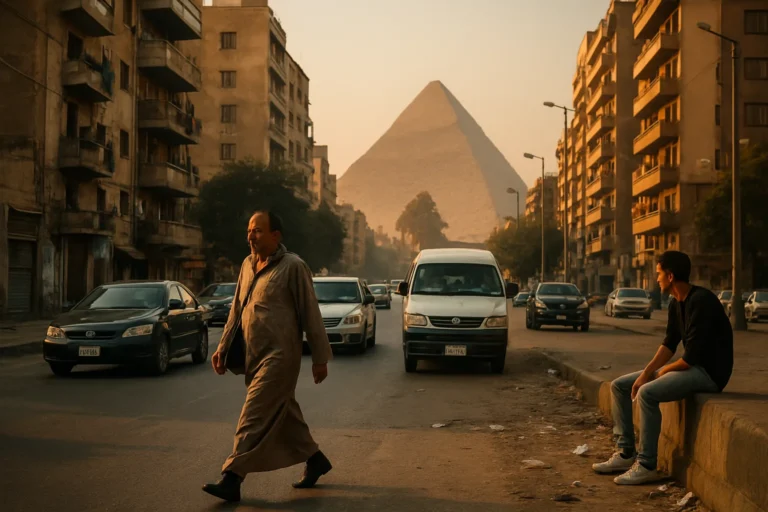
Islamic Cairo — the historic district around Al-Muizz Street — is where the city’s medieval architecture unfolds in a way that stops you mid-step. Mosques, mausoleums, and wikala (old merchant houses) line streets that have been continuously inhabited for over a thousand years. Walk it in the late afternoon when the light turns golden and the crowds thin slightly.
The Khan el-Khalili bazaar nearby is an experience in itself, though you should go in knowing it’s oriented toward tourists. The surrounding streets, however, are where actual Cairenes shop for spices, textiles, and everyday goods — and wandering into them is far more interesting than any souvenir stall.
For food, the rule is simple: follow the locals. Kushari — a hearty mix of rice, lentils, pasta, and spiced tomato sauce — is Egypt’s unofficial national dish and costs almost nothing at a neighbourhood spot. Ful medames (slow-cooked fava beans) for breakfast is the kind of meal that fuels a full day of walking. Street food in Cairo is generally safe when it’s freshly cooked and busy — a long queue is always a good sign.
Getting around the city has improved with the expansion of the metro network, which is clean, inexpensive, and genuinely useful for avoiding surface traffic. Ride-hailing apps also operate in Cairo and take the stress out of negotiating fares. Traffic is a fact of life here — build extra time into any journey and treat it as an opportunity to watch the city from a window.
👉 Read also: Dahab, Egypt: The Hidden Red Sea Town You Didn't Know Existed
Beyond Cairo: The Rest of Egypt Is Waiting
One of the most important things to understand about Egypt is that Cairo and Giza are just the beginning. As Ashraf Fares, who has spent two decades driving roads, walking sites, and watching travelers discover Egypt, would likely tell you: the country has a depth that rewards those who push further.
The Nile Valley — particularly Luxor and Aswan — offers a completely different experience from the capital. Luxor’s Valley of the Kings, the Temple of Karnak, and the Temple of Hatshepsut are among the most significant archaeological sites anywhere on the planet. Aswan, further south, has a slower, warmer atmosphere and serves as the gateway to the temples of Abu Simbel, which require a dedicated journey but deliver one of the most staggering sights in all of Egypt.
A Nile journey between Luxor and Aswan doesn’t have to mean a traditional luxury cruise. Felucca trips — travelling by traditional wooden sailboat — offer a quieter, more intimate way to experience the river, often over several days with simple overnight stops on the bank. It’s slower, more spontaneous, and genuinely memorable in a way that a large cruise ship simply isn’t.
For those drawn to the coast, Dahab on the South Sinai is worth serious consideration. It sits on the Red Sea and has a reputation for being significantly more relaxed than the resort towns further north. The diving and snorkelling are outstanding — the Blue Hole is one of the most famous dive sites in the world — and the town itself has a low-key, backpacker-friendly energy that suits travelers who want to decompress after the intensity of Cairo. It’s the kind of place where you arrive planning to stay two nights and end up staying five.
Egypt also offers desert experiences — Siwa Oasis in the Western Desert and the Faiyum region both provide landscapes that feel completely removed from the urban energy of Cairo. These destinations reward travelers who are willing to do a little more planning to reach them.
Practical Things Worth Knowing Before You Go
Egypt is a cash-heavy economy in many contexts, particularly outside of hotels and larger restaurants. Carry Egyptian pounds for day-to-day spending, and withdraw from ATMs in well-lit, busy areas. Tipping — baksheesh — is a genuine part of the culture and economy, not an optional extra. Build it into your budget and approach it with good grace.
Dress codes matter, especially when visiting mosques and religious sites. Covering shoulders and knees is the baseline, and women will often be asked to cover their hair when entering active places of worship. Carrying a lightweight scarf is one of the most practical things you can pack.
The heat in summer is serious. If you’re visiting between June and August, plan your outdoor activities for early morning and late afternoon, and take the middle of the day seriously as a time to rest, eat, and stay hydrated. Spring and autumn are generally the most comfortable seasons for exploring.
Finally, give yourself time. Cairo and Giza in 2026 are not a two-day stop on a whirlwind tour. The city alone will reward three or four days of genuine exploration, and adding the Grand Egyptian Museum means you need even more. Egypt is the kind of destination that punishes rushing and rewards those who slow down long enough to let it actually land.
There’s a reason people come back. The monuments are part of it, but so is the food, the noise, the kindness of strangers, the smell of shisha drifting from a café at midnight, and the strange, humbling feeling of standing somewhere that has been standing since before recorded history began. Go with an open mind, a bit of patience, and a genuine curiosity — and Egypt will give you more than you came looking for.
This article was produced with AI assistance and reviewed editorially.


Peru’s Hidden Valleys: Sacred Valley, Lima & Mountain Towns Beyond the Tourist Trail

Cairo & Giza in 2026: What’s Actually Changed


