
Tech Corner
Essential Apps for Backpackers in 2026: What You Actually Need (and What You Don’t)
Discover which backpacking apps solve real problems on the road—from offline navigation to finding beds and managing money—without the bloat.

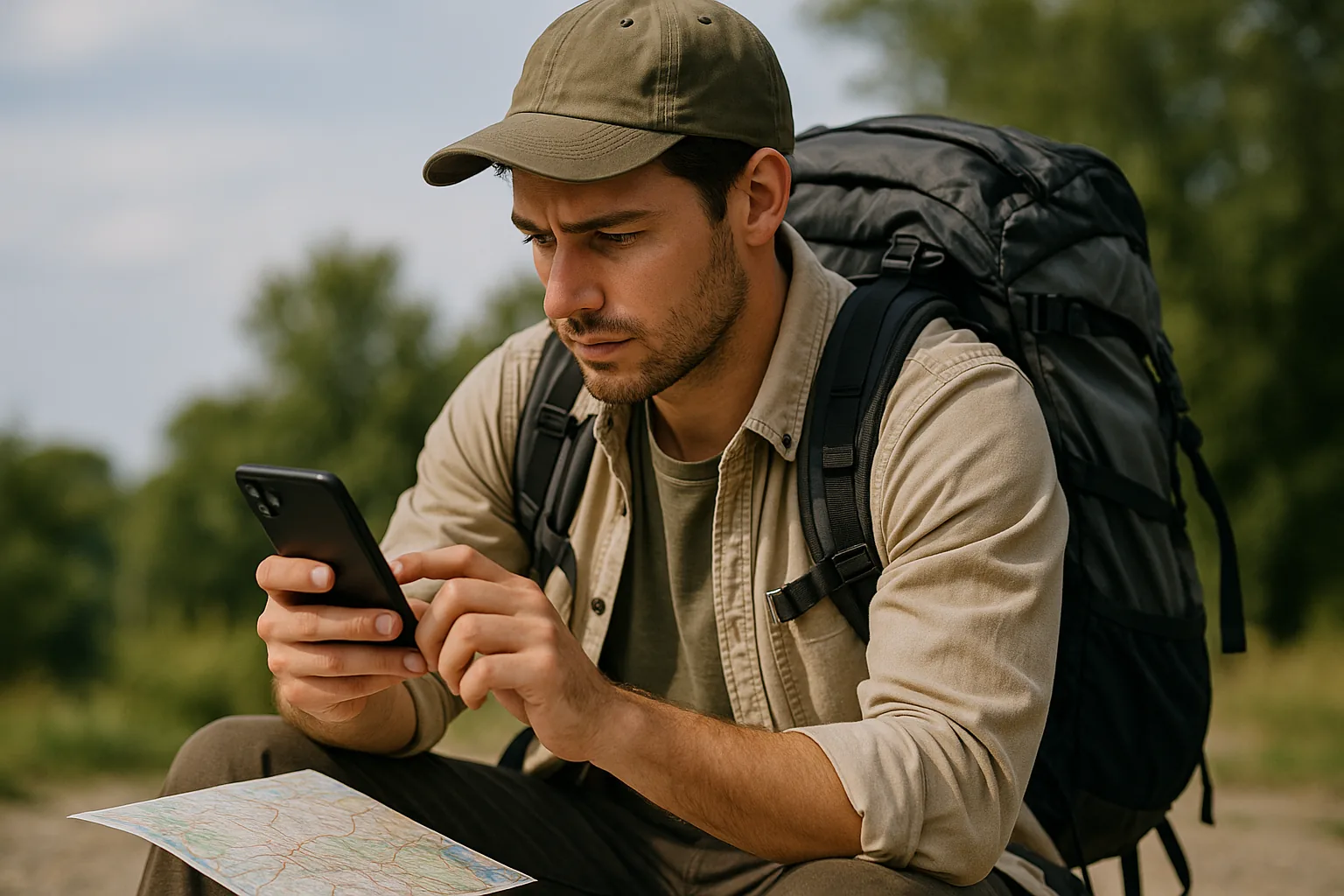
Your phone is one of the most powerful tools you’ll carry in your backpack — and no, not because of Instagram. The right backpacking apps can save you from sleeping on a bench, getting ripped off at a currency exchange, or missing a train because you couldn’t read the local timetable. But here’s the thing: most “best travel apps” lists are bloated with stuff you’ll download once, never open, and forget about. This guide cuts through the noise and focuses on what genuinely solves real problems on the road, from getting lost in a city with no data to figuring out whether that ATM is about to charge you a fortune.
Navigation: Finding Your Way Without Burning Through Data
Getting around an unfamiliar city is where your phone earns its place in your pack. Google Maps remains the gold standard for navigation — and for good reason. It’s reliable, constantly updated, and works across most of the world with impressive accuracy. The offline maps feature lets you download entire regions before you leave your hostel’s Wi-Fi, which means you can navigate without burning through your data plan.
That said, Google Maps isn’t always perfect in places with less infrastructure or in regions where local data is sparse. That’s where MAPS.ME comes in. It’s built specifically around offline use, pulling from open-source map data that covers even remote areas in impressive detail. If you’re heading somewhere off the beaten path — hiking trails in Central Asia, rural villages in Southeast Asia, or mountain roads in South America — MAPS.ME is worth having alongside Google Maps rather than instead of it.
Waze is another solid option, particularly if you’re renting a car or joining a road trip. It’s community-driven, which means real-time traffic alerts and local knowledge baked right in. It’s less useful if you’re on foot, but for road-based travel it genuinely earns its place on your phone.
The key principle here: always download offline maps before you need them. Data roaming costs can be brutal, and the one moment you’ll desperately need navigation is usually the moment your signal disappears.
Finding a Place to Sleep: Accommodation Apps Worth Your Time
Accommodation is one of the biggest variables in backpacker life. Some nights you’ll book weeks in advance; other nights you’ll be searching for a bed at 9pm after a delayed bus. Having the right apps for both scenarios matters more than most people realise.
For hostel-focused travel, platforms built specifically around budget accommodation give you access to dormitory beds, private rooms in guesthouses, and the kind of social spaces where you actually meet other travellers. Read reviews carefully — not just the star rating, but the written ones. A hostel can have a decent average score and still have chronically cold showers or paper-thin walls. The reviews that mention specific details are the ones worth trusting.
For more flexibility, broader booking platforms let you compare hostels, guesthouses, boutique hotels, and private apartments in one search. These are particularly useful in destinations where the hostel scene is thin — parts of Eastern Europe, rural Japan, or smaller towns across Latin America where a family-run guesthouse might be your best option.
Platforms that connect travellers with local hosts for free stays — like Couchsurfing — are worth exploring if you’re open to a more social, immersive experience. It’s not just about saving money; it’s about sitting in someone’s kitchen, hearing their stories, and seeing a city through a local’s eyes. Just approach it with the right mindset: it’s a cultural exchange, not a free hotel.
Worldpackers takes a different angle entirely. It connects backpackers with hostels, farms, and community projects that offer accommodation in exchange for a few hours of work per day. If you’re planning a longer trip and want to slow down, stretch your budget, and actually embed yourself somewhere for a week or two, this kind of platform can be genuinely life-changing.
The hotel app point applies here too: downloading your booking confirmation and property details offline before you arrive saves enormous frustration at check-in, especially if the local Wi-Fi is patchy or you’re arriving late.
👉 Read also: Luggage Storage Apps Tested: Bounce vs Stasher vs Radical Storage for Backpackers
Getting Around: Transportation Apps That Actually Help
Transport is where things get complicated fast. Between flights, trains, buses, ferries, and the occasional tuk-tuk, coordinating movement across a multi-country trip can feel overwhelming. The right apps simplify it considerably.
For flights, having your airline’s own app installed is non-negotiable. It’s the fastest way to get notified about delays, gate changes, and rebooking options — often before the information even appears on the departure boards. When a connection is tight and something goes wrong, being first in the digital queue matters. Flight search tools are great for finding cheap fares, but once you’ve booked, the airline app is where you manage the journey.
For ground transport, the picture is more fragmented. Country-specific train apps are often the most reliable way to book rail tickets, check timetables, and manage reservations. In Europe, Japan, India, and across much of South America, national rail systems have their own apps that give you access to deals and real-time updates that third-party aggregators sometimes miss. It’s worth researching which app covers your destination’s rail network before you arrive.
BlaBlaCar is a genuinely useful option across Europe and parts of Latin America and Africa. It’s a ridesharing platform where drivers heading between cities offer seats to passengers for a small contribution toward fuel. It’s often cheaper than the bus, more comfortable than a crowded train, and you’ll almost certainly have an interesting conversation along the way.
For local city transport, many major cities now have their own transit apps with real-time bus and metro information. Downloading these before you arrive — rather than trying to figure out a new system while standing confused at a bus stop — makes urban navigation dramatically less stressful.
Money: Spending Smart and Avoiding Hidden Fees
Money management is where backpackers quietly lose significant amounts of cash through poor decisions — bad exchange rates, ATM fees, and currency confusion. The good news is that a few well-chosen apps can protect you from most of it.
Exchange rate apps are essential for knowing what you’re actually spending. When a market vendor quotes you a price in a currency you don’t know well, being able to glance at a real-time conversion before you agree keeps you in control of your budget. The key is using an app that pulls live mid-market rates rather than the inflated rates you’ll see at airport exchange booths.
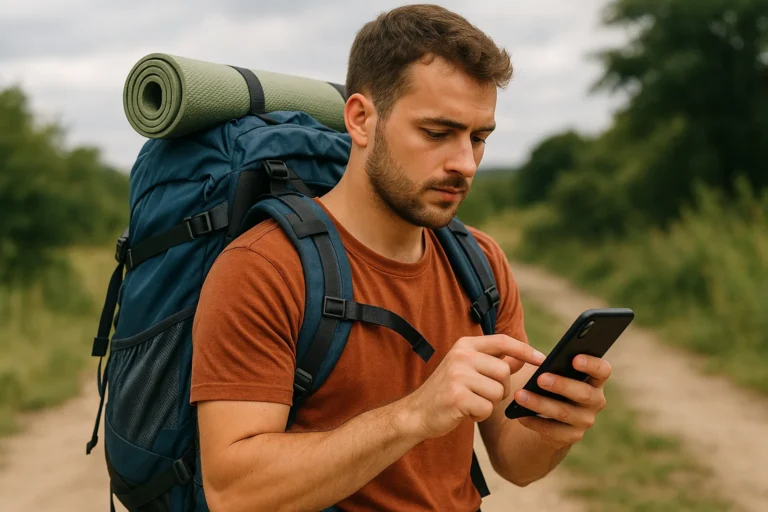
Multi-currency cards — and the apps that manage them — have transformed how backpackers handle money abroad. Cards that let you hold and spend in multiple currencies at close to mid-market rates, with low or no foreign transaction fees, are now widely available and genuinely worth setting up before you leave home. The apps that come with these cards let you track spending, freeze the card instantly if it’s lost, and convert between currencies with transparency about the costs involved.
The ATM Fee Saver app deserves a specific mention here. It gives you information on ATM locations and the expected withdrawal fees you’ll face — covering around 30 destinations across Europe, Latin America, and Southeast Asia. That’s exactly the kind of practical, unglamorous tool that saves real money over the course of a long trip. Knowing in advance which ATM is going to charge you a flat fee versus a percentage can meaningfully affect how much you withdraw and where.
The broader principle: never exchange money at airports if you can avoid it, always check the rate before agreeing to any conversion, and keep a small emergency stash of local cash for places where cards aren’t accepted.
Communication: Staying Connected Without the Chaos
Staying in touch while travelling is simpler than it used to be, but it still requires a bit of planning. The most important decision you’ll make is whether to rely on Wi-Fi, buy a local SIM card, or use an international roaming plan.
👉 Read also: Hostel Fully Booked? Your Backup Plan for Finding Last-Minute Accommodation
For trips that stay in one region, a local SIM card is almost always the best value. Buying one at the airport or a local phone shop gives you a local number, affordable data, and the freedom to use your phone wherever you are — not just in hostels and cafés with decent Wi-Fi. Research the main providers for your destination before you go; coverage quality varies enormously between carriers in the same country.
For multi-country trips, eSIM technology has made things considerably easier. Several apps now let you purchase regional data plans that activate instantly on compatible phones, covering multiple countries under a single plan. If your phone supports eSIM, it’s worth exploring this option before defaulting to roaming charges from your home carrier.
Messaging and calling apps that work over Wi-Fi and mobile data keep you connected with people back home and with fellow travellers you meet on the road. The key is making sure the people you need to reach are using the same platforms — which usually means having more than one installed.
Safety and Offline Essentials: The Apps You Hope You Never Need
Nobody wants to think about things going wrong. But being prepared isn’t pessimistic — it’s just smart travel.
Having a first aid reference app downloaded offline means you have access to guidance in areas without signal. Similarly, keeping digital copies of your passport, visa, travel insurance, and emergency contact numbers in a secure, offline-accessible location (not just in your email) is a habit worth building before your first trip.
Travel insurance apps — if your provider has one — often include emergency contact numbers, claim forms, and coverage details that you’ll want to access quickly in a stressful moment. Download it, open it at least once to understand the interface, and make sure you know how to reach your insurer from abroad.
For solo travellers especially, sharing your location with a trusted person back home — even just a rough itinerary — adds a layer of security that costs you nothing. Many messaging apps have built-in location sharing features that work well for this purpose.
Experiences: Discovering What’s Actually Worth Doing
Beyond logistics, some of the best backpacking apps are the ones that help you find experiences you wouldn’t have discovered otherwise. GetYourGuide is one platform that connects travellers with local tours, activities, and experiences — from cooking classes in Vietnam to guided hikes in Patagonia. It’s particularly useful when you arrive somewhere with only a day or two and want to make the most of it without spending hours researching.
Volunteer-focused platforms like Volunteer Yatra open up a different kind of travel experience altogether — one built around contributing to a community rather than just passing through it. If your trip has the flexibility for it, even a short volunteer placement can completely reframe how you see a destination.
What You Actually Don’t Need
The honest answer to “what apps do backpackers need?” includes knowing what to skip. You don’t need six different navigation apps. You don’t need to download every accommodation platform — pick one or two that match your travel style and learn them well. You don’t need a separate app for every function when one good multi-currency card app handles your money needs comprehensively.
The real skill is keeping your phone functional and your app drawer manageable. A cluttered phone with a dead battery is worse than a simple setup that works. Prioritise offline functionality, download what you need before you leave Wi-Fi, and resist the urge to download anything that doesn’t solve a specific, real problem you’re likely to face.
The best trips aren’t the ones where everything was perfectly planned — they’re the ones where you had just enough preparation to handle the unexpected, and enough flexibility to enjoy it. Get the essentials in place, learn how to use them before you need them, and then put your phone in your pocket and actually look at where you are. That’s what the journey is for. You can find a comprehensive overview of well-tested travel apps at Indie Traveller’s guide to backpacker apps, which covers a range of practical tools worth bookmarking before your next trip.
This article was produced with AI assistance and reviewed editorially.


Central Asia’s Silk Road Cities: Samarkand, Bukhara & Almaty for First-Time Visitors

Bali & Lombok Itineraries: Island-Hopping for Young Travelers Who Want More Than Beaches


