
Portugal
Azores vs Madeira: Which Portuguese Island Adventure Calls to You
Compare Azores and Madeira: volcanic hiking, climate, food, costs, and 7-day itineraries for each Portuguese archipelago to help you choose.

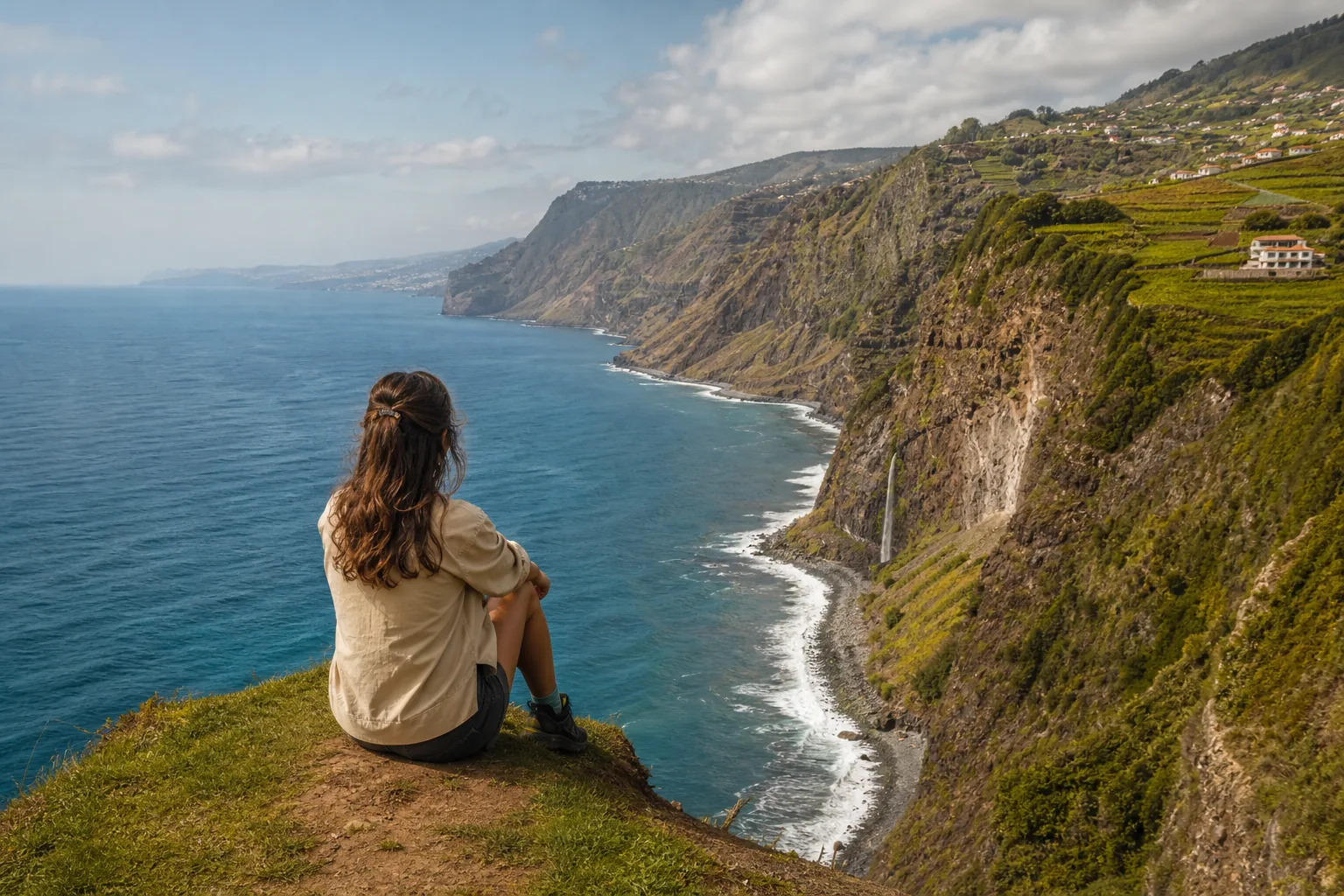
If you’ve ever found yourself staring at a map of the Atlantic, watching two clusters of volcanic islands float somewhere between Europe and the open ocean, you’ve probably wondered: Azores vs Madeira — which one actually deserves your time, your budget, and your limited annual leave? Both belong to Portugal. Both are jaw-droppingly beautiful. And both will ruin you for ordinary holidays. But they are not the same place, and choosing between them matters more than most travel guides will admit.
Two Archipelagos, Two Completely Different Moods
Start with the basics. The Azores are a scattered chain of nine islands sitting roughly in the middle of the North Atlantic — raw, green, and genuinely remote. The Madeira archipelago sits closer to the African coast and feels, in comparison, more polished and more connected to the wider world. That geographic difference shapes everything: the tourism infrastructure, the prices, the vibe on the street, and the kind of traveler you’ll meet.
Madeira’s main island has been drawing visitors for decades. Its capital, Funchal, has a real city energy — cable cars, mosaic pavements, a buzzing waterfront. The Azores, especially the smaller islands like Flores or Corvo, feel like places that tourism hasn’t quite caught up with yet. That’s not a criticism of either. It’s just the truth. And depending on what you’re after, one of those realities will appeal to you far more than the other.
Verified by multiple travel sources: the Azores are the stronger pick for travelers who want whale watching, crater lakes, geothermal landscapes, and the experience of hopping between distinct islands, each with its own personality. Madeira, on the other hand, wins for structured hiking, lush gardens, dramatic mountain scenery, and the simplicity of basing yourself in one place and radiating outward from there.
What Hiking Actually Looks Like on Each Island
Let’s talk trails, because both destinations are serious hiking territory — just in very different ways.
In Madeira, the hiking infrastructure is exceptional. The island is famous for its levadas — centuries-old irrigation channels that double as walking paths, cutting horizontally across the island’s steep terrain and threading through laurel forests that are genuinely ancient. You can walk for hours following a levada, the water running quietly beside you, the canopy closing overhead, and barely gain a metre of elevation. It’s meditative, accessible, and genuinely unlike anything else in Europe. The island also has high peaks — Pico Ruivo tops out above 1,800 metres — and ridge walks with views that stretch in every direction on a clear day. All of this is reachable from a single base.
The Azores offer something rawer. São Miguel, the largest island, has the famous calderas — vast volcanic craters filled with impossibly green and blue lakes. Hiking the rim of Sete Cidades or descending into the Furnas valley feels like walking into a geography textbook that somehow became real. But the hiking experience varies wildly between islands, and reaching the best trails often requires ferries or inter-island flights. That’s part of the charm — and part of the logistical challenge.
→ Read also: Portuguese Islands for First-Time Visitors: Madeira vs. Azores—Which Archipelago Should You Choose?
If you want density — more walks, more variety, all from one base — Madeira wins. If you want solitude, the feeling of being genuinely off the beaten path, and volcanic drama on a scale that feels almost prehistoric, the Azores win.
Climate, Weather, and When to Actually Go
Neither destination has a classic Mediterranean summer-winter split, which surprises a lot of first-time visitors. Both archipelagos sit in the Atlantic and are shaped by ocean currents, which means mild temperatures year-round — but also unpredictable cloud cover, sudden rain, and microclimates that can shift dramatically within a single island.
Madeira tends to be slightly warmer and drier on its southern coast, particularly around Funchal, while the north and the high peaks can be misty and wet even in July. This is actually what keeps the island so green. Spring — roughly from March through May — is widely considered a strong time to visit, when the island’s flowers are at their most vivid and the hiking conditions are excellent. That said, Madeira is genuinely a year-round destination, and winter visitors often find mild temperatures and smaller crowds.
The Azores are more famously unpredictable. The local saying goes that you can experience all four seasons in a single day — and it’s not really an exaggeration. Summer months tend to bring the most stable weather, but even then, the islands can cloud over quickly. The upside of this volatility is that when the sun breaks through over a crater lake or a coastal cliff, the light is extraordinary. Late spring through early autumn is generally the most reliable window, but shoulder-season travel in April or October can be genuinely rewarding, especially for whale watching, which follows migration patterns rather than tourist calendars.
A Suggested Seven Days in the Azores
Seven days in the Azores works best if you anchor yourself on São Miguel and treat it as your home base, with the option of a day trip or overnight to another island if time and budget allow.
- Day 1–2: Arrive in Ponta Delgada. Explore the city’s black-and-white basalt architecture, visit the thermal pools at Terra Nostra in Furnas, and taste cozido das Furnas — a slow-cooked stew prepared underground using geothermal heat. It’s one of the most genuinely unusual meals you’ll have anywhere.
- Day 3: Sete Cidades. Wake up early and drive to the western end of the island to hike the rim of the Sete Cidades caldera. The twin lakes — one green, one blue — are the image most people associate with the Azores, and seeing them in person doesn’t disappoint.
- Day 4: Whale watching. São Miguel is one of the best places in the world to see cetaceans in the wild. Book a morning trip with a local operator. Sperm whales are resident year-round; other species pass through seasonally.
- Day 5: Faial or Pico day trip. If you can manage the short flight, a day on Pico — dominated by Portugal’s highest mountain — or Faial, with its striking caldera and sailing culture, adds a completely different dimension to the trip.
- Day 6: Northeast coast of São Miguel. Drive the coastal road, stop at the tea plantations (the only ones in Europe), and swim in the natural rock pools at Ponta da Ferraria, where geothermal water meets the Atlantic.
- Day 7: Slow morning, afternoon flight. Grab fresh pastries, walk the harbour, and leave with your camera full and your mind slightly recalibrated.
A Suggested Seven Days in Madeira
Madeira rewards a slower pace. Seven days is enough to explore the island properly without rushing, and you can do it all from a single base in or near Funchal.
- Day 1: Arrive and explore Funchal. Walk the Mercado dos Lavradores — the covered market where local farmers and fishers sell everything from exotic fruit to espada (black scabbardfish). Take the cable car up to Monte and toboggan back down in one of the famous wicker sleds.
- Day 2: Levada walk. Choose one of the classic levada routes — the walk to Caldeirao Verde or the Levada do Rei through the laurisilva forest are both outstanding. Pack a lunch and take your time.
- Day 3: Pico Ruivo summit. Start early from Achada do Teixeira and hike to the island’s highest point. On a clear morning, the views over the central massif and down to the coast are extraordinary.
- Day 4: Porto Moniz and the northwest. Drive the dramatic coastal road to Porto Moniz, where natural lava pools sit right at the edge of the Atlantic. Stop at São Vicente to explore the volcanic caves.
- Day 5: East coast and Ponta de São Lourenço. The island’s eastern tip is a completely different landscape — dry, rugged, and almost desert-like. The walk along the peninsula is one of Madeira’s most dramatic short hikes.
- Day 6: Food, wine, and Funchal’s streets. Spend a morning at a cooking class or a tasting session of poncha (the local sugarcane spirit) and Madeira wine. Wander the Old Town’s painted-door streets in the afternoon.
- Day 7: Santana and the north coast. Visit the traditional palheiros — the thatched A-frame houses that have become a symbol of the island — and explore the quieter, greener north before your departure.
Food, Culture, and What You’ll Actually Eat
Both destinations take food seriously, in the way that Portuguese culture generally does — simply, seasonally, and without pretension.
→ Read also: Beyond the Beach: 7-Day Itineraries for Madeira and the Azores (2026)
In Madeira, the standout dishes are espetada (beef skewered on bay laurel sticks and grilled over open flame), bolo do caco (a soft flatbread made with sweet potato, served with garlic butter), and the already-mentioned espada, which is served in ways that range from classic to surprisingly creative. The local Madeira wine — fortified, complex, and produced in styles from dry to sweet — is one of the world’s great wine traditions. Pair it with local cheese and you have an effortless afternoon sorted.
In the Azores, dairy is king. The islands produce some of the finest butter and cheese in Portugal, and you’ll taste the difference immediately. Alcatra — a slow-braised beef stew from the island of Terceira — is worth seeking out. The geothermal cozido das Furnas is a must. And fresh fish, grilled simply with local herbs and olive oil, is on almost every menu and almost always excellent.
Where to Stay on a Young Traveler’s Budget
Neither destination is as cheap as Southeast Asia, but both are manageable. The Azores, as multiple travelers have noted, tend to feel less touristy and more affordable than Madeira — especially on the smaller islands, where guesthouses and casas de campo (rural farmhouses converted into simple accommodation) offer genuine character at reasonable prices. In Ponta Delgada, you’ll find a growing number of boutique hostels and shared accommodation options that cater specifically to younger travelers.
In Madeira, Funchal has a wider range of accommodation, from budget guesthouses in the Old Town to design hostels with rooftop terraces. The further you stay from the city centre, the more affordable things get — and renting a small apartment in a village gives you a genuinely local experience. For hikers, staying in the mountains near Curral das Freiras or the central plateau puts you closer to the trails and away from the tourist density of the coast.
Wherever you stay, book ahead during summer and around major local festivals — both destinations fill up faster than you’d expect, and the best budget options go quickly.
Direct Comparison: Which One Is Actually Right for You?
Here’s the honest breakdown, because you deserve a straight answer.
- Choose the Azores if you want solitude, volcanic drama, whale watching, the experience of exploring multiple distinct islands, and a destination that still feels genuinely off the beaten path. You’ll spend a bit less, see fewer tour groups, and come back with stories that most people haven’t heard yet.
- Choose Madeira if you want exceptional hiking from a single base, a more developed infrastructure, a vibrant city experience in Funchal, and dramatic mountain-meets-ocean scenery that’s immediately accessible. It’s also easier to combine with a short city break in Lisbon or Porto, given its flight connections.
- Choose both if you have the time. Seriously. They complement each other so well that doing a two-week trip that covers both is one of the most rewarding things you can do in the Atlantic. Many travelers fly into one, spend a week, and fly home from the other.
You can find detailed official travel information for both destinations through Visit Portugal’s official tourism website, which covers entry requirements, transport links, and regional guides.
Ultimately, the Azores vs Madeira question doesn’t have a wrong answer — it just has a more honest one, depending on who you are as a traveler. Both islands will show you a version of Portugal that most people never see, far out in the Atlantic, where the landscape feels like it’s still figuring itself out. Go to one, and you’ll spend the whole trip quietly planning when you can get back to visit the other. That’s not a problem. That’s exactly the point.
This article was produced with AI assistance and reviewed editorially.


Azores vs Madeira: Which Portuguese Island Adventure Calls to You

From Cancun to Tulum: Your Guide to Mexico’s Caribbean Coast and Why Isla Mujeres Should Be Your Next Day Trip


