
LATAM
Hike Central America’s Most Iconic Volcanoes: Your Guide to Routes, Challenges, and Unforgettable Views
Explore volcano hikes across Central America with practical guides to Guatemala, Costa Rica, Nicaragua and El Salvador. Learn difficulty ratings, best seasons, and what t

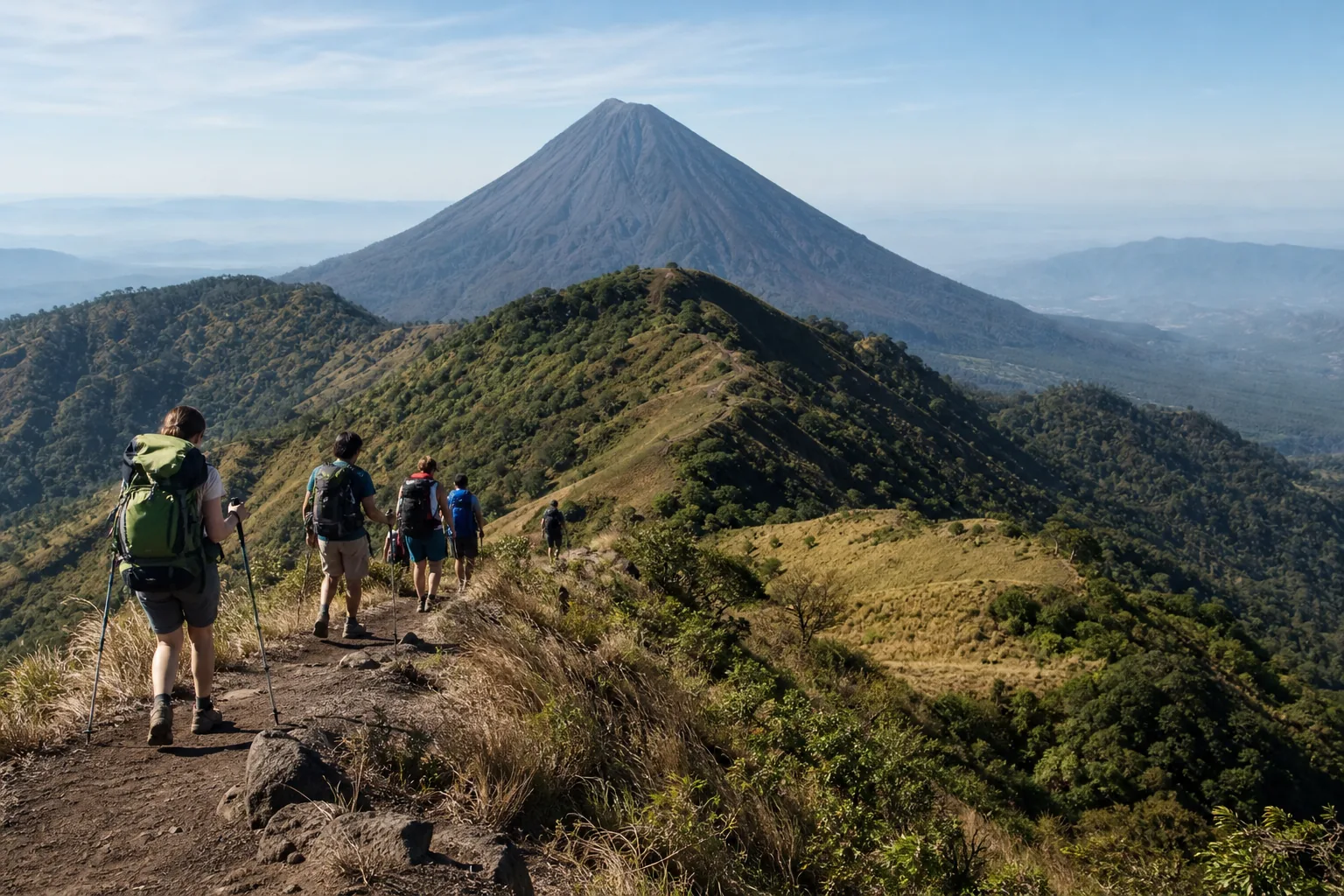
Central America is one of those rare corners of the world where you can wake up at 3am, strap on a headlamp, and be standing on the rim of an active volcano by sunrise. Volcano hikes in Central America range from family-friendly walks to gruelling all-day climbs that will genuinely test your limits — and the region packs more volcanic energy into a relatively small stretch of land than almost anywhere else on the planet. If you’re the kind of traveler who wants to feel the ground rumble beneath your boots and look down into a crater glowing with real, molten lava, this part of the world is calling your name.
Why Central America Is a Hiker’s Dream for Volcano Adventures
The chain of volcanoes that runs through Guatemala, El Salvador, Nicaragua, and Costa Rica is part of the Pacific Ring of Fire — a geological belt of intense tectonic activity that makes this region one of the most volcanically active on Earth. What that means for you as a traveler is simple: you don’t have to travel far between volcanic experiences, and you can combine a serious summit with colonial towns, cloud forests, and Caribbean coastlines all in a single trip.
The diversity here is remarkable. Some volcanoes are gentle enough for a casual afternoon walk with minimal gear. Others demand early starts, physical fitness, and ideally a local guide who knows the terrain intimately. Understanding that range — and knowing which volcano suits your experience level — is the key to having an adventure that feels thrilling rather than overwhelming.
What also makes this region special is the cultural layer wrapped around every hike. These volcanoes aren’t just geological landmarks — they’re woven into the identity of the communities that live alongside them. Hiking here isn’t just a physical experience. It’s a way to connect with landscapes that have shaped civilisations for thousands of years.
Guatemala: Volcanic Powerhouse of the Region
Guatemala is arguably the heartbeat of volcano hiking in Central America. With 37 volcanoes scattered across the country, it offers more variety than anywhere else in the region. Whether you’re a first-timer or a seasoned hiker, Guatemala has something that will push you in exactly the right direction.
Acatenango and Fuego: The Classic Overnight Experience
If you ask any experienced traveler which volcano hike in Central America left the biggest impression on them, there’s a good chance they’ll say Acatenango. The standard route involves hiking through pine forests and cloud cover to reach a high-altitude campsite, then waking before dawn to watch Fuego Volcano — one of the most active volcanoes in Central America — erupt in real time across the valley. Lava flows, ash clouds, and the deep rumble of an erupting mountain in the pre-dawn darkness: it’s the kind of moment that makes you feel very small and very alive at the same time.
Acatenango is a demanding hike. Expect steep terrain, high altitude, and cold nights at camp. The thin air will slow you down more than you expect. Going with a guided group is strongly recommended, both for safety and for the logistical support of having gear carried and meals prepared at camp. The nearby town of Antigua is the natural base for this hike, and it’s a beautiful colonial city worth spending a few extra days in before or after your climb.
Tajumulco: The Highest Point in Central America
Tajumulco holds the title of the highest peak in Central America — a fact that makes it a genuine bucket-list summit for serious hikers. It’s typically a two-day climb, with a campsite along the route. The summit rewards you with sweeping views across Guatemala and into Mexico on a clear day. The hike is challenging due to altitude rather than technical difficulty, so solid fitness and acclimatisation time are your best preparation tools.
Pacaya: Accessible and Genuinely Dramatic
Pacaya is often recommended as one of the more accessible volcano hikes in Central America, making it a popular choice for travelers who want a real volcanic experience without the extreme commitment of Acatenango. The trail winds through lava fields and, depending on current activity, you may be able to get surprisingly close to active lava flows. It’s a hike that punches well above its difficulty level in terms of raw spectacle.
Nicaragua: Raw Energy and Volcanic Personality
Nicaragua’s volcanic landscape has a wilder, less polished feel than Guatemala’s — and that’s a big part of its appeal. The country’s volcanoes are dramatic, accessible, and often surprisingly affordable to visit.
Cerro Negro: Where You Hike Up and Board Down
Cerro Negro is one of the youngest volcanoes in the Western Hemisphere, and it’s famous for something you won’t find on many other mountains: volcano boarding. You hike up the black cinder cone — a relatively short but steep climb — and then slide back down on a wooden board at serious speed. It sounds absurd. It absolutely is. And it’s one of the most fun things you can do on any volcano on the planet.
→ Read also: Backpacking Central America & Cuba: Routes, Costs & Where Young Travelers Actually Stay
Cerro Negro is beginner-friendly in terms of hiking difficulty, which makes it a great entry point if you’re new to volcano hiking in Central America. The nearby city of León is a vibrant university town with a strong arts scene, cheap food, and a genuinely welcoming local community — the kind of place that makes you want to stay longer than planned.
Concepción: For the Serious Hiker Only
If Cerro Negro is the fun, accessible option, Concepción Volcano on Isla de Ometepe is its demanding counterpart. Concepción is considered one of the toughest volcano climbs in the world, with estimates ranging from around eight to ten hours of technical climbing to reach the summit. The terrain is steep, the weather unpredictable, and the upper sections can involve navigating through dense vegetation and loose volcanic rock.
This is not a hike to attempt without proper preparation, solid fitness, and a reliable guide. But for those who make it to the top, the reward is extraordinary: standing on the summit of a near-perfect volcanic cone rising from a lake island, with views stretching across Lake Nicaragua in every direction. Ometepe itself — the island formed by two volcanoes — is one of the most visually striking places in all of Central America, and worth visiting even if you don’t attempt the summit.
Costa Rica: Volcanoes with a Side of Biodiversity
Costa Rica approaches its volcanoes differently from the rest of the region. Many of the major volcanic peaks are protected within national parks, which means well-maintained trails, ranger stations, and strict visitor regulations. It’s a more structured experience — but the surrounding ecosystems make it uniquely rewarding.
Rincón de la Vieja: Mud Pots, Hot Springs, and Jungle
Volcán Rincón de la Vieja sits in the northwest of Costa Rica and offers one of the most varied volcanic landscapes you’ll encounter anywhere. The hike to the active crater takes you through tropical dry forest, past bubbling mud pots and fumaroles, and across terrain that feels genuinely otherworldly. The surrounding national park is rich in wildlife — keep an eye out for coatis, howler monkeys, and toucans on the trail.
After the hike, the area around Rincón de la Vieja is packed with natural hot springs, making it easy to reward tired muscles with a long soak in geothermally heated water. It’s a combination that’s hard to beat.
Poás: Crater Lake and Cloud Forest
Poás Volcano offers one of the most dramatic crater views in the region — a vast turquoise acid lake sitting inside an active caldera, surrounded by cloud forest. Access is regulated through the national park system, and visitor numbers are managed to protect the ecosystem. The main crater viewpoint can be reached via a short, paved trail, making it one of the more accessible volcano experiences in Costa Rica.
That said, Poás is an active volcano, and access is periodically restricted based on current volcanic activity. Always check the status before planning your visit — and treat any closures as a reminder that these are living geological systems, not theme park attractions.
El Salvador: The Underrated Volcanic Destination
El Salvador doesn’t always make it onto the Central America itinerary of first-time visitors, and that’s a genuine shame. The country is compact, easy to navigate, and home to some excellent volcano hiking that sees far fewer crowds than comparable destinations in Guatemala or Costa Rica.
Santa Ana: A Multi-Crater Spectacle
Santa Ana Volcano (also known as Ilamatepec) is El Salvador’s highest volcano and offers one of the most rewarding hikes in the country. The trail climbs through coffee plantations and cloud forest before emerging at a summit with a stunning view of multiple nested craters — including a vivid green crater lake. On a clear day, you can see across much of El Salvador and into neighbouring countries.
Santa Ana is typically hiked with a guided group, and departures are often organised from the nearby town of Santa Ana city or from El Congo. The hike is moderately challenging — suitable for reasonably fit travelers who are comfortable with a few hours of uphill walking on uneven terrain.
→ Read also: Santa Ana, El Salvador: Volcanoes, Coffee Plantations & Colonial Culture Beyond San Salvador
Like Poás in Costa Rica, access to Santa Ana can be restricted based on volcanic activity, so flexibility in your schedule is useful. Build in an extra day or two in case conditions aren’t right on your planned date.
Planning Your Volcano Hikes: Practical Things to Know
Guided vs. Independent Hiking
The question of whether to hike with a guide or go independently depends on the specific volcano and your experience level. For technically demanding climbs like Concepción or high-altitude routes like Tajumulco, a local guide isn’t just recommended — it’s genuinely important for safety. Guides know the routes intimately, understand how conditions change throughout the day, and can respond effectively if something goes wrong.
For more accessible volcanoes like Cerro Negro or Pacaya, independent hiking is more feasible, though joining a small group tour is often the most practical and social option. Tour operators in nearby towns typically offer well-organised day trips at reasonable prices, and the group dynamic can make the experience more enjoyable — especially if you’re traveling solo.
What to Pack
Regardless of the specific volcano, a few essentials apply across the board. Layers are crucial — temperatures at altitude can drop dramatically even in tropical climates, and early morning starts mean you’ll begin hiking in the cold. A solid pair of hiking boots with ankle support will make a significant difference on loose volcanic rock and uneven terrain. Bring more water than you think you need, high-energy snacks, sunscreen, and a headlamp if you’re starting before dawn.
For overnight hikes like Acatenango, a warm sleeping bag and a windproof jacket are non-negotiable. The temperature at high-altitude campsites can drop well below what you’d expect in a tropical country.
When to Go
Central America broadly divides into a dry season (roughly November through April) and a wet season (May through October), though this varies by country and elevation. Dry season is generally the most reliable time for volcano hikes — clearer skies mean better summit views, and trails are less likely to be dangerously muddy. That said, hiking during the wet season is entirely possible and often means fewer crowds and lush, green landscapes. Just be prepared for afternoon rain and check conditions locally before setting out.
For the most up-to-date information on volcano access, activity levels, and trail conditions, Lonely Planet’s guide to volcano adventures in Central America is a solid starting point alongside local park authority websites.
Respecting the Landscape
These volcanoes are active geological systems and, in many cases, sacred landscapes for local communities. Stay on marked trails, follow park regulations, and take all your rubbish back down with you. If access is restricted due to volcanic activity, respect the closure — it exists for your safety and for the protection of the ecosystem.
Combining Volcano Hikes with Cultural Exploration
One of the best things about volcano hiking in Central America is how naturally it integrates with broader cultural experiences. The towns near these volcanoes are often among the most interesting in their respective countries. Antigua in Guatemala is a UNESCO World Heritage site with cobblestone streets, baroque churches, and a thriving food scene. León in Nicaragua is a city of murals, revolutionary history, and creative energy. The towns around Costa Rica’s volcanic national parks are gateways to cloud forest reserves, zip-lining, and some of the most biodiverse landscapes on the planet.
Don’t treat the hike as the only thing on your itinerary. Spend a day or two in the base town before and after. Eat where the locals eat. Visit the market. Talk to your guide about what life is like living in the shadow of an active volcano. Those conversations will stay with you just as long as the view from the summit.
Whether you’re chasing the sight of lava lighting up the night sky above Fuego, testing your endurance on the brutal slopes of Concepción, or sliding down a black cinder cone on a wooden board in Nicaragua, volcano hikes in Central America deliver something that’s genuinely hard to find anywhere else — the feeling that the Earth is alive beneath you, and that you’re lucky enough to be standing on it.
This article was produced with AI assistance and reviewed editorially.


Hike Central America’s Most Iconic Volcanoes: Your Guide to Routes, Challenges, and Unforgettable Views

Vietnam Isn’t What You Think It Is—Here’s What Actually Matters


