
Asia
Explore Sri Lanka and the Philippines Without Breaking the Bank
Stretch your money across Southeast Asia with real-world tips for Sri Lanka and a 7-location Philippines itinerary. Travel on a shoestring without sacrificing authentic e

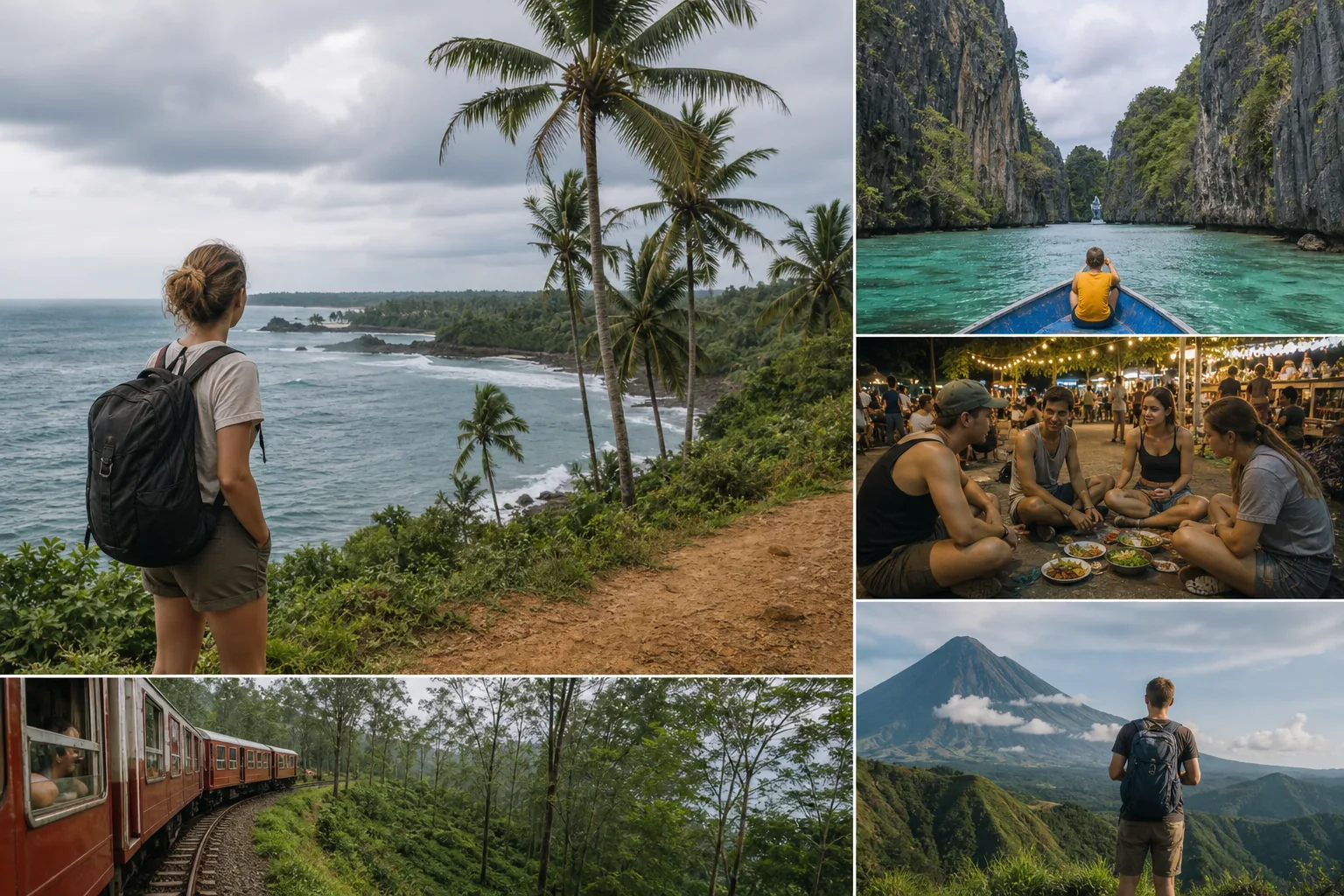
If you’ve ever dreamed of stretching your money across weeks of island-hopping, temple-exploring, and street-food-eating without draining your bank account, then budget travel in Southeast Asia is probably already on your radar. The region has earned its reputation as the spiritual home of backpacking for good reason — your money genuinely goes further here than almost anywhere else on the planet, and the experiences waiting for you are the kind you’ll still be talking about years from now. Whether you’re eyeing the tear-drop island of Sri Lanka or the archipelago magic of the Philippines, this guide is here to help you plan smart, spend less, and live more.
Why Southeast Asia Still Wins for Budget Backpackers
There’s a reason young travelers keep coming back to this corner of the world. Southeast Asia is famous for being the spiritual home of backpacking, and that identity didn’t emerge by accident. The infrastructure built around budget travel here is genuinely impressive — a dense network of hostels, guesthouses, local buses, overnight ferries, and street food stalls that make it possible to move through multiple countries without ever feeling like you’re roughing it beyond your comfort zone.
The core appeal is simple: your money spent while traveling in Southeast Asia on a shoestring budget goes further than in most other regions of the world. That means a single day’s budget in Western Europe might cover a week of meaningful adventures here. You’re not sacrificing quality of experience — you’re redirecting your spending from overpriced hotel lobbies and tourist traps into real moments. A sunrise hike, a motorbike ride through rice paddies, a bowl of noodles that cost less than a coffee back home but tastes like it was made by someone who’s been perfecting the recipe their whole life.
The key is knowing which destinations to prioritize, when to go, and how to move around without hemorrhaging cash on convenience. Let’s break it down.
Sri Lanka: One of the Most Underrated Budget Destinations on the Planet
Sri Lanka is one of the cheapest countries in the world to visit, and it’s fast becoming one of the most talked-about destinations for budget backpacking. For a long time, it flew under the radar compared to its Southeast Asian neighbors, but that’s changing. Travelers who make the trip consistently describe it as one of the most rewarding journeys they’ve taken — and the fact that you can realistically visit for a full month for under $500 makes it almost impossible to ignore.
Think about what a month in Sri Lanka actually looks like. You could spend your first week exploring the Cultural Triangle — ancient cities, cave temples, and a rock fortress rising dramatically out of the jungle. Then head south to the coast, where long stretches of golden beach meet warm water and a laid-back surf culture. From there, venture into the hill country, where mist-covered tea plantations roll across the landscape and train journeys offer some of the most scenic views you’ll find anywhere in Asia. All of this, within a single month, on a genuinely accessible budget.
Making the Most of Sri Lanka’s Seasons
Sri Lanka’s weather operates on a dual-monsoon system, which means the best conditions vary depending on which part of the island you’re in. The southwest coast and hill country tend to be drier and more accessible between roughly December and March, while the east coast comes into its own between May and September. Understanding this pattern is genuinely useful, because it means there’s almost always a good part of Sri Lanka to visit regardless of when you go — you just need to plan your route around it.
Traveling in the shoulder seasons can actually work in your favor. Accommodation prices tend to drop, crowds thin out, and you get a more authentic feel for local life. If you’re flexible with your timing, this is one of those destinations where being spontaneous genuinely pays off. Keep an eye on regional weather forecasts as your trip approaches and stay ready to adjust your itinerary — that kind of adaptability is one of the most valuable skills a budget traveler can develop.
Where to Stay and What to Eat
Guesthouses are your best friends in Sri Lanka. Family-run spots are everywhere, often tucked down quiet side streets away from the main tourist drag, and they offer a warmth and authenticity that no chain hotel can replicate. Dorm beds in well-located hostels keep costs minimal, and many guesthouses include a simple breakfast that’ll fuel a full morning of exploring.
→ Read also: Southeast Asia on a Shoestring: Where to Go, When to Go, and Why You Should Leave Tomorrow
Food is where Sri Lanka really shines for budget travelers. Rice and curry — the national staple — is served at small local restaurants called hotels (don’t let the name confuse you) for prices that feel almost unreal. A full plate piled with fragrant rice, several curries, dhal, and coconut sambol can cost the equivalent of pocket change. Street food like kottu roti, a noisy, satisfying dish of chopped flatbread stir-fried with vegetables and spices, is both delicious and incredibly cheap. Eating like a local isn’t just the budget choice — it’s genuinely the best choice.
The Philippines: Island-Hopping on a Shoestring
If Sri Lanka is the quiet overachiever of budget travel, the Philippines is the one that arrives at the party with energy to spare. An archipelago of over seven thousand islands, it offers an almost overwhelming variety of landscapes, cultures, and experiences — and it’s entirely possible to explore a meaningful slice of it without spending a fortune.
The concept of an extended island-hopping itinerary through the Philippines is well-established among backpackers, and for good reason. Moving between islands by ferry and budget flights creates a natural rhythm to a trip — a few days here, a week there, always something new on the horizon. G Adventures, for example, offers an Islands of the Philippines on a Shoestring trip specifically designed for young, budget-minded travelers, which gives you a sense of how well-suited this destination is to the backpacking mindset.
Building Your Philippines Route
A month in the Philippines gives you enough time to genuinely experience several distinct regions rather than just passing through. Most travelers start in Manila — it’s chaotic and overwhelming at first, but give it a day or two and you’ll find its rhythm. The street food scene is vibrant, the history is layered and fascinating, and it’s the gateway to everything else.
From Manila, the options fan out in every direction. Head north to the rice terraces of Batad — carved into the mountainside over centuries and genuinely one of the most striking things you’ll see anywhere in Asia. Head south toward the Visayas and you’re in island-hopping territory: Cebu as a base, then out to smaller islands where the snorkeling is extraordinary and the pace of life slows to something almost meditative. Palawan is the archipelago’s crown jewel for many travelers — underground rivers, limestone cliffs rising from turquoise water, and beaches that look like they were designed by someone who had access to every beautiful beach on earth and just combined them.
Siargao, in the east, has become a magnet for surfers and slow travelers who arrive for a week and end up staying for a month. The island has a distinct character — relaxed, creative, community-driven — and it’s still accessible enough that budget accommodation and cheap local food are easy to find. Dumaguete and the surrounding area offer a completely different vibe: a university town with a strong café culture, close to whale shark encounters and dive sites that rank among the best in the region.
The practical reality of moving between islands involves a mix of budget domestic flights, ferries, and local transport. Booking flights in advance when you can saves significant money, but leaving some flexibility in your schedule is equally important — weather and ferry schedules in the Philippines can be unpredictable, and the ability to adapt without stress is part of what makes the journey enjoyable rather than stressful.
Bali and Lombok: Two Islands, Two Very Different Budget Experiences
No conversation about budget travel in Southeast Asia is complete without touching on Indonesia, and specifically the contrast between Bali and Lombok. These two islands sit side by side geographically but occupy very different spaces in the backpacker imagination.
Bali is famous, and that fame has a cost. It remains genuinely beautiful and culturally rich, and there are still ways to experience it on a tight budget — staying in the quieter north or east of the island, eating at warungs (local family-run eateries), and avoiding the heavily developed southern strip where prices have crept up considerably. But you need to be intentional about it. Bali rewards the traveler who does their research and resists the pull of the Instagram-friendly spots that have been priced accordingly.
→ Read also: Southeast Asia on a Shoestring: Budget Travel Guide to Border Crossings & Regional Itineraries
Lombok, by contrast, offers much of what draws people to Bali — volcanic landscapes, beautiful beaches, strong local culture — with a fraction of the crowds and, generally, lower prices across accommodation, food, and activities. The Gili Islands, just off Lombok’s northwest coast, have become popular in their own right, but they still feel more relaxed than Bali’s busiest areas. Climbing Mount Rinjani, one of Indonesia’s highest volcanoes, is a multi-day trek that’s physically demanding and genuinely unforgettable — and it’s achievable on a budget if you organize it locally rather than through international operators.
For budget travelers, Lombok often delivers more value per dollar, particularly if you’ve already spent time in Bali or you’re looking for somewhere that feels a little less like a well-worn path. That said, Bali’s infrastructure for backpackers is so well-developed that it remains a strong choice, especially for first-time visitors to the region.
Practical Budget Principles That Actually Work
The philosophy behind successful budget travel in Southeast Asia isn’t really about deprivation. It’s about making conscious choices that redirect your spending toward experiences rather than overhead. Kristin Addis, a well-known long-term traveler, spent eight continuous months backpacking across Southeast Asia by staying in dorms, taking public transportation, and eating street food — and came away with experiences that no luxury itinerary could have replicated. The point isn’t that dorms are glamorous. The point is that the money you save on accommodation is money you can spend on a cooking class, a boat trip, or an extra week in a place you weren’t expecting to love.
A few principles that consistently make the difference:
- Eat where locals eat. This is the single most reliable way to cut your food budget while also eating better. Street stalls and small local restaurants almost always outperform tourist-oriented places on both price and authenticity.
- Use overnight transport strategically. An overnight bus or ferry saves you a night’s accommodation while covering distance. It’s not always comfortable, but it’s effective and often an adventure in itself.
- Travel slowly. Moving between destinations frequently costs money — transport, booking fees, the inevitable tourist-area prices near transit hubs. Staying somewhere for a week rather than two days almost always brings your daily average cost down.
- Book accommodation locally when possible. Walking into a guesthouse and negotiating a rate, especially outside peak season, often beats online booking platforms. You also get to see the room first.
- Learn a few words of the local language. Even basic greetings go a long way in building genuine connections and occasionally in getting a fairer price at local markets.
- Carry a reusable water bottle with a filter. Buying bottled water every day adds up and creates unnecessary plastic waste. A filtered bottle pays for itself quickly.
For a deeper dive into long-term budget backpacking strategies across Southeast Asia, there’s a wealth of first-hand experience available from travelers who’ve done it for months at a time — their insights on managing money, staying safe, and finding the best experiences on a tight budget are genuinely worth reading before you go.
When to Go and How to Plan Your Route
Southeast Asia’s geography means that the ideal travel window varies by country and even by region within a country. Rather than chasing a single “best time to visit,” experienced budget travelers learn to follow the good weather around the region — starting in one country during its dry season, then moving to another as conditions shift.
As a general principle, the period between roughly November and April tends to offer the most reliable conditions across much of mainland Southeast Asia and the western coasts of island destinations. The summer months bring monsoon rains to many areas, but also lower prices, fewer crowds, and a rawer, more local atmosphere. Traveling during these periods isn’t a compromise — it’s a different kind of experience, and often a richer one.
Planning a route that moves logically between destinations saves money on transport and makes the journey feel coherent rather than scattered. Sri Lanka works well as either a standalone destination or as part of a broader South and Southeast Asia trip — its affordability and depth of experience make it worth dedicating real time to rather than treating as a quick stopover. The Philippines rewards a similar approach: pick a handful of islands and explore them properly rather than trying to tick off as many as possible.
The best routes are the ones that leave room for the unexpected — the recommendation from someone you meet at a guesthouse, the festival you didn’t know was happening, the beach that wasn’t in any guide but turned out to be the highlight of your trip. Budget travel in Southeast Asia works best when you hold your plans loosely, keep your costs low, and stay genuinely open to wherever the journey takes you. That combination — a solid framework with space for spontaneity — is what turns a trip into a story worth telling.
This article was produced with AI assistance and reviewed editorially.


Island-Hopping in Greece: Skip Santorini and Find Your Own Adventure

Explore Sri Lanka and the Philippines Without Breaking the Bank


