
Spain
Skip the Tourist Traps: Where Barcelona Locals Actually Eat
Discover authentic local cafes in Barcelona beyond tourist traps. From traditional granjas to specialty coffee shops, find where residents actually spend their mornings.

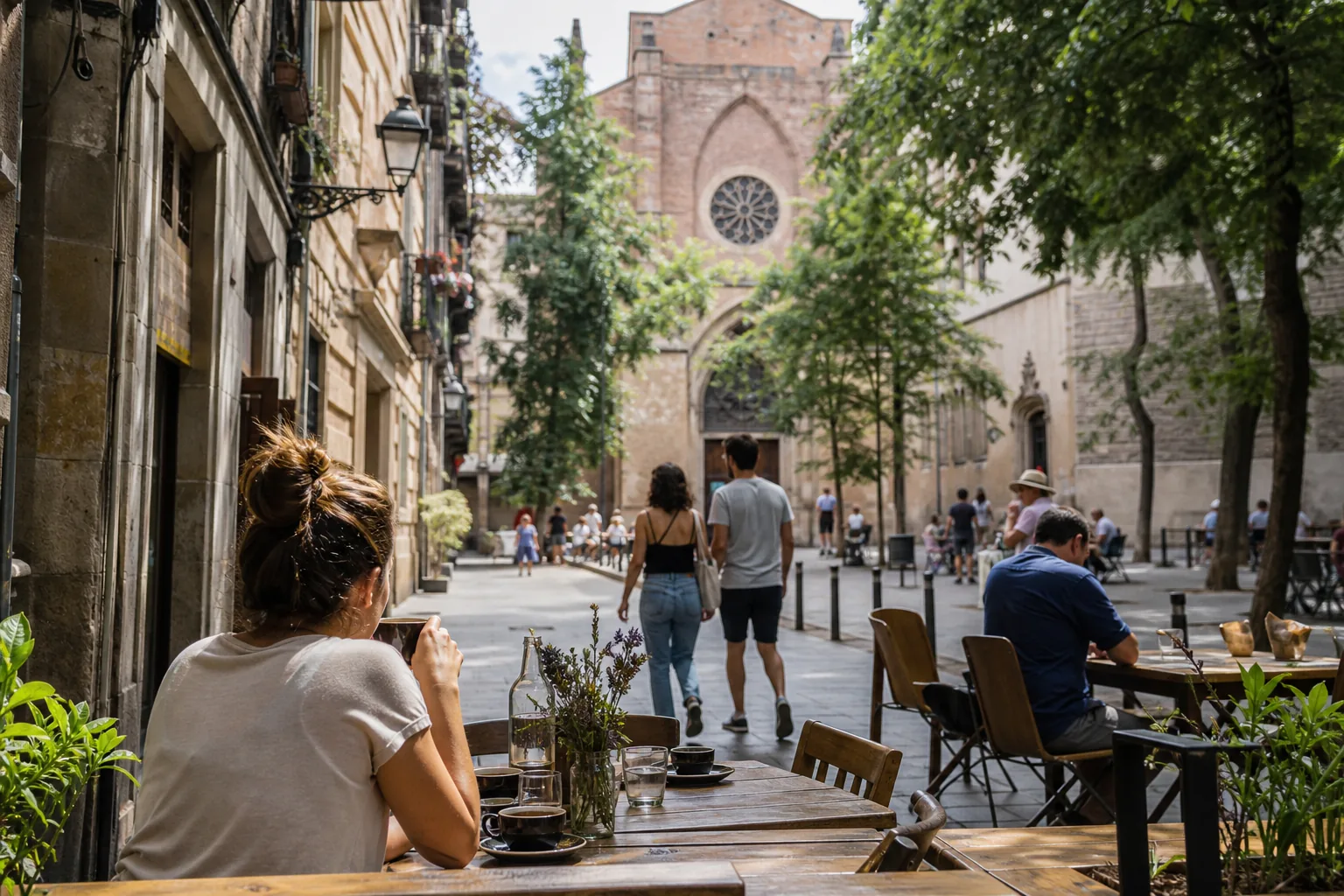
Barcelona has a way of pulling you back. Maybe it’s the light — that particular golden haze that settles over the city in the late afternoon. Maybe it’s the pace: unhurried, sensory, deeply social. But if you’ve spent any real time here, you know the secret isn’t the Sagrada Família or the tourist menus on Las Ramblas. It’s the local cafes of Barcelona — the neighbourhood granjas, the standing-room tapas counters, the tucked-away spots where the same people show up every morning and the barista already knows your order. This guide is your way in.
Why Barcelona’s Café Culture Hits Different
In Barcelona, a café isn’t just a place to grab coffee before rushing somewhere else. It’s a ritual. Locals linger. Conversations stretch. The café amb llet — a strong espresso with warm milk — arrives unhurried, and nobody expects you to leave quickly. That rhythm is something you have to experience to really understand, and it’s one of the first things that surprises visitors who come expecting the fast-paced energy of other major European cities.
The culture here blends Catalan tradition with a genuinely cosmopolitan openness. You’ll find century-old granjas — traditional milk bars that evolved into breakfast institutions — sitting a few streets away from specialty coffee shops run by young roasters who’ve studied their craft in Melbourne or Copenhagen. Both are worth your time. Neither will disappoint.
One important thing to know before you walk in anywhere: timing matters. Barcelonins don’t eat on the same schedule as northern Europeans or North Americans. Breakfast is light and early, lunch is the main meal of the day and happens between 2pm and 4pm, and dinner rarely starts before 9pm. If you show up at a restaurant at 6pm expecting dinner, you might find the kitchen isn’t even open yet. Lean into the local rhythm and the whole experience shifts.
The Classic Spots: Where Tradition Lives
If you want to understand what local cafes in Barcelona are really about, start with the granjas. These are old-school breakfast spots — warm, slightly chaotic, and completely unpretentious. Granja Viader is one of the most beloved. It’s been serving breakfast to locals for generations, and stepping inside feels like stepping into a different era. The hot chocolate is thick, the pastries are simple, and the atmosphere is entirely genuine.
Granja Dulcinea is another classic in the same vein — a neighbourhood staple in the Gothic Quarter area that draws more locals than tourists, despite its central location. Order the xocolata desfeta with melindros (sponge fingers for dipping) and take your time. Granja Petitbo, in the Eixample district, offers a slightly more modern take on the same tradition — it’s bright, welcoming, and popular with families and young professionals alike on weekend mornings.
Then there’s Bar Pinotxo, tucked inside the legendary Mercat de la Boqueria. This is one of those places that locals genuinely love despite its fame — arrive early, squeeze in at the counter, and order whatever the owner recommends. It’s a standing-room, market-energy kind of breakfast that feels completely alive. Go before 10am if you want to catch it at its best.
Modern and Specialty: The New Wave of Local Cafes in Barcelona
Barcelona’s coffee scene has evolved significantly, and the newer generation of cafés reflects a city that’s confident in its own identity while staying curious about the world. Flax & Kale is a great example — it started as a health-focused restaurant but has become a genuine local favourite, particularly among younger residents who want quality ingredients without pretension. The coffee is excellent, the space is beautiful, and it doesn’t feel like it’s performing wellness at you.
Little Fern Cafe brings a different energy — it’s the kind of place that feels like it could exist in Auckland or Portland, but has genuinely put down roots in Barcelona. Specialty brews, good food, and a crowd that’s a mix of locals, expats, and the occasional traveller who’s done their research. It’s the kind of discovery that makes you feel like you’re actually getting the city right.
What both of these spots share with the classic granjas is a sense of community. The regulars know each other. The staff remember faces. That’s the real marker of a local café, wherever you are in the world — and Barcelona has it in abundance.
→ Read also: Barcelona's Best Cafes & Cocktail Bars: A Local's 2026 Guide to Living Like a Catalan
Hidden Gems: The Bars and Spots Locals Actually Frequent
Beyond breakfast, Barcelona’s neighbourhood bar culture is where the city really opens up. These aren’t cocktail bars with velvet ropes — they’re lived-in, unpretentious, and often serving food that costs a fraction of what you’d pay anywhere near the waterfront.
La Tasqueta de Blai is a perfect entry point. Located on Carrer de Blai in the Poble Sec neighbourhood — a street famous for its pintxos bars — it’s the kind of place where you grab a plate, point at what looks good, and eat standing up. The prices are genuinely low, the food is genuinely good, and the crowd is genuinely local. Poble Sec itself is worth an afternoon of wandering: it sits at the foot of Montjuïc, has a strong neighbourhood identity, and hasn’t been swallowed by tourism the way parts of the Gothic Quarter have.
El Vaso de Oro is another local institution, this one in the Barceloneta neighbourhood — though positioned away from the beach-tourist strip. It’s narrow, always busy, and serves some of the best cerveza de barril (draught beer) in the city alongside excellent tapas. Go at lunchtime on a weekday and you’ll be surrounded by locals who’ve been coming here for years.
Bar Fanny and Bar Calders are both the kind of neighbourhood bars that define what makes Barcelona’s residential areas so liveable. Bar Calders, in the Sant Antoni neighbourhood, has a terrace that fills up on warm evenings with people who live nearby — it’s unhurried, social, and exactly the kind of place you’d want as your local if you lived here. Brugarol and Salts Bar follow a similar pattern: small, characterful, embedded in their communities, and completely off the tourist radar.
For something a little different, Juice Dudes offers a lighter option — fresh juices and healthy bites in a relaxed setting that’s popular with locals looking for something quick and nourishing. It’s the kind of place you’d return to every day if you were staying in the city for a week.
Tapas Worth Seeking Out
No guide to eating like a local in Barcelona would be complete without talking about tapas — and specifically, about finding the places that locals actually choose over the tourist-facing options. Pepita has earned a reputation as one of the best tapas bars in the city, and it’s the kind of spot that rewards the effort of finding it. The food is creative without being fussy, the portions are generous, and the atmosphere is warm and genuinely welcoming.
The concept of a casa de comidas — a traditional Spanish home-style eating house — is also worth understanding if you want to eat well and spend less. These are simple, unpretentious restaurants that serve a rotating menu of home-cooked dishes, often at very reasonable prices. They’re not flashy, they don’t always have menus in English, and that’s exactly the point. Look for handwritten signs, paper tablecloths, and a room full of people who clearly come back regularly.
Neighbourhoods Worth Exploring Beyond the Centre
The best local cafes in Barcelona aren’t concentrated in one area — they’re spread across neighbourhoods that each have their own character. Getting beyond the Gothic Quarter and El Born (both wonderful, but well-trodden) will change your experience of the city entirely.
Gràcia is the neighbourhood that consistently surprises first-time visitors. It has the feel of a village within the city — small squares, independent shops, and a café on what feels like every corner. The residents here are fiercely proud of their neighbourhood’s identity, and the local café scene reflects that. You’ll find everything from traditional granjas to specialty coffee shops to neighbourhood bars that have been serving the same crowd for decades.
Poblenou has undergone a significant transformation in recent years, evolving from an industrial district into one of the city’s most creative neighbourhoods. It’s where a lot of young Barcelonins and international residents have put down roots, and the café and restaurant scene reflects that energy — innovative, quality-focused, and refreshingly unpretentious.
→ Read also: Barcelona Like a Local: 12 Cafes Where Locals Actually Spend Their Time (2026 Guide)
Sant Antoni, centred around the beautifully restored Mercat de Sant Antoni, has become one of the most vibrant neighbourhood hubs in the city. The market itself is worth a visit on a Sunday for the book and vintage market, but the surrounding streets — lined with terraces, coffee shops, and neighbourhood bars — are where you really want to spend your time.
- Gràcia — village energy, independent spirit, excellent café density
- Poble Sec — pintxos culture, Montjuïc access, genuinely local feel
- Poblenou — creative, evolving, great for specialty coffee and modern dining
- Sant Antoni — market culture, terrace life, strong neighbourhood identity
- El Raval — diverse, gritty in the best way, home to some of the city’s most interesting spots
Practical Tips for Eating and Drinking Like a Barcelonin
A few things will make your experience noticeably better — and will signal to the places you visit that you’re not just passing through.
Learn a few words of Catalan. Barcelona is a Catalan city, and while Spanish is widely spoken, a simple bon dia (good morning) or gràcies (thank you) goes a long way. People notice, and they appreciate it.
Order the menú del día at lunch. This is one of the best-value meals in Europe — a set lunch menu that typically includes a starter, main, dessert, and a drink for a very reasonable fixed price. It’s how locals eat their main meal of the day, and it’s available at most neighbourhood restaurants from Monday to Friday. You’ll eat well and spend far less than you would ordering à la carte.
Don’t rush. This is perhaps the most important tip of all. The local café and restaurant culture in Barcelona is built around taking your time. Nobody will bring you the bill until you ask for it (la cuenta, si us plau). That’s not slow service — that’s respect for your time at the table. Lean into it.
Go where the terrace faces the street, not the tourist attraction. The best spots tend to be on the quieter side streets, not the main drags. If you’re walking and a terrace looks full of locals rather than people with rolling suitcases, that’s usually a good sign.
For more on navigating Barcelona’s neighbourhoods and local culture, Spotted by Locals Barcelona is a genuinely useful resource — it’s curated by people who actually live there, and it’s updated regularly.
Budget-Conscious and Still Eating Well
One of the things that makes Barcelona so accessible for young travellers is that eating well doesn’t have to mean spending a lot. The menú del día is your best friend for lunch. Breakfast at a granja — a coffee and a pastry or toast — costs very little and keeps you going for hours. The pintxos bars on Carrer de Blai let you eat standing up for a few euros per bite, and the quality is consistently high.
Markets are another underrated resource. Mercat de la Boqueria gets a lot of attention (and a lot of tourists), but the Mercat de l’Abaceria in Gràcia or the Mercat de Santa Caterina in El Born offer a more local experience and equally good produce. Grab ingredients, find a park, and have a picnic — it’s one of the most enjoyable and affordable ways to eat in the city.
The key insight, really, is that the tourist-facing options in Barcelona are almost always more expensive and less interesting than what’s available one or two streets away. The city rewards curiosity. Wander, look for handwritten menus, follow the sound of a busy kitchen, and trust your instincts. That’s how you find the places you’ll still be talking about when you get home.
Barcelona is one of those cities that gives back exactly what you put into it. Show up with curiosity, step away from the obvious, and you’ll find a city that’s warm, layered, and endlessly interesting — one coffee, one pintxo, one neighbourhood bar at a time.
This article was produced with AI assistance and reviewed editorially.


Skip the Tourist Traps: Where Barcelona Locals Actually Eat

Egypt in 2026: What’s Actually Different (And What Myths You Can Finally Forget)


