
Mexico
Volunteering in Mexico: Finding Authentic Community Work + Where to Base Yourself
Discover authentic volunteering opportunities in Mexico across teaching, conservation, and community work. Learn how to find legitimate programs and choose the best regio

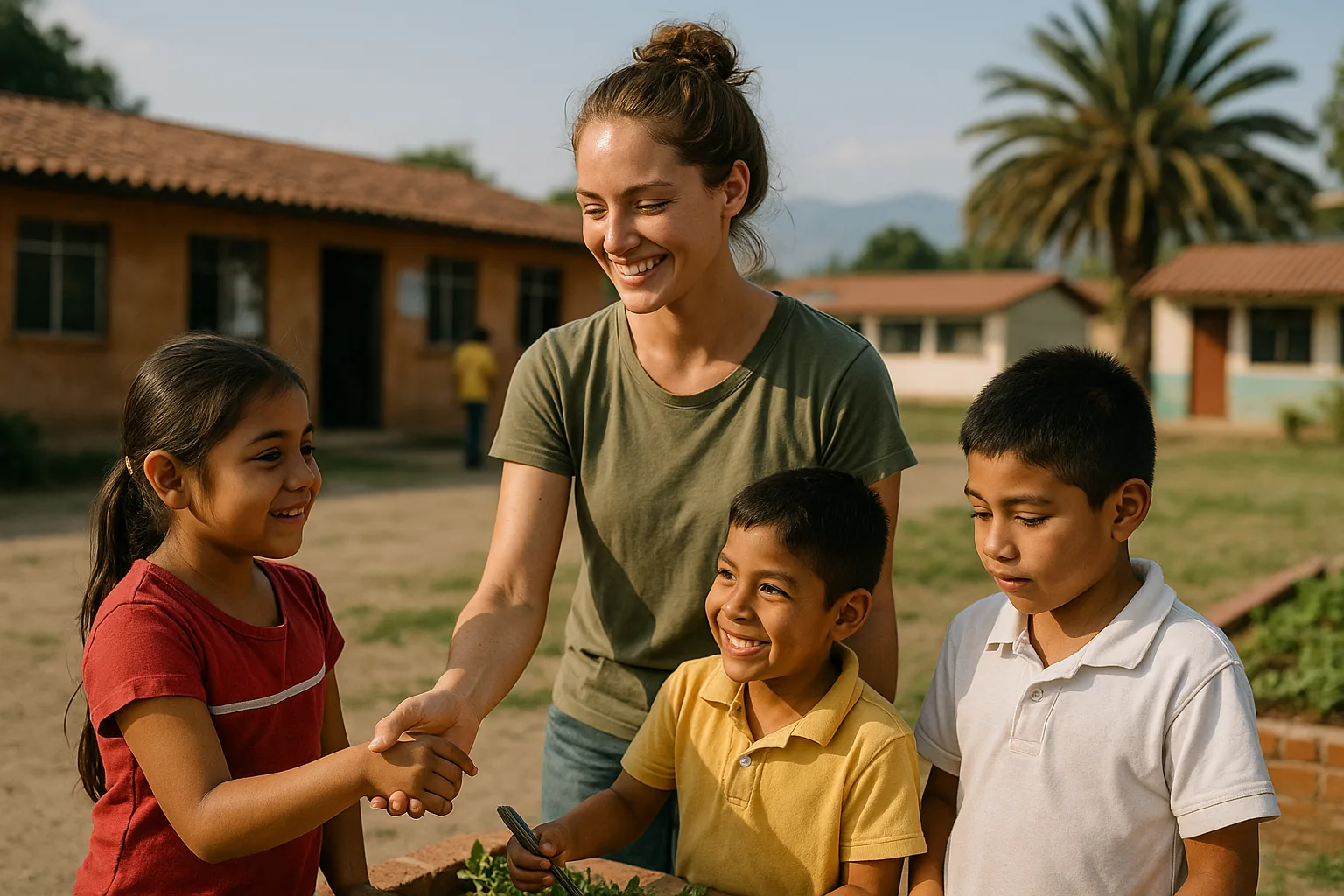
Mexico has a way of pulling you in — past the tourist resorts, past the Instagram-famous ruins, and into the kind of real, unfiltered life that most travelers only glimpse from a bus window. Volunteering in Mexico is one of the most powerful ways to actually step inside that life: to learn a community’s rhythms, contribute something meaningful, and leave with a perspective that no guided tour could ever hand you. Whether you’re on a gap year, taking a career break, or simply ready to travel with purpose, Mexico offers a staggering range of opportunities across environments as diverse as jungle coastlines, highland villages, and sprawling urban neighbourhoods. This guide covers what to expect, where to go, and how to make the most of the experience.
Why Mexico Draws Volunteers from Around the World
Mexico is a country of contrasts. Mexico City is the second-largest city in the world, a pulsing, creative megalopolis where ancient history and cutting-edge culture collide on every block. Yet just hours away, rural communities live with limited access to healthcare, quality education, and basic infrastructure. That gap between abundance and need is exactly where volunteers can make a genuine difference — and where the most meaningful exchanges tend to happen.
The country’s natural world is equally compelling. Mexico is one of the planet’s megadiverse nations, home to tropical forests, coral reefs, desert ecosystems, and coastlines where sea turtles have nested for thousands of years. Conservation work here isn’t abstract — it’s hands-on, urgent, and deeply rewarding.
Then there’s the culture. From the ancient wonder of Chichén Itza in the Yucatán to the colonial grandeur of Oaxaca, Mexico carries centuries of history in its streets. Volunteering here means living inside that history rather than photographing it from a distance. You’ll share meals, learn words in languages that predate Spanish, and build friendships that feel genuinely rooted in place.
Types of Volunteer Work Available in Mexico
The range of volunteer opportunities in Mexico is broad enough to match almost any skill set or interest. Here’s a breakdown of the main categories you’ll encounter.
Teaching and Education
Health and education volunteers are regularly needed in Mexico, particularly in rural areas, where teacher shortages and limited resources create real gaps in children’s learning. Teaching English is one of the most common volunteer roles, and you don’t always need formal teaching qualifications — enthusiasm, patience, and a willingness to learn alongside your students often matter more. Some programs also focus on literacy in Spanish, digital skills, or early childhood development. If you’ve ever wanted to see a child’s face light up when something finally clicks, this work delivers that moment again and again.
Environmental Conservation
Mexico’s ecosystems are under real pressure, and conservation volunteers play a vital supporting role. IVHQ, one of the world’s most established volunteer placement organisations — having facilitated over 164,000 volunteers since 2007 — runs several conservation-focused programs in Oaxaca. These include Sea Turtle and Reptile Conservation and Deer Conservation, alongside Horse Care and Village Support. If you’re drawn to wildlife and wild places, these programs put you right in the middle of the action: monitoring nesting sites, assisting with animal care, and working alongside local conservationists who know these landscapes intimately.
Community and Social Projects
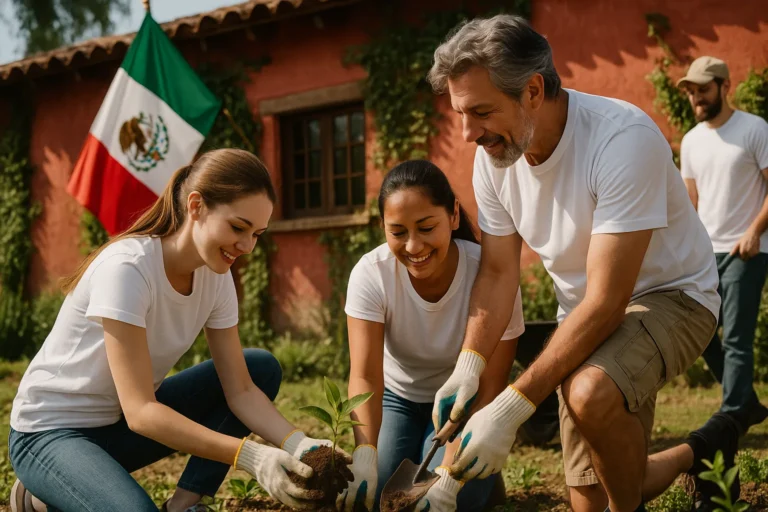
Popular volunteer projects in Mexico include environmental initiatives and work with poor communities, and this category covers a wide spectrum. You might help build or renovate community spaces, support women’s cooperatives, assist in food distribution, or work with organisations focused on youth development. Volunteer World lists opportunities ranging from dog rescue and community education to the preservation of heritage sites — giving volunteers a chance to protect both living communities and the cultural memory they carry.
Healthcare and Medical Support
For those with medical training — or students working toward it — healthcare volunteering in Mexico can be transformative. Rural clinics and community health centres often welcome support from nurses, doctors, physiotherapists, and medical students. The work is demanding and humbling in equal measure, and the experience of practising in a resource-limited setting builds a kind of adaptability that no classroom can replicate.
👉 Read also: Hidden Gems in Mexico: Guanajuato, Bacalar & Sayulita for First-Time Explorers
Finding Legitimate Programs and Vetting Organisations
This is where many first-time volunteers get stuck — or, worse, get it wrong. The volunteer industry has grown enormously, and not every organisation operates with genuine community benefit at its heart. Here’s how to approach the search with your eyes open.
Start with established platforms. IVHQ is a well-known option with a transparent fee structure and a long track record. Platforms like Workaway, which lists over 50,000 projects across Mexico for volunteering, working, and cultural exchange, offer a more informal route — often involving a skills-for-accommodation arrangement rather than a program fee. Volunteer World, Go Overseas, and Worldpackers all aggregate opportunities and include reviews from past volunteers, which is invaluable.
When evaluating any program, ask these questions before committing:
- Does the organisation have a clear mission statement and transparent use of fees?
- Are volunteers placed in roles that genuinely require their skills?
- Does the program work with the local community rather than imposing solutions from outside?
- Are there reviews or testimonials from past volunteers you can verify independently?
- What happens to the project when volunteers leave — is there local continuity?
Siijuve, the Mexican partner organisation of the international volunteer network ICYE, has been operating since 1965 and has six regional offices across the country. Organisations with that kind of longevity and local infrastructure tend to have deeply embedded community relationships — a good sign that the work is genuinely community-led rather than volunteer-centred.
Be cautious of programs that promise transformative results in very short timeframes, charge unusually high fees with little explanation of where the money goes, or don’t seem to have any local staff involved. The best programs will be honest about what volunteers can realistically achieve and will prioritise the community’s needs above the volunteer’s experience.
Cost and Time Commitment: What to Realistically Expect
Volunteering abroad isn’t free, and it’s worth being honest about that upfront. Structured programs typically charge fees that cover logistics, accommodation, meals, and in-country support. IVHQ’s program fees start from $744 for one week, which includes airport pick-up, orientation, accommodation, meals, and 24/7 in-country support. That’s a meaningful investment, but it’s also a comprehensive package — especially if you’re arriving in an unfamiliar country for the first time.
More budget-conscious options exist through platforms like Workaway and Worldpackers, where you typically exchange a set number of hours of work per day for accommodation and sometimes meals. These arrangements require more independence and self-direction, but they can significantly reduce your overall costs and often lead to more immersive cultural experiences.
As for time commitment: two to four weeks is a common minimum for structured programs, and many organisations will tell you honestly that the real value — for both the volunteer and the community — builds over time. If you can commit to a month or more, do it. You’ll move past the initial awkwardness, build real relationships, and actually see the impact of your work.
Budget for flights, travel insurance, personal spending, and any Spanish language preparation you want to do beforehand. A basic conversational level of Spanish will make your experience dramatically richer — and locals will genuinely appreciate the effort, even if your subjuntivo isn’t perfect.
👉 Read also: Mexico's Best-Kept Secrets: From El Cuyo to Mexico City (2026)
Best Regions for Volunteering in Mexico
Mexico is a large and varied country, and the right region for you depends on the type of work you want to do and the kind of environment you want to live in.
Oaxaca
Oaxaca is one of the most active hubs for volunteer programs in Mexico, and it’s easy to see why. The state combines extraordinary natural biodiversity with indigenous communities that have maintained distinct languages, traditions, and crafts for centuries. IVHQ runs multiple programs here — from wildlife conservation to English teaching — and the city of Oaxaca itself is one of Mexico’s most culturally rich urban centres. Expect cobblestone streets, incredible food, and a creative energy that feels unlike anywhere else in the country.
Jalisco and the Pacific Coast
The state of Jalisco, anchored by the vibrant city of Guadalajara and stretching down to the Pacific coast around Puerto Vallarta, offers a different kind of volunteering experience. Coastal shelters and youth volunteer opportunities are available here, and the mix of urban and coastal settings means you can choose between community-focused city work and more nature-oriented coastal projects. Puerto Vallarta in particular has a well-developed volunteer infrastructure, partly driven by its large expat community and established NGO presence.
Mexico City
If urban volunteering appeals to you, Mexico City is extraordinary. As the second-largest city in the world, it has communities spanning every imaginable social and economic context. Opportunities here range from working with street children and supporting migrant communities to environmental education and urban farming initiatives. The city itself is endlessly fascinating — and living in it, even briefly, will reshape how you think about what a city can be.
The Yucatán Peninsula
The Yucatán draws volunteers interested in both conservation and cultural preservation. The region’s Maya heritage is alive and evolving — not just in archaeological sites like Chichén Itza, but in the communities that have maintained Maya language and traditions across generations. Conservation work here often focuses on marine environments: coral reef monitoring, mangrove restoration, and sea turtle protection along the Caribbean coastline. If you want to combine meaningful work with some of the most spectacular natural scenery in the Americas, the Yucatán delivers.
Where to Stay While Volunteering
Accommodation while volunteering varies significantly depending on the program type you choose. Structured programs like IVHQ include accommodation in their fees, typically placing volunteers in shared houses or guesthouses close to the project site. This setup has real advantages: you’re immediately connected to other volunteers, logistics are handled for you, and you’re embedded in the neighbourhood where you’ll be working.
For those using platforms like Workaway or Worldpackers, accommodation is usually provided by the host in exchange for your work hours — this might mean a room in a family home, a shared space at a community centre, or a bunk in a hostel that runs its own volunteer program. These arrangements tend to feel more immersive, since you’re living alongside the people you’re working with rather than in a separate volunteer compound.
If you’re organising your own placement or arriving independently, Mexico has a strong hostel culture in most major cities and tourist regions. Monthly rates at well-located hostels are often surprisingly affordable, and many hostels in cities like Oaxaca, Guadalajara, and Mexico City actively support the volunteer community — hosting notice boards, connecting travellers with local organisations, and offering flexible long-stay rates. Shared apartments are another option worth exploring, particularly in larger cities where digital nomads and long-term travellers have created a genuine community of people living and working in the same neighbourhoods.
Whatever your accommodation setup, try to live as locally as possible. Shop at the neighbourhood market. Learn your street’s rhythms. Eat where the families eat. The texture of daily life in Mexico is one of its greatest gifts, and you’ll only access it if you step away from the tourist trail and into the ordinary, extraordinary everyday.
Volunteering in Mexico isn’t about saving anyone — it’s about showing up, being useful, and staying humble enough to learn more than you give. The country will challenge you, surprise you, and offer you moments of connection that you’ll still be thinking about years from now. Do the research, choose your program carefully, pack light, and go. Mexico is waiting, and it has a lot to teach.
This article was produced with AI assistance and reviewed editorially.


Volunteering in Mexico: Finding Authentic Community Work + Where to Base Yourself

Escape Ibiza’s Party Scene: Hidden Beaches, Local Spots & Quieter Things to Do


