
Asia
Skip the Crowded Beaches: Find Your Own Slice of Sri Lanka’s Coast
Discover hidden beaches in Sri Lanka away from tourist crowds. Explore lesser-known coastal spots like Arugam Bay, Silent Beach, and Hiriketiya with local tips.

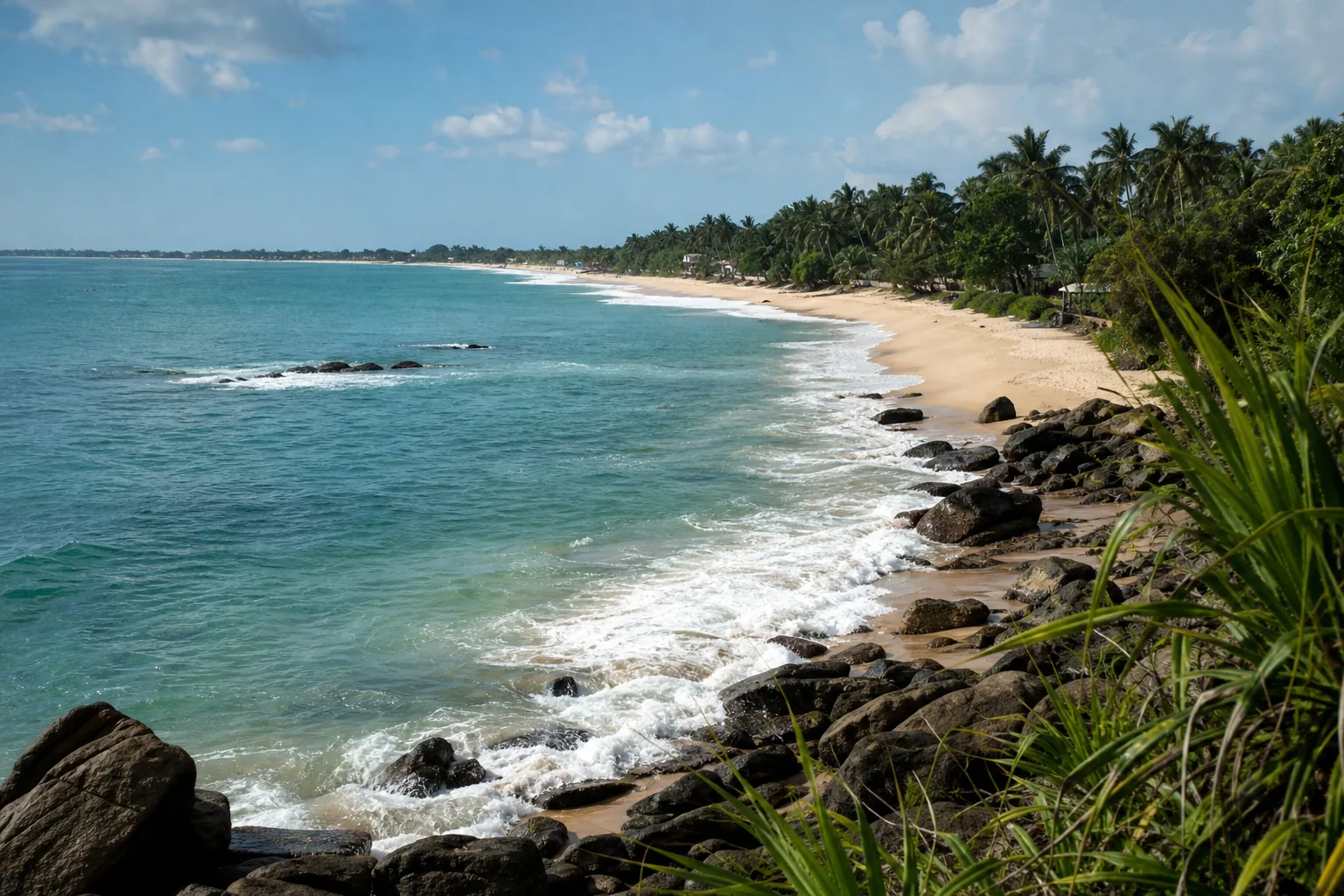
Sri Lanka doesn’t need much of an introduction when it comes to natural beauty — but most travelers end up at the same handful of beaches, following the same well-worn path from Colombo down to Unawatuna and calling it a day. The truth is, Sri Lanka’s coastline stretches over 1,600 kilometers, and a huge portion of it remains blissfully uncrowded, underdeveloped, and waiting for the kind of traveler who’s genuinely curious about what lies beyond the guidebook. If you’ve been searching for hidden beaches in Sri Lanka, you’re already asking the right question.
Why Sri Lanka’s Coast Rewards the Curious Traveler
There’s a version of Sri Lanka that exists on Instagram — packed sunbeds, cocktail bars, and sunsets photographed by a hundred people at once. And then there’s the version you find when you slow down, take a local bus in the wrong direction, and stumble onto a stretch of sand where the only footprints are yours and a fisherman’s from early morning.
The south coast is where most of the action is, and for good reason. Towns like Galle, Unawatuna, Ahangama, Mirissa, and Tangalle form the backbone of Sri Lanka’s coastal travel scene. But even within this well-traveled corridor, there are pockets of quiet that most visitors never find. The trick isn’t to avoid the south entirely — it’s to know where to look once you get there.
What makes Sri Lanka’s lesser-known beaches so compelling isn’t just the absence of crowds. It’s the texture of the place: fishing boats pulled up on the sand at dawn, small guesthouses run by families who’ll cook you a meal and tell you about the best snorkeling spot nearby, and a coastline that shifts constantly between dramatic rocky headlands and long, palm-fringed bays. That’s the Sri Lanka worth chasing.
The Hidden Beaches of the South Coast You Need to Know
The south coast is home to some of the most genuinely rewarding hidden beaches in Sri Lanka, and several of them sit just minutes away from tourist hotspots — yet feel like a completely different world.
Silent Beach, Near Tangalle
Silent Beach earns its name. Tucked along the south coast near Tangalle, this is one of the quietest stretches of sand you’ll find anywhere in the country. While Tangalle itself sees a steady flow of travelers, Silent Beach manages to stay exactly that — silent. The water here is calm in the right season, the sand is soft, and the atmosphere is about as far from a resort as you can get without leaving the planet.
Getting here takes a little effort, which is precisely why it stays quiet. That’s not a warning — it’s an invitation. Pack a bag, hire a tuk-tuk, and give yourself a full afternoon. You won’t regret it.
Hiriketiya Beach
If there’s one beach on the south coast that genuinely deserves the hype it’s slowly starting to receive, it’s Hiriketiya. Often described as the best beach town in Sri Lanka, Hiriketiya sits in a horseshoe-shaped bay that almost feels too good to be real. The curve of the beach creates a natural shelter, the water is warm and clear, and the vibe is relaxed in the way that only small, community-driven places can be.
It’s become a favorite among surfers and yoga travelers, which means the infrastructure is there — good food, small guesthouses, a social scene that doesn’t feel forced — but it hasn’t tipped over into the kind of overdevelopment that ruins places like this. Go now, while it still feels like a discovery.
→ Read also: Backpacking Sri Lanka: Hidden Spots Beyond the Tourist Trail
Secret Beach and Coconut Tree Hill, Mirissa
Mirissa is one of those towns that sits right on the edge between hidden gem and mainstream tourist stop. The main beach gets busy, especially between December and April. But Mirissa rewards exploration. Coconut Tree Hill offers one of the most iconic viewpoints on the south coast, and Parrot Rock gives you a perch above the waves that feels genuinely dramatic.
The real find, though, is Secret Beach — a smaller, rockier cove that most visitors walk right past. It takes a bit of scrambling to reach, but the payoff is a swim in clear water without sharing it with fifty other people. Mirissa is also widely known as Sri Lanka’s whale watching capital, so if you time your visit right during the dry season, you can combine a sunrise whale watching trip with a lazy afternoon at Secret Beach and still feel like you’ve had a full day.
Ahangama
Ahangama sits quietly between the more famous Unawatuna and Mirissa, and a lot of travelers pass through it without stopping. That’s their loss. The beach here is long and relatively empty, the surf is consistent enough to attract a small but dedicated community of wave riders, and the town itself has an unhurried pace that feels genuinely local. It’s the kind of place where you might arrive planning to stay two nights and end up staying five.
Lesser-Known Gems Worth Going Out of Your Way For
Beyond the south coast’s main corridor, there are beaches in Sri Lanka that require a little more intention to reach — but reward you with the kind of solitude that’s genuinely rare.
Ussangoda Beach
Ussangoda is unusual even by Sri Lanka’s standards. The beach sits near a national park and the landscape around it has an almost otherworldly quality — red earth, sparse vegetation, and a wild, windswept coastline that feels nothing like the postcard version of Sri Lanka. It’s not a beach for swimming so much as a beach for walking, thinking, and feeling genuinely far from everywhere. If you’re the kind of traveler who values atmosphere over amenities, this one belongs on your list.
Kudawa Beach
Kudawa Beach is the kind of place that barely shows up in search results, which is exactly the point. Getting there takes effort, and the beach itself is raw and undeveloped. But if you’re traveling through the south coast and you want to experience what Sri Lanka’s coastline looked like before tourism arrived, Kudawa gives you a glimpse of that. Bring everything you need, because there won’t be a convenience store waiting for you.
Casuarina Beach
Up in the north, Casuarina Beach offers a completely different coastal experience. The north of Sri Lanka is still finding its footing as a travel destination, which means the beaches here see a fraction of the visitors that the south does. Casuarina is named after the casuarina trees that line its shore, and the shallow, calm water makes it a genuinely relaxing spot. If you’re planning a loop around the island rather than a quick south coast trip, this is worth the detour.
When to Visit and How the Seasons Shape Your Experience
Sri Lanka’s weather is shaped by two monsoon seasons that affect different parts of the island at different times — which is actually one of the things that makes it such a fascinating destination. The best time to visit the south coast is between December and April, when the dry season brings calm seas, clear skies, and ideal conditions for swimming, snorkeling, and whale watching.
Outside of that window, the south coast can get rough — not impossible, but the ocean becomes less predictable and some beaches lose their appeal. The good news is that when the south is wet, the east coast tends to be dry, which means there’s almost always a part of Sri Lanka that’s in perfect condition. Traveling with that flexibility in mind opens up a completely different set of possibilities.
If you’re visiting between December and April, expect the south coast to be at its most popular. That’s when the hidden beaches really earn their value — while the main spots fill up, places like Silent Beach and Ussangoda stay quiet simply because fewer people know they exist.
→ Read also: Sri Lanka Without the Crowds: 10-Day Itinerary Hitting the Highlights
How to Actually Find the Hidden Spots
No algorithm is going to hand you the best version of Sri Lanka’s coast. The real discoveries happen when you talk to people — the guesthouse owner who mentions a beach “just twenty minutes that way,” the local surfer who points you toward a break nobody’s mapped yet, the tuk-tuk driver who takes a different route and shows you something you didn’t know you were looking for.
A few practical things that genuinely help:
- Stay in small, locally-run guesthouses rather than large hotels. The owners almost always know the area better than any travel app, and they have a real interest in giving you a good experience.
- Use tuk-tuks for short coastal hops. They’re cheap, flexible, and drivers often know every track and path along the coast. Ask them to show you something most tourists miss.
- Walk in both directions from wherever you’re staying. Most travelers walk one way along a beach and turn back. The quiet spots are usually around the next headland.
- Travel mid-week when possible. Even the lesser-known beaches see more visitors on weekends, especially from locals in nearby towns. A Tuesday afternoon at Hiriketiya feels completely different from a Saturday.
- Be flexible with your itinerary. The best coastal experiences in Sri Lanka are rarely planned. Leave room in your schedule to stay longer somewhere unexpected.
Water Sports, Surfing, and Getting in the Ocean
Sri Lanka’s coast isn’t just for sunbathing. The ocean here is active and varied, and the opportunities for water sports shift depending on where you are and what time of year you’re visiting.
Surfing is a genuine draw along the south coast, with spots near Ahangama and Hiriketiya attracting a mix of beginners and more experienced surfers. The waves are generally more forgiving than the big breaks you’d find in more famous surf destinations, which makes Sri Lanka a solid choice if you’re learning. Several small surf schools operate along the coast, and most guesthouses in surf-friendly areas can point you toward lessons or board rentals.
Whale watching is one of the most memorable experiences the coast offers, and Mirissa is the place to base yourself for it during the dry season. Blue whales and sperm whales are regularly spotted in these waters, and a morning out on the ocean — even before the beach day begins — is the kind of experience that stays with you.
Snorkeling and diving are available at various points along the coast, with clearer water and better visibility during the dry season. The reefs around the south coast are healthy in places, and even a basic snorkel from the shore at some of the quieter coves can reveal an impressive amount of marine life. For more serious diving, it’s worth asking locally about the best current conditions — the ocean changes from week to week, and a good local dive operator will always give you better information than a website.
Traveling the Coast Responsibly
One of the reasons these hidden beaches stay hidden is that they haven’t been overrun yet. That’s fragile. The more travelers who show up with a genuine respect for the places they visit, the longer these spots remain worth visiting.
A few things worth keeping in mind as you explore:
- Take your rubbish with you. Some of the more remote beaches have no waste collection, and what you leave behind stays there.
- Support local businesses — eat at family-run kottu roti spots, stay at locally owned guesthouses, hire local guides and tuk-tuk drivers.
- Be mindful of local customs around the ocean. Some beaches are used by fishing communities, and being respectful of their space and their work matters.
- Don’t share precise GPS coordinates of genuinely remote spots on social media. It sounds counterintuitive, but the places that stay beautiful longest are the ones that don’t go viral.
For more context on Sri Lanka’s coastal environment and responsible travel, the Ceylon Tour Guides resource on lesser-known beaches offers a useful starting point for planning a thoughtful trip.
Sri Lanka’s coastline is long enough, varied enough, and generous enough to reward every kind of traveler — whether you’re chasing waves, searching for silence, or simply following your curiosity down an unmarked path toward the sound of the ocean. The hidden beaches of Sri Lanka aren’t locked away behind any secret. They’re just waiting for the people who are willing to look a little further than the first result on the page.
This article was produced with AI assistance and reviewed editorially.


Skip the Crowded Beaches: Find Your Own Slice of Sri Lanka’s Coast

Matera: Where Ancient Caves Meet Modern Culture—Before Everyone Else Discovers It


