
Spain
Madrid Like a Local: Why This City Gets Better the Longer You Stay
Discover Madrid at your own pace with this travel guide. Learn neighborhood secrets, local dining culture, and authentic experiences that reveal the city’s true character

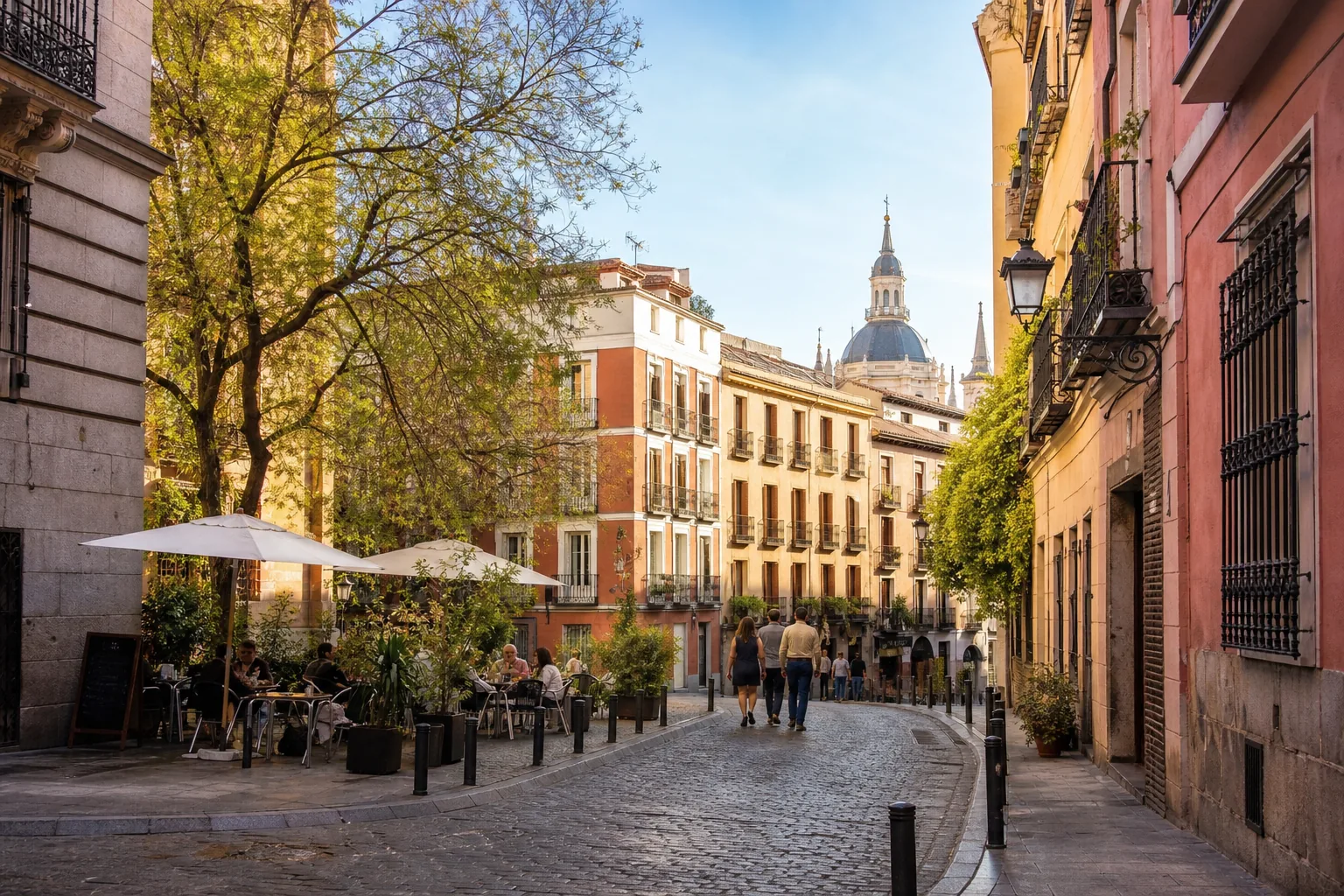
Madrid doesn’t reveal itself all at once. That’s actually the whole point. While other cities hand you their highlights on a map and send you on your way, this one holds something back — saving the best stuff for the people who slow down, stay longer, and start paying attention. Whether you’re building your first Madrid travel guide or returning for a second look, the city rewards curiosity over efficiency, every single time.
Why Madrid Is Built for Slow Travelers
Most people arrive in Madrid with a packed list: the Prado, the Reina Sofía, the Palacio Real, maybe a flamenco show. And yes, those things are genuinely worth your time. But here’s what nobody tells you before you land — Madrid is a city that operates on its own clock, and the sooner you sync with it, the better everything gets.
Restaurants don’t open for lunch until 1pm. Dinner rarely starts before 9pm. The gap in between — that quiet, golden stretch of afternoon — is when the city breathes. Locals rest, streets empty out, and if you’re smart, you’ll find a shaded terrace, order something cold, and do absolutely nothing for an hour. It’s not wasted time. It’s how you start to feel the rhythm of the place.
This is a city known for world-class art museums, incredible dining, grand boulevards, and near-constant sunshine. But what makes it genuinely special is the pace. Spaniards eat breakfast, lunch, and dinner later than almost anywhere else in Europe, and that shifts everything — the energy of the streets, the mood of the evenings, the way a night out can stretch comfortably past midnight without feeling excessive. Once you stop fighting that rhythm and start following it, Madrid stops feeling like a destination and starts feeling like somewhere you actually live.
Getting to Know the Neighborhoods
Madrid isn’t one place. It’s a collection of very different worlds stitched together, and understanding that is the key to using any good Madrid travel guide well. Each neighborhood has its own personality, its own crowd, and its own reason to explore.
The historic center — the area around Sol and Plaza Mayor — is where most first-timers spend most of their time. It’s busy, it’s beautiful in parts, and it’s useful for orientation. But it can also feel like a version of Madrid designed for visitors rather than people who actually live there. Spend a morning, get your bearings, then move on.
Head slightly west and you’ll find quieter streets with a more lived-in feel — local bakeries, neighborhood bars where the TV is always on, older residents sitting outside in the afternoon. Wander east toward the literary quarter and the atmosphere shifts again: bookshops, independent cafés, students, and a slower, more intellectual energy. These are the kinds of places where you sit down for a coffee and end up staying for two hours without quite knowing how.
The areas further north tend to attract a younger, more design-conscious crowd. You’ll find vintage shops, concept stores, and bars that don’t really get going until late. Meanwhile, some of the southern neighborhoods offer a more traditional, working-class character — market halls, old taverns, and a sense that this part of the city has been doing its own thing for a very long time and isn’t about to change for anyone.
The point isn’t to memorize a list. It’s to pick a direction, walk without a plan for a couple of hours, and notice what pulls you in. That’s how you find the places worth going back to.
→ Read also: Madrid in 5 Days: Culture, Food & Real Local Life (Not Tourist Traps)
A Multi-Day Approach That Actually Works
If you’ve got three to five days in Madrid — which is honestly the sweet spot — resist the urge to structure every hour. The city works best when you leave space for things to happen.
Use your first day to arrive slowly. Get your bearings in the center, eat lunch at a proper sit-down restaurant (remember: nothing before 1pm), and walk without a destination. Your only job is to get comfortable. Find a café you like. Notice which streets feel right. Buy water from a supermarket instead of a tourist kiosk.
On your second day, go deep on one thing you actually care about. If art is your thing, the Prado alone can take half a day if you let it — and you should let it. If you’d rather wander markets and eat your way through the morning, do that instead. The mistake most travelers make is trying to do everything. Madrid doesn’t reward that approach.
By day three, you’ll start to feel the city differently. You’ll have a favorite coffee spot. You’ll know which streets to avoid at peak tourist hours. You’ll start noticing things — a courtyard you missed the first time, a bookshop that wasn’t on any list, a bar where everyone seems to know each other. This is when Madrid really starts to open up.
Days four and five are for going further out. Explore a neighborhood you haven’t touched yet. Take the metro somewhere with no particular plan. Eat dinner late — properly late, the way locals do — and stay out long enough to see the city in full evening mode. Madrid at night is a different city entirely, and it’s one of the best versions of it.
Eating and Drinking the Right Way
Food in Madrid isn’t just fuel. It’s a social event, a ritual, and one of the main reasons people fall in love with the city. Understanding how it works makes everything better.
Breakfast is light and early — a coffee and a tostada (toasted bread with olive oil or tomato) at a local bar, standing at the counter the way everyone else does. Don’t overthink it. Lunch is the main event: a proper multi-course meal, usually with a menú del día (a fixed-price lunch menu) that offers extraordinary value and the chance to eat exactly what the locals are eating. This is one of the best-kept secrets in any honest Madrid travel guide — a full lunch with wine, bread, and dessert for a fraction of what you’d pay at dinner.
Dinner starts late and goes longer. Arriving at a restaurant before 9pm in Madrid marks you as a tourist immediately — not that it matters, but eating at 10pm with a room full of locals feels completely different from eating at 7pm in an empty dining room. Order tapas to share. Take your time. Don’t rush the bill.
And then there’s the sobremesa — the untranslatable Spanish tradition of sitting at the table long after the food is finished, just talking. No one is rushing you out. No one is hovering for the table. This is a city that genuinely values the act of sitting together, and once you lean into it, you’ll wonder why everywhere else feels so hurried.
→ Read also: Spain's Capital Reimagined: A 5-Day Madrid Itinerary Beyond the Guidebook
Hidden Corners Beyond the Major Attractions
The big museums and landmarks deserve their reputation — the art collections in Madrid are genuinely world-class, and you’d be doing yourself a disservice to skip them entirely. But some of the most memorable moments in this city happen in much smaller places.
Look for the old tabernas that have been serving the same wines and snacks for generations. Find the local market halls that haven’t been converted into tourist food courts — the ones where actual residents shop for produce on a Tuesday morning. Seek out the small plazas that don’t appear on any highlight reel, where kids play football and old men argue about something that happened thirty years ago.
Madrid also has a strong live music culture that runs well below the tourist radar. Small venues, jazz bars, flamenco performances in neighborhood cultural centers rather than polished stages — these are the experiences that stay with you. Ask at your hostel or accommodation, check local listings, and be willing to show up somewhere you’ve never heard of on a Thursday night. That’s usually where the good stuff is.
For sports fans, the city has a serious tennis pedigree — the Mutua Madrid Open is one of the most prestigious professional tennis tournaments in the world, held annually in the city. If your timing lines up, it’s worth experiencing the atmosphere even if you’re not a dedicated fan.
Practical Things Worth Knowing Before You Go
A few things that will make your time in Madrid genuinely smoother:
- Don’t plan lunch before 1pm. Restaurants simply aren’t open. Use the morning for museums or walking, then eat when the city eats.
- The metro is excellent. Clean, frequent, and covers the whole city. Buy a multi-journey card rather than paying per trip.
- Dress for the weather, not the occasion. Madrid gets genuinely hot in summer and properly cold in winter. November — right now — is one of the best times to visit: cool, clear, and significantly less crowded than peak season.
- Learn a few words of Spanish. Locals appreciate the effort enormously, even if your pronunciation is terrible. Por favor, gracias, and una cerveza, por favor will take you a long way.
- Walk more than you think you need to. Madrid is a walkable city, and the best things often happen between destinations rather than at them.
- Stay in a neighborhood, not just a central location. Waking up in a residential area rather than the tourist center gives you a completely different experience of the city from the very first morning.
For official visitor information and updated practical details, the Madrid Tourism official website is a reliable starting point before you travel.
The Mindset That Makes Madrid Worth It
There’s a reason some travelers spend a weekend in Madrid and come back saying it was fine, while others — like those who’ve given it a full month of exploration — talk about it like it changed something in them. The difference isn’t the city. It’s the approach.
Madrid doesn’t perform for you. It doesn’t try to charm you on the first day. It just exists, fully and unapologetically, doing what it’s always done — eating late, staying out late, arguing passionately about football and politics and food, filling the streets with noise and energy and conversation. Your job as a traveler is simply to show up and pay attention.
The best Madrid travel guide you’ll ever have isn’t a list of things to see. It’s permission to slow down, stay longer than you planned, and let the city show you what it actually is rather than what it’s supposed to be. That version of Madrid — the one you find on day four, over a long lunch, in a place you’d never have found on day one — is worth every extra hour you stay.
Give it time. Madrid will give it back to you, and then some.
This article was produced with AI assistance and reviewed editorially.


Madrid Like a Local: Why This City Gets Better the Longer You Stay

Southeast Asia on a Budget: Sri Lanka, Bali, and Lombok Compared


