
Itineraries
Bali & Lombok Itineraries: Island-Hopping for Young Travelers Who Want More Than Beaches
Explore Bali and Lombok together with authentic itineraries focused on culture, adventure, and local connection. Learn island-hopping logistics and where to stay as an in

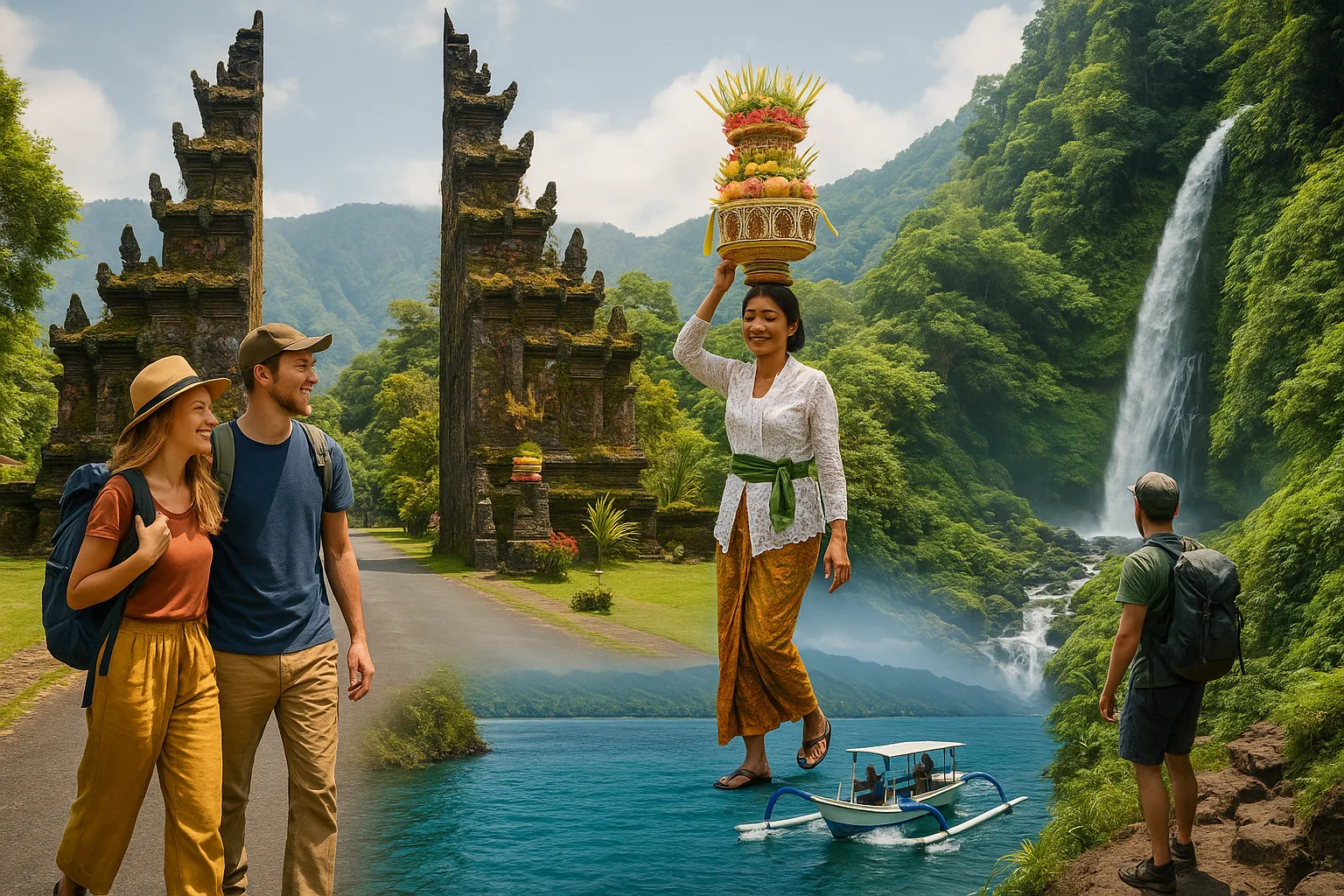
Planning a Bali Lombok itinerary that goes beyond poolside cocktails and Instagram-famous rice terraces is one of the smartest decisions you can make as a young traveler in Southeast Asia. These two islands sit less than an hour apart across the Lombok Strait, yet they offer completely different vibes — and together, they deliver one of the most layered, rewarding travel experiences you’ll find anywhere in the region.
Why Combining Both Islands Changes Everything
Bali gets all the fame. And honestly, it deserves some of it. The temples, the food, the surf culture, the sheer energy of the place — it’s real. But if you only do Bali, you’re leaving half the story untold. Lombok sits just east of Bali across the Lombok Strait, and it’s often called Bali’s sister island — though that comparison only goes so far. Where Bali can feel electric and occasionally overwhelming, Lombok is quieter, rawer, and in many ways more rewarding for travelers who want to feel like they’re actually discovering something.
Indonesia is an extraordinary country — over 17,000 islands, with around 6,000 of them inhabited, and ten UNESCO World Heritage Sites scattered across the archipelago. The point is, there’s more here than any single destination can show you. A combined Bali and Lombok trip gives you a genuine slice of that depth without needing months of travel time or a massive budget.
Crafting Your Bali Lombok Itinerary: The Foundations
Before you start mapping out days, it helps to think about what kind of traveler you are. Are you chasing waterfalls and volcano hikes? Do you want to eat where locals eat, visit villages where tourism hasn’t arrived yet, and learn something about Balinese or Sasak culture? Or do you want a mix — some beach time, some cultural depth, some adventure? The good news is that a well-built Bali Lombok itinerary can hold all of that at once.
A realistic minimum is ten to fourteen days if you want to do both islands justice without feeling rushed. Two weeks is the sweet spot for most independent travelers. If you only have a week, you’ll need to make tougher choices — but it’s still absolutely doable, and even a seven-day island-hopping adventure can leave you with stories worth keeping.
Getting Between the Islands
This part is simpler than it sounds. The crossing from Bali to Lombok takes less than an hour by fast boat or a short flight. Fast boats typically depart from Padangbai or Serangan Harbor in Bali and arrive at Bangsal or Teluk Nare in Lombok, with some routes passing through the Gili Islands along the way. Flights connect Denpasar’s Ngurah Rai Airport to Lombok International Airport in under thirty minutes. Budget airlines make this route affordable, and if you’re flexible with timing, you can often find fares that won’t dent your travel fund.
Once you’re on Lombok, renting a scooter is the most liberating way to explore — especially in the south and along the coast. For longer distances or if you’re not confident on two wheels, shared minibuses and private drivers are easy to arrange through your accommodation. The roads in Lombok are quieter than Bali’s, which makes the riding experience genuinely enjoyable rather than stressful.
Bali: Going Beyond the Obvious
Yes, Ubud and Seminyak are worth your time. But a strong Bali Lombok itinerary means pushing past the well-worn tourist trail to find the parts of Bali that still feel like they belong to the people who actually live there.
The North and East: A Different Bali Entirely
Most travelers land in the south and never leave. That’s a missed opportunity. North Bali — around Singaraja and Lovina — has a completely different rhythm. The black-sand beaches are quieter, the temples feel less curated, and the landscape shifts into something more dramatic. Dolphin watching at dawn in Lovina is one of those experiences that sounds touristy but genuinely delivers.
👉 Read also: Lombok Beyond Bali: Island Itineraries, Gili Islands & Where to Stay Like a Local
Head east and you’ll find Amed, a string of small fishing villages where traditional jukung boats line the shore and the diving and snorkeling is some of the best on the island. The pace here is slow in the best possible way. You can spend an afternoon learning about salt-making traditions that have existed in these villages for generations — a detail that most visitors who stick to the south will never encounter.
Canggu and the Creative Scene
If you want to connect with young creatives, digital nomads, and a genuinely vibrant local scene, Canggu is worth a day or two. It’s grown fast, but it still has a neighborhood feel — surf breaks, rice fields, independent coffee shops, and a music and arts scene that feels organic rather than manufactured. The key is to explore on foot or by scooter rather than staying in one spot. Wander into the side streets, eat at the warungs (local eateries), and you’ll find a version of Canggu that doesn’t make it into the travel brochures.
Cultural Depth in the Highlands
Ubud deserves its reputation for culture, but the real magic often happens in the smaller villages surrounding it. Places like Penglipuran — a traditional Balinese village where the community has maintained its layout and customs for centuries — offer a window into daily life that no temple tour can replicate. Cooking classes with local families, visits to silver-smithing workshops in Celuk, or watching a kecak fire dance performance in an actual temple courtyard rather than a tourist venue: these are the moments that stick.
Lombok: The Rugged Side of the Journey
Lombok is often described as a relatively untouched Indonesian island, and that description holds. It offers a quieter, more rugged alternative to Bali — and for young travelers who want to feel like they’re genuinely exploring rather than following a well-marked path, that’s a huge draw.
The South: Beaches That Feel Like Secrets
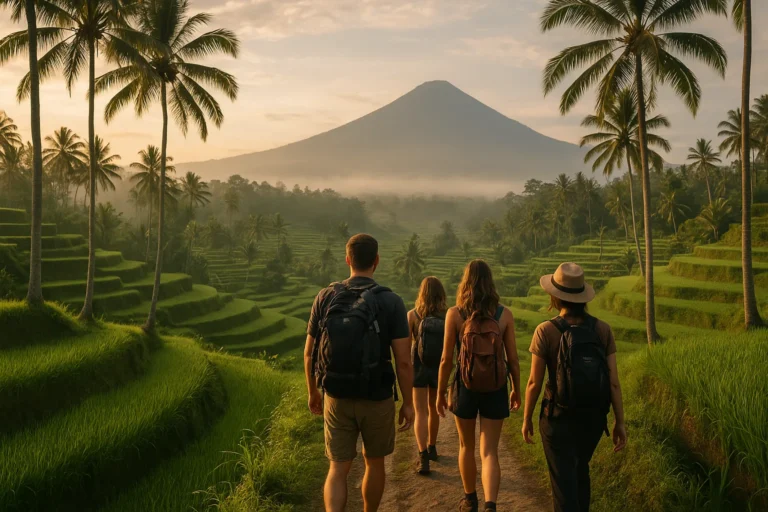
The south of Lombok is where the landscape gets dramatic. Selong Belanak Beach is a wide, sweeping bay with gentle waves — perfect for beginner surfers and long morning walks. Mawun Beach, tucked between two headlands, feels almost private even on a busy day. And Bukit Merese, a hill above Kuta Lombok, rewards a short hike with panoramic views over turquoise bays that genuinely stop you in your tracks.
Speaking of Kuta — Lombok’s Kuta is nothing like Bali’s. It’s smaller, less developed, and surrounded by some of the most striking coastal scenery in Indonesia. Use it as a base for exploring the south, and you’ll have access to beaches and viewpoints that most visitors to the region never reach.
Waterfalls and the Interior
Don’t skip Lombok’s interior. The waterfalls alone are worth the detour. Benang Stokel and Benang Kelambu are two of the most beautiful — the latter earned its name (kelambu means mosquito net) because the water cascades through a canopy of roots and vines in a way that looks almost unreal. Getting there involves a walk through rice fields and forest, which is half the experience.
The villages in Lombok’s interior, particularly those in the Sasak heartland, offer cultural experiences that feel genuinely off the beaten path. The Sasak people have their own language, traditions, and architecture — the traditional lumbung rice barns and the distinctive woven textiles are unlike anything you’ll find in Bali. Visiting a Sasak village with a local guide who can introduce you to residents and explain the context is one of the most meaningful things you can do on this trip.
Trekking Rinjani: The Big One
Mount Rinjani is Lombok’s crown jewel — an active volcano rising over 3,700 meters, with a crater lake and views that stretch to Bali on clear days. A Rinjani trek is not a casual day hike. It typically takes two to three days, involves significant elevation gain, and requires a reasonable level of fitness. But for young travelers who want a physical and emotional challenge, it’s one of the most rewarding experiences in all of Southeast Asia. You’ll camp under stars at altitude, watch sunrise over the crater, and come down feeling like a different version of yourself.
👉 Read also: Indonesia's Island Showdown: Bali vs Lombok for First-Time Backpackers
Treks must be done with a licensed guide and through the official national park system. Book in advance, especially during peak season, and make sure your gear is appropriate for cold nights at altitude.
The Gili Islands: A Natural Stopover
If your itinerary takes you between Bali and Lombok by fast boat, the Gili Islands make a natural and rewarding stopover. The three main islands — Gili Trawangan, Gili Meno, and Gili Air — each have a distinct personality. Trawangan is the most social, with beach bars and a lively backpacker scene. Meno is the quietest, almost meditative. Air sits somewhere in between, with good snorkeling, a relaxed community vibe, and a growing number of independent cafés and guesthouses.
There are no motorized vehicles on any of the Gilis — you get around by foot, bicycle, or horse-drawn cidomo cart. That alone changes the pace of everything. Spend one to three nights here depending on your timeline, and you’ll leave feeling genuinely rested rather than just relocated.
Where to Stay: Authentic Over Expensive
The best accommodation choices for independent young travelers on this route tend to be locally owned guesthouses, homestays, and boutique hostels rather than international resort chains. Beyond the obvious budget benefits, staying locally means your money goes directly into the community, you get genuine recommendations from people who actually know the area, and you often end up with experiences — a family dinner, an invitation to a ceremony, a tip about a hidden beach — that no hotel concierge would think to offer.
In Bali, losmen (family-run guesthouses) are a great option, especially in smaller towns and villages. In Lombok, traditional-style bungalows near the beach or in the hills offer comfort without disconnecting you from the environment. Across the Gilis, beachside bungalows and social hostels cater well to solo travelers and small groups alike. Book a few nights in advance for popular spots, but leave some flexibility in your schedule — some of the best places to stay are ones you’ll discover on the road.
Practical Notes for Independent Travelers
- Visa: Many nationalities receive a free visa on arrival for short stays in Indonesia, but always check the current requirements for your passport before you travel. The Indonesian Directorate General of Immigration is the official source for up-to-date entry requirements.
- Currency: The Indonesian Rupiah is the local currency. ATMs are widely available in tourist areas but can be sparse in rural parts of Lombok — carry enough cash when venturing off the main routes.
- Connectivity: Local SIM cards are cheap and easy to buy at the airport or in any town. Data is fast and affordable, which makes navigation, translation apps, and staying in touch straightforward.
- Respect local customs: Both Bali (predominantly Hindu) and Lombok (predominantly Muslim) have strong religious traditions. Dress modestly when visiting temples and villages, be aware of prayer times, and approach local customs with genuine curiosity rather than treating them as photo opportunities.
- Health: Check recommended vaccinations before you travel, drink bottled or filtered water, and use reef-safe sunscreen — especially around the Gilis, where coral conservation is a genuine community priority.
- Best time to visit: The dry season runs roughly from April to October, which is the most popular time to visit. The wet season brings lush landscapes and fewer crowds, but some boat routes and trekking trails may be affected.
Putting It All Together: A Suggested Flow
If you have two weeks, a natural flow might look something like this: arrive in Bali and spend the first few days exploring beyond the south — a day or two in Canggu, a journey up to the north or east coast, and time in the Ubud area with village excursions. Then make your way to the departure point for Lombok, stopping at the Gili Islands for two or three nights. From there, cross to Lombok and base yourself in Kuta for the south coast beaches and waterfalls, then move north toward Senaru for a Rinjani trek or at least a trek into the national park’s lower reaches. End with a couple of days in a Sasak village or along the quieter northern coast before flying home from Lombok International Airport — or looping back to Bali for your departure.
An eight-day version of a Bali Lombok itinerary compresses this beautifully: a couple of days in Bali combining culture and surf, a fast boat crossing with a Gili stopover, and then four or five days on Lombok covering the south coast, interior villages, and as much of Rinjani as your fitness and time allow. It’s intense, but it’s the kind of intensity that leaves you energized rather than exhausted.
For a seven-day itinerary, the classic approach is to land in Bali, spend the first day settling in and exploring — a surfing session in South Bali is a great way to shake off the journey — then commit the rest of your week to a focused route that prioritizes the experiences you care most about. You won’t see everything. But you’ll see enough to know you need to come back.
Whatever shape your trip takes, the thing to remember is this: the best version of a Bali and Lombok journey isn’t the one that ticks the most boxes. It’s the one where you slow down enough to notice the details — the smell of canang sari offerings in the morning air, the sound of the ocean through a rice field, the conversation with a local fisherman who insists you try the catch of the day. Those are the moments that make the journey worth it, and both of these islands are full of them.
This article was produced with AI assistance and reviewed editorially.


Central Asia’s Silk Road Cities: Samarkand, Bukhara & Almaty for First-Time Visitors

Bali & Lombok Itineraries: Island-Hopping for Young Travelers Who Want More Than Beaches


