
Italy
Capri Without the Crowds: Timing, Neighborhoods & Local Secrets for Solo Travelers
Discover how to visit Capri without the tourist chaos. Learn the best shoulder seasons, quieter neighborhoods, ferry timing, and budget stays for a genuine island experie

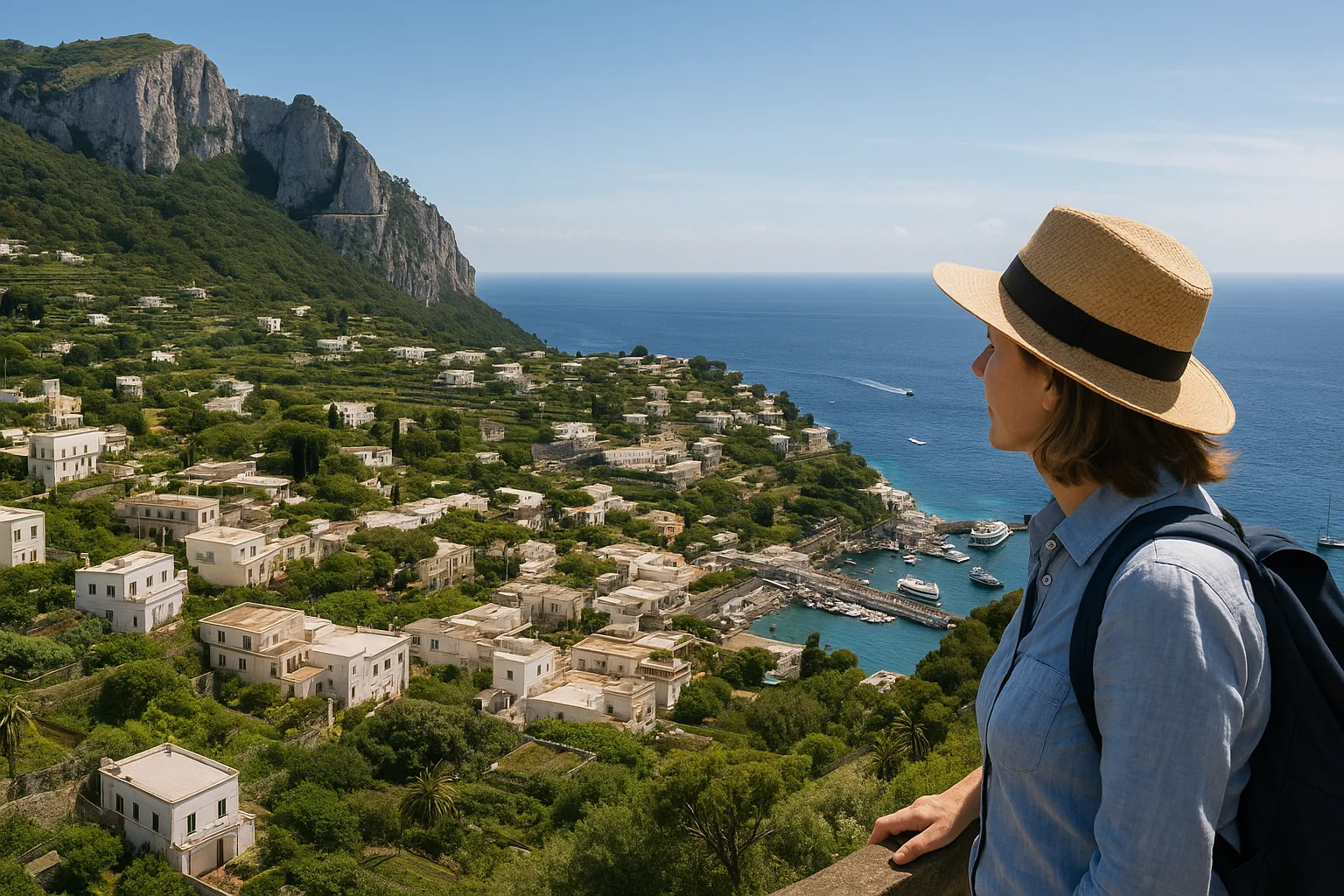
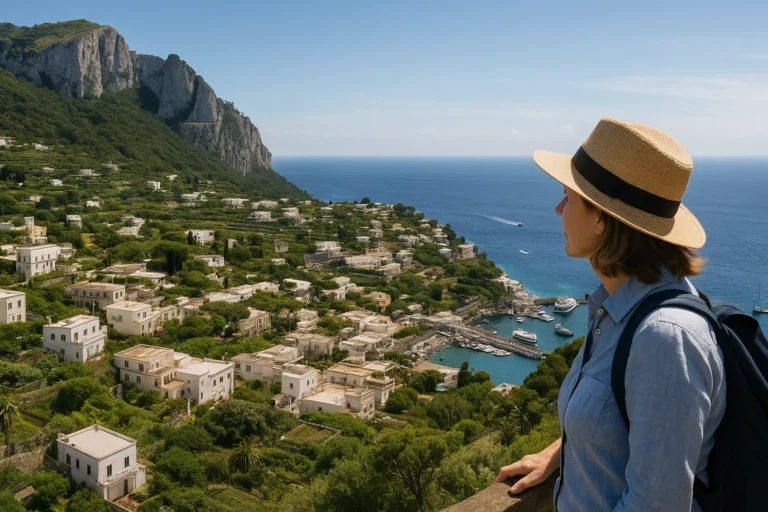
Capri is one of those places that sounds like a dream until you’re standing shoulder-to-shoulder with hundreds of day-trippers in the midday heat, waiting forty minutes for a lemon granita. The island is genuinely stunning — dramatic cliffs, impossibly blue water, bougainvillea spilling over whitewashed walls — but visiting Capri and avoiding crowds takes a little more intention than just booking a ferry and showing up. The good news? With the right timing, a sense of curiosity, and a willingness to explore beyond the obvious, you can experience a version of Capri that most tourists never get to see.
Why Capri Gets So Overwhelming (And Why It’s Still Worth It)
Let’s be honest about what Capri is: a small island in the Tyrrhenian Sea, sitting in the Bay of Naples off the coast of southern Italy’s Campania region. It’s not a big place. And because it’s not connected to the mainland — the only way to reach it is by ferry or hydrofoil — every single visitor arrives by boat, funneled through the same small port, heading toward the same handful of attractions.
During peak season, that concentration of people becomes almost surreal. Narrow lanes that would feel charming and romantic in October feel more like rush-hour corridors in August. Prices climb. Patience gets tested. And that sense of la dolce vita you came for starts to feel more like a theme park experience than an authentic Italian island escape.
But here’s the thing: Capri earned its reputation for a reason. The light on the water in the early morning, the scent of lemon trees, the way the cliffs drop into the sea — none of that disappears just because there are crowds. You just have to be smarter about when and how you experience it.
The Best Time to Visit Capri If You Want to Avoid Crowds
Timing is everything. July and August are the peak months — more expensive, more crowded, and honestly more stressful unless you’re someone who thrives in busy environments. The island’s tourist season officially runs from Easter through the first weekend of November, which gives you a fairly wide window to work with.
The sweet spots? May through mid-June and early September through mid-October. Both locals and experienced travelers consistently point to these months as the ideal time to visit. You’ll find pleasant weather, the island in full bloom or in its warm autumn glow, and significantly fewer people competing for the same viewpoints and restaurant tables.
Spring is particularly special. Locals describe it as the most beautiful time of year on the island — wildflowers everywhere, the sea warming up but not yet crowded, and a pace of life that feels genuinely relaxed. If you can make it in April or early May, you’ll catch Capri before the summer rush transforms it into something else entirely.
September is the other golden window. The water is at its warmest, the light is softer, and many of the day-trippers have returned to school or work. You get the best of summer without the chaos.
Getting There: Ferry Logistics Without the Stress
Since there’s no bridge, no tunnel, and no airport, every traveler arrives by boat. The two most popular departure points are Naples and Sorrento. Both have regular ferry and hydrofoil services, and both are worth knowing about depending on where you’re coming from.
👉 Read also: Capri Without the Crowds: 9 Things to Do on Italy's Most Iconic Island
Sorrento is the closer option and tends to feel a bit more manageable — the crossing is shorter, and Sorrento itself is a beautiful base if you’re planning to explore the wider Amalfi Coast area. Naples is the bigger hub, with more frequent departures and connections to the rest of Italy’s rail network, making it the smarter choice if you’re arriving from Rome or further north.
A few practical things to keep in mind:
- Book your return ferry in advance during shoulder season, not just your outbound trip. Boats fill up, especially on weekends.
- Arriving early — on the first or second morning departure — means you’ll reach the island before the main wave of day-trippers. This alone can transform your experience.
- If you’re staying overnight (which you absolutely should if you can), you’ll naturally experience the island after the day crowds leave, which is when it genuinely comes alive.
- Hydrofoils are faster but pricier; standard ferries take a little longer but are easier on the budget and often more comfortable if the sea is choppy.
Capri Town vs. Anacapri: Choosing Your Base
The island has two distinct main areas, and knowing the difference between them changes everything about how you experience Capri.
Capri Town is where most tourists end up. It’s home to the famous Piazza Umberto I — known affectionately as the Piazzetta — which is the social heart of the island. Locals gather here to sip espresso, catch up with neighbors, and watch the world go by. It’s genuinely lovely, especially in the early morning before the tour groups arrive. The narrow streets around the Piazzetta are lined with boutiques and cafés, and the views from the surrounding terraces are spectacular.
But if you really want to understand what makes Capri special beyond the postcard version, Anacapri is where you need to spend time. It’s the quieter, more residential side of the island — a short ride from Capri Town — and it operates at a completely different pace. Fewer tourists make it up here, which means you’ll actually have space to breathe, wander, and connect with the place.
In Anacapri, don’t miss Villa San Michele, a historic home with lush gardens and panoramic terraces that offer some of the most expansive views on the island. It’s the kind of place where you’ll want to sit for a while and just take it all in. Equally worth your time is the Church of San Michele, which contains a remarkable majolica floor — a hand-painted tilework masterpiece that most visitors walk right past on their way to the next attraction.
Experiences Worth Seeking Out Beyond the Blue Grotto
The Grotta Azzurra — the Blue Grotto — is Capri’s most famous attraction, and yes, it’s genuinely magical. The way light filters through an underwater opening and turns the cave a luminous electric blue is one of those things that’s hard to describe and even harder to forget. But it’s also the most crowded experience on the island, with long queues and a time-pressured rowing boat experience that can feel rushed.
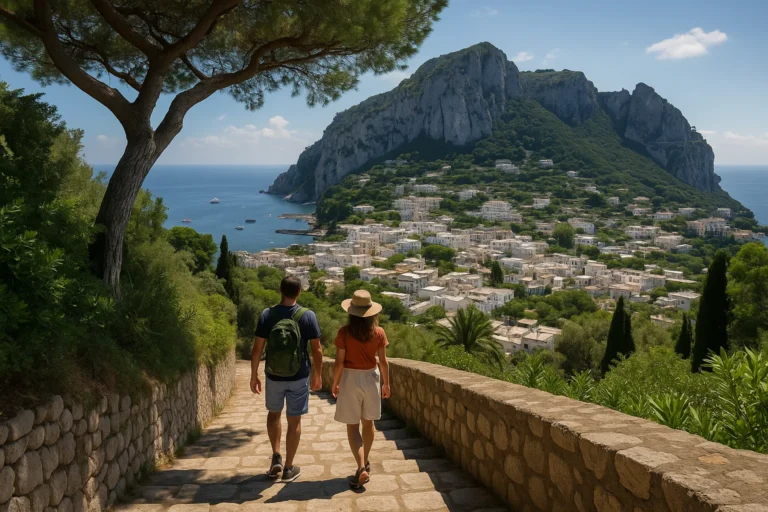
Go if you want to — it’s worth seeing at least once — but don’t let it be the only thing on your list. There’s so much more to discover here.
Walk the Scala Fenicia
The Scala Fenicia is an ancient stone staircase that connects Anacapri to Capri Town, and it’s one of the most rewarding walks on the island. The steps are steep and there are a lot of them, but the views along the way are spectacular — and because it requires actual effort, most tourists skip it entirely. That’s your advantage. Take your time, stop often, and let the panorama unfold around you.
👉 Read also: Beyond Capri: How to Experience Greek Islands & Italian Coastlines Without the Crowds (2026)
Find a Quiet Beach
Capri’s most famous beaches get busy, but the island has quieter coves and swimming spots that reward explorers willing to look beyond the obvious. Ask locally, follow the paths less traveled, and you’ll often find a stretch of water with far fewer people than the main beaches. Early morning swims — before the day-trippers arrive — are another strategy that consistently works.
Eat Where the Locals Eat
The restaurants closest to the Piazzetta tend to be the most expensive and, often, the least interesting. Wander a few streets further, look for handwritten menus, and follow your nose. Capri has a strong local food culture built around fresh seafood, local lemons, and simple, honest cooking. A plate of pasta with clams eaten at a small table away from the main tourist drag will cost less and taste better than almost anything you’ll find in the prime tourist spots.
Explore by Foot at Dawn or Dusk
The island changes completely in the early morning and at golden hour. Most day-trippers are either still on the ferry or already heading back to the mainland. These are the hours when Capri feels like it belongs to you — quiet lanes, warm light, the smell of the sea. Set your alarm, lace up your shoes, and just walk without a plan. Some of the best memories from Capri come from exactly this kind of unscripted wandering.
Take the Chairlift to Monte Solaro
From Anacapri, a chairlift carries you up to Monte Solaro, the island’s highest point. The ride itself is a slow, dreamy experience — you’re suspended above terraced gardens and pine trees with the sea spreading out below you. At the top, on a clear day, you can see the entire Bay of Naples, the Amalfi Coast, and on exceptional days, even further. It’s one of those views that makes you feel very small and very grateful at the same time.
Where to Stay Without Breaking the Bank
Capri has a reputation for being expensive, and in high season, that reputation is well-earned. But staying overnight — rather than visiting as a day-tripper — is one of the smartest decisions you can make. When the ferries take the crowds back to the mainland in the late afternoon, the island transforms. Restaurants become more relaxed, streets quiet down, and you get to experience something that most visitors never do: Capri at night.
For budget-conscious travelers, the key is flexibility and timing. Anacapri generally offers more affordable accommodation than Capri Town, and staying there gives you a more authentic experience anyway. Look at apartment rentals and smaller guesthouses rather than the big hotels — you’ll often find better value and a more genuine connection to the place. Shoulder season pricing is significantly lower than peak summer rates, which is another strong argument for visiting in May, June, September, or October.
If your budget is tight, consider staying on the mainland — in Sorrento or Naples — and making an early morning day trip. It’s not the same as sleeping on the island, but arriving on the first ferry and leaving on the last one gives you a solid window of experience, especially if you time it right and avoid the peak summer months.
Practical Tips for a Smarter Visit
- Arrive early, leave late. The window between the first ferry and the main tourist wave is golden. Use it.
- Wear comfortable shoes. Capri is hilly, the streets are uneven, and you’ll walk more than you expect. Sandals are fine for the beach; sturdy footwear is better for exploring.
- Carry cash. Smaller restaurants, local shops, and some transport options prefer cash. ATMs exist but aren’t everywhere.
- Stay hydrated. The sun on Capri is intense, especially in summer. Bring a refillable water bottle.
- Learn a few words of Italian. Even a simple buongiorno or grazie goes a long way in smaller, local establishments.
- Don’t over-schedule. Some of the best moments on the island come from following a path you didn’t plan, stopping somewhere unexpected, and just being present.
For official ferry schedules, current prices, and up-to-date information on island attractions, Capri.com’s seasonal guide is a reliable starting point for your planning.
Capri is one of those places that rewards patience and curiosity in equal measure. It’s not about ticking off the famous sights as fast as possible — it’s about slowing down enough to notice the light changing on the water, to find the café where the barista remembers your order, to climb a staircase that’s been there for centuries and feel the weight of all that history under your feet. Go at the right time, wander into the quieter corners, and you’ll find an island that’s far more layered and memorable than its Instagram reputation suggests. That’s the version of Capri worth traveling for.
This article was produced with AI assistance and reviewed editorially.


Central Asia’s Silk Road Cities: Samarkand, Bukhara & Almaty for First-Time Visitors

Bali & Lombok Itineraries: Island-Hopping for Young Travelers Who Want More Than Beaches


