
Portugal
Where to Stay in Portugal: Lisbon, Porto, Madeira & Azores Compared
Find the best places to stay in Portugal across Lisbon, Porto, Madeira, and the Azores. Compare neighborhoods, eco-hotels, and budget options for your trip.

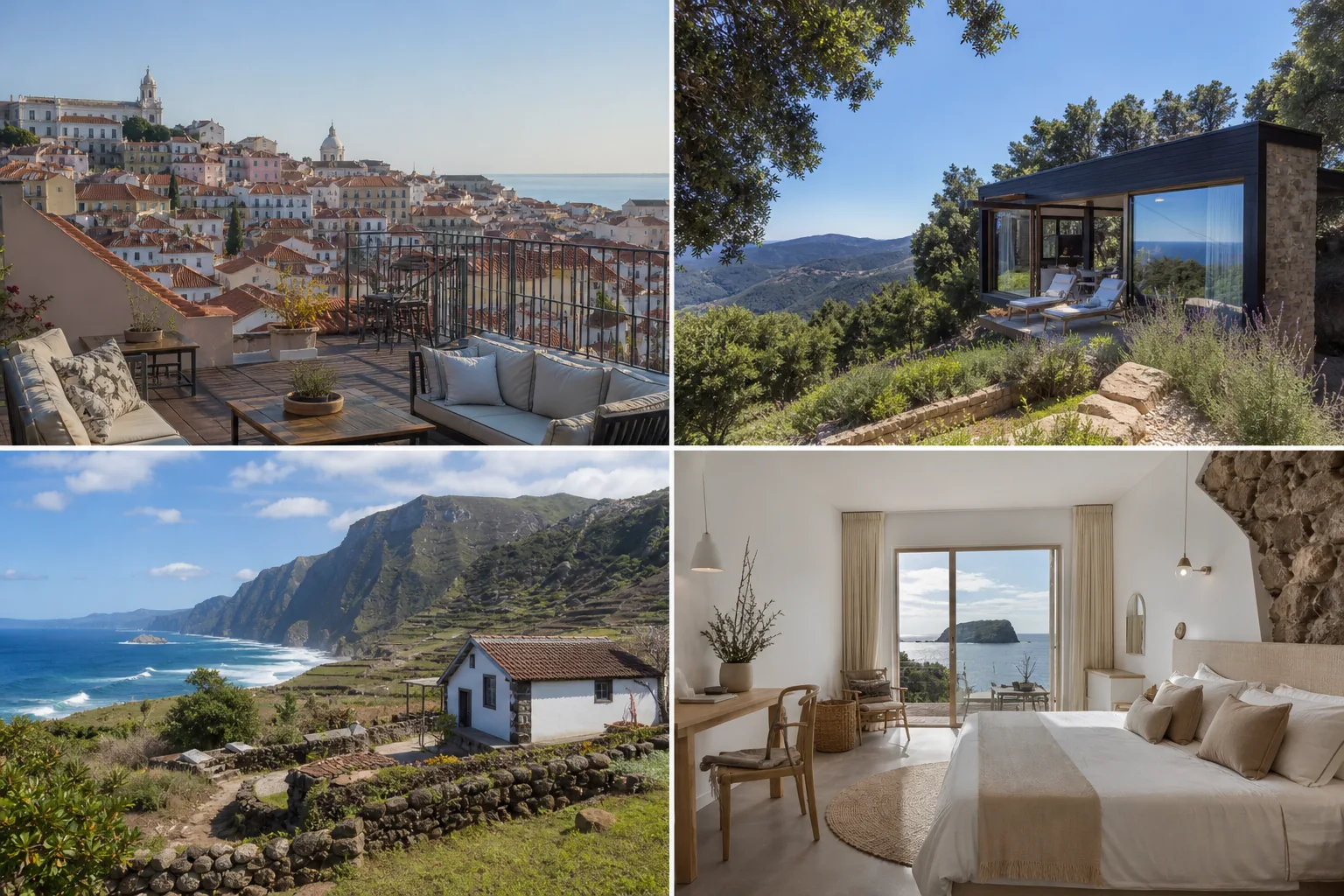
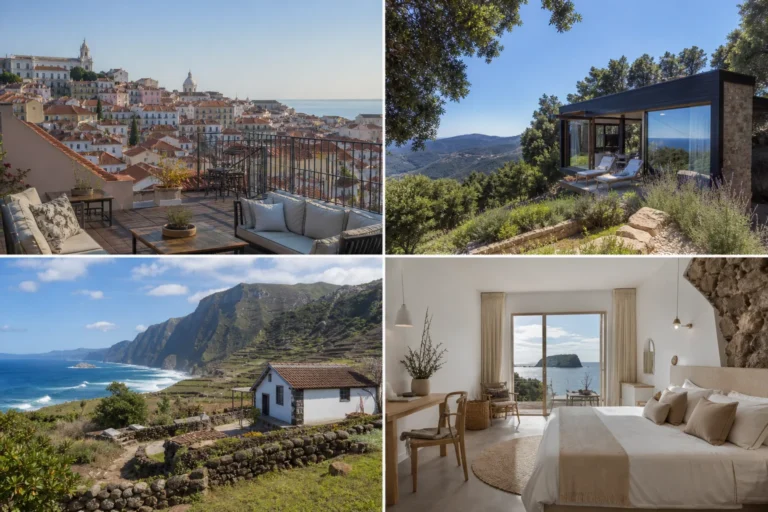
Portugal keeps showing up on every young traveler’s radar — and honestly, it deserves the attention. Whether you’re drawn to cobblestone city streets, dramatic Atlantic coastlines, or volcanic island landscapes, the question of where to stay in Portugal shapes your entire experience. With four very different regions on the table — Lisbon, Porto, Madeira, and the Azores — choosing the right base (or deciding how to split your time between them) takes a bit of thinking. This guide breaks it all down so you can match your vibe, your budget, and your travel style to the right destination.
Lisbon: Neighborhoods That Actually Suit How You Travel
Lisbon is one of those cities that rewards you for slowing down. You don’t just visit it — you feel it. The light hits differently here, the trams groan up impossible hills, and every neighborhood has its own personality. Knowing where to base yourself makes a real difference.
Alfama is the oldest and most atmospheric district. Narrow alleys wind past tiled facades, and on a quiet evening you might catch fado drifting out of a doorway. It’s romantic and gritty in equal measure. If you want to feel like you’re actually living in Lisbon rather than just passing through, Alfama delivers that. It’s also well-connected to the waterfront and the castle, so you’re never far from the city’s best views.
Mouraria sits right next to Alfama and has a more multicultural, lived-in energy. It’s less polished than some of the more tourist-heavy areas, which is exactly why it’s worth considering. The food scene is diverse and affordable, and the community feel is genuine.
For something more central and buzzing, Bairro Alto and Príncipe Real are where Lisbon’s creative and social scene lives. Independent shops, wine bars, rooftop terraces — this is where the city stays up late. If you’re traveling with friends and want to be in the middle of the action, this is your zone.
On the accommodation front, Lisbon has a solid range of options. Lisboa Central Hostel, Hostellicious, and Secret Patio Lisbon are among the well-known hostel options in the city, each offering a different atmosphere from social and party-friendly to more relaxed and boutique. Youth hostels across Portugal start from around $21 per night, making Lisbon genuinely accessible even on a tight budget. For something more upscale, Heritage Avenida Liberdade Hotel sits on one of the city’s grandest boulevards and offers a more refined Lisbon experience without losing the city’s historic character. Airbnb options are widely available across all neighborhoods, and renting a room or apartment in Alfama or Mouraria can be a brilliant way to settle into local life — just book early, especially in spring and summer when demand spikes.
Porto: A City with Real Soul
Porto feels different from Lisbon from the moment you arrive. It’s smaller, grittier, and fiercely proud of itself. The city sits along the Douro River, with the famous ribeira waterfront lined with wine lodges and old stone buildings that look like they’ve been there forever — because they have. Porto rewards curiosity. The more you wander, the more you discover.
The Ribeira district is the historic heart and a natural starting point. It’s atmospheric and lively, especially in the evenings when the terraces fill up and the lights reflect off the river. It can get crowded in peak season, but the energy is infectious. For something slightly calmer, the Bonfim neighborhood has emerged as a local favorite — more residential, with independent cafés and street art that give it a creative, unhurried feel.
Baixa, Porto’s city center, is practical and well-connected. You’re close to transport, shops, and some of the city’s most iconic architecture, including the extraordinary Livraria Lello bookshop. If you want to explore Porto efficiently and have easy access to everything, Baixa is a smart base.
→ Read also: Portuguese Islands for First-Time Visitors: Madeira vs. Azores—Which Archipelago Should You Choose?
For accommodation, Nice Way Porto Hostel and The Central House Porto are two of the well-regarded hostel options in the city, both offering the kind of social atmosphere that makes it easy to meet other travelers. For a mid-range option with a bit more character, PortoBay Flores combines comfort with genuine local charm in a well-located setting. Porto’s accommodation scene is generally more affordable than Lisbon’s, and the city’s compact size means almost any neighborhood puts you within easy reach of the highlights.
Madeira vs. the Azores: Two Island Worlds, Two Very Different Experiences
This is where things get interesting — and where a lot of travelers get stuck. Both Madeira and the Azores are Portuguese, both are Atlantic islands, and both are extraordinary. But they offer very different experiences, and understanding that difference is key to figuring out where to stay in Portugal if islands are calling your name.
Madeira: Lush, Dramatic, and Well-Set-Up for Visitors
Madeira is a single main island (plus smaller satellites) with a well-developed tourism infrastructure. It’s known for its dramatic levada walks — ancient irrigation channels that trace paths through dense laurel forests and along cliff edges — as well as its volcanic peaks, subtropical gardens, and year-round mild climate. The capital, Funchal, is the main hub for accommodation and has everything from budget guesthouses to luxury hotels.
It’s worth being upfront: Madeira is more commercialised than the Azores. That’s not necessarily a bad thing — it means the experience is smoother, logistics are easier, and the tourism scene is polished. If you want island beauty with reliable infrastructure and a clear range of accommodation options, Madeira delivers. The resort strip around Funchal caters to all budgets, and venturing further north or east takes you into quieter, more rugged territory.
Eco-conscious travelers will find options here too. Madeira’s natural landscape — much of it protected as a UNESCO World Heritage laurel forest — attracts accommodation providers who lean into sustainable practices, from small rural quintas (country estates) to lodges that prioritize local produce and low-impact tourism. These properties tend to sit outside Funchal in the island’s quieter villages and valleys, offering a genuinely different pace from the resort areas.
The Azores: Raw, Diverse, and Unforgettable
The Azores is an archipelago of nine islands spread across the mid-Atlantic, and that diversity is its greatest strength. Each island has its own character — from the volcanic crater lakes of São Miguel to the whale-watching waters around Pico and the almost impossibly green hills of Flores. The Azores is widely considered more diverse than Madeira, and if you’re the kind of traveler who wants to feel genuinely off the beaten path, this archipelago delivers that in abundance.
São Miguel is the most accessible starting point and the largest island. Ponta Delgada, its main city, is where most flights land and where you’ll find the widest range of accommodation. Hotel Marina Atlantico in Ponta Delgada is one of the well-known options here, offering comfortable, well-located stays with views over the marina. From São Miguel, island-hopping by inter-island flights or ferries opens up the rest of the archipelago.
The Azores tends to attract travelers who are genuinely interested in nature — hiking volcanic calderas, swimming in thermal pools, diving in crystal-clear Atlantic waters, and watching whales in their natural habitat. The accommodation scene is less developed than Madeira’s, but that’s part of the appeal. Small guesthouses, rural retreats, and eco-lodges are common, and staying in them puts you directly in contact with local life in a way that larger resort hotels simply don’t.
Climate-wise, both destinations are mild year-round, but the Azores tends to be more changeable — you can experience four seasons in a single day on some islands. Madeira’s south coast, sheltered by the mountains, stays warm and dry for much of the year. If predictable weather matters to you, Madeira edges ahead. If you’re happy to embrace a bit of unpredictability in exchange for wilder landscapes and fewer crowds, the Azores is hard to beat.
→ Read also: Azores vs Madeira: Which Portuguese Island Adventure Calls to You
Eco-Friendly Stays and Sustainable Choices Across Portugal
Portugal is increasingly a destination for travelers who care about how they travel, not just where they go. Across all four regions, there’s a growing movement toward accommodation that’s rooted in sustainability — whether that means solar-powered rural retreats, farm stays that source everything locally, or city hostels with strong recycling and community programs.
In Lisbon and Porto, look for smaller guesthouses and boutique properties that have invested in sustainable practices — many are now transparent about their environmental policies on booking platforms. In the islands, agro-turismo (agricultural tourism) properties are a genuinely brilliant option. These are working farms or estates that open their doors to guests, offering home-cooked meals, organic produce, and a connection to the land that you simply won’t find in a chain hotel.
Portugal has 110 youth hostels spread across the country, many of which are part of the national network and offer reliable, affordable, and often environmentally conscious accommodation. Staying in hostels isn’t just a budget move — it’s often the most sociable and community-oriented way to travel, especially if you’re on your own.
When booking any accommodation in Portugal, it’s worth checking whether the property holds any recognized sustainability certifications. The official Portuguese tourism authority provides resources on certified sustainable tourism experiences across the country, which can help you find options that align with your values.
Budget, Timing, and How to Plan Your Portugal Stay
One of Portugal’s great strengths as a destination is that it genuinely works across a wide range of budgets. You can sleep in a hostel dorm for around $21 a night or check into a historic boutique hotel and still pay less than you would in many other Western European cities. The key is knowing when to go and booking with enough lead time.
Summer — roughly June through August — is peak season across mainland Portugal and the islands. Prices rise, crowds gather, and availability tightens, especially in Lisbon’s most popular neighborhoods and in Funchal. If you can travel in spring (April–May) or autumn (September–October), you’ll find better prices, more comfortable temperatures for exploring, and a version of Portugal that feels a little more local and a little less crowded.
The Azores is worth visiting year-round for nature lovers, though whale-watching season tends to peak in spring and early summer. Madeira’s mild climate makes it genuinely appealing even in winter — it’s one of the few European destinations where hiking in December feels completely reasonable.
If you’re planning to cover multiple regions — say, Lisbon and Porto on the mainland, then a week in one of the island archipelagos — building in at least a few nights in each place makes sense. Rushing between destinations means you skim the surface; giving yourself time to settle in is where the real experience begins. Portugal rewards the traveler who stays a little longer, wanders a little further, and eats where the locals eat.
Figuring out where to stay in Portugal ultimately comes down to what kind of journey you’re after. The cities offer culture, history, and a vibrant social scene. The islands offer nature, silence, and the kind of landscapes that stay with you long after you’ve gone home. The good news? Portugal is compact enough that you don’t have to choose just one — and whatever combination you land on, you’re going to come home with stories worth telling.
This article was produced with AI assistance and reviewed editorially.


Where to Stay in Portugal: Lisbon, Porto, Madeira & Azores Compared

Beyond the Nile: Discover Egypt’s Hidden Side—Dahab, Cairo’s Authentic Streets & What Most Travelers Miss


