
France
Where to Stay in France: Hidden Gem Airbnbs in Nantes, Strasbourg, and Aix-en-Provence
Discover authentic Airbnb France accommodations in three underrated cities. Explore neighborhood guides, local tips, and how to stay like a resident beyond Paris.

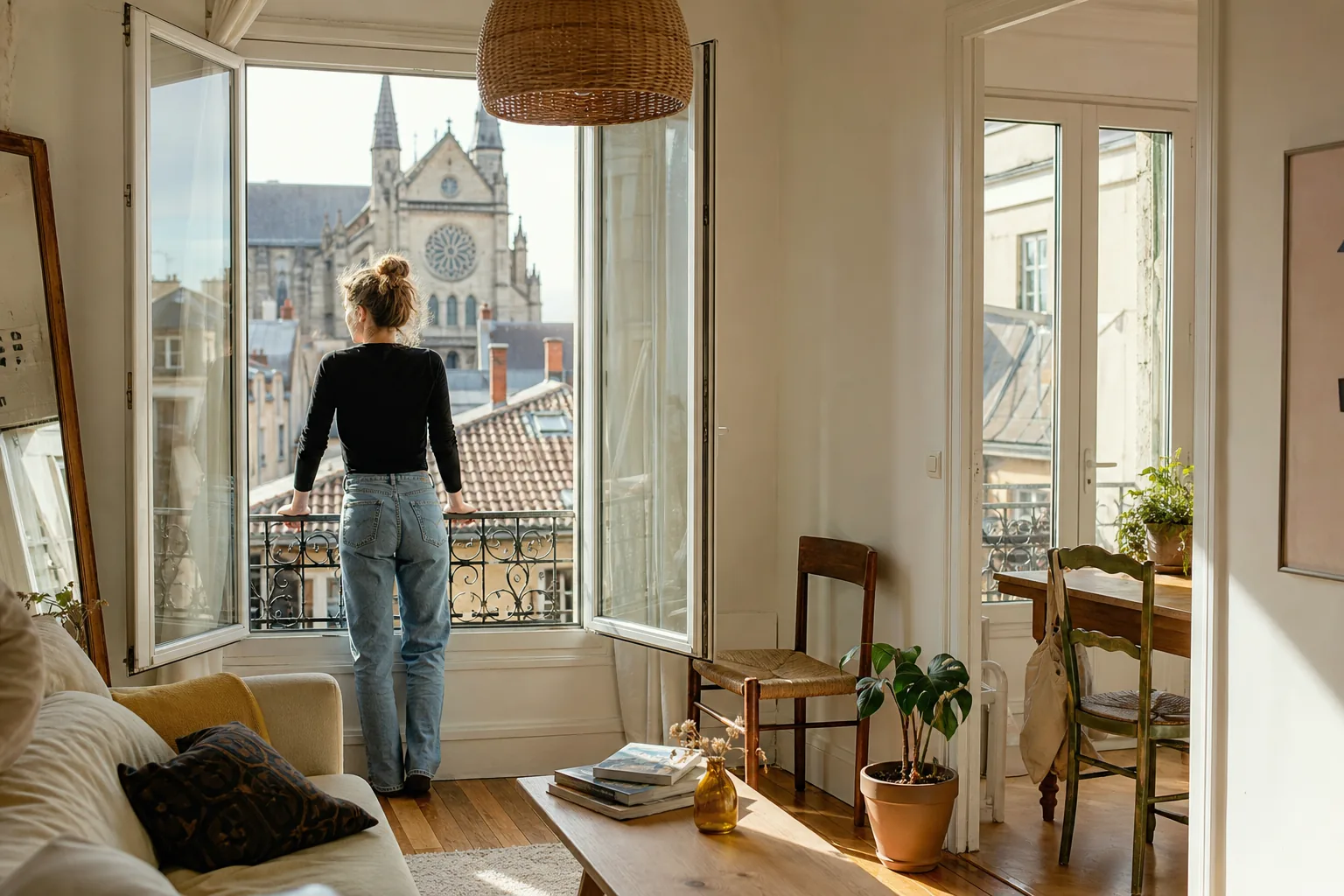
France has a way of surprising you. You think you know it — the Eiffel Tower, the Riviera, the clichés — and then you step off a train in a city you’ve barely heard of and suddenly you’re wandering through a street market, eating something extraordinary, and wondering why you ever thought Paris was the whole story. Booking through Airbnb France in cities like Nantes, Strasbourg, and Aix-en-Provence is one of the smartest moves you can make as a young traveler who wants to actually live in a place, not just pass through it. These three cities sit in completely different corners of the country, each with its own rhythm, its own food, its own reason to stay longer than you planned.
Why Skip Paris (At Least This Time)
Paris is extraordinary. Nobody’s denying that. But it’s also crowded, expensive, and — if you’re being honest — a little exhausting to navigate when you’re trying to find something that feels genuinely local. The cities that tend to stick with you are the ones where you weren’t sure what to expect. Where the neighborhood you stayed in became the neighborhood you kept thinking about long after you got home.
That’s the real argument for exploring Airbnb France beyond the capital. When you stay in an apartment in Nantes or a studio near the canals of Strasbourg, you’re not a tourist passing through. You’re borrowing someone’s life for a few days. You buy bread from the same bakery they do. You figure out which café has the best café crème. You start to understand what makes that city tick. And that, more than any landmark, is what travel is actually about.
Nantes: Where Culture Meets the Loire
Nantes sits at the edge of the Loire Valley, France’s longest river, and it carries that sense of being between things — between the Atlantic coast and the interior of the country, between old industrial heritage and a genuinely exciting contemporary arts scene. It was named a European Green Capital for a reason: the city has invested seriously in parks, cycling infrastructure, and creative urban spaces that make it feel alive in a way that’s hard to pin down until you’re there.
The most talked-about attraction is Les Machines de l’Île, a surrealist mechanical art project built in the city’s old shipyard district on the Île de Nantes. Think enormous mechanical animals, a multi-story carousel, and an aesthetic that sits somewhere between Jules Verne and steampunk. It sounds gimmicky. It isn’t. It’s one of those places that reminds you art can be genuinely joyful.
For accommodation, the Île de Nantes neighborhood is worth exploring — it’s been transformed from an industrial zone into a creative hub with design studios, independent restaurants, and a youthful energy that suits travelers who want to feel part of something happening. The Bouffay district, the old medieval heart of the city, puts you within walking distance of the castle, the covered market, and some of the city’s best wine bars. If you prefer something quieter, the neighborhoods on the north bank of the Loire offer a more residential feel — you’ll wake up to the sound of the city rather than tourists.
Nantes also makes a natural base for day trips into the Loire Valley, where you can cycle between châteaux on well-marked routes that take you through vineyards and villages that look like they’ve barely changed in centuries. It’s one of those combinations — a vibrant city plus extraordinary countryside on the doorstep — that makes a stay here feel genuinely full.
→ Read also: Where to Stay in 15 Underrated Destinations Across Asia, Europe & Latin America (2026 Guide)
Strasbourg: Alsatian Charm and Riverside Stays
Strasbourg is one of Europe’s most quietly beautiful cities, and it remains underrated in a way that feels almost deliberate. Sitting on the Rhine right on the French-German border, it has absorbed centuries of both cultures into something that belongs entirely to itself. The architecture in the Petite France quarter — half-timbered houses reflected in the canals, geraniums spilling from window boxes — looks almost too picturesque to be real. But it is real, and staying in a well-chosen Airbnb here puts you right inside it rather than photographing it from the outside.
The food alone is worth the trip. Choucroute garnie, tarte flambée, baeckeoffe — Alsatian cuisine is hearty, warming, and completely distinct from what you’ll find in the rest of France. The city’s winstubs, traditional Alsatian taverns, are exactly the kind of local institution that’s best discovered by wandering rather than booking. A stay in an apartment rather than a hotel gives you the freedom to explore at your own pace — and to come back late after one more glass of Alsatian Riesling without worrying about disturbing anyone.
If you’re visiting in late November or December, Strasbourg’s Christmas market is one of the oldest and most atmospheric in Europe. The city transforms completely — mulled wine stalls, handmade crafts, lights strung across the cathedral square — and the demand for accommodation spikes sharply. Book well in advance if you’re planning a winter visit. Riverside apartments near the canals of Petite France or in the Krutenau neighborhood, which has a student-friendly, independent spirit, tend to offer the best combination of location and value.
Outside of the Christmas period, Strasbourg is genuinely calm for a city of its size. The European Parliament is based here, which gives the city an international dimension without making it feel corporate. The bike infrastructure is excellent — you can cycle along the Rhine, across into Germany, or through the surrounding wine route villages in a single afternoon. It’s the kind of city that rewards slow travel.
Aix-en-Provence: Sun, Markets, and Provençal Living
Aix-en-Provence sits in the heart of Provence, that part of southern France where the light is different — warmer, more golden, the kind that makes everything look slightly more beautiful than it has any right to. Aix-en-Provence has over 5,610 vacation rentals available on Airbnb, with more than 211,770 verified guest reviews, which tells you something important: a lot of people have stayed here and come back to say it was worth it.
The city has a significant university population, which keeps it young and energetic in a way that’s surprising if you arrive expecting only lavender and rosé. The cours Mirabeau, the grand tree-lined boulevard at the city’s heart, is where Aix really shows itself — café terraces on one side, grand mansions on the other, market stalls on certain mornings selling everything from local olives to handmade soap. It’s the kind of street you walk down once and immediately plan to walk down again.
Staying in the Mazarin quarter, just south of the cours Mirabeau, puts you in a neighborhood of elegant streets and independent boutiques that feels genuinely residential. The Quartier Mazarin is quieter than the old town but still walkable to everything. If you want to be right in the action, the vieille ville — the old town — has Airbnb options in historic buildings where the thick stone walls keep things cool even in summer.
→ Read also: Where to Stay in Barcelona: Skip the Tourist Crowds and Find Your Neighborhood
The average nightly rate in the Aix-en-Provence city center sits around $82, which makes it one of the more accessible cities in the south of France for budget-conscious travelers. For families or groups, there are 2,510 family-friendly properties and 1,130 pet-friendly options, so it’s worth filtering specifically for what you need rather than settling for whatever comes up first.
Aix is also a gateway to the wider Provence region. The Airbnb listings for Aix-en-Provence include options that put you within easy reach of lavender fields in the Luberon Valley, the ancient Roman ruins in Arles, and a string of contemporary art museums that have made the region a genuine destination for culture as well as scenery. Day trips from Aix can take you to Marseille in under an hour, or into the Luberon hills for hiking and village-hopping in equal measure.
How to Book Smart Across All Three Cities
Finding a great Airbnb in France isn’t just about picking the right city — it’s about knowing how to search. A few things that make a real difference:
- Read the reviews carefully, not just the star rating. A 4.7-star listing with 200 reviews is almost always more reliable than a 5-star listing with 8. Look for what people say about the neighborhood, the noise level, and whether the host is responsive.
- Filter by location, not just price. A cheaper listing on the outskirts of Strasbourg might save you €20 a night but cost you an hour of travel time every day. In walkable cities like these three, proximity to the center is usually worth paying for.
- Book early for peak seasons. Strasbourg in December, Aix-en-Provence in July and August, and Nantes during its summer festival season all see demand spike sharply. Leaving it to the last minute is a gamble that usually doesn’t pay off.
- Message the host before booking. A quick message asking a specific question tells you a lot about how the stay will go. Hosts who reply quickly and warmly are almost always the ones who make the experience genuinely good.
- Look for apartments with a kitchen. Markets in all three cities are excellent. Being able to buy local produce and cook even one or two meals yourself saves money and gets you into a more local rhythm than eating out every night.
- Check cancellation policies carefully, especially if you’re booking months ahead. Travel plans change, and a flexible cancellation policy is worth a slightly higher nightly rate.
Matching the City to Your Travel Style
These three cities aren’t interchangeable — they suit different kinds of trips and different kinds of travelers.
Nantes is the one for you if you want a city that feels genuinely creative and forward-looking, with easy access to nature and the kind of arts scene that doesn’t take itself too seriously. It’s great for solo travelers, for people who love cycling, and for anyone who wants a French city experience without the tourist density of the obvious choices.
Strasbourg rewards travelers who want to go deep into a place rather than wide. It’s compact enough to feel knowable within a few days, but rich enough in history, food, and culture to keep you busy for a week. It’s particularly good for people who enjoy walking, who appreciate architecture, and who want to experience a part of France that genuinely feels like nowhere else.
Aix-en-Provence is the choice if you want warmth — literal and figurative. The southern light, the market culture, the rosé on a terrace in the late afternoon — it has a particular quality of life that’s easy to fall into. It works beautifully for solo travelers, for groups of friends, and for anyone who wants to use a city as a base for exploring a wider region.
What all three share is the thing that makes exploring Airbnb France beyond the capital so worthwhile: the sense that you’ve found something real. Not a version of France designed for tourists, but a place where people actually live, and where, for a few days at least, you get to live there too. That’s the experience that stays with you. That’s the story worth telling when you get home.
This article was produced with AI assistance and reviewed editorially.


Where to Stay in France: Hidden Gem Airbnbs in Nantes, Strasbourg, and Aix-en-Provence

Southeast Asia on a Shoestring: Vietnam, Cambodia & Beyond


