
Spain
Where to Stay in Barcelona: Skip the Tourist Crowds and Find Your Neighborhood
Discover where to stay in Barcelona by neighborhood. Skip the crowds and find authentic cafes, local bars, and the right vibe for your trip.

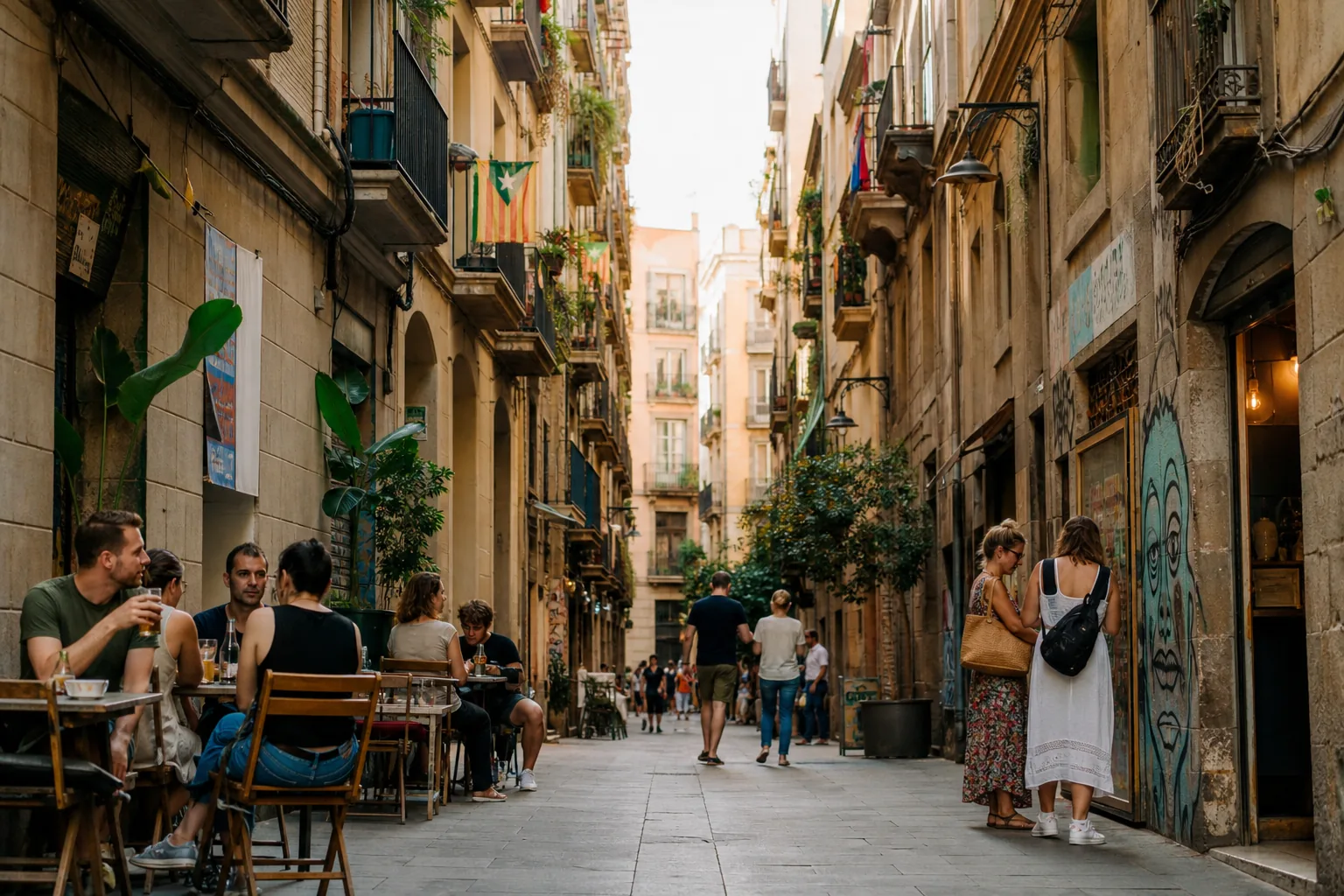
Barcelona has a reputation that precedes itself — and not always in a helpful way. Search “where to stay in Barcelona” and you’ll drown in generic lists of overpriced hotels near La Rambla, crowded Airbnbs in the Gothic Quarter, and the same handful of “top picks” recycled across a thousand travel blogs. The truth is, Barcelona is a city of distinct neighborhoods, each with its own personality, pace, and crowd — and where you base yourself will completely shape how you experience the city. Whether you’re a first-time visitor or coming back for a second look, this guide cuts through the noise and maps out the neighborhoods that actually make sense for young, curious travelers who want something more than a postcard version of Spain’s most visited city.
Why Your Neighborhood Choice Matters More Than Your Hotel
Barcelona is one of Europe’s most visited cities, which means high prices, limited availability, and tourist crowds are a real part of the equation. But here’s the thing — those pressures aren’t evenly distributed. Stay in the wrong spot and you’ll spend your days navigating selfie sticks and overpriced sangria. Stay in the right one and you’ll wake up to a neighborhood bakery, grab coffee at a counter where the barista knows the regulars, and feel like you actually live there, even if just for a week.
The city’s neighborhoods, known locally as barris, have distinct vibes that affect how visitors experience Barcelona at every level — the noise at night, the quality of food nearby, how easy it is to get around, and how much of your budget disappears on tourist-trap meals. Choosing wisely is the single most impactful travel decision you’ll make before you even book a flight.
Eixample: The Smart, Central Base
Eixample (pronounced “Eh-SHAM-pluh”) is the grid-patterned district that stretches out from the old city, and it consistently earns its reputation as a central, safe, and walkable base close to everything. The wide avenues, chamfered corners, and elegant modernista architecture give it a distinctly European feel — unhurried but never boring.
This is where you’ll find Gaudí’s most iconic works, including the Sagrada Família and Casa Batlló, making it the natural base if you’re planning to tick off the city’s architectural highlights. But Eixample isn’t just a launching pad. The neighborhood has genuine character — especially in the Esquerra de l’Eixample (left side), which is home to a thriving LGBTQ+ community, excellent independent restaurants, and some of the city’s best cocktail culture.
Accommodation here ranges from boutique hotels tucked into converted modernista buildings to apartment rentals that give you access to a full kitchen and a proper neighborhood grocery store. It’s a particularly good fit if you value having everything within a short walk or metro ride, without being in the thick of the tourist crush. The metro network is excellent throughout Eixample, and most of the city’s major attractions are reachable in under 20 minutes.
El Born: Character, History, and a Real Neighborhood Feel
If Eixample is the practical choice, El Born is the one that makes you fall in love with Barcelona. This compact, walkable district sits between the Gothic Quarter and Barceloneta, and it’s consistently presented as an alternative neighborhood with more atmosphere — the kind of place where medieval alleyways open unexpectedly onto a sunlit square, and the line between a café and a gallery is deliberately blurred.
El Born is home to a 14th-century Gothic church — the Basílica de Santa Maria del Mar — that’s arguably more beautiful than the cathedral, and far less crowded. The surrounding streets are packed with free galleries, independent boutiques, and some of the city’s most creative bars. During the day, it’s calm enough to explore on foot. At night, it transforms into one of the liveliest spots in the city without tipping into the chaos of the Gothic Quarter.
Staying in El Born means you’re a short walk from the beach, a few minutes from the old city, and surrounded by genuinely good places to eat and drink. Accommodation options tend to be smaller — boutique guesthouses, design-forward apartments, and the occasional hostel with a rooftop terrace. It’s ideal for travelers who want to feel embedded in the city rather than passing through it.
Gràcia: The Village Within the City
Head uphill from Eixample and you’ll find Gràcia, a neighborhood that feels like a separate village that got absorbed into the city and never quite let go of its identity. The streets here are narrower, the squares are smaller and more intimate, and the whole place has an indie energy that draws artists, students, and long-term expats in equal measure.
→ Read also: Barcelona & Beyond: Best Beaches, Neighborhoods & Where to Actually Stay in 2026
Gràcia is one of Barcelona’s top neighborhoods for bar-hopping, with a concentration of low-key, character-filled bars that cater to locals rather than tourists. You’ll find craft beer spots, natural wine bars, and cocktail lounges that look like someone’s living room — in the best possible way. The food scene follows the same logic: small, personal, and focused on quality over spectacle.
Park Güell sits on the edge of the neighborhood, which means you can visit early in the morning before the crowds arrive and then retreat to a quiet café for breakfast. Accommodation in Gràcia tends to be apartment-based, which suits the neighborhood’s residential character. It’s a slightly longer journey to the beach and to some of the major sights, but the metro connects you quickly, and many travelers find the trade-off entirely worth it.
El Raval and the Gothic Quarter: Central, Gritty, and Full of Energy
El Raval and the Barri Gòtic (Gothic Quarter) are the historic heart of Barcelona, and they’re recommended for bar-hopping for good reason — the density of bars, restaurants, and nightlife venues here is extraordinary. But they come with caveats that are worth understanding before you book.
The Gothic Quarter is genuinely historic. Walking its narrow, winding streets at dusk, with the stone walls lit by warm lamplight, is one of those experiences that stays with you. But it’s also extremely touristy, and the accommodation options reflect that — you’ll pay more for less space, and the noise levels can be significant. If you’re a light sleeper or planning to do a lot of early-morning exploring, this might not be your best base.
El Raval, just across La Rambla, has more edge and more authenticity. It’s a genuinely multicultural neighborhood with excellent street food, independent bookshops, and a creative scene anchored by the MACBA (Museum of Contemporary Art). Accommodation here tends to be cheaper than in the Gothic Quarter, and the neighborhood’s energy is more local. It’s not as polished as some of the other options, but that’s exactly the point.
Barceloneta: For the Beach Lovers
If your ideal Barcelona morning involves waking up, grabbing a coffee, and walking to the beach in under five minutes, Barceloneta is your neighborhood. This former fishing village turned seaside district is the obvious choice for anyone who wants to combine city exploration with time by the water.
The beach itself is lively and social — think beach volleyball, open-air bars, and a constant hum of activity from early morning until late at night. The neighborhood’s narrow grid of streets behind the seafront has its own character: fresh seafood restaurants, old-school tapas bars, and a pace of life that feels distinctly Mediterranean.
Accommodation in Barceloneta ranges from small guesthouses to larger hotels with sea views. It’s worth noting that the area can get very crowded in summer, and prices spike accordingly. If you’re visiting outside peak season, it’s a genuinely wonderful place to stay. In July or August, you’ll want to book well in advance and be prepared for the crowds.
Poblenou and Sant Antoni: The Neighborhoods Worth Discovering
Two neighborhoods that don’t always make the top of the list — but absolutely should — are Poblenou and Sant Antoni. Both offer something that’s increasingly rare in Barcelona: a genuine local atmosphere without the tourist infrastructure that can make other areas feel like theme parks.
Poblenou is Barcelona’s former industrial district, now reimagined as a creative hub. Think converted warehouses turned into studios, independent coffee shops with serious espresso programs, and a beach that’s noticeably less crowded than Barceloneta. The Rambla del Poblenou — the neighborhood’s own, far quieter version of La Rambla — is lined with local cafés and restaurants where you’ll hear more Catalan than English. It’s connected to the rest of the city by metro and bike lanes, and it’s the kind of place where you can spend an entire afternoon wandering without a plan and still have a great time.
Sant Antoni sits at the edge of Eixample and has become one of the city’s most talked-about neighborhoods for good reason. The Mercat de Sant Antoni, a beautifully restored 19th-century market, anchors a surrounding area packed with independent bars, natural wine spots, and weekend book markets. It’s walkable, social, and feels genuinely alive in a way that’s hard to manufacture. Accommodation here is mostly apartment-based, and the central location means you’re well-placed for exploring the whole city.
→ Read also: Barcelona Like a Local: 12 Cafés & 14 Cocktail Bars Where Locals Actually Spend Time (2026)
Sants and Sarrià-Sant Gervasi: Going Properly Local
For travelers who really want to step off the tourist trail, Sants and Sarrià-Sant Gervasi are two neighborhoods that stay refreshingly local. Neither is a typical tourist destination, which is precisely what makes them interesting.
Sants is a working-class residential neighborhood built around the city’s main train station. It has excellent local bars and restaurants, a strong community feel, and accommodation that’s noticeably more affordable than the central neighborhoods. It’s not the most glamorous base, but it’s well-connected and gives you an honest glimpse of everyday Barcelona life.
Sarrià-Sant Gervasi, by contrast, sits up in the hills above the city and has a quieter, more affluent character. The streets are calmer, the cafés are unhurried, and the views back down over the city are genuinely spectacular. It’s a longer journey to the beach and the main sights, but the FGC train connects it quickly to the center. If you’re someone who values peace and a slower pace, it’s worth considering — especially for longer stays.
Where Locals Actually Eat and Drink: Cafés and Cocktail Bars Worth Seeking Out
No neighborhood guide is complete without talking about food and drink — and in Barcelona, the gap between tourist-facing places and local favorites is significant. The good news is that once you know what to look for, it’s not hard to find the real stuff.
For coffee, look for small, independent spots with a focus on single-origin beans and proper espresso technique. Neighborhoods like Poblenou, Gràcia, and El Born have the highest concentration of serious coffee culture. A good rule of thumb: if the menu is printed in four languages and there’s a photo of a paella on the wall, keep walking.
For cocktails, the local bar scene is genuinely excellent. Barcelona has a strong tradition of gin and tonic culture — served in large balloon glasses with quality botanicals — as well as a growing natural wine movement and a craft spirits scene that’s been developing steadily. The best bars tend to be small, dimly lit, and slightly hidden. In El Born, look for spots tucked into side streets off the main drag. In Eixample’s left side, the bar density is high and the quality is consistent. In Gràcia, the vibe is more relaxed — places where you can stay for three hours and feel perfectly welcome doing so.
When it comes to food, the menú del día is your best friend. This set lunch menu — typically two or three courses with bread and a drink — is how locals eat on weekdays, and it’s available at restaurants across the city for a fraction of what you’d pay ordering à la carte. It’s one of the best ways to eat well in Barcelona without spending a fortune, and it’s almost always better than anything you’ll find on a tourist-oriented menu.
Getting Around: Transport and Walkability
Barcelona’s public transport network is excellent, and the metro covers most of the neighborhoods in this guide efficiently. A T-Casual card (a ten-trip card valid across metro, bus, and tram) is the most cost-effective way to get around, and it works across all the zones you’re likely to need as a visitor staying in the central districts.
Walkability varies significantly by neighborhood. El Born, the Gothic Quarter, El Raval, and Sant Antoni are all highly walkable and compact enough that you can cover a lot of ground on foot. Eixample’s grid layout makes it easy to navigate but the blocks are long, so distances can be deceptive. Gràcia and Poblenou are both very walkable internally but benefit from the metro for connections to the rest of the city. Sants and Sarrià-Sant Gervasi are further out and more dependent on public transport.
Cycling is also a genuinely viable option in Barcelona. The city has an extensive network of bike lanes, and the flat terrain along the seafront and through Eixample makes it easy to cover large distances by bike. The Lonely Planet neighborhood guide offers a useful overview of the city’s layout if you want to map out your options before you arrive.
Wherever you end up staying, the key is to resist the pull of the obvious. Barcelona rewards the curious — the traveler who turns down a side street, lingers over a second coffee, and lets the city reveal itself at its own pace. The neighborhoods beyond the tourist trail aren’t hidden exactly; they’re just waiting for someone who’s actually looking. That someone might as well be you.
This article was produced with AI assistance and reviewed editorially.


Where to Stay in Barcelona: Skip the Tourist Crowds and Find Your Neighborhood

14 Best Cocktail Bars in Barcelona: A Local’s 2026 Guide (Beyond the Tourist Traps)


