
Greece
Skip Santorini: Why Milos Is the Greek Island You Actually Need to Visit
Discover why Milos island Greece offers authentic Aegean experiences with volcanic landscapes, hidden sea caves, and quiet villages that Santorini can’t match.

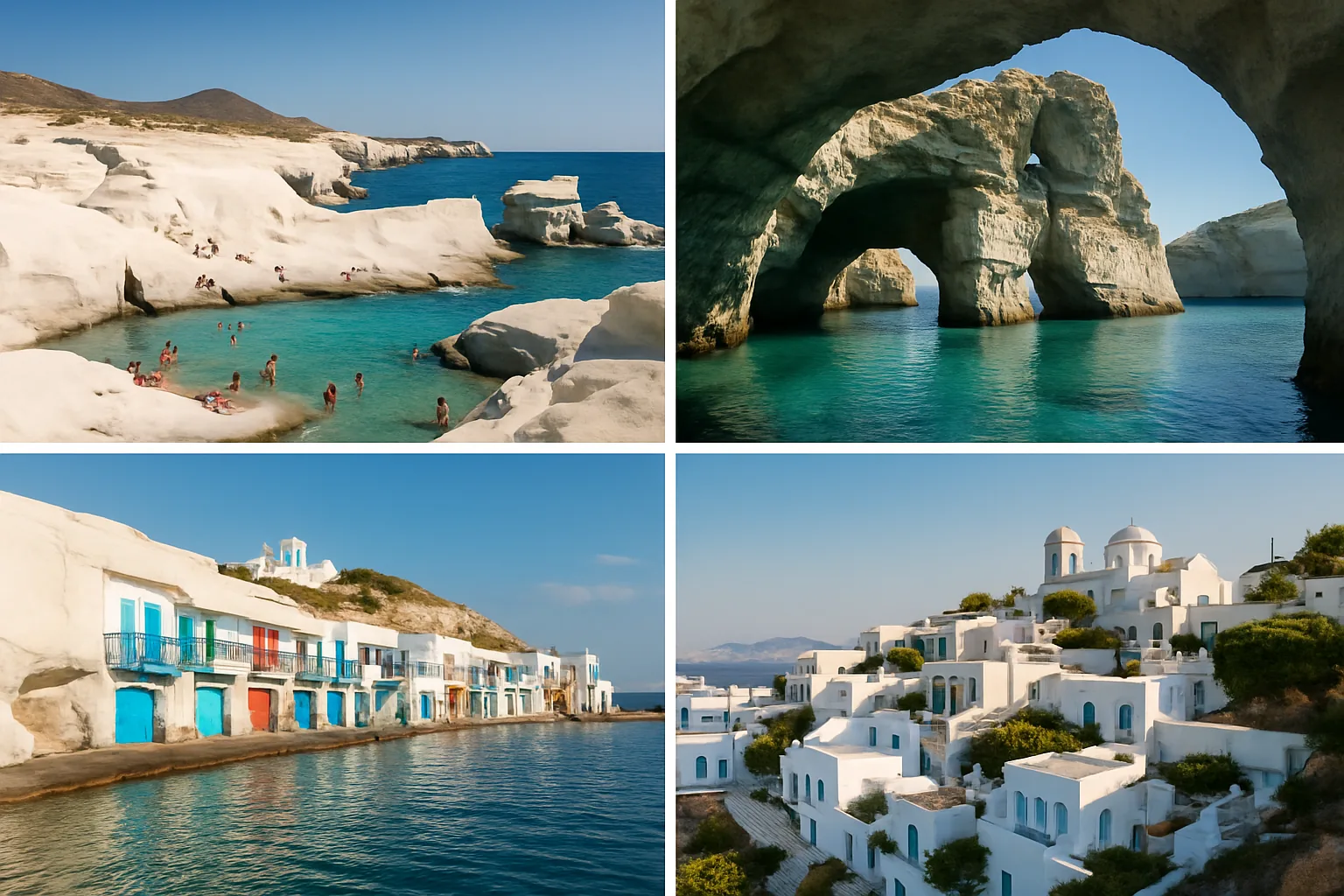
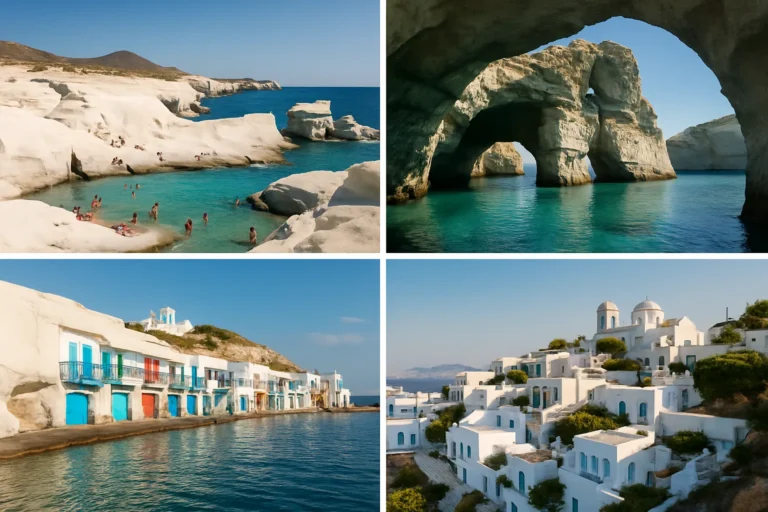
There’s a version of Greece that most travelers never get to see — not because it’s hard to find, but because everyone keeps going to the same two islands. If you’ve been dreaming of crystal-clear Aegean water, dramatic volcanic landscapes, and whitewashed villages where locals actually outnumber tourists, then Milos island Greece might be exactly the place you’ve been looking for without knowing its name. It’s the kind of destination that rewards curiosity over convention, and right now, it’s still flying under the radar in all the best ways.
Why Santorini and Mykonos Aren’t the Whole Story
Let’s be honest about what Santorini and Mykonos look like in peak season. Narrow streets packed shoulder to shoulder. Infinity pool photos taken from a queue. Sunsets watched from behind someone else’s camera. These islands are genuinely beautiful — no one’s disputing that — but they’ve become something closer to theme parks than travel experiences. The authenticity that made them famous has been slowly crowded out by the sheer volume of people chasing it.
That’s not a criticism of anyone who goes. It’s just a reason to ask: what else is out there? The Cyclades archipelago stretches across the Aegean with dozens of islands, and most of them never make it onto the mainstream radar. Milos is one of the rare exceptions — a place that offers everything you came to Greece for, without the overwhelming crowds that can make those experiences feel hollow.
When you land on Milos, the difference is immediate. There’s space. There’s quiet. There are fishing boats actually being used by fishermen, not just posed against for photos. That shift in atmosphere is worth more than any famous view, because it means you get to have a real experience rather than a performed one.
A Volcanic Island With Surreal Landscapes
Milos is a volcanic island in the Cyclades, and that geological identity shapes everything about it. The landscape here doesn’t look like anywhere else in Greece. Volcanic rock formations rise from the sea in shapes that seem almost architectural — layered, sculpted, and coloured in deep ochres, whites, and rusts that shift with the light throughout the day.
The coastline is one of the most dramatic you’ll find in the Mediterranean. Sea caves carved into volcanic cliffs open up into hidden swimming spots that feel like they belong in a different world entirely. Some are only accessible by boat, which makes reaching them feel like a genuine adventure rather than a tick on an itinerary. You charter a small vessel in the morning, navigate around the island’s jagged edges, and discover coves that have no road, no café, no sign — just water so clear you can see the seafloor from the surface.
The beaches on Milos have a character that’s hard to find elsewhere. Because the island’s volcanic origins created such varied terrain, you get everything from pale lunar-looking shores to beaches tucked beneath towering coloured cliffs. Some are fine white sand, others are smooth volcanic pebble, and a few are genuinely remote — accessible only on foot or by sea. Each one feels like a discovery, which is exactly the point.
If you’re someone who travels to feel something rather than just to see something, the landscapes of Milos will stay with you. The island’s surreal, otherworldly quality isn’t something that photographs can fully capture. You have to be there, standing at the edge of a cliff above a hidden cove, to understand why people who visit tend to come back.
→ Read also: Hidden Gems in Greece: Milos Island & Lesser-Known Alternatives to Santorini
Villages That Still Feel Like Villages
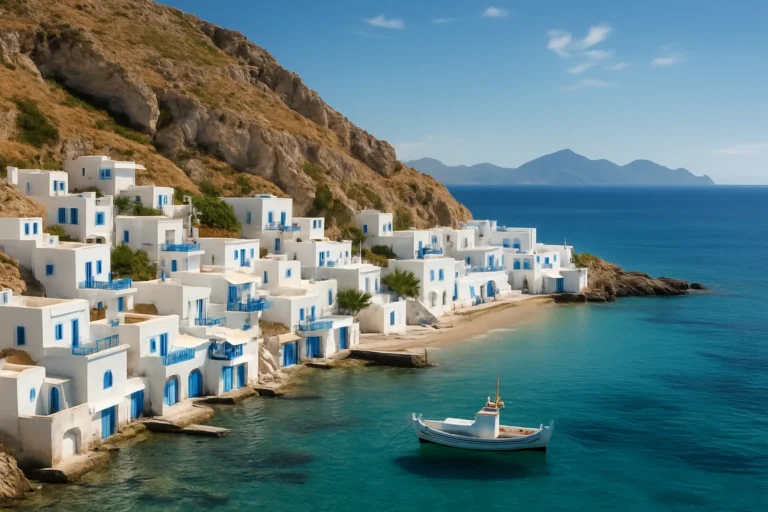
One of the most underrated things about Milos is that its communities are still genuinely communities. The island has traditional fishing villages and quintessential Cycladic architecture — the kind of whitewashed walls, blue-painted doors, and narrow lanes that you’d expect from a Greek island postcard, but without the postcard crowds.
Walking through a small harbour village on Milos in the early morning is one of those quiet, unhurried experiences that reminds you why you started travelling in the first place. Fishing boats come in. Cats sleep on walls. Someone’s grandmother hangs laundry from a window. The pace is slow in a way that feels earned rather than manufactured for tourists.
The island’s main settlement sits on a hillside and offers sweeping views over the bay, with the kind of traditional Cycladic character that’s been preserved rather than renovated for Instagram. Smaller coastal villages around the island are even more intimate — some with just a handful of houses and a tiny harbour, where the local way of life continues largely undisturbed.
This is where the authentic Greek experience that young travellers are actually looking for tends to live. Not in the rooftop bars of Mykonos or the wine tastings of Santorini, but in a taverna where the menu is handwritten, the fish was caught this morning, and the owner sits down to talk with you because there’s no queue of people waiting for your table.
History Hiding in Plain Sight
Milos has a remarkable cultural legacy that most visitors don’t expect. This is the island where the Venus de Milo was discovered — one of the most famous sculptures in the world, now housed in the Louvre in Paris. That single fact says something important about the depth of history sitting beneath the surface of this relatively small island.
Beyond that headline piece of history, Milos has layers worth exploring. The island has been inhabited since ancient times, and evidence of that long human presence surfaces in unexpected places — ancient ruins, old mining sites, and a landscape shaped by both geology and centuries of human activity. The island’s volcanic resources made it strategically and economically significant throughout history, which is reflected in the richness of what’s been left behind.
There’s also a local archaeological museum where you can encounter the island’s history more directly, including a replica of the Venus de Milo (the original, of course, is in Paris). It’s a small but worthwhile stop that adds context to everything else you’re seeing as you explore.
History on Milos doesn’t feel like a museum exhibit — it feels like part of the landscape. Ancient sites sit alongside volcanic formations, fishing villages, and beaches. You’re not visiting a preserved past; you’re moving through a place that has simply been here for a very long time.
How to Make the Most of Your Time on Milos Island, Greece
The best way to experience Milos is to slow down and stay longer than you think you need to. This is not a place for a one-night stopover. The island rewards those who give it time — who rent a small car or scooter and spend days wandering coastal roads, who book a boat trip to reach the sea caves and hidden beaches that aren’t accessible by land, who eat dinner late and linger over it.
→ Read also: Greek Island Hopping: Milos Revealed—Beaches, Caves & Hidden Gems (2026)
A boat tour around the island is genuinely one of the highlights. Many operators run day trips that take you along the coastline, stopping at sea caves, remote swimming spots, and dramatic rock formations. You’ll see parts of the island that are simply inaccessible any other way, and the perspective from the water — looking back at those volcanic cliffs and hidden coves — is something you won’t forget quickly.
For getting around on land, a rental vehicle gives you the freedom to explore at your own pace. Some of the best spots on the island are down unmarked roads or require a short hike, and having your own transport means you can follow your curiosity rather than a fixed tour schedule. That spontaneity is part of what makes Milos so good for independent travellers.
- Rent a scooter or small car to reach remote beaches and coastal viewpoints on your own schedule.
- Book a boat tour early in your stay so you can plan follow-up visits to spots you want to return to.
- Eat at local tavernas in the fishing villages rather than tourist-facing restaurants near the main harbour.
- Start your days early — the light in the morning is extraordinary, and popular spots are quieter before midday.
- Allow unplanned time — some of the best moments on Milos come from following a road to see where it goes.
When to Go and What to Expect
Milos has a Mediterranean climate, which means warm, dry summers and mild winters. The peak summer months bring the most visitors and the hottest temperatures, but even at its busiest, the island feels significantly less crowded than Santorini or Mykonos during the same period. If you visit in the shoulder seasons — late spring or early autumn — you’ll find the weather still excellent, the sea warm enough for swimming, and the island operating at a gentler pace.
Late spring is a particularly good time to visit. The landscape is green from winter rains, wildflowers appear along coastal paths, and the tourist infrastructure is open and running without the full summer intensity. Early autumn offers similar advantages — the summer crowds have thinned, accommodation is easier to find, and the sea retains the warmth it’s accumulated over months of sunshine.
Visiting in the off-season is possible and can be genuinely rewarding if you want to see the island in a quieter, more local state. Some businesses and boat tours operate on reduced schedules outside the main season, so it’s worth checking ahead. But for first-time visitors who want the full experience — beaches, boat trips, warm evenings in harbour villages — the shoulder seasons hit the ideal balance.
Reaching Milos is straightforward. Ferries connect it to Athens’ port of Piraeus, and there are also direct ferry connections to other Cycladic islands, making it easy to include in a wider island-hopping itinerary. There’s also a small airport with connections to Athens, which makes it accessible even for shorter trips. Check Visit Greece’s official tourism site for up-to-date transport and seasonal information.
The Real Reason Milos Is Worth It
Travel has a way of disappointing you when a place can’t live up to the version of itself that exists online. Santorini’s sunsets are real, but so are the crowds watching them. Mykonos has genuine energy, but so does every other party destination on earth. What makes Milos island Greece different is that it hasn’t been optimised for consumption yet. It still has rough edges, quiet corners, and the kind of unhurried atmosphere where you can actually hear yourself think.
The island offers crystal-clear waters, dramatic volcanic scenery, and rich history — not as selling points, but as everyday facts of the place. The Venus de Milo came from here. Ancient civilisations built lives here. Fishermen still go out in the early morning and come back with something worth cooking. That continuity, that sense of a place that has its own life beyond tourism, is increasingly rare in the Greek islands — and it’s exactly what makes Milos so worth your time.
You don’t need to choose Milos instead of Greece. You just need to choose a version of Greece that gives you something real. The whitewashed villages are there. The extraordinary coastline is there. The history, the food, the slow evenings and the early mornings on water that looks like it was lit from below — all of it is there, waiting for the travellers curious enough to look beyond the obvious. The question isn’t whether Milos deserves your time. It’s whether you’re ready to discover what it actually feels like to find a place before everyone else does.
This article was produced with AI assistance and reviewed editorially.


Skip Santorini: Why Milos Is the Greek Island You Actually Need to Visit

Travel on a Shoestring: How Young Travelers Are Exploring the World for Less


