
LATAM
Caye Caulker Slow Travel: Snorkeling, Street Food, and Why You Should Stay Longer
Discover Caye Caulker with this travel guide covering snorkeling, street food, hostels, and why staying longer reveals the island’s true rhythm.

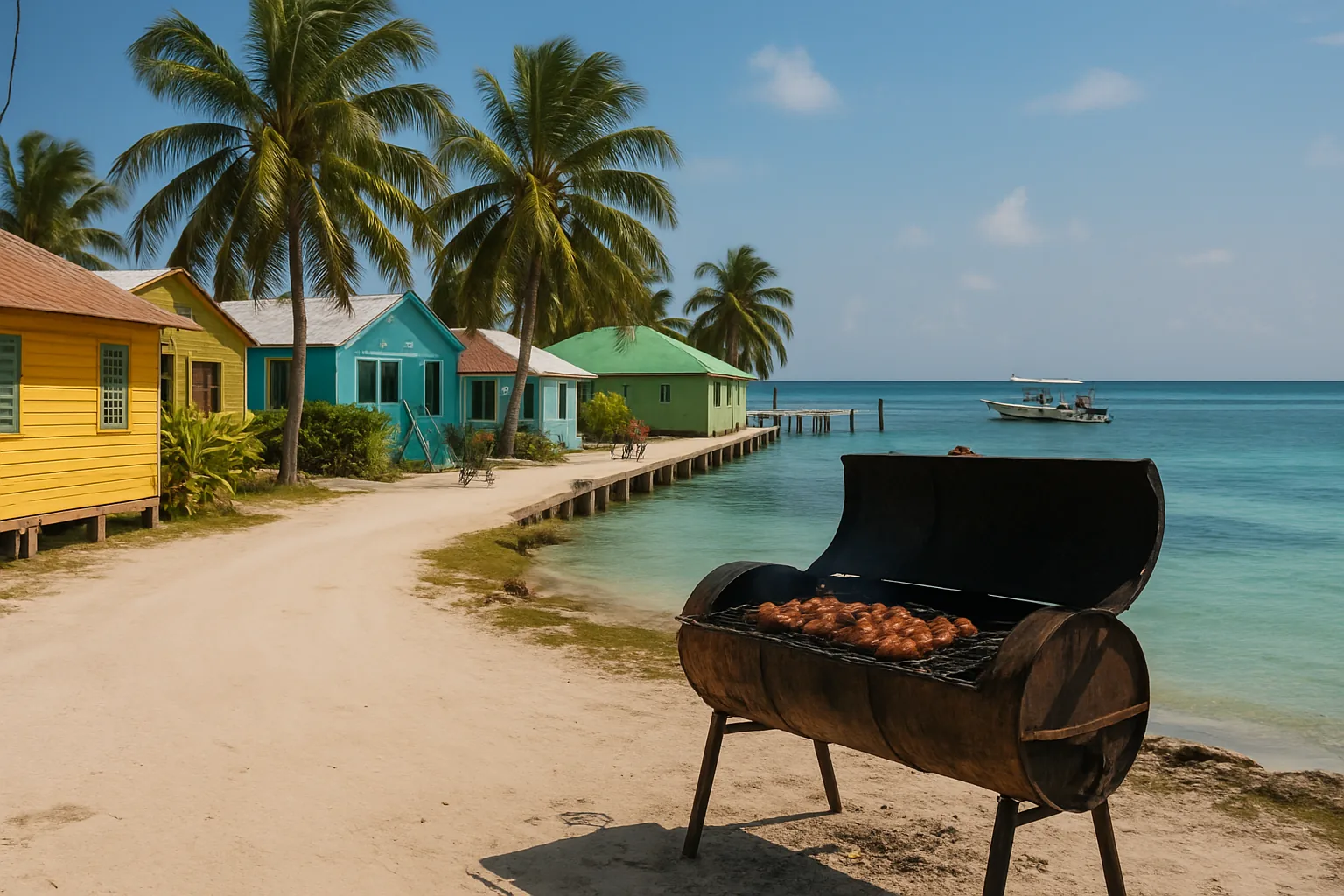
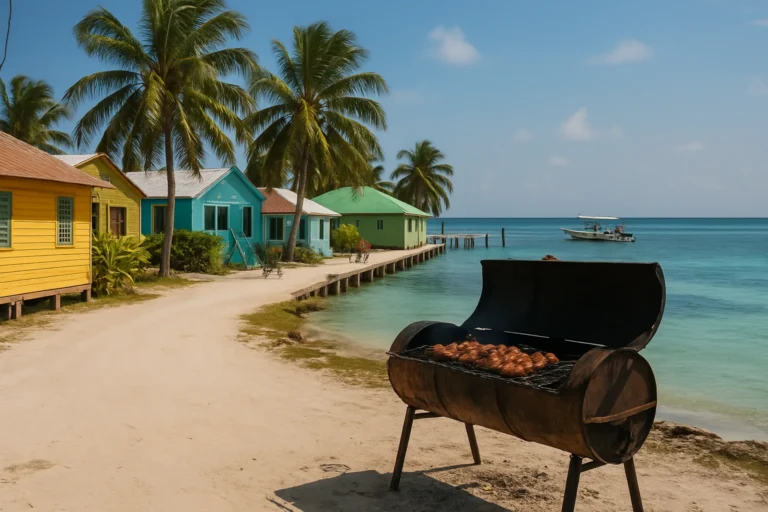
There’s a small island off the coast of Belize that seems to operate on a completely different timeline from the rest of the world. Using any decent Caye Caulker travel guide as your starting point, you’ll quickly realize that this place — just five miles long and half a mile wide — has a way of convincing even the most schedule-obsessed traveler to put the itinerary down, kick off their sandals, and simply exist for a while. That’s not an accident. It’s the whole point.
The Island That Tells You to Slow Down
The moment you step off the water taxi onto Caye Caulker’s wooden dock, you’ll notice it. The pace is different here. The air smells like salt and grilled fish. Nobody is rushing anywhere. And painted on walls, carved into signs, stitched onto hammocks — you’ll see the island’s unofficial motto everywhere: Go slow.
It’s not just a cute phrase for tourists. It’s genuinely how life works here. Locals move through the sandy streets on bicycles or on foot. Golf carts are the closest thing to traffic. The roads aren’t even paved in most places — it’s just packed sand beneath your feet, lined with painted wooden houses, flowering trees, and the occasional stray cat watching you from a fence post.
Caye Caulker sits in Belize, a country that punches well above its weight when it comes to natural beauty and laid-back culture. The island is approximately 45 minutes by water taxi from Belize City, which makes it incredibly accessible even if you’re just passing through Central America on a longer journey. And once you arrive, the question stops being “how do I get here?” and starts being “why would I ever leave?”
Slow travel isn’t a trend here — it’s the entire architecture of the place. You don’t visit Caye Caulker to tick off a list of attractions. You visit to feel what it’s like when time loosens its grip on you.
Getting Here: Water Taxis, Border Crossings, and the Road from Mexico
If you’re traveling overland through Central America — maybe coming down from Mexico the way many backpackers do — Chetumal is often the last Mexican city before you cross into Belize. From there, you cross into the Belizean town of Corozal or continue south toward Belize City, where you’ll board a water taxi to reach the island.
The water taxi from Belize City to Caye Caulker runs regularly throughout the day, and the journey takes roughly 45 minutes across open, turquoise water. It’s a genuinely exciting ride — you’re essentially skimming across the Caribbean Sea, watching the mainland disappear behind you and a thin green strip of island appear on the horizon ahead.
A few practical things worth knowing before you go:
- Water taxis operate from the Marine Terminal in Belize City, so make sure you head to the right dock — the city has more than one terminal area.
- If you’re coming from Mexico through Chetumal, you can take a bus or shared shuttle south through Belize. Budget for the full day of travel and enjoy the scenery — the northern Belizean highway is surprisingly beautiful.
- Bring cash in Belizean dollars or US dollars (both are widely accepted), because ATM access on the island is limited and sometimes unreliable.
- The journey from Chetumal to Caye Caulker can take most of a day depending on connections, so plan to arrive with enough time to settle in before dark.
- Luggage storage at the dock in Belize City is available if you need to drop bags before catching a later boat.
The overland route through Central America — the kind of journey that takes you from Mexico through Belize and eventually down to Guatemala, Honduras, and beyond — is one of the great backpacking routes of the world. Caye Caulker sits right in the middle of it, like a reward for all that bus travel.
Snorkeling the World’s Largest Barrier Reef
Here’s where things get genuinely spectacular. Caye Caulker sits right alongside the Mesoamerican Barrier Reef, the world’s largest barrier reef system. That means the snorkeling here isn’t just good — it’s the kind of experience that makes you forget you were ever nervous about putting your face underwater.
👉 Read also: Hidden Beach Towns & Islands for Young Travelers: Cape Cod, Sanibel Island & Catalina Island (2026)
Most snorkeling trips depart from the island’s main dock area in the morning, run by local operators who know these waters intimately. A typical boat trip will take you to multiple reef sites in a single outing — you might spend an hour drifting over coral gardens before the boat moves on to a deeper site where nurse sharks and rays gather in shallow, sandy water. Yes, nurse sharks. They’re docile and curious, and swimming alongside them is one of those moments that genuinely doesn’t translate into words or photos.
The Blue Hole — a UNESCO-listed marine sinkhole visible from above as a perfect dark circle in the turquoise sea — is a longer day trip from Caye Caulker, usually combined with stops at Half Moon Caye and Lighthouse Reef. It’s a full day on the water and worth every hour, especially if you’re a diver or a snorkeler who wants to see something truly unlike anything else on the planet.
When choosing a boat tour operator, look for:
- Small group sizes — the best trips keep numbers low so you’re not fighting for space in the water.
- Local guides who can identify marine life and share knowledge about the reef ecosystem.
- Trips that include snorkel gear, a light meal or snacks, and stops at multiple sites.
- Operators who follow responsible reef guidelines — no touching coral, no feeding wildlife.
Even if you’re not a confident swimmer, the reef’s shallow sections near the island are calm and accessible. You can wade out from The Split — a natural channel dividing the northern tip of the island — and be floating over reef in minutes.
The Split and the Social Heart of the Island
Speaking of The Split: if Caye Caulker has a social epicenter, this is it. The Split is a narrow channel of water at the northern end of the island, created by a hurricane decades ago, and it’s become the place where travelers and locals gather to swim, drink cold drinks, watch the water, and do absolutely nothing productive for hours at a time.
There’s a bar right on the water’s edge where you can sit on a dock with your feet dangling over the Caribbean and watch boats pass. The current through The Split is gentle, the water is clear, and the vibe is exactly what you’d hope for from a Caribbean island that tells you to go slow.
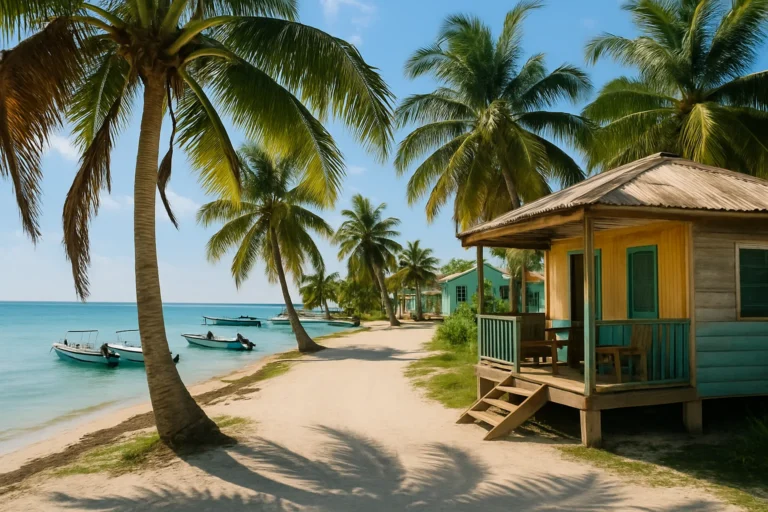
It’s also a great place to meet other travelers. Caye Caulker has a strong backpacker community — people passing through on long overland routes, people who came for three days and stayed for three weeks (it happens constantly), and people who have simply decided this is their favorite place on earth. The conversations you have at The Split over a cold Belikin beer often turn into travel friendships that outlast the trip itself.
Street Food and the BBQ Culture You Need to Experience
One of the most underrated parts of any solid Caye Caulker travel guide is the food section, and specifically the island’s street BBQ scene. As evening falls and the heat of the day softens, the sandy main street fills with smoke and the smell of grilling meat and fish. Local vendors set up grills right on the street, cooking whole fish, chicken, and lobster (when it’s in season) over open flames.
This is where you want to eat. Not in the tourist restaurants with laminated menus — here, on a plastic stool, with your plate balanced on your lap and a cold drink sweating beside you on the sand.
Belizean food is a fascinating blend of Creole, Mayan, Garifuna, and Caribbean influences. On Caye Caulker, that means:
- Rice and beans — the cornerstone of almost every local meal, cooked with coconut milk and served alongside whatever protein you’ve chosen.
- Grilled fish — caught locally, seasoned simply, and cooked over charcoal until the skin crisps and the flesh flakes apart.
- Fry jacks — deep-fried dough pillows that show up at breakfast, eaten with eggs, beans, or just honey. They’re one of those foods that become a daily habit embarrassingly quickly.
- Stewed chicken — slow-cooked with local spices, rich and deeply savory, often served as the lunchtime staple at small local spots.
- Lobster — available during lobster season (roughly June through February) and genuinely worth splurging on when it’s fresh off the boat.
For breakfast, look for small spots run by local families serving fry jacks and eggs. For lunch, follow your nose to wherever rice and beans are being ladled out in generous portions. And for dinner, the street BBQ is the move — every time.
👉 Read also: Caribbean & Central America Escapes: Belize, Isla Mujeres & Island Life (2026)
Where to Stay: From Hostels to Guesthouses
Caye Caulker has accommodation for basically every budget, and the good news is that even the budget options tend to be genuinely pleasant. The island’s small size means nothing is far from the beach, the dock, or the main street — so location is rarely a problem.
At the budget end, hostels on Caye Caulker tend to be small, social, and well-run. Dorm beds in a good hostel will get you access to a common area, often a hammock or two, and the kind of communal atmosphere where you’ll end up joining a snorkel trip with people you just met over breakfast. Look for hostels that organize group activities or have notice boards with tour options — those tend to be the ones where the community vibe is strongest.
When choosing a hostel, prioritize:
- Air conditioning or strong fans — the Caribbean heat is real, especially from June to October during Belize’s slow tourism season.
- Secure lockers for valuables.
- A communal kitchen if you want to save money on some meals.
- Proximity to The Split or the main dock area for easy access to boat tours.
At the mid-range, guesthouses on Caye Caulker offer private rooms with en-suite bathrooms, often in charming wooden buildings with verandas or small gardens. Many are family-run, which means the service is personal and the local knowledge is genuine. These spots tend to fill up quickly during high season (November through May), so booking ahead is wise.
For those willing to spend a little more, there are small boutique hotels and cabanas right on the water — the kind of places where you wake up to the sound of the sea and fall asleep to it too. These won’t break the bank the way a resort in another destination might, and the experience of sleeping that close to the Caribbean is hard to put a price on.
Whichever category you choose, book accommodation in advance if you’re visiting between December and April. The island is small, the accommodation stock is limited, and the good places fill up fast. During the slow season, you’ll have more flexibility and often better prices — and the island has a quieter, more local feel that many travelers actually prefer.
How Long Should You Actually Stay?
Here’s the honest answer: longer than you planned. Caye Caulker is one of those places that has a strange gravitational pull. You arrive thinking you’ll spend two nights before moving on to Guatemala or back to the mainland. Then you do one snorkel trip and eat one plate of grilled fish at sunset and suddenly two nights becomes five.
There are travelers who come for a long weekend and end up staying for weeks — the kind of slow, immersive experience that this Caye Caulker travel guide is really about. Three to five days gives you enough time to do a reef snorkel trip, a day trip to the Blue Hole, explore the island properly on foot, eat your way through the street food scene, and actually decompress. If you have the time, lean into it.
The island rewards patience. The longer you stay, the more you start to recognize faces — the woman who sells the best fry jacks, the boat captain who knows exactly where the turtles feed, the other travelers who’ve been here for weeks and have stopped counting days. That’s when Caye Caulker stops being a destination and starts being an experience.
The Belize Tourism Board is a useful official resource for up-to-date entry requirements, seasonal information, and marine park guidelines — worth checking before you travel, especially if you’re planning multiple destinations within Belize.
Caye Caulker won’t be for everyone. If you need constant stimulation, a packed activity schedule, or nightlife that goes past midnight, you might find the pace frustrating. But if you’re ready to let go of the rush — to eat slowly, swim slowly, watch the sun set slowly over the Caribbean — this tiny island will give you something that’s genuinely hard to find anywhere else: the feeling that you’ve actually arrived somewhere, rather than just passing through.
This article was produced with AI assistance and reviewed editorially.


Caye Caulker Slow Travel: Snorkeling, Street Food, and Why You Should Stay Longer

Southeast Asia on a Shoestring: Budget Routes Across Thailand, Vietnam & Cambodia


