
Ecuador
Ecuador & South America’s Gateway: Quito as a Base for Adventure
Discover why Quito deserves more than a quick stopover. This travel guide covers the historic center, neighborhoods, local food, and day trips to cloud forests and beyond

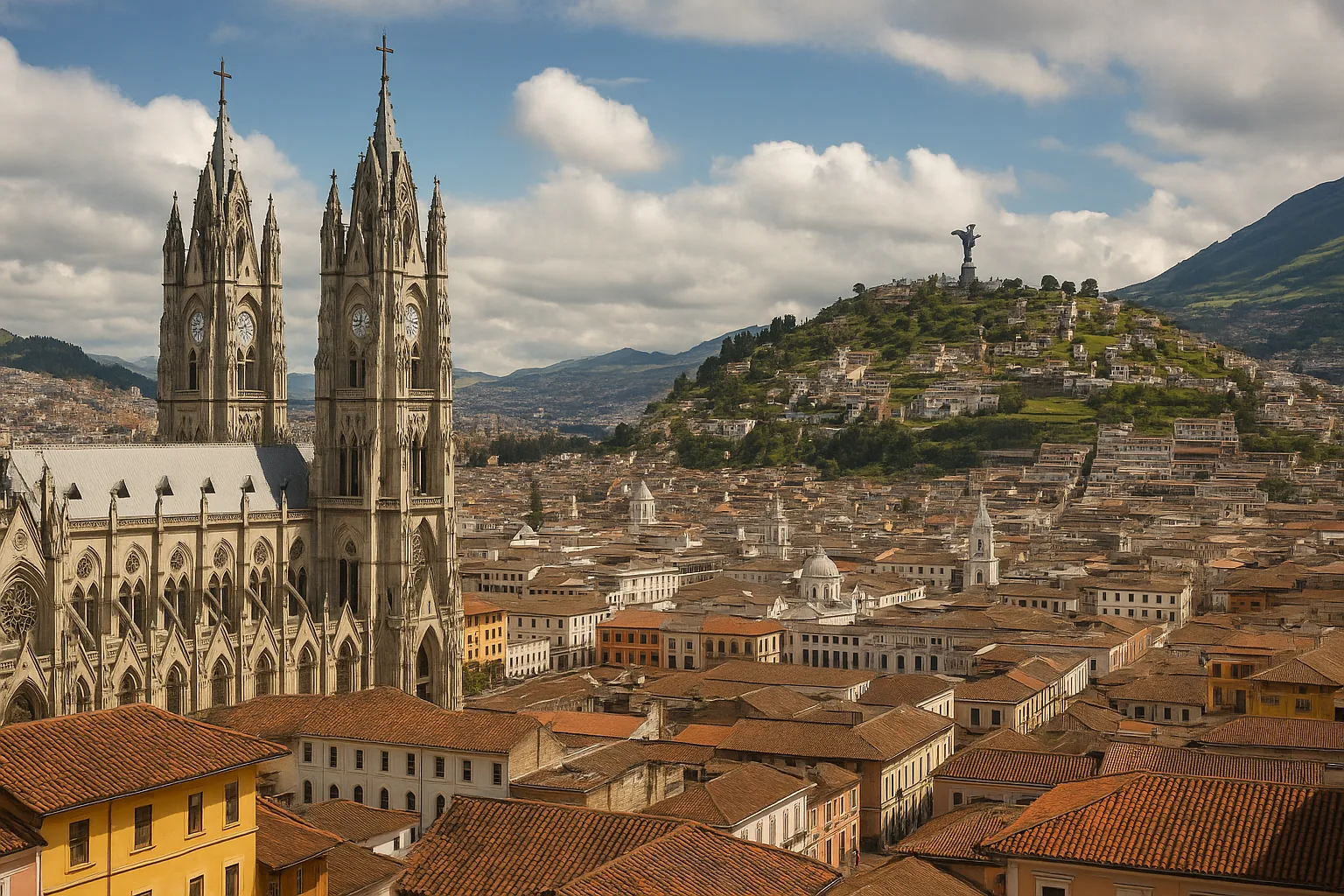
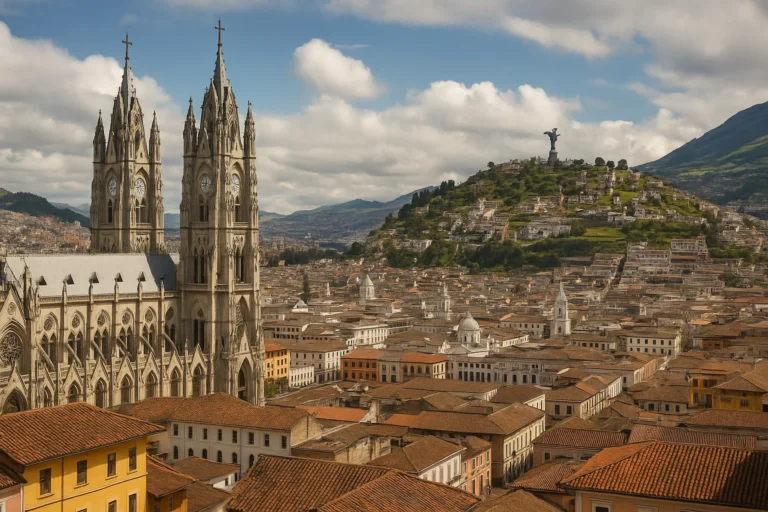
If you’ve been doing any research on South America and find yourself falling deeper and deeper into a rabbit hole of maps, itineraries, and travel forums — welcome. That’s what Quito does to people. This Quito, Ecuador travel guide is here to help you understand why so many young travelers treat the city not as a quick layover, but as a genuine home base — a place that pulls you in, feeds you well, and then sends you out into some of the most extraordinary landscapes on the planet. Whether you’re dreaming of cloud forests, volcanic craters, Amazonian rivers, or the Galápagos Islands, Quito sits at the center of it all.
Why Quito Deserves More Than a Single Night
A lot of travelers make the mistake of treating Quito as a stepping stone — somewhere to land, sleep off the jet lag, and rush through before heading somewhere “more exciting.” That’s a missed opportunity. Quito is a gateway to Ecuador and the Andes, yes, but it’s also a city worth exploring on its own terms. It’s vibrant, layered, and full of personality.
Sitting high in the Andes at an elevation that genuinely takes your breath away — literally, the altitude will humble you on day one — Quito is one of the highest capital cities in the world. That alone makes arriving here feel like an event. The air is thinner, the light is different, and the city sprawls across a dramatic mountain valley in a way that feels almost cinematic.
Give yourself at least three to four days in the city before you start planning excursions. You’ll need time to acclimatize, and you’ll want time to actually experience the place rather than just pass through it.
Exploring the Historic Center and the City’s Neighborhoods
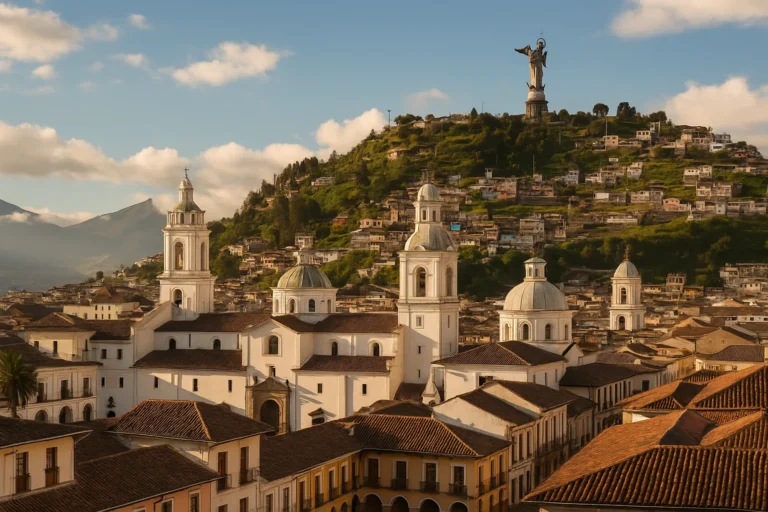
Quito’s historic center is one of the best-preserved colonial old towns in Latin America, and wandering through it feels like stepping into a different era. The streets are narrow and cobblestoned, the churches are enormous and ornate, and the plazas buzz with local life at all hours. Head out early in the morning when the light is soft and the crowds are thin — you’ll have the streets almost to yourself, and the whole place takes on a quiet, almost dreamlike quality.
The neighborhood of La Floresta is where you’ll find a younger, more creative energy. It’s full of independent cafés, street art, bookshops, and small restaurants run by people who are genuinely passionate about what they’re doing. If you want to connect with the local arts scene or find a coffee shop where you can actually sit for two hours and plan your next move, this is your neighborhood.
La Mariscal is the area most travelers gravitate toward — it’s where you’ll find hostels, international restaurants, and a nightlife scene that goes properly late. It’s convenient and social, which makes it a great place to meet other travelers. Just don’t mistake it for the “real” Quito. Make sure you also spend time in neighborhoods that feel less curated, where locals go about their everyday lives and the city’s authentic character comes through.
👉 Read also: Quito, Ecuador: Why This Mountain Capital Is Ecuador's Cultural Hub
Quito has vibrant nightlife, delicious local cuisine, and genuinely friendly locals — and the food scene is something you should take seriously. Try seco de pollo, a slow-cooked chicken stew that’s deeply satisfying after a long day of walking. Llapingachos — pan-fried potato cakes — are everywhere and they’re brilliant. And if you’re feeling adventurous, order a bowl of caldo de patas, a traditional tripe and potato soup that locals swear by on cold mornings. Street food is affordable, generous, and often better than anything you’ll find in a restaurant.
Day Trips That Will Genuinely Blow Your Mind
One of the biggest reasons to use Quito as a base is how much you can reach in a single day. The geography of Ecuador is almost absurdly diverse — you can leave Quito in the morning and be standing in a cloud forest, at the rim of a volcanic crater, or in a centuries-old indigenous market by lunchtime. Top day trip recommendations from Quito include Mindo, Cotopaxi, Quilotoa, and Otavalo — and each one offers something completely different.
- Mindo is a cloud forest village a few hours from the city, and it’s the kind of place that makes you feel like you’ve wandered into a nature documentary. The biodiversity is extraordinary — birdwatchers especially lose their minds here — and you can spend the day hiking, zip-lining through the canopy, or just sitting by a waterfall listening to the forest.
- Cotopaxi is one of the world’s highest active volcanoes, and even if you’re not planning to summit it, getting close is an experience you won’t forget. The landscape around it is wild and open, and adventure activities in the region include trekking, horseback riding, and kayaking — Cotopaxi is a great place to do all three.
- Quilotoa is a volcanic crater lake with water that shifts between deep turquoise and jade green depending on the light. The hike around the rim is one of the most visually spectacular walks in South America. Getting there takes a bit more effort, but it’s absolutely worth it.
- Otavalo is home to one of the most famous indigenous markets in South America, held every Saturday. The market has been running for centuries and remains deeply authentic — you’ll find handwoven textiles, carved wood, leather goods, and fresh produce alongside artisans who are genuinely proud of their craft. The surrounding landscape of lakes and mountains makes it worth staying a night if you can.
Using Quito as a Launchpad for Bigger Adventures
Here’s where things get really exciting. Quito is close enough to both the Pacific Coast and the Amazon to make arranging excursions straightforward, and that’s a rare thing. Most cities in the world sit in one ecosystem. Quito sits at the crossroads of several.
The Amazon is accessible from Quito with a combination of road and river travel, and spending even a few nights in the jungle is one of those experiences that genuinely shifts your perspective. You’ll hear sounds you can’t identify, see wildlife you’ve only ever seen in documentaries, and spend evenings in a lodge with no phone signal, just the jungle doing its thing all around you. It’s humbling in the best possible way.
The Galápagos Islands are reachable by flight from Quito, and while they’re not a budget destination, they’re one of those places where the investment feels completely justified. The wildlife is famously unafraid of humans — you’ll have sea lions sleeping next to you on benches and blue-footed boobies performing their mating dance a meter away. It’s surreal and wonderful and unlike anywhere else on earth.
For those thinking even bigger, Quito is also a natural starting point for longer overland journeys through South America. A 65-day trip from Quito to Rio de Janeiro covers seven countries and includes three nights in the Amazon — that kind of route gives you a sense of just how central Quito is to the continent’s geography. You can head south through Peru and Bolivia, loop through Argentina and Chile, or push east toward Brazil. The options are genuinely staggering.
Getting Around and Practical Logistics
Quito’s Mariscal Sucre International Airport connects the city to major hubs across South America and beyond, making it a practical entry and exit point for regional travel. Flights to Lima, Bogotá, Buenos Aires, and other key cities are available regularly, and overland bus travel — a staple of backpacker culture in South America — is well-developed throughout Ecuador and into neighboring countries.
Within the city, public transport is affordable and reasonably reliable. The Ecovía and Trolebús lines run along the main north-south corridors and are the fastest way to move between neighborhoods without getting stuck in traffic. Taxis are plentiful and generally inexpensive by international standards — just make sure you agree on a fare before getting in, or use a ride-hailing app for transparency.
👉 Read also: Quito, Ecuador: From 24-Hour Stopover to 10-Day Base Camp (Travel Guide 2026)
For day trips, you have a few options. Organized tours are the easiest and often the most social — you’ll meet other travelers and have logistics handled for you. But if you prefer independence, local buses connect Quito to most nearby destinations at very low cost. It takes a bit more patience and planning, but it’s also a more immersive way to travel.
Where to Stay and How to Budget Your Trip
Quito offers accommodation across a wide range of styles and price points. The hostel scene is strong — particularly in La Mariscal — and you’ll find everything from basic dorm beds to well-designed private rooms with rooftop terraces and communal kitchens. Hostels are a great way to meet people and often serve as informal information hubs where you can pick up tips from travelers who’ve just come back from wherever you’re planning to go next.
Guesthouses and small boutique hotels in the historic center offer a more atmospheric experience, often housed in colonial buildings with high ceilings, internal courtyards, and the kind of character that modern hotels rarely manage to replicate. They tend to be quieter and give you a stronger sense of place.
Food costs in Quito are generally quite manageable. Eating at local comedores — small, informal lunch restaurants — will get you a full meal including soup, a main course, and a drink for very little money. Markets are even cheaper and a great way to eat well while connecting with the rhythm of daily life. Your biggest expenses will likely be excursions and any flights to places like the Galápagos, so it’s worth budgeting for those separately and being flexible on accommodation and food.
The Best Time to Visit and What to Expect
Ecuador sits on the equator, which means Quito doesn’t have seasons in the traditional sense. Instead, the city alternates between a drier period and a wetter period. The drier months — roughly from June through September — tend to be the most popular with travelers, offering clearer skies and better conditions for outdoor activities like hiking and volcano visits. But the wetter months aren’t without their appeal: the landscape is lush and green, crowds thin out, and prices often drop.
Pack layers regardless of when you go. Quito’s altitude means mornings and evenings can be genuinely cold, while midday sun at the equator is intense. Weather can shift quickly, especially if you’re heading into the mountains or the cloud forest. A light waterproof jacket is non-negotiable. Good walking shoes will serve you far better than sandals.
One thing worth knowing: altitude sickness is real and it affects people differently. Take your first day or two slowly, drink plenty of water, avoid alcohol initially, and don’t be surprised if you feel short of breath climbing stairs. It passes, and once you’ve acclimatized, you’ll barely notice it. Check out Not Your Average American’s guide to Quito as a gateway for additional perspective on navigating the city’s unique geography and culture.
Quito is one of those cities that rewards curiosity. The more you wander, ask questions, and say yes to things you hadn’t planned, the better your experience will be. It’s a city that works as a destination in its own right and as a springboard for some of the most extraordinary adventures South America has to offer — and that combination is genuinely rare. Whether this is your first time in South America or your fifth, using this Quito, Ecuador travel guide as your starting point means you’re already thinking about the trip the right way: not as a checklist, but as an open door.
This article was produced with AI assistance and reviewed editorially.


Quito, Ecuador: From Stopover to 10-Day Adventure in the Andes

Ecuador & South America’s Gateway: Quito as a Base for Adventure


