
Ecuador
Quito, Ecuador: Why This Mountain Capital Is Ecuador’s Cultural Hub
Discover why Quito is Ecuador’s cultural heart. Explore colonial architecture, local markets, museums, and use it as a base for Amazon and Andes adventures.

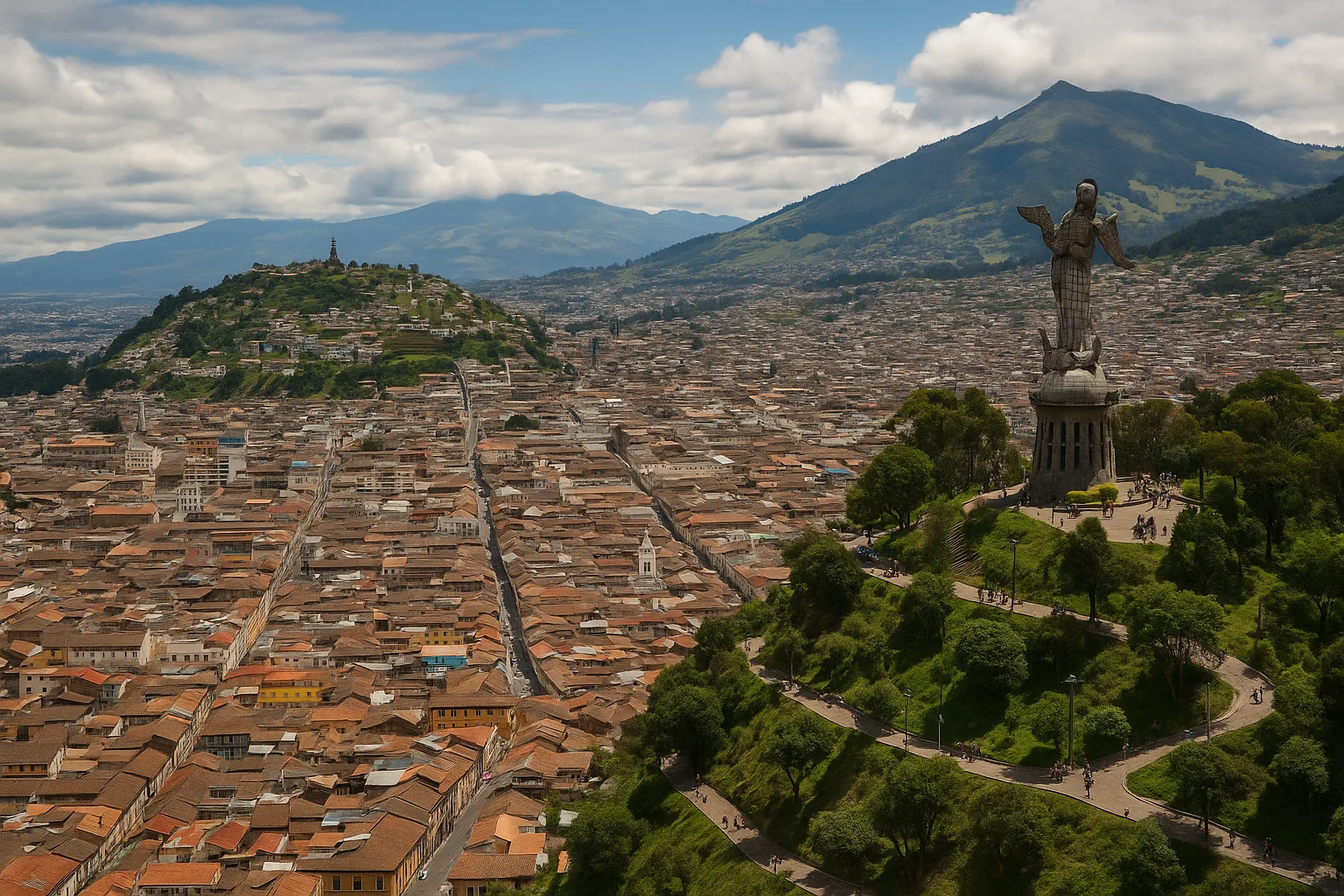
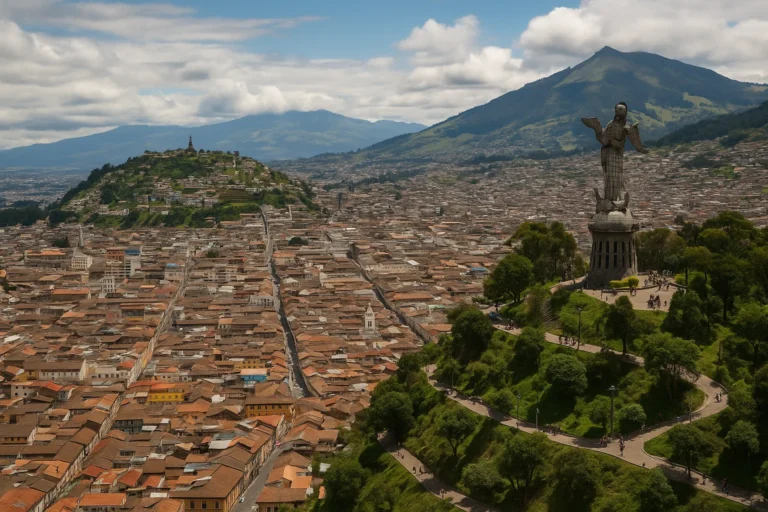
Quito has a way of pulling you in and refusing to let go. Perched high in the Andes mountains, Ecuador’s capital is one of those cities that rewards slow exploration — the kind where you turn down an unmarked alley and stumble onto a church that’s been standing since the 1600s, or where you share a bowl of soup with a stranger at a market stall and leave feeling like you’ve made a friend for life. If you’re trying to figure out the best things to do in Quito, Ecuador, the honest answer is: more than you think, and probably not in the order you’d expect.
Why Quito Deserves More Than a Layover
A lot of travelers treat Quito as a jumping-off point — a quick stop before heading to the Galápagos or the Amazon. That’s understandable. Ecuador packs an extraordinary amount of natural wonder into a relatively small country, and it’s tempting to rush past the capital in pursuit of wildlife and jungle. But that would be a mistake.
Quito is the second highest capital city in the world, sitting in a valley carved into the Andes at an altitude that makes the light feel different — sharper, cleaner, almost electric. The city is nestled between dramatic mountain ridges and patches of cloud forest, so even from the middle of a busy street, you’re never far from a view that stops you mid-sentence. That geography alone is worth pausing for.
Then there’s the history. Founded in 1534 by Spanish conquistador Sebastián de Benalcázar, Quito carries centuries of layered culture in its streets, its food, its music, and its people. In 1978, it became one of the first cities in the world to be designated a UNESCO World Heritage Site, recognised for its extraordinarily well-preserved colonial architecture. Walking through the historic centre feels less like visiting a museum and more like stepping into a living city that simply never forgot where it came from.
That combination — dramatic landscape, deep history, vibrant contemporary culture — is what makes Quito so compelling. It’s not just a place you pass through. It’s a place you return to.
Exploring the Historic Centre: Where the City Began
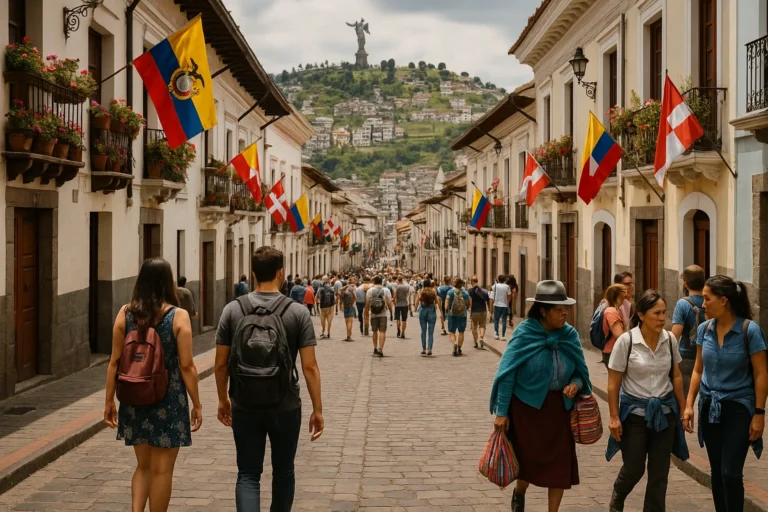
The historic centre, known locally as El Centro Histórico, is the obvious starting point — and for good reason. This is one of the best-preserved colonial old towns in all of Latin America, and the sheer density of things to see and feel here is remarkable. Baroque churches rise above narrow cobblestone streets. Plazas fill with vendors, pigeons, and locals taking their lunch break on stone benches. The whole area has an energy that’s both ancient and completely alive.
Give yourself at least a full day here, ideally two. Start early in the morning, when the light hits the stone facades at a low angle and the streets are still quiet. The major churches and cathedrals are genuinely worth stepping inside — the interiors are ornate in a way that’s almost overwhelming, a testament to the craftsmanship of the artisans who built them across generations. Many of them allow visitors to climb towers or explore rooftops, offering views across the rooftops of the old city and toward the surrounding mountains.
The main plaza — Plaza Grande — is the social and symbolic heart of the city. The Presidential Palace faces it on one side; the Metropolitan Cathedral on another. Sit at a café terrace on the square and watch the city move around you. It’s one of those simple, unhurried pleasures that costs almost nothing and stays with you for a long time.
Beyond the grand monuments, the real magic of El Centro is in the smaller details. Peek into covered courtyards behind colonial-era doors. Browse the stalls of artisans selling handmade goods. Follow the smell of something frying to a street cart and try whatever’s being cooked. This is where you start to understand Quito not as a postcard, but as a place where people actually live.
Things to Do in Quito, Ecuador Beyond the Obvious
Once you’ve walked the historic centre, the instinct might be to tick it off and move on. Resist that. Quito has layers, and the ones beneath the surface are often the most interesting.
👉 Read also: Ecuador's Mountain Capital: Quito as a Base for Jungle, Amazon & Galápagos Adventures
Local Markets and Street Food
Markets are where a city reveals itself most honestly, and Quito’s are no exception. The city has a strong tradition of local markets where you’ll find everything from fresh produce and handmade textiles to prepared food that you won’t find in any restaurant. Look for mercados in residential neighbourhoods rather than the tourist-facing ones — the atmosphere is more authentic, the prices are lower, and the food is often better.
Ecuadorian street food is deeply satisfying and wildly underrated. Llapingachos — pan-fried potato cakes often served with a peanut sauce — are a staple worth seeking out. Ceviche de camarón, a shrimp ceviche with a tangier, brothier profile than its Peruvian cousin, shows up at market stalls throughout the city. Fritada, slow-cooked pork served with corn and plantain, is the kind of dish that makes you want to cancel your afternoon plans and just sit quietly for a while.
Don’t skip the juice stalls. Ecuador’s position at the intersection of tropical lowlands and Andean highlands means the country has access to an extraordinary variety of fruit, and a freshly blended juice made from something you’ve never heard of before is one of the simple joys of being in Quito.
Museums and Cultural Spaces
Quito punches well above its weight when it comes to cultural institutions. The city has a genuine commitment to preserving and sharing its history, and several of its museums are genuinely world-class in terms of their collections and presentation.
The city’s museums cover pre-Columbian civilisations, colonial-era art, contemporary Ecuadorian work, and everything in between. If you’re curious about the indigenous cultures that shaped this part of the world long before the Spanish arrived, the archaeological collections here offer a fascinating window into civilisations that are often overlooked in mainstream travel narratives.
Beyond the formal institutions, Quito has a thriving arts scene. Keep an eye out for gallery openings, community arts projects, and cultural centres in the more residential neighbourhoods. These spaces often host events that bring together local artists, musicians, and communities — and they’re usually very welcoming to curious visitors.
Neighbourhood by Neighbourhood: Getting to Know the City
Quito is a long, narrow city stretched along a valley, and its different neighbourhoods each have their own distinct personality. Understanding this geography helps you plan your time and figure out where you want to base yourself.
The historic centre is the most atmospheric place to stay if you want to be fully immersed in Quito’s colonial character. It can feel a little overwhelming at first — the streets are busy, the altitude hits you hard, and the sensory input is intense — but that intensity is also part of what makes it so memorable. Accommodation here ranges from budget hostels in converted colonial buildings to boutique hotels with rooftop terraces overlooking the old city.
Further north, the city shifts into a more contemporary register. Neighbourhoods like La Mariscal — sometimes called Gringolandia by locals, with affection rather than resentment — are where you’ll find a higher concentration of hostels, international restaurants, travel agencies, and nightlife. It’s a practical base, especially for first-time visitors who want easy access to services and other travellers.
Push further north still and you reach the more upscale residential areas, where tree-lined streets give way to independent cafés, bookshops, and the kind of neighbourhood restaurants where locals go for a long Sunday lunch. These areas feel quieter and more lived-in, and they offer a different side of Quito that’s worth exploring even if you’re not staying there.
👉 Read also: Quito, Ecuador: The Mountain City Where Every Road Leads
Using Quito as a Base for Bigger Adventures
One of Quito’s greatest strengths as a destination is its position as a gateway. Ecuador is a remarkably compact country, and from the capital you can reach dramatically different ecosystems and landscapes within a few hours.
The Andes are right on your doorstep. Day trips to volcanic peaks, cloud forest reserves, and highland market towns are all feasible from Quito, and many travellers find that a few days of Andean exploration — whether that means hiking, birdwatching, or simply visiting indigenous communities — adds enormous depth to their understanding of Ecuador.
The Amazon basin is closer than you might imagine. Flights from Quito connect to jungle lodges and river communities in the Ecuadorian Amazon, and even a short stay in the rainforest feels genuinely transformative. The contrast between the cool, thin air of the Andes and the humid, overwhelming richness of the jungle is one of those experiences that’s hard to describe and impossible to forget.
And then there are the Galápagos Islands. Flights to the archipelago depart from Quito (usually via Guayaquil), making the capital the natural starting point for what many consider one of the most extraordinary wildlife experiences on the planet. If the Galápagos is on your list, build in extra time in Quito — you’ll want it.
Practical Things Worth Knowing Before You Go
The altitude in Quito is real and it affects people differently. At roughly 2,800 metres above sea level, the air is noticeably thinner than at sea level, and some visitors experience headaches, fatigue, or shortness of breath in the first day or two. The standard advice is to take it easy on arrival, drink plenty of water, and avoid alcohol for the first 24 hours. Most people adjust within a couple of days.
Getting around the city is straightforward once you understand the layout. The Trole and Ecovía bus lines run along the main north-south corridor and are cheap, efficient, and used by locals. Taxis are widely available and relatively affordable, but always agree on a fare before you get in, or use a ride-hailing app — both options are commonly used in Quito. Walking is the best way to explore the historic centre, though the hills can be punishing if you’re still adjusting to the altitude.
In terms of safety, Quito — like any large city — requires basic awareness. Keep your phone out of sight in crowded areas, don’t flash expensive equipment, and stick to well-lit streets at night. The historic centre and the northern neighbourhoods are generally considered safe for travellers who exercise normal urban caution. Ask staff at your accommodation for current advice on areas to avoid — they’ll give you honest, up-to-date guidance.
The best time to visit is generally during the dry season, which runs roughly from June to September. The weather is cooler and clearer, making it ideal for day trips into the mountains. That said, Quito’s climate is famously unpredictable — locals joke that you can experience all four seasons in a single afternoon — so pack layers regardless of when you go.
Why Quito Stays With You
There’s a reason experienced travellers talk about Quito the way they do. It’s not the loudest city in South America. It doesn’t try to dazzle you with spectacle or sell you a version of itself that’s been polished for Instagram. What it offers instead is something harder to manufacture: genuine character. The kind that comes from centuries of history, from the collision of cultures, from a community of people who are quietly proud of where they come from.
The things to do in Quito, Ecuador go well beyond a checklist of attractions. They include the conversations you’ll have at a market stall, the unexpected view from a rooftop, the moment you realise you’ve been walking for three hours and have barely scratched the surface. Quito’s story is long and complex and still being written, and the best way to understand it is simply to show up, slow down, and pay attention. That’s when the city really begins to reveal itself.
This article was produced with AI assistance and reviewed editorially.


Teaching English Abroad in 2026: Top Countries, Visa Requirements & Real Salaries

Where to Stay in Latin America’s Top Destinations: Buenos Aires, Bogota & Beyond


