
Africa
Capo Verde
Discover Cape Verde, a remote Atlantic archipelago with 10 islands offering volcanic peaks, beaches, and rich Portuguese-African culture.

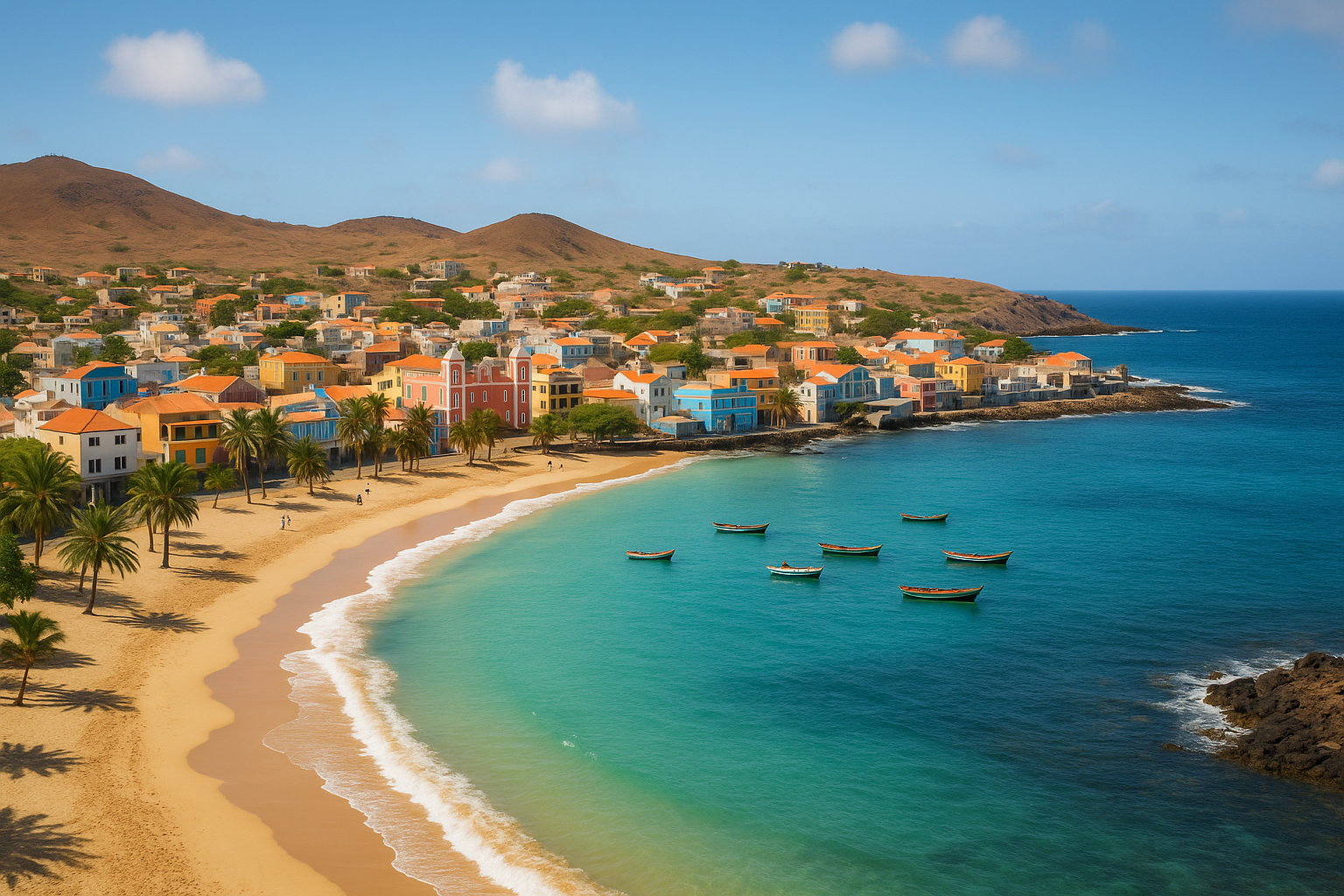
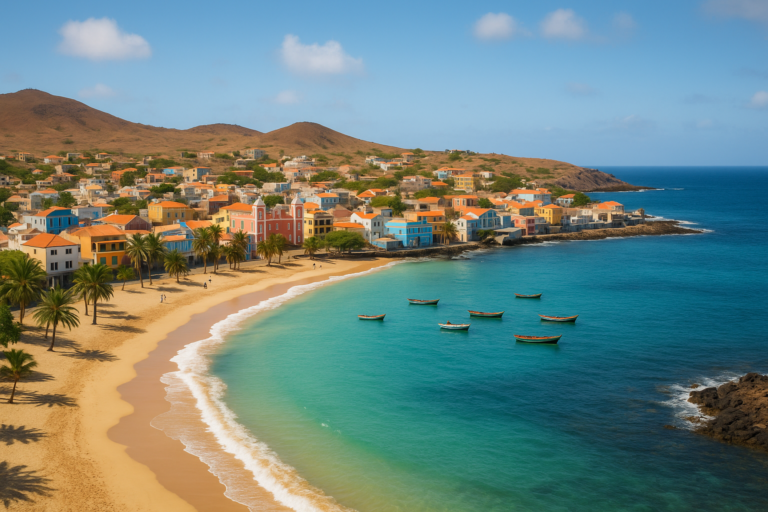
Cape Verde: The Atlantic Archipelago You’ve Been Sleeping On
Picture ten islands scattered across the Atlantic, sitting 500 kilometres off the coast of West Africa, each one with its own personality, its own rhythm, its own reason to stay longer than you planned. That’s Cape Verde — an archipelago that somehow manages to feel both wildly remote and completely alive. It’s volcanic peaks and white sand beaches in the same afternoon. It’s West African soul fused with Portuguese colonial architecture and a music scene that’ll stop you mid-step. If you haven’t put it on your radar yet, consider this your sign.
What Makes Cape Verde Different From Everywhere Else
Cape Verde sits about 500 miles from the African mainland and roughly 600 miles south of the Canary Islands. That geography tells you something important: this place exists in its own world. It’s not quite Africa, not quite Europe, not quite the Caribbean — it’s something entirely its own, and that’s exactly what makes it so compelling.
The islands were completely uninhabited until Portuguese explorers arrived in the 15th century and began colonizing them. That history shaped everything — the language (a Creole blend of Portuguese and West African languages), the food, the architecture, and the culture. Cape Verde gained independence in 1975, but Portuguese influence still runs deep, woven into the streets, the buildings, and the daily rhythms of island life.
What you get is a destination that defies easy categories. It’s not a beach resort destination, though the beaches are genuinely stunning. It’s not a cultural capital, though the culture is rich and layered. It’s a place where you can hike an active volcano in the morning and watch fishermen pull in their catch at sunset. Where the music — a genre called morna — can make you feel nostalgic for a place you’ve never been.
The Islands: Ten Different Stories, One Archipelago
Cape Verde is made up of 10 islands and five islets, and choosing which ones to visit is part of the adventure. Each island has its own character, its own landscape, its own pace. Here’s a starting point for figuring out where you want to go.
Santiago: History, Culture, and the Capital
Santiago is the largest island and home to Praia, the capital city. This is where Cape Verde’s history feels most tangible. Ribeira Grande de Santiago — a UNESCO World Heritage Site — is one of the oldest European colonial settlements in the tropics. Walking through its ruins, you’re stepping into a story that goes back centuries. Santiago is also where you’ll find the most authentic, unfiltered version of Cape Verdean daily life. The markets are loud and colorful, the food is incredible, and the people are genuinely welcoming.
Fogo: The Volcano Island
If you want drama, Fogo delivers. The island is dominated by an active stratovolcano — Pico do Fogo — that rises sharply from the ocean and practically dares you to climb it. The hike is demanding but completely worth it. Around the base of the volcano, you’ll find villages built from dark volcanic rock, vineyards producing wine from the mineral-rich soil, and a community that has rebuilt its life multiple times after eruptions. Fogo is one of those places that reminds you how extraordinary the natural world can be.
Sal and Boa Vista: Beach Life Done Right
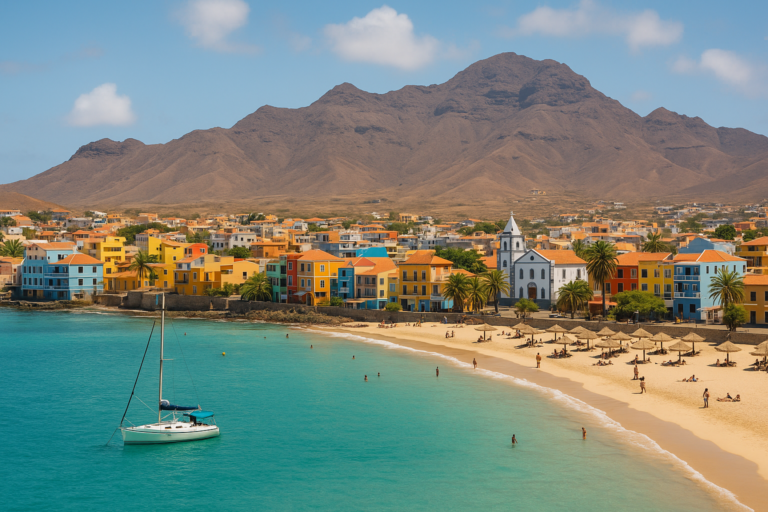
These two islands are where most first-time visitors land, and it’s easy to see why. Sal and Boa Vista have some of the most beautiful beaches in the Atlantic — long stretches of white and golden sand, turquoise water, and near-constant sunshine. The wind here is also exceptional, which makes both islands a favorite destination for kitesurfers and windsurfers. If your idea of a good trip involves spending mornings on the water and evenings eating fresh grilled fish, these islands will not disappoint.
Santo Antão: Hiking Paradise
Santo Antão is the kind of island that makes hikers emotional. The landscape shifts dramatically as you move through it — from arid, rocky coastline to lush green valleys carved by ancient volcanic activity. The trails here wind through ribeiras (ravines), past terraced farms, and into villages so remote that visitors are still a genuine novelty. If you’re willing to put in the effort, Santo Antão rewards you with some of the most spectacular scenery in the entire archipelago.
São Vicente: Music, Art, and Energy
Mindelo, the main city on São Vicente, is considered the cultural capital of Cape Verde. It’s a city that feels creative and alive — full of musicians, artists, and a social scene that runs late into the night. The architecture has a faded elegance to it, and the harbor gives the whole place a cinematic quality. Mindelo is also where you’re most likely to experience morna music in a setting that feels real rather than performed for tourists.
The Culture: A Story Built Across Centuries
Cape Verdean culture is one of the most fascinating in the world, and understanding even a little of its history makes the experience of being there so much richer.
The islands were uninhabited before the Portuguese arrived in the 15th century. Over the following centuries, they became a significant hub in the transatlantic trade routes, which brought people — and influences — from West Africa, Europe, and beyond. That mixing of cultures created something genuinely unique: a Creole identity that is proudly its own.
The 20th century brought devastating hardship. Severe droughts caused the deaths of around 200,000 people and triggered waves of emigration that scattered Cape Verdeans across the globe. Today, more people with origins in Cape Verde live outside the country than inside it, and the money they send home from overseas plays a significant role in supporting the national economy. That history of resilience and diaspora is something you feel in the culture — in the music, in the conversations, in the way people talk about family and home.
Morna, the national music genre, captures all of this beautifully. It’s melancholic and soulful, built around a concept called saudade — a deep longing for something or someone you’ve lost or left behind. Hearing it performed live, especially in Mindelo, is one of those travel experiences that stays with you.
Practical Things You Should Know Before You Go
Cape Verde is genuinely accessible for young travelers, but a little preparation goes a long way. Here’s what’s worth knowing.
Getting There and Getting Around
Most international flights arrive at Sal or Santiago, with a smaller number landing on São Vicente. From there, inter-island travel is done by domestic flights or ferries. Ferries are the more affordable option and can be a great experience in calm weather, but the Atlantic can be rough, so check conditions before you commit to a long crossing. Domestic flights are faster and more reliable, though they add to your budget.
Within each island, shared taxis (called aluguers) are the main form of public transport. They’re cheap, social, and a great way to meet locals. Renting a car gives you more freedom to explore at your own pace, especially on larger islands like Santiago and Santo Antão.
When to Visit
Cape Verde enjoys warm, sunny weather for most of the year, which is one of its major draws. The dry season runs roughly from November to July, and this is generally the most comfortable time to visit. The wetter months (August to October) bring more humidity and occasional rain, but also fewer tourists and lower prices. If you’re planning to hike, the period after the rains can actually be beautiful — the landscape turns green and dramatic in a way that’s completely different from the dry season.
Language and Communication
The official language is Portuguese, but most Cape Verdeans speak Kriolu (Cape Verdean Creole) in everyday life. In tourist areas, English is fairly widely spoken, especially among younger people working in hospitality. Learning a few words of Portuguese or Kriolu goes a long way — people genuinely appreciate the effort.
Budget and Money
Cape Verde sits in the middle range for travel costs. It’s not as cheap as some destinations in Southeast Asia or Eastern Europe, but it’s very manageable on a sensible budget. Accommodation ranges from basic guesthouses to mid-range hotels, and eating at local restaurants rather than tourist-facing spots will save you money while giving you a much better experience. The local currency is the Cape Verdean escudo, though euros are widely accepted in tourist areas.
Safety
Cape Verde is generally considered one of the safer destinations in the region. Petty theft can occur in busier areas, particularly in Praia, so the usual common-sense precautions apply — keep your valuables secure, be aware of your surroundings, and avoid walking alone late at night in unfamiliar areas. The local people are overwhelmingly friendly and hospitable.
Experiences You Won’t Find Anywhere Else
Some of the best things about Cape Verde don’t fit neatly into categories. They’re the moments you stumble into rather than plan for.
- Watching loggerhead sea turtles nest on the beaches of Boa Vista between June and October — one of the most moving wildlife experiences in the Atlantic.
- Drinking grogue, the local sugarcane spirit, with someone who insists on telling you the proper way to appreciate it.
- Finding a small restaurant in a village where the menu is whatever was caught or harvested that day, and having the best meal of your trip without expecting it.
- Standing at the rim of Pico do Fogo and realizing you’re looking down at clouds.
- Getting genuinely lost in the streets of Mindelo at night, following the sound of music until you find where it’s coming from.
These are the kinds of experiences that don’t show up in highlight reels but end up being the ones you talk about for years.
Why Cape Verde Deserves a Spot on Your Travel List
For more detailed inspiration on what to do across the islands, Wild Junket’s guide to Cape Verde covers a wide range of experiences across multiple islands. And if you want an honest, practical overview of what to expect before you arrive, Everyday Journeys’ pre-trip guide is a great starting point for first-time visitors.
Cape Verde is the kind of destination that rewards curiosity. It’s not a place you visit to tick a box — it’s a place you visit because you want to understand something new, feel something unexpected, and come home with stories that don’t sound like everyone else’s. The history is layered, the landscapes are dramatic, the culture is alive, and the people carry a warmth that’s hard to describe but impossible to forget.
Whether you spend a week kitesurfing on Sal, a few days hiking through the valleys of Santo Antão, or an entire evening in Mindelo listening to morna and talking to strangers who become friends — Cape Verde has a way of getting under your skin. It’s one of those places where the trip you planned and the trip you actually have end up being completely different things, and somehow the second version is always better. Start planning. The islands are waiting.
This article was produced with AI assistance and reviewed editorially.


Quito, Ecuador: From Stopover to 10-Day Adventure in the Andes

Ecuador & South America’s Gateway: Quito as a Base for Adventure


