
Greece
Escape the Crowds: Capri, Milos & the Isles of Scilly Without the Tourist Masses
Discover authentic island travel off season at Capri, Milos, and the Isles of Scilly. Skip crowds, find local restaurants, and experience genuine island life.

Why Island Travel Off Season Is the Best Decision You’ll Make This Year
There’s a version of Capri where you can actually hear the waves. A version of Milos where the beach belongs to you and maybe a handful of other people. A version of the Isles of Scilly where the ferry captain knows your name by day two. That version exists — but you won’t find it in July or August. Island travel off season is one of those travel strategies that sounds like a compromise but actually delivers something better than the peak-season original. You trade the crowds for calm, the queues for conversation, and the inflated prices for something closer to the real rhythm of island life.
This guide covers three island destinations that draw serious crowds during summer — Capri in Italy, Milos in Greece, and the Isles of Scilly off the coast of the UK — and shows you how to experience each one in a way that feels genuinely authentic. Whether you’re a student with a flexible schedule, a young professional with a few spare days, or a backpacker plotting your next move, these islands reward the traveler who shows up when the rest of the world has gone home.
Capri, Italy: Finding the Island Beneath the Instagram Filter
What Capri Looks Like When the Day-Trippers Leave
Capri has a reputation problem — not because it isn’t beautiful, but because its beauty has been so thoroughly discovered that the island can feel more like a theme park than a place where people actually live. During peak summer months, the narrow streets of Capri town fill with day-trippers arriving by the boatload from Naples and the Amalfi Coast. The Blue Grotto has a queue. The piazzetta is standing room only. It’s a lot.
But here’s what changes when you visit in the shoulder seasons — spring or autumn — or even in the quieter winter months when the island slips into a slower, more private version of itself. The restaurants that cater primarily to locals come back into focus. The paths that wind through lemon groves and past crumbling Roman ruins become genuinely peaceful. You can walk the Via Krupp, a dramatic zigzagging path carved into the cliffside, without negotiating around a crowd of selfie sticks.
How to Move Around Capri Like a Local
The island is small enough to explore on foot, and that’s exactly how you should do it off season. The chair lift up to Monte Solaro, the island’s highest point, runs less frequently outside peak season — check local schedules before you go — but the views from the top are worth every bit of the effort. On a clear autumn morning, you can see the Gulf of Naples stretching out toward the mainland, the water a deep, shifting blue-green that no filter can quite capture.
Anacapri, the quieter village on the upper part of the island, tends to get overlooked by day-trippers who stick to Capri town. Off season, it’s even more of a retreat. Small family-run trattorias serve fresh pasta and local wine at prices that feel almost startling compared to the summer tourist menus. Sit down, order something simple, and let the afternoon stretch out. That’s the Capri that locals know.
Practical Notes for Visiting Capri Off Season
- Some attractions and boat tours operate on reduced schedules outside summer — research ahead and build flexibility into your plans.
- Accommodation prices drop noticeably in spring and autumn, and many guesthouses are run by families who genuinely enjoy having guests when things are quieter.
- The ferry connections from Naples run year-round, though frequency decreases in winter.
- Spring brings wildflowers to the island’s walking paths; autumn brings softer light and warm-enough temperatures for swimming well into October.
Milos, Greece: The Island That Rewards the Patient Traveler
What Makes Milos Different
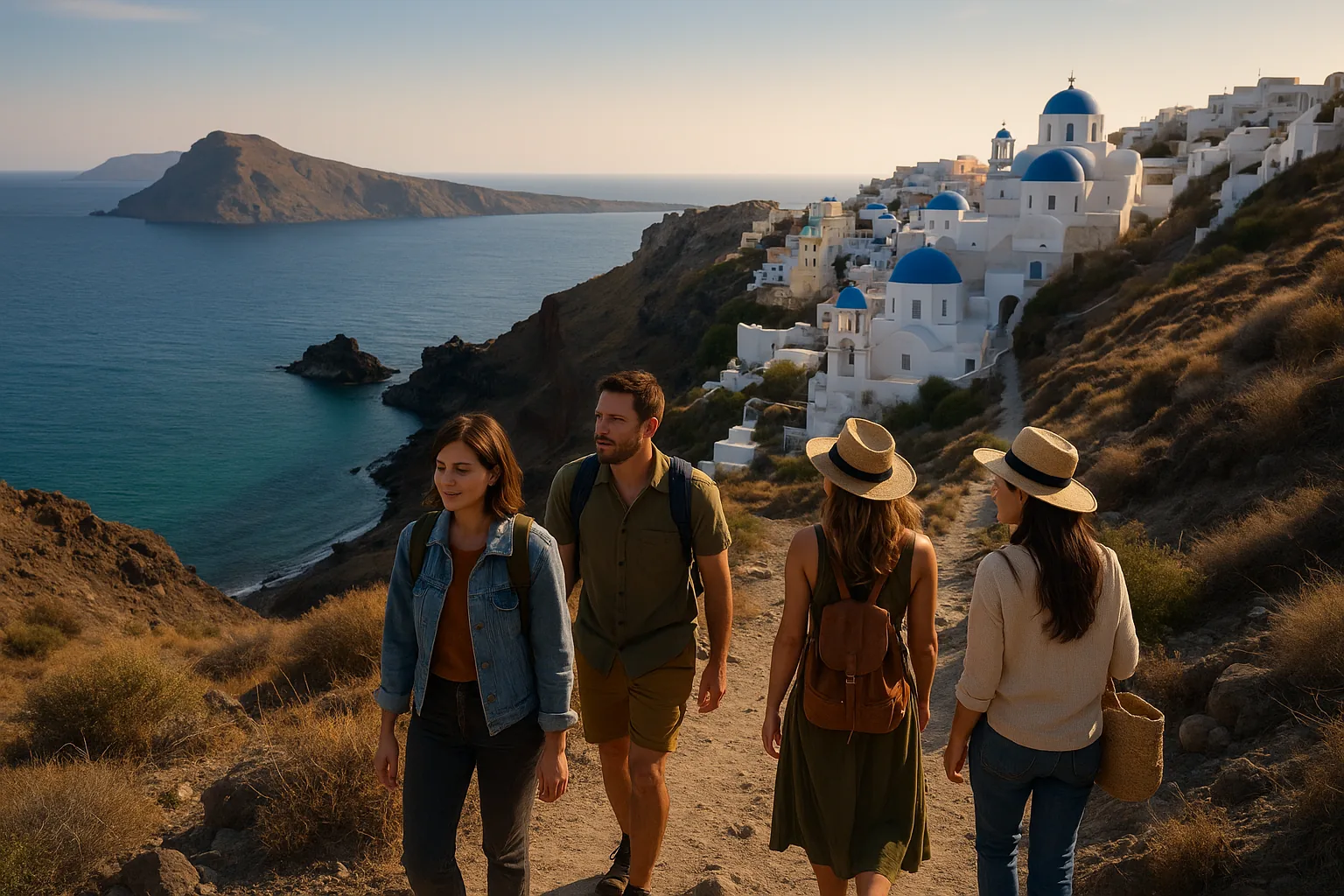
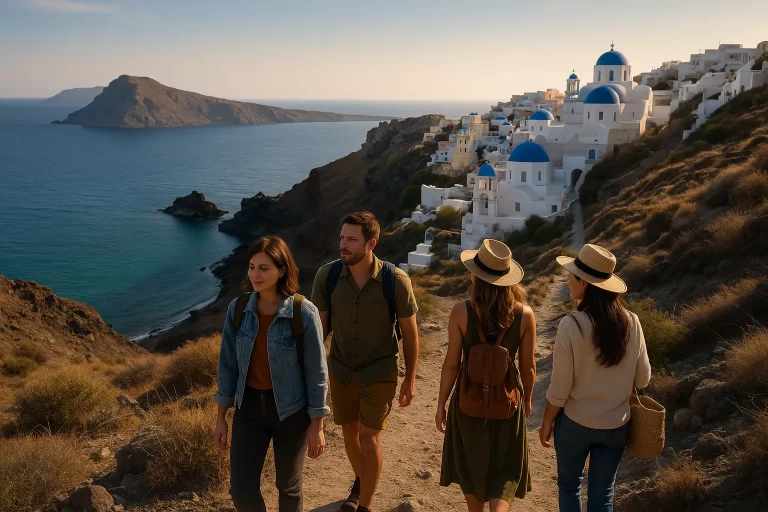
Milos sits in the Cyclades, geographically close to Santorini and Mykonos, but atmospherically miles away from the party-and-party-again energy of those more famous neighbors. The island has a quiet, remote feel that’s rare in the Greek islands — an authentic character that hasn’t been entirely smoothed over by mass tourism. Locals still fish. Farmers still tend their land. The pace of life on Milos feels like it belongs to the island rather than to the visitors passing through it.
That quality is even more pronounced when you visit outside the summer peak. Milos is described by travelers who know it well as having fewer tourists than comparable Greek islands even at the best of times — and off season, that difference becomes genuinely striking. You might have entire stretches of coastline to yourself, the kind of solitude that makes you feel like you’ve stumbled onto something the travel industry hasn’t quite gotten around to packaging yet.
👉 Read also: Escape the Crowds: Hidden Gems in Capri, Milos & Gran Canaria (2026)
The Beaches and Coastline
Milos is famous for its extraordinary coastline — dramatic volcanic rock formations, caves accessible only by boat, and beaches in colors that seem almost improbable. The island’s geology creates landscapes that feel otherworldly, and exploring them is best done slowly, ideally by renting a small boat or joining a local boat tour that takes you to spots unreachable by road.
During summer, the most famous beaches fill up quickly. Off season — particularly in late spring or early October — you’ll find those same beaches in a completely different state. The water is still warm, the light is golden and long, and the crowds have thinned to almost nothing. It’s worth noting that some boat tours and water-based excursions wind down as autumn progresses, so timing matters. Aim for the sweet spot of late September to mid-October if you want warm water and quiet beaches simultaneously.
The village of Klima is one of those places that stops you mid-step. Fishermen’s houses painted in faded blues and yellows sit directly on the water, their doors opening onto small wooden boats. It’s a scene that looks like it belongs to another era, and off season, without the summer foot traffic, it feels entirely real rather than staged for photographs.
Eating and Connecting in Milos
Greek island food is one of the genuine pleasures of travel in this part of the world, and Milos is no exception. The island has a strong fishing tradition, and the freshest thing on any menu is almost always whatever came out of the sea that morning. Off season, the tavernas that cater to a local clientele are easier to find — they’re the ones with handwritten menus, mismatched chairs, and owners who’ll ask where you’re from and mean it as a genuine question rather than a sales opener.
The village of Plaka, perched at the top of the island, is worth an evening visit. Watch the sun drop into the Aegean from the old Venetian castle ruins, then head down into the village for dinner. In summer, this spot is busy. Off season, it’s the kind of quiet that makes you want to stay another week.
Getting to and Around Milos
- Milos has a small airport with connections to Athens, making it accessible even for shorter trips.
- Ferries from Athens (Piraeus) run regularly, though schedules reduce outside peak season — always check current timetables before booking.
- Renting a car or scooter is the best way to explore the island independently; many rental agencies operate year-round.
- Some remote beaches require a boat — ask locally about which tours are still running during your visit.
Isles of Scilly, UK: The Archipelago Most People Don’t Know Exists
An Introduction to One of Britain’s Best-Kept Secrets
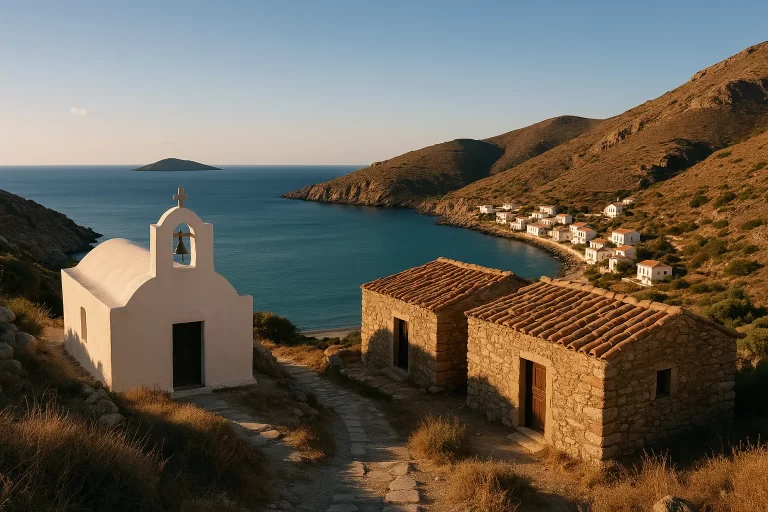
Thirty miles off the coast of Cornwall, the Isles of Scilly sit in the Atlantic like a secret that Britain has been keeping from itself. This archipelago — the UK’s largest, made up of around 140 islands — has a character unlike anywhere else in the country. The light is different here. The pace is different. The air smells of salt and wildflowers, and the beaches, all more than 35 of them scattered across the archipelago, would look entirely at home in the Mediterranean if not for the distinctly British hedgerows and stone walls that frame them.
Only five of those islands are inhabited: St. Mary’s, Tresco, St. Martin’s, Bryher, and St. Agnes. Each has its own personality, its own community, and its own reasons to visit. Getting there is straightforward — barely an hour’s flight from Exeter, or just half an hour from Newquay — which makes the Isles of Scilly one of those destinations that feels far more remote than it actually is.
Island Hopping the Scillies
The inter-island boat services are the heartbeat of life in Scilly. Small passenger ferries connect the inhabited islands throughout the day, and hopping between them is both the practical way to get around and one of the genuine pleasures of visiting. Each crossing takes just minutes, and the views — low-lying islands rising from flat, glittering water — are worth the trip on their own.
St. Mary’s is the largest island and the main hub, where the airport is located and most of the accommodation and services are based. It’s a good place to orient yourself before venturing out to the smaller islands. Tresco is famous for its extraordinary subtropical gardens, which thrive in the mild Atlantic climate. Bryher is the smallest of the inhabited islands, rugged and windswept on its western side, calm and sheltered on the east. St. Agnes sits at the southernmost point of the archipelago, quiet and unhurried in a way that makes even the other islands feel busy by comparison.
👉 Read also: Island Hopping on a Budget: Where to Stay in Greece's Milos, Capri, and the Isles of Scilly
Why Off Season Scilly Is Something Special
Summer brings visitors to Scilly in numbers that the islands feel, even if they’re modest by mainland standards. The beaches fill up, the boat services run at full capacity, and accommodation books out well in advance. Come in spring — when the island’s famous flower farms are in bloom and the hedgerows burst with color — or in early autumn, and you’ll find something quieter and more intimate.
Island travel off season in Scilly means walking a beach with nobody else on it. It means sitting in a pub where the conversation around you is between people who actually live there. It means the kind of slow morning where you watch fishing boats head out from the harbor and feel no particular urgency to be anywhere else. The islands have a way of recalibrating your sense of time, and that effect is strongest when the tourist season has wound down.
For practical planning, the official Visit Isles of Scilly website is the most reliable source for current ferry schedules, accommodation listings, and seasonal event information. It’s worth checking what’s open before you travel, as some services and guesthouses close during the quieter winter months.
What to Do in the Isles of Scilly
- Walk the coastal path on St. Mary’s for views across the whole archipelago.
- Visit the prehistoric burial chambers and Bronze Age settlements scattered across the islands — Scilly has an extraordinary density of ancient sites.
- Kayak between islands on a calm morning, when the water is clear enough to see the seabed.
- Spend an afternoon on a near-deserted beach on St. Martin’s, which has some of the finest white sand in the UK.
- Look for seals and seabirds — the waters around Scilly are rich with wildlife year-round.
The Real Case for Traveling Off Season
What You Gain When You Go Against the Crowd
There’s a pattern across all three of these destinations. The peak-season version is real — the beauty is genuine, the appeal is legitimate — but it’s also filtered through a layer of infrastructure designed to manage large numbers of visitors efficiently. Queues, set menus, tour groups, the feeling of being processed rather than welcomed. Island travel off season strips that layer away and leaves you with something closer to the actual place.
You gain access to locals who have time to talk. You gain the freedom to linger somewhere without feeling the pressure of the crowd behind you. You gain accommodation that costs less and often comes with more personal attention. And you gain a different relationship with the landscape itself — quieter, more spacious, more yours.
For a broader perspective on the advantages of off-season travel in Europe, the Rick Steves travel forum has a long-running discussion with practical insights from experienced travelers who’ve made this approach central to how they explore.
Practical Tips That Apply to All Three Islands
- Check what’s actually open. Off season doesn’t mean nothing is running, but it does mean some attractions, tours, and restaurants operate on reduced hours or close entirely. A little research saves a lot of disappointment.
- Book accommodation early. Fewer options are open off season, and the best places still fill up — especially on small islands where there aren’t many rooms to begin with.
- Pack for variable weather. Spring and autumn can be spectacular, but they can also be unpredictable. Layers, a waterproof layer, and comfortable walking shoes cover most situations.
- Be flexible. Boat services, ferry crossings, and outdoor activities are more weather-dependent off season. Build buffer days into your itinerary and treat unexpected changes as part of the adventure.
- Eat where locals eat. Off season, the tourist-oriented restaurants often close, which naturally pushes you toward the places that have been serving the local community for years. Follow that lead.
Choosing Your Island, Choosing Your Experience
These three destinations appeal to different kinds of travelers, even within the broad category of young, experience-driven adventurers. Capri suits the traveler who wants culture, history, and the pleasure of a place that’s genuinely beautiful — experienced without the performance of peak season. Milos suits the explorer drawn to raw landscapes, swimming, and the particular magic of Greek island life at its most authentic. The Isles of Scilly suit the traveler who wants something unexpected, something that doesn’t quite fit the standard European itinerary, somewhere that feels genuinely remote even though it’s closer than you’d think.
All three reward the same approach: arrive with curiosity rather than a checklist, give yourself enough time to settle in, and resist the urge to see everything. The best experiences in places like these tend to be unplanned — a conversation that turns into a dinner invitation, a path you follow on a whim that leads somewhere extraordinary, a morning where you do nothing except sit somewhere beautiful and let the place work on you.
That’s what island travel off season actually delivers. Not a compromise on the peak-season experience, but a different and often richer one. The crowds are someone else’s problem. The island is yours.
This article was produced with AI assistance and reviewed editorially.


Teaching English Abroad in 2026: Top Countries, Visa Requirements & Real Salaries

Where to Stay in Latin America’s Top Destinations: Buenos Aires, Bogota & Beyond


