
Peru
Skip the Tourist Trail: Why Huaraz Should Be Your Next Peru Adventure
Learn how to teach English in Peru with visa guidance, pay rates, and job platforms. Plus find authentic Airbnbs in Huaraz and explore beyond the Sacred Valley.

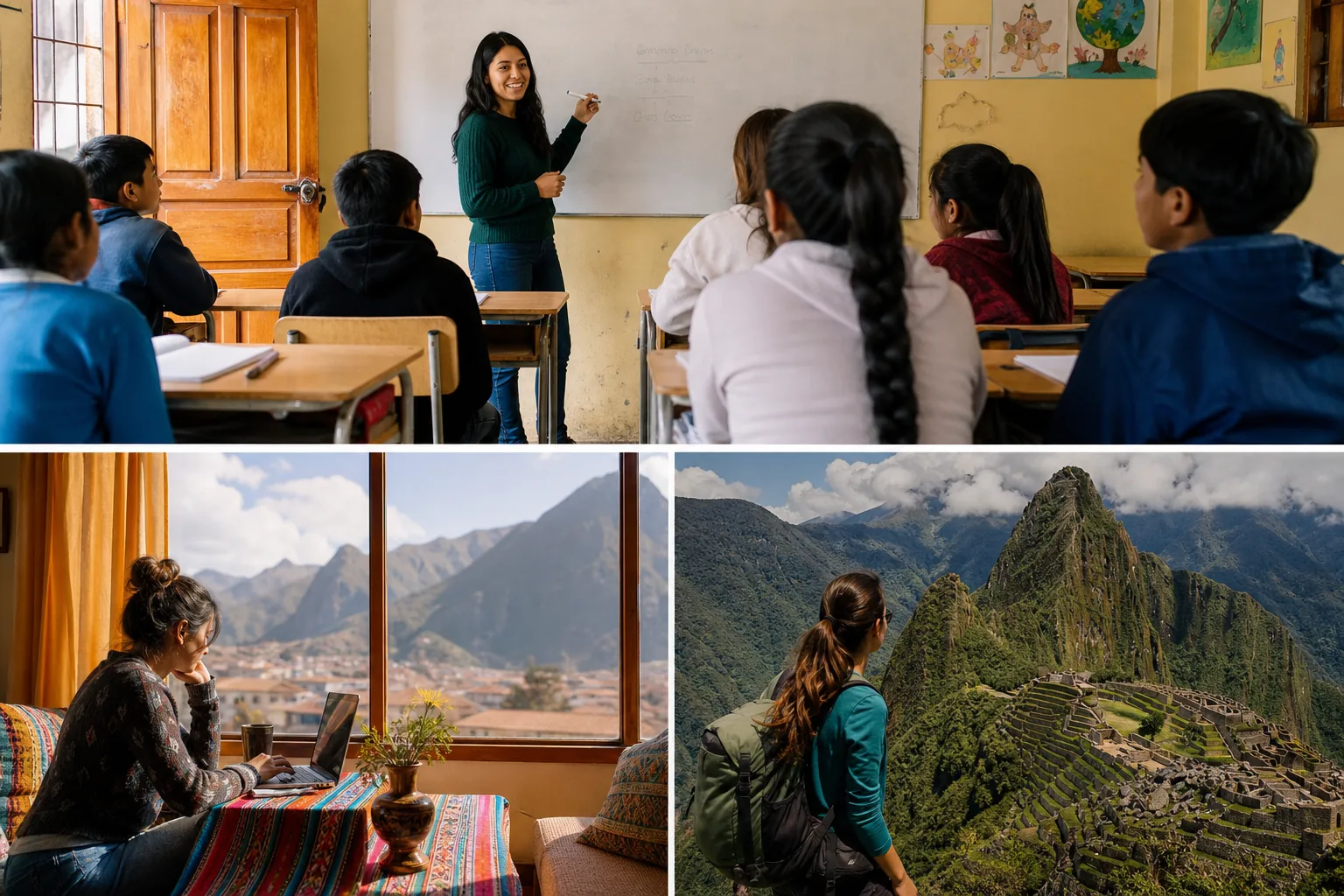
Peru has a way of pulling you in from multiple directions at once — the ancient ruins, the cloud-wrapped peaks, the markets that smell of roasting corn and woodsmoke, and the very real possibility of building a life here, even temporarily. If you’ve been dreaming about how to teach English in Peru while actually living like a local rather than bouncing between hostels, this guide is for you. It covers the work side, the accommodation side, and the adventure side — because in a country this layered, you don’t have to choose just one.
Why Peru Makes Sense as a Work-Travel Destination Right Now
A lot of young travelers pass through Peru on a two-week rush — Cusco, Machu Picchu, maybe a night in Lima — and leave thinking they’ve seen it. They haven’t. Peru rewards the people who slow down, who stay long enough to learn a few words of Quechua, who find the café where the owner knows their order by Thursday.
The country has a genuine demand for English language education, particularly in cities beyond Lima. Private language institutes, international schools, and community programs all look for native or fluent English speakers willing to commit for at least a few months. That kind of arrangement gives you something a standard tourist visa never does: a reason to stay, a rhythm to your days, and a real connection to a place.
The cost of living in most Peruvian cities outside Lima is low enough that even a modest teaching income can cover rent, food, transport, and weekend adventures with room to spare. You’re not going to get rich. But you will get time — time to explore, to hike, to learn Spanish properly, to understand a culture rather than just photograph it.
What You Need to Know Before You Teach English in Peru
The practical reality of deciding to teach English in Peru starts with understanding the visa situation, which is worth researching carefully before you book anything. Peru offers a tourist visa that typically allows stays of up to 183 days, and many short-term English teachers enter on this basis. However, if you plan to work formally and receive a local salary, you’ll generally need to look into a work visa or a specific residency permit — and the requirements for these change, so checking directly with the Peruvian immigration authority or the nearest Peruvian consulate in your home country is essential before you commit.
Many travelers who teach English in Peru start by connecting with language institutes informally, often arriving with a TEFL or CELTA certificate already in hand. These qualifications genuinely open doors. Without one, you’re competing on charm alone, which works sometimes — but a recognized certificate signals that you can actually structure a lesson, manage a classroom, and deliver real value to students who are paying for their education.
Pay rates vary significantly depending on the city, the institution, and whether you’re working at a private language school, an international school, or running private tutoring sessions. Private lessons, particularly with business professionals who need English for work, tend to pay better than institute work. Word of mouth is powerful here — once you build a small network of reliable students, your schedule fills up quickly.
For finding positions before you arrive, international job boards focused on TEFL placements are a reasonable starting point. Facebook groups for expats and teachers in specific Peruvian cities are often more useful in practice — they’re where real opportunities get posted, where people warn each other about unreliable employers, and where you’ll find someone willing to meet for coffee and give you an honest picture of what teaching life actually looks like in their city.
Huaraz: The Adventure Capital That Doesn’t Feel Like a Tourist Trap
While most travelers focus on Cusco and the Sacred Valley when planning extended stays in Peru, Huaraz is the city that quietly wins over everyone who actually goes there. Often called the ‘Switzerland of the Andes’, Huaraz sits surrounded by the soaring peaks of the Cordillera Blanca and Cordillera Huayhuash — two of the most dramatic mountain ranges on the planet.
→ Read also: Peru's Hidden Valleys: Sacred Valley, Lima & Mountain Towns Beyond the Tourist Trail
It’s a small city of around 120,000 people, which means it has everything you need without the overwhelming scale of Lima. It’s walkable, it’s safe, and it has the kind of lived-in energy that comes from a place where most people are going about their actual lives rather than performing for visitors. The Quechua-speaking communities in and around Huaraz carry rich traditions — music, festivals, cultural practices that have survived centuries — and spending time here means being around that culture rather than just reading about it in a museum.
Huaraz is Peru’s outdoor adventure capital, and that’s not marketing language — it’s geography. The city serves as the main gateway to the Cordillera Blanca and a base for exploring the Cordillera Huayhuash. From here, you can access some of Peru’s best multi-day hikes, phenomenal climbing routes, mountain biking trails, and even fly fishing. The Santa Cruz trek through the Cordillera Blanca is one of the most celebrated multi-day routes in South America, and it starts practically from Huaraz’s doorstep.
Getting Around and Settling In
The city’s walkability makes it genuinely easy to navigate without constantly relying on taxis or apps. The central market area, the main plaza, and the key transport hubs are all within reasonable walking distance of each other. For accommodation, Huaraz has a growing range of options beyond the backpacker hostel scene — guesthouses run by local families, apartment rentals for longer stays, and a handful of comfortable boutique-style options for when you want a proper bed and a hot shower after a week on the trail.
If you’re planning an extended stay, renting a private room or small apartment through a platform like Airbnb or by asking locally tends to work out significantly cheaper than staying in tourist accommodation. Neighborhoods closer to the city center put you within easy reach of markets and transport, while quieter residential streets offer a more genuinely local feel. Arriving and spending a few days in a hostel first — getting a sense of the city, talking to other long-term travelers and expats — before committing to a longer rental is usually the smartest approach.
Adventures Worth Building Your Schedule Around
The activities around Huaraz deserve their own planning session. The Pastoruri Glacier is one of the most accessible high-altitude glacier experiences in Peru and makes for a striking day trip. The Wilcahuain Ruins, a pre-Inca archaeological site just outside the city, give you a window into the Wari culture that predates the Inca Empire — and you can visit without the crowds you’d find at more famous sites.
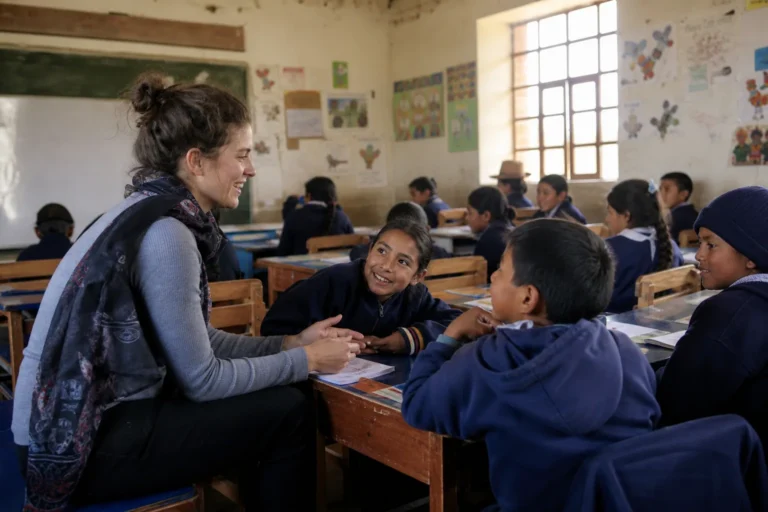
For serious hikers, the Santa Cruz trek is the headline act: a multi-day route through the heart of the Cordillera Blanca that takes you past glacial lakes, beneath enormous snow-capped peaks, and through landscapes that feel genuinely remote. It’s achievable for fit hikers with solid mountain experience, though acclimatization matters — Huaraz itself sits at high altitude, and spending a few days there before heading further up is not optional, it’s necessary.
Mountain biking in the surrounding valleys is another experience that consistently surprises people. The terrain is dramatic, the descents are long, and the views are the kind that make you stop pedaling just to look. Local operators in Huaraz can set you up with equipment and guides for routes that range from accessible to genuinely challenging.
The Sacred Valley: Going Further Than the Standard Route
If you’re spending serious time in Peru, the Sacred Valley deserves more than the standard day-trip-from-Cusco treatment. The valley stretches between Pisac and Ollantaytambo, and while Machu Picchu draws most of the attention, the communities, markets, and landscapes along the valley floor are where the real texture of Andean life becomes visible.
The Pisac market is one of the most vibrant in the region — but the Sunday market, which draws local Quechua communities from surrounding villages, is a different experience from the tourist craft market that runs daily. Arriving early, wandering the sections where locals are actually buying and selling food, textiles, and tools, gives you a sense of the valley as a living place rather than a backdrop for photographs.
→ Read also: Peru's Budget Backpacking Route: Lima, Sacred Valley & Beyond
Between Pisac and Ollantaytambo, smaller villages like Chinchero and Moray offer experiences that most visitors skip entirely. Chinchero has a remarkable colonial church built directly on Inca foundations, and the textile cooperatives there — run by local women — show traditional weaving techniques that have been practiced for generations. Moray’s circular agricultural terraces, used by the Inca to create microclimates for crop cultivation, are one of those places that make you genuinely think differently about pre-Columbian engineering.
For trekking in the Sacred Valley beyond the Inca Trail, the Lares Trek passes through high-altitude communities and hot springs, and it’s far less crowded than the main routes to Machu Picchu. Staying overnight in a community guesthouse along the way — where possible through responsible tourism operators who work directly with local families — turns a hike into something more meaningful.
Living Costs and Making Your Budget Work
One of the most compelling things about an extended stay in Peru is how far a modest budget can stretch, particularly outside Lima. In cities like Huaraz or towns in the Sacred Valley, daily expenses for food, transport, and accommodation are genuinely low compared to most of Europe, North America, or Australia.
A typical day’s meals — breakfast at a local café, a menú del día (the set lunch that most Peruvian restaurants offer, usually including soup, a main course, and a drink) at a neighborhood spot, and a simple dinner — can cost very little if you eat where locals eat rather than at tourist-facing restaurants. Street food, fresh fruit from markets, and the ubiquitous pollo a la brasa (rotisserie chicken) are all excellent, affordable, and genuinely delicious.
Transport between cities is cheap by international standards. Overnight buses connect major destinations and save you a night’s accommodation cost. Within cities, combis (shared minibuses) and taxis are inexpensive, and in walkable places like Huaraz, you often won’t need them at all.
The combination of teaching English in Peru for even part-time hours and keeping your living costs lean means that an extended stay becomes financially viable in a way that simply isn’t possible in most other regions. You’re not just surviving — you’re building a life with enough left over to fund the weekend hikes, the overnight buses to new regions, and the occasional splurge on a really good ceviche in a proper restaurant.
Making the Most of Your Time Before You Go
A few things will genuinely improve your experience before you even land. Learning Spanish — even to a conversational level — transforms how people interact with you. In Huaraz especially, where Quechua is widely spoken alongside Spanish, making the effort to speak the local language rather than defaulting to English signals respect and opens conversations that simply wouldn’t happen otherwise.
Getting your TEFL certification sorted before you arrive puts you in a much stronger position for finding teaching work quickly. Researching the specific city or region where you plan to base yourself — understanding the altitude, the climate, the local economy — means you arrive with realistic expectations rather than assumptions built on Machu Picchu Instagram posts.
And perhaps most importantly: build in flexibility. Some of the best experiences in Peru — the impromptu festival you stumble into, the local guide who offers to show you a trail not on any map, the family who invites you for lunch after you help them carry something up a hill — happen because you weren’t too locked into a schedule to say yes.
Peru isn’t a destination you check off. It’s a place that gets into your thinking, that makes you reconsider what a good day actually looks like, and that has a way of turning a planned three-month stay into something you’re still talking about years later. Whether you’re there to teach, to hike, to learn, or simply to live somewhere genuinely different for a while — the country will give you more than you came looking for, if you let it.
This article was produced with AI assistance and reviewed editorially.


Where to Stay in Barcelona: Skip the Tourist Crowds and Find Your Neighborhood

14 Best Cocktail Bars in Barcelona: A Local’s 2026 Guide (Beyond the Tourist Traps)


