
Peru
Peru’s Budget Backpacking Route: Lima, Sacred Valley & Beyond
Plan your budget backpacking trip through Peru with practical guides to Lima neighborhoods, Sacred Valley itineraries, and affordable transport between key destinations.

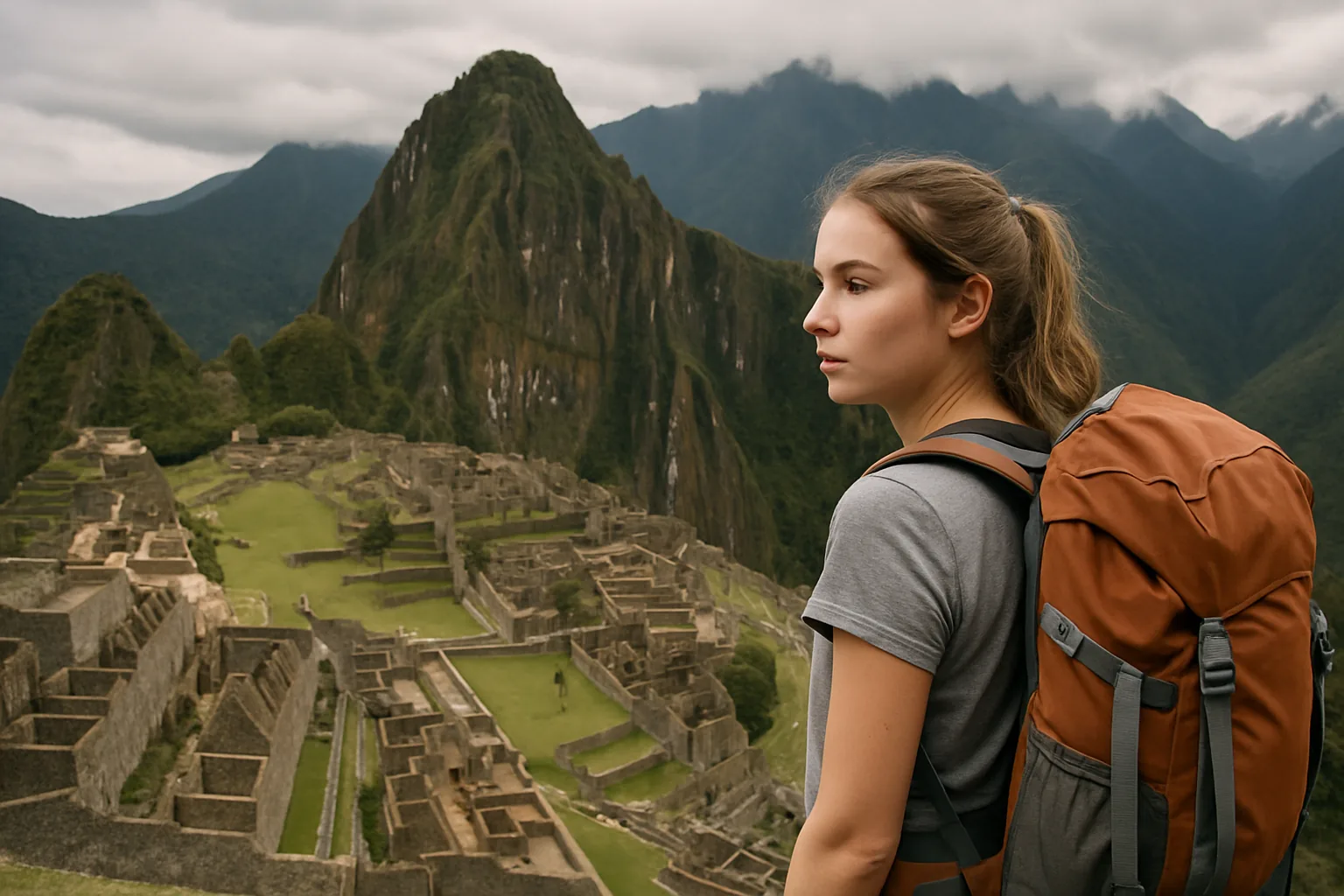
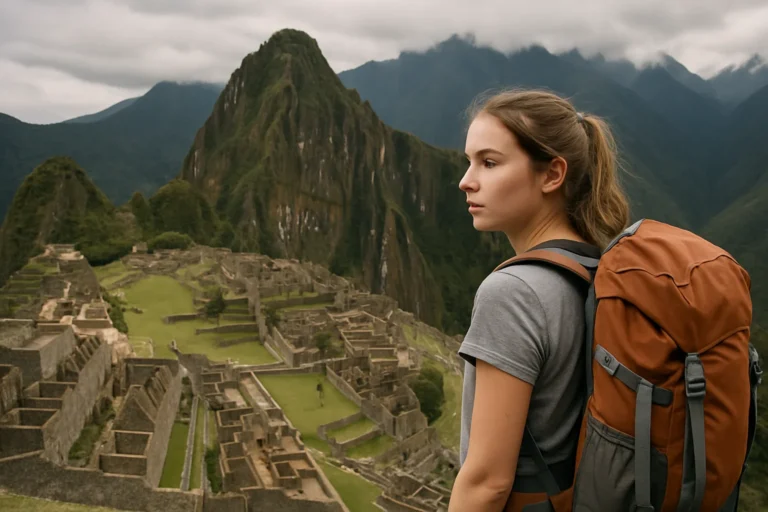
Peru is one of those destinations that gets under your skin long before you even arrive. The idea of ancient ruins, high-altitude markets, jungle rivers, and Pacific sunsets all packed into a single country feels almost too good to be true — and yet, it’s real. Better still, backpacking Peru on a budget is genuinely achievable, with many travelers keeping daily costs to around $25 USD per day once they find their rhythm. Whether you’re drawn to the Sacred Valley’s terraced hillsides, the chaotic energy of Lima’s street food scene, or the snow-capped peaks around Huaraz, Peru rewards curious, flexible travelers who are willing to move slowly and lean into the unexpected.
Why Peru Works So Well for Budget Backpackers
Let’s start with the obvious: Peru is a grande country. Approximately 60 percent of its territory is Amazon rainforest, and its Pacific coastline stretches for a remarkable 2,400 kilometers. Add in the Andes, the altiplano, and the desert coast, and you’re looking at one of the most geographically diverse countries on the planet. That diversity translates directly into travel options — you can spend weeks here and never repeat an experience.
What makes it especially appealing for young travelers is how beginner-friendly it is. Peru has a well-worn backpacker trail with established infrastructure, plenty of hostels, and locals who are used to budget travelers passing through. You don’t need to be a seasoned adventurer to navigate it. You just need a rough plan and a willingness to figure things out as you go.
Budget-wise, hostel accommodation typically runs $15–$20 USD per night, food costs somewhere between $15–$25 per day depending on how often you eat at local markets versus tourist restaurants, and organized tours range from $35 to $100 USD. The big splurge most people plan for is Machu Picchu, which costs around $100 USD for entry — worth every cent, but worth budgeting for separately.
Starting in Lima: Getting Your Bearings
Most international flights land in Lima, and it’s worth spending at least two or three days here before heading inland. Lima gets a bad reputation among some travelers who rush through it, but that’s a mistake. The city has real depth — colonial architecture, world-class food culture, dramatic clifftop views over the Pacific, and neighborhoods that each feel like a different city entirely.
For budget travelers, the key is choosing the right neighborhood to base yourself in. Miraflores is the polished, safe district most guidebooks point you toward first. It’s walkable, well-connected, and sits right on the coast with parks that overlook the ocean. Hostels here tend to sit at the higher end of the budget range, but you get security, convenience, and easy access to the city’s best food scene.
Barranco is where many backpackers end up preferring to stay. It’s Lima’s bohemian neighborhood — street art on every corner, live music spilling out of bars, and a creative, youthful energy that feels more authentic than Miraflores. Hostels here are often more social, prices are slightly more forgiving, and the area genuinely comes alive at night. If you want to meet other travelers and feel like you’re actually living in the city rather than just passing through, Barranco is your spot.
Central Lima (the historic centre) is worth visiting for its colonial plazas and architecture, but staying there as a budget traveler requires a bit more caution — it’s lively and culturally rich, but the area around the main square can feel overwhelming, especially if you arrive tired from a long flight. Many travelers choose to day-trip there from Miraflores or Barranco instead.
In Lima, eat at the mercados for cheap, filling lunches — the menú del día (a set lunch with soup, main, and sometimes a drink) is one of the best budget travel traditions in all of South America. You’ll eat well for a fraction of what a restaurant would charge.
Moving Inland: The Sacred Valley and Cusco Region
The Sacred Valley is the heart of any Peru itinerary, and it deserves more than a rushed day trip. Nestled between Cusco and Machu Picchu, the valley is a living landscape of Inca terraces, traditional villages, colorful markets, and mountain scenery that changes with every bend in the road.
👉 Read also: Peru's Hidden Valleys: Sacred Valley, Lima & Mountain Towns Beyond the Tourist Trail
A solid multi-day approach to the Sacred Valley might look something like this: arrive in Cusco first and give yourself a day or two to acclimatize to the altitude before doing anything strenuous. Altitude sickness is real, and pushing yourself too hard too soon will ruin the experience. Drink plenty of water, take it slow, and sip mate de coca (coca leaf tea) — a local staple that genuinely helps with acclimatization.
From Cusco, head into the valley toward Pisac, a small town famous for its hilltop Inca ruins and its vibrant Sunday market. The market is one of the most atmospheric in the region — textiles, ceramics, fresh produce, and local crafts spread across the main square and surrounding streets. Stay the night in Pisac to experience the town after the day-trippers have left, and you’ll feel the quieter, more genuine rhythm of life here.
Continue to Ollantaytambo, arguably the most impressive Inca site you’ll visit before Machu Picchu itself. The massive stone terraces rise steeply above the town, and the town itself still follows the original Inca street grid — one of the few places in Peru where that’s true. Ollantaytambo also serves as the main train departure point for Machu Picchu, so staying here the night before saves you an early morning scramble from Cusco.
Then comes Machu Picchu. Budget for the entry fee, book your tickets in advance (they sell out, especially during peak season), and try to arrive early to beat the crowds. The site opens at sunrise, and those first hours — mist hanging over the ruins, the mountains barely visible above the clouds — are something you’ll carry with you for years. If your budget allows, the hike up Huayna Picchu or Machu Picchu Mountain requires a separate ticket but rewards you with views that make the effort completely worthwhile.
Huaraz: The Adventure Alternative
Not everyone heads straight from Lima to Cusco, and if you have the time, you’d be doing yourself a disservice to skip Huaraz. Sitting at high altitude in the Cordillera Blanca, Huaraz is Peru’s trekking capital — a rugged, no-frills mountain town surrounded by some of the most dramatic Andean scenery on the continent.
The town itself is functional rather than beautiful, but it’s surrounded by glacial lakes, snow-capped peaks, and trails that range from gentle day hikes to multi-day expeditions. The Laguna 69 hike is one of the most popular day trips — a challenging but rewarding trek to a brilliant turquoise lake set beneath a glacier. It’s the kind of place that makes you stop mid-trail and wonder how this is real.
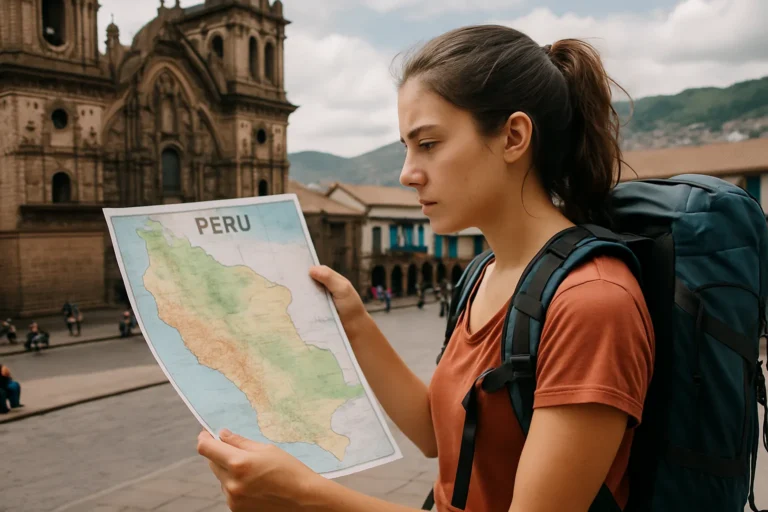
For budget travelers, Huaraz is excellent value. Hostels are affordable, local food is cheap and filling, and many of the best hikes can be done independently without a guide, keeping tour costs low. It’s also a great place to connect with other backpackers who are serious about outdoor adventures — the hostel common rooms here tend to have a different energy from the party-focused spots in Cusco or Lima.
Getting to Huaraz from Lima involves an overnight bus — a journey of roughly eight hours that most travelers do on a night bus to save both time and accommodation costs. This is a common budget travel strategy throughout Peru: travel overnight, arrive in the morning, and immediately start exploring.
The Northern Coast: Piura and Beyond
Peru’s northern coast doesn’t get nearly as much attention as the south, which is exactly why it’s worth considering. Piura is a warm, relaxed city in the far north that serves as a useful base for exploring the surrounding coastline, including some of Peru’s best surf beaches. The region has a distinct character — drier, hotter, and more laid-back than the Andean cities — and the local food culture is different too, with dishes that reflect the coastal climate and indigenous traditions of the north.
From Piura, you can access beaches that remain largely off the main tourist circuit. The surf here is consistent, the crowds are minimal, and the pace of life invites you to slow down in a way that the packed Inca Trail never quite does. If you’re traveling up from Lima toward the Ecuador border, Piura fits naturally into the route and adds a dimension to your Peru experience that most travelers miss entirely.
👉 Read also: Where to Stay in Lima, Peru: Neighborhoods That Match Your Travel Vibe
Other Destinations Worth Adding to Your Route
Peru’s key backpacking destinations extend well beyond the Inca heartland. Lake Titicaca, shared with Bolivia, is one of the highest navigable lakes in the world and home to the Uros floating islands — reed islands built and inhabited by local communities for generations. Staying overnight with a family on one of the traditional islands is one of the most genuinely immersive experiences available anywhere in South America.
Iquitos is your gateway to the Amazon — a city accessible only by air or river, which gives it an end-of-the-world feeling that’s hard to describe until you’re there. Jungle lodges range from basic to comfortable, and even a two or three-night stay gives you enough time to experience the rainforest properly: wildlife, river trips, local guides, and the overwhelming, humbling scale of the jungle itself.
Nazca is another stop that rewards the curious traveler. The famous Nazca Lines — enormous geoglyphs etched into the desert floor — are best viewed from a light aircraft, which adds to the cost but also adds to the sense of mystery. No one fully agrees on why they were made, and standing at a ground-level viewing tower, looking out over the pale desert, that uncertainty feels strangely exciting rather than frustrating.
Practical Advice for Moving Between Destinations
Peru’s bus network is the backbone of budget travel here. Long-distance buses connect all the major cities, and while journey times can be long — Lima to Cusco overland takes the better part of a day — the overnight options mean you can sleep through the journey and wake up somewhere new. Cruz del Sur and similar established bus companies offer comfortable seats, onboard meals, and better safety records than the cheapest operators, so it’s worth paying slightly more for a reputable company, especially on longer routes.
For the Cusco to Machu Picchu leg, the train is the most comfortable option, though there are budget-friendly alternatives involving local trains and minibuses that take longer but cost significantly less. Do your research before you go, and book train tickets in advance during high season — they sell out quickly. You can find official ticketing information through Peru Rail’s official website.
Within cities, taxis and mototaxis (three-wheeled motorbike taxis common in smaller towns) are affordable and convenient. Always agree on a price before you get in, or use a ride-hailing app in Lima where they’re available — it removes the negotiation entirely and keeps things transparent.
Staying Safe and Traveling Smart
Peru is generally safe for backpackers who travel thoughtfully. The usual common-sense rules apply: don’t flash expensive gear in crowded places, keep copies of your important documents, be aware of your surroundings at night, and trust your instincts if something feels off. Petty theft exists in busy tourist areas, but serious incidents are far less common than the reputation sometimes suggests.
Altitude is a genuine consideration, not just a talking point. Cusco sits at over 3,400 meters above sea level, and Huaraz is even higher. Give your body time to adjust, stay hydrated, avoid alcohol for the first day or two at altitude, and don’t push yourself on strenuous hikes until you feel genuinely comfortable. Most travelers adapt within 24–48 hours, but everyone’s experience is different.
Travel insurance is non-negotiable — not optional. Medical care in remote areas can be limited, and evacuation from altitude or jungle environments is expensive. Sort your insurance before you leave home and make sure it covers adventure activities if you’re planning to trek, surf, or explore the jungle.
Peru is the kind of place that gives back exactly as much as you put in. Travel slowly, talk to people, eat where the locals eat, and let yourself be surprised by the places you didn’t plan to love. The Sacred Valley will take your breath away — literally and figuratively. Lima will feed you better than you expected. Huaraz will push your legs and reward your eyes. And somewhere between the ruins and the markets and the overnight buses, you’ll realize that backpacking Peru on a budget isn’t just possible — it’s one of the most rewarding things you can do with a few weeks and an open mind.
This article was produced with AI assistance and reviewed editorially.


Travel on a Shoestring: How Young Travelers Are Exploring the World for Less

Hanoi in 3 Days: A Local’s Guide to Vietnam’s Most Walkable City


