
Peru
Where to Stay in Lima, Peru: Neighborhoods That Match Your Travel Vibe
Discover where to stay in Lima by exploring Barranco, Miraflores, San Isidro and more. Find hostels, budget hotels and neighborhood guides for every travel style.

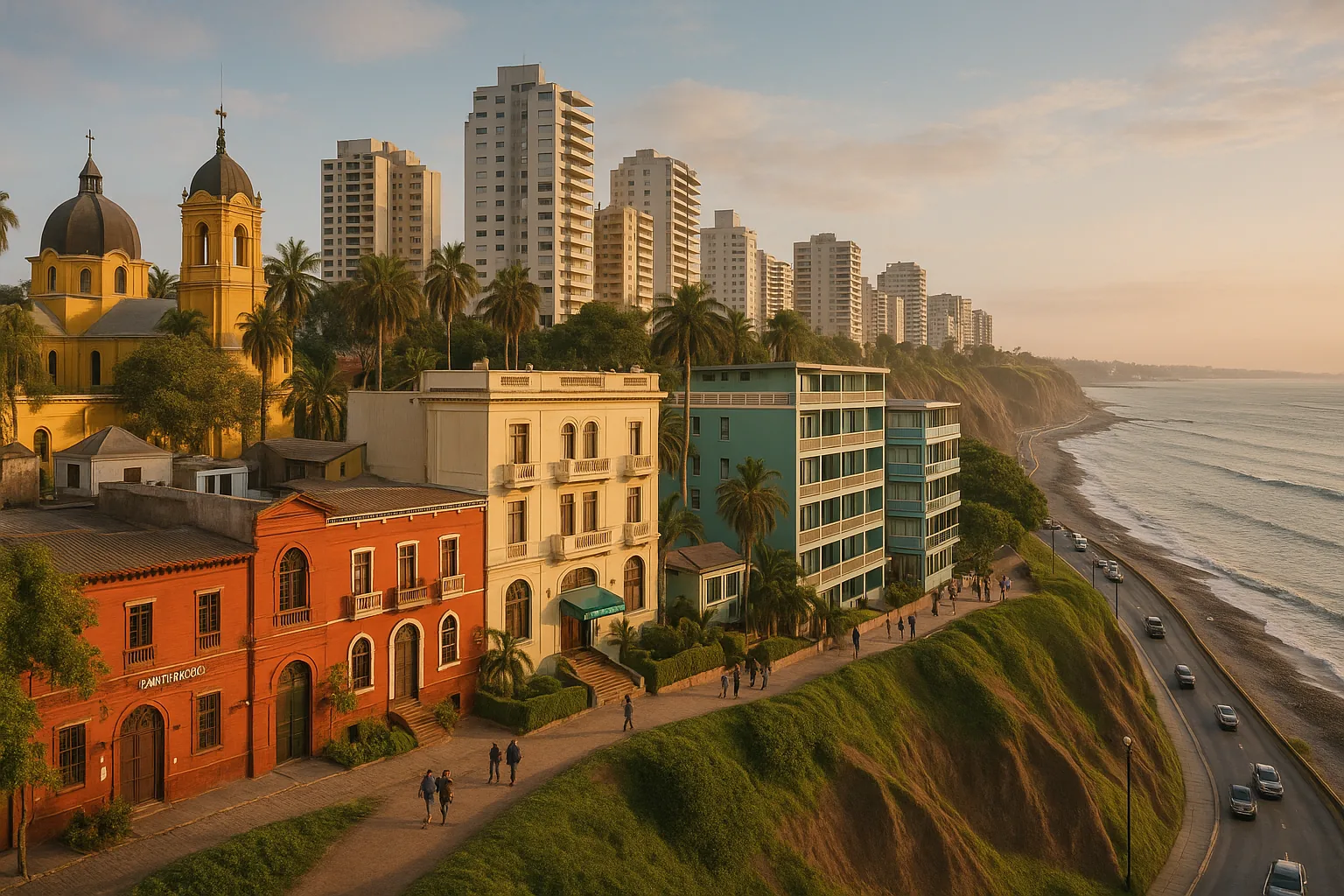
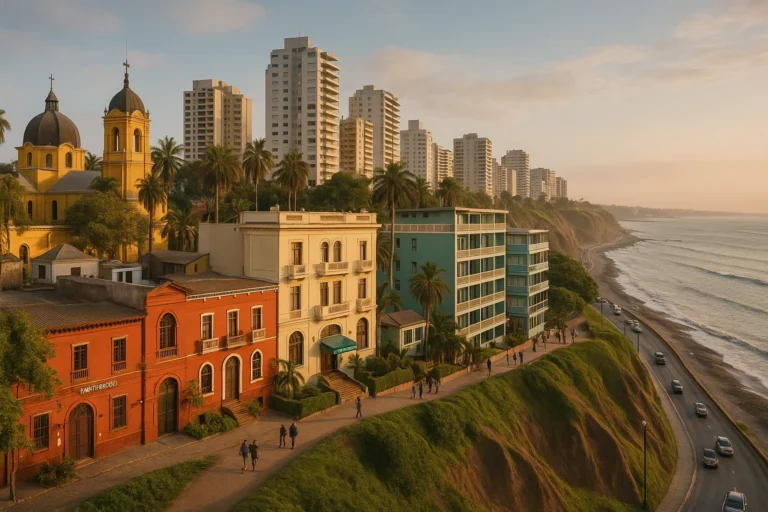
Lima doesn’t get the credit it deserves. Most travelers land here with their eyes already set on Machu Picchu or the Sacred Valley, treating Peru’s capital as little more than a transit hub. But spend a few nights in the right neighborhood and you’ll quickly realize that figuring out where to stay in Lima is actually one of the most exciting decisions of your whole trip — because this city has layers, and each district tells a completely different story.
Why Lima Deserves More Than One Night
Lima is the capital city of Peru and the country’s largest city, and it serves as the main entry point for all international flights into the country. That alone makes it unavoidable. But unavoidable doesn’t mean unpleasant — far from it. Lima is a sprawling, electric, endlessly surprising metropolis sitting right on the Pacific coast, with a food scene that rivals any city in South America, a nightlife that runs deep into the early hours, and neighborhoods that each feel like a different world.
The challenge isn’t finding something to do in Lima. It’s choosing where to plant your base. Get that right, and the rest of the city opens up naturally around you. Get it wrong, and you might spend more time in taxis than you’d like. So let’s break it down — neighborhood by neighborhood — so you can match your accommodation to your actual travel vibe.
Barranco: For the Creatives and Night Owls
If Lima has a soul, a lot of people would argue it lives in Barranco. This neighborhood was originally a beach town, and you can still feel that in its bones — the beautiful old houses and mansions that line its streets, the bougainvillea spilling over painted walls, the way the whole place seems to breathe a little slower than the rest of the city.
But don’t let the relaxed atmosphere fool you. Barranco is also where Lima’s artists, musicians, and young locals come to eat, drink, and stay out late. The streets around the main plaza fill up as the evening progresses, with small bars, live music venues, and restaurants that feel genuinely alive rather than staged for tourists. Walking through Barranco at night — especially on a weekend — is one of those experiences you’ll want to repeat.
Barranco immerses travelers in Lima’s cultural heartbeat in a way that no other neighborhood quite matches. You’ll find independent galleries tucked between guesthouses, street art that actually makes you stop and look, and a community of young creatives who give the area its energy. It sits right next to the ocean and shares a border with Miraflores, so you’re never far from either the coast or the more polished comforts of its neighbor.
For accommodation, Barranco tends to attract hostels and boutique guesthouses rather than large chain hotels. That’s part of its charm. You’re more likely to meet other travelers here, swap stories over breakfast, and get genuinely useful tips from staff who actually know the neighborhood. If you’re traveling solo, on a budget, or simply want to feel plugged into local life, Barranco is probably your best starting point in Lima.
Miraflores: The Smart Base for First-Timers
Miraflores is where Lima puts its best foot forward. Perched on dramatic cliffs above the Pacific, this district is polished, walkable, and packed with options at every price point. It’s the neighborhood most travel guides default to — and while that can sometimes mean a place has lost its edge, Miraflores genuinely earns its reputation.
The clifftop parks along the Malecón are worth the visit alone. You can walk for kilometers with the ocean on one side and the city behind you, watching paragliders drift off the edge of the cliffs as the sun drops toward the water. It’s the kind of afternoon that doesn’t need a plan.
👉 Read also: Cusco and Peru's Sacred Valley: Choosing the Right Hostel for Your Altitude Adventure
Food is a serious reason to base yourself in Miraflores. This is where you’ll find some of Lima’s most celebrated restaurants alongside casual cevicherías and market stalls serving fresh seafood. Peruvian cuisine has earned a global reputation over the past decade, and Miraflores is one of the best places in the country to explore it — whether you’re spending big on a tasting menu or grabbing a bowl of ceviche for a few soles at lunchtime.
Tierra Viva Miraflores Mendiburu is consistently recommended as a strong accommodation pick in this neighborhood — a solid mid-range option that puts you right in the heart of the action without breaking your budget. Both Miraflores and Barranco are considered safe and welcoming for travelers, and they sit side by side along the coast, making it easy to explore both even if you’re only based in one.
Miraflores also has excellent transport connections, with easy access to taxis, ride-share apps, and bus routes that can take you across the city. If it’s your first time in Lima and you want to feel oriented quickly, this is where to stay in Lima without overthinking it.
San Isidro: When You Want the Quiet, Comfortable Option
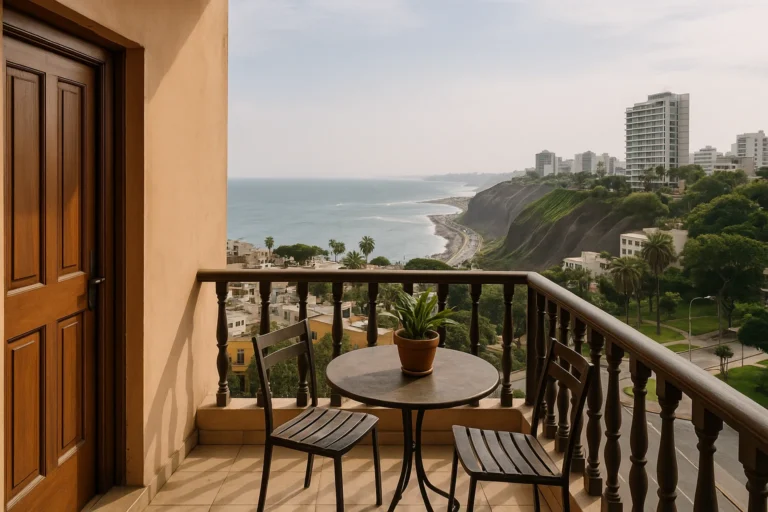
San Isidro is Lima’s most modern district — a sleek, green, business-oriented neighborhood with wide tree-lined avenues, manicured parks, and a noticeably calmer atmosphere than either Barranco or Miraflores. It’s the kind of place where you can go for a morning run through a proper park and then grab a decent coffee without any fuss.
The accommodation here leans heavily toward large, luxury hotels. This is where Lima’s international business travelers tend to stay, and the infrastructure reflects that — polished lobbies, rooftop pools, concierge services, the works. The Hyatt Centric San Isidro is one of the standout recommendations in this area, offering the kind of comfort and reliability that makes sense if you’re combining a Lima stay with business commitments or simply want a more restful base.
For younger travelers, San Isidro can feel a little quiet at night — it’s not where the energy is after dark. But if you’re visiting Lima as part of a longer trip and need a few days to recharge, or if you’re traveling with someone who prioritizes comfort and calm over nightlife, San Isidro delivers. It’s also well-connected to the rest of the city, so you’re never truly isolated from the action.
The Country Club Lima Hotel is another option worth knowing about in this part of the city — a luxurious five-star property housed in a beautifully restored colonial building. It’s a genuinely special place to stay if your budget allows, blending historic architecture with modern comforts in a way that feels authentically Peruvian rather than generically international.
Cercado de Lima: History, Chaos, and the Real City
Cercado de Lima — the historic center — is where the city began, and it shows. This is colonial Lima: grand plazas, ornate churches, government buildings draped in history, and streets that have been walked for centuries. It’s also noisier, busier, and more chaotic than the other neighborhoods on this list, which is either a reason to go or a reason to avoid it, depending on who you are.
If you’re drawn to history and want to feel the full weight of Lima’s past, the historic center is extraordinary. The Plaza Mayor, the cathedral, the ornately decorated balconies of the old mansions — it’s the kind of architecture that stops you mid-stride. The area around the center is also home to some of Lima’s most interesting markets and street food, where you can eat incredibly well for very little money.
👉 Read also: City Guides for Young Travelers: Buenos Aires, Quito, and Trujillo (Culture, Food & Adventure)
Accommodation in Cercado tends to be more budget-friendly than in Miraflores or San Isidro, which makes it appealing if you’re watching your spending. The trade-off is that the area is less polished and requires a bit more street awareness, particularly at night. It’s perfectly manageable for experienced travelers, but if you’re visiting Lima for the first time, you might prefer to visit the historic center on a day trip rather than basing yourself there.
Getting Around Lima: What You Need to Know
Lima is a huge city, and getting from one neighborhood to another takes time. Traffic can be genuinely brutal during peak hours, so your choice of neighborhood matters more than it might in a smaller city. Staying in Miraflores or Barranco puts you close to the coast and to each other, which makes exploring both easy. San Isidro sits between these coastal neighborhoods and the city center, giving you reasonable access to everything.
Ride-share apps work well across Lima and are generally the most convenient way to get around, especially at night. The city also has bus routes that connect major neighborhoods, and while they require a bit more local knowledge to navigate, they’re a genuinely cheap way to move around once you’ve got your bearings. Taxis are widely available but always confirm the price before you get in if you’re not using an app.
One thing worth planning in advance: Lima’s traffic is notorious, so if you have an early morning flight or a bus connection, factor in significantly more travel time than you might expect. Most international travelers fly in and out of Jorge Chávez International Airport, which sits north of the city center — a solid distance from the coastal neighborhoods.
Day Trips and What to Do Beyond the Neighborhoods
Lima works brilliantly as a base for exploring the surrounding region. The most obvious draw is the road to Cusco and eventually Machu Picchu, but there’s plenty to discover closer to the city too. The Larco Museum in the Pueblo Libre neighborhood is one of the finest pre-Columbian collections in the world — a short taxi ride from Miraflores and absolutely worth a morning of your time.
The coastal district of Chorrillos sits just south of Barranco and offers a more local, less tourist-heavy version of Lima’s seafront. Further afield, the mysterious Huaca Pucllana — an ancient adobe pyramid sitting incongruously in the middle of the city — gives you a sense of just how deep Lima’s history runs before the Spanish ever arrived.
If you want to get out of the city entirely, the desert landscape surrounding Lima offers sandboarding and dune experiences within a few hours’ drive. The coastal town of Paracas and the nearby Islas Ballestas — sometimes called the “poor man’s Galápagos” — make for a memorable overnight trip if you have the time.
- Larco Museum — world-class pre-Columbian collection, easy to reach from Miraflores
- Huaca Pucllana — ancient pyramid in the middle of the modern city
- Barranco’s bridge and plaza — the heart of the neighborhood’s creative scene
- Miraflores Malecón — clifftop walks with Pacific views and paragliding
- Paracas and Islas Ballestas — wildlife-rich coastal escape, a few hours south
- Chorrillos fish market — fresh seafood and a genuinely local atmosphere
Choosing the Right Neighborhood for Your Travel Style
So, where to stay in Lima? Here’s the honest answer: it depends entirely on what you’re looking for. Barranco is for travelers who want culture, creativity, and nightlife woven into their daily experience. Miraflores is for those who want convenience, safety, and a wide range of food and accommodation options — it’s the smartest all-rounder. San Isidro suits travelers who prioritize comfort and calm over energy. And Cercado de Lima rewards the curious and historically minded who don’t mind trading some polish for authenticity.
The good news is that none of these neighborhoods are isolated from the others. Lima is one city, and with a bit of planning — and an honest respect for its traffic — you can experience all of them in a single trip. Stay in Barranco, spend a day in the historic center, eat your way through Miraflores, and take a morning walk through San Isidro’s parks. Peru’s official tourism site is worth bookmarking for up-to-date practical information as you plan your visit.
Lima rewards the traveler who slows down long enough to actually look at it. It’s loud, layered, occasionally overwhelming, and genuinely unforgettable — a city that earns its place at the start of your Peruvian adventure rather than just enduring it. Wherever you choose to base yourself, you’re going to leave with stories you didn’t expect to be telling.
This article was produced with AI assistance and reviewed editorially.


Almaty & Tashkent: Central Asia’s Modern Cities Beyond the Silk Road Clichés

Stay Smart in Asia: Budget Accommodation in Osaka, Kyoto & Kuala Lumpur 2026


