
Asia
Kazakhstan’s Hidden City: Almaty’s Green Neighborhoods, Mountains & European Vibe
Discover why Almaty surprises travelers with its green neighborhoods, mountain access, European vibe, and thriving food scene. Your complete guide to Kazakhstan’s largest

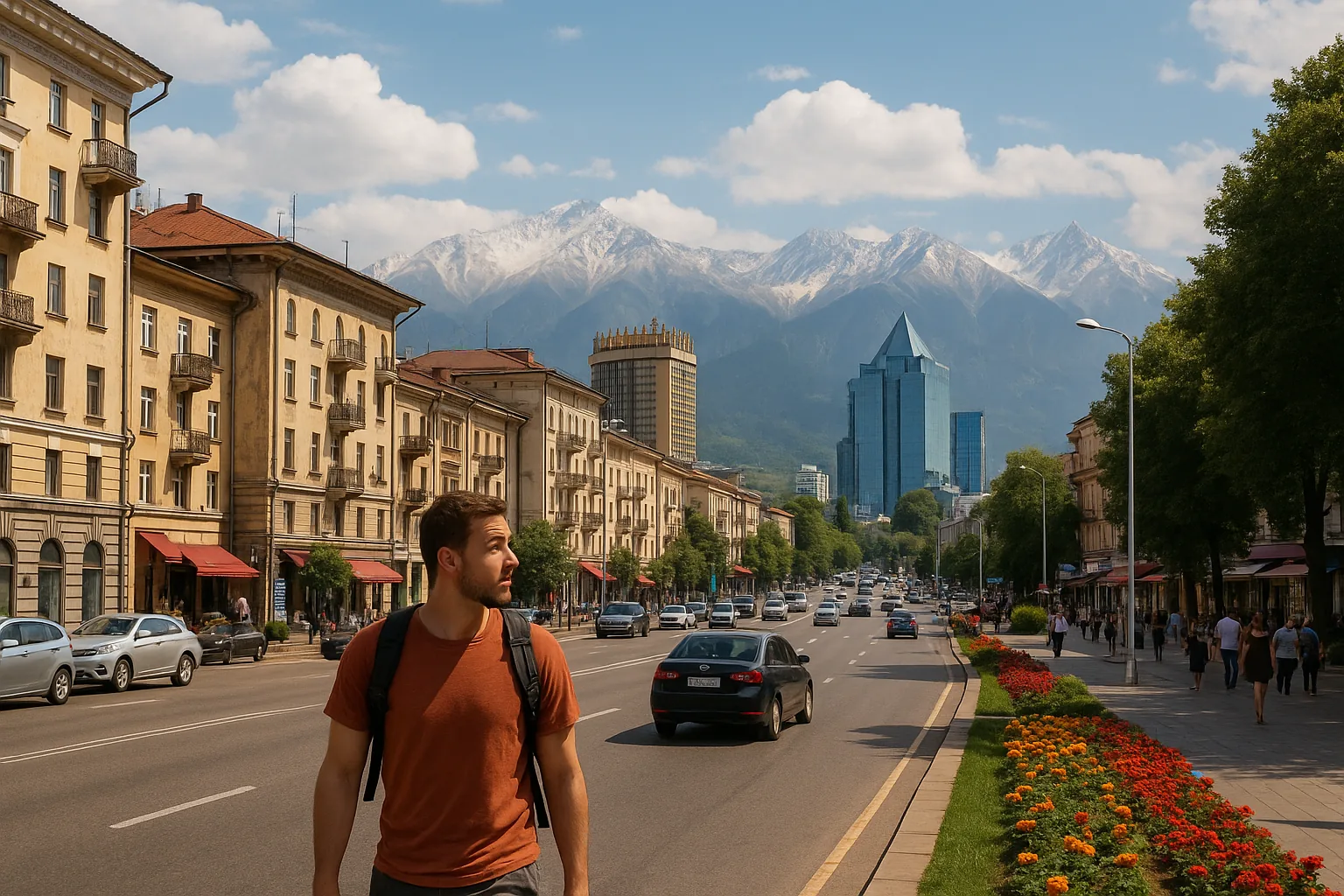
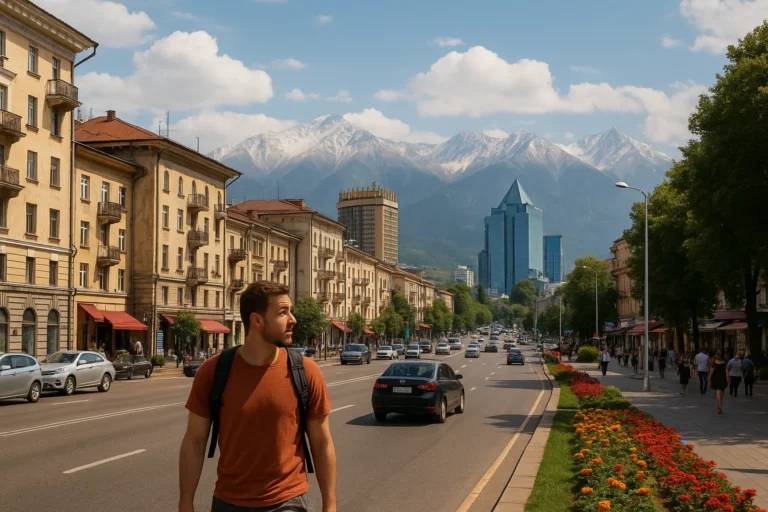
Most travelers planning a Central Asia adventure scroll past Almaty without a second thought, assuming it’s just another post-Soviet gray zone with little to offer beyond a transit stamp. That assumption is completely wrong — and this Almaty travel guide is here to set the record straight. Almaty is Kazakhstan’s largest city, a place where Soviet-era architecture meets leafy boulevards, where the mountains start practically at the edge of the city, and where a young, curious, culturally mixed population has built something genuinely exciting. If you’re building a Central Asia itinerary and you skip this city, you’ll regret it.
Why Almaty Keeps Surprising First-Time Visitors
Almaty was Kazakhstan’s former capital, and it still carries the weight of that history — but in the best possible way. The city sits in the foothills of the Trans-Ili Alatau mountains in southeastern Kazakhstan, right near the border with Kyrgyzstan. That geography alone makes it unlike almost any other major city in the region. You can have breakfast in a café, hike through mountain trails, and be back in the city for dinner — all in one day.
What really catches people off guard is the vibe. There’s a free, almost European energy here that younger culture gravitates towards. It’s not trying to be something it’s not. The Soviet past is visible — in the wide streets, the brutalist buildings, the metro stations — but it sits alongside contemporary art spaces, specialty coffee shops, and restaurants that take local ingredients seriously. The mix of influences, Central Asian, Russian, Korean, and increasingly global, gives the city a texture that’s hard to find anywhere else.
Once you spend a day or two just wandering, you stop trying to categorize Almaty and start simply enjoying it. That’s the right approach.
Understanding the City’s Layout Before You Explore
Almaty is built on a grid system that descends from the mountains in the south toward the flatter northern parts of the city. This is one of the most useful things to understand before you arrive, because it shapes everything — the neighborhoods, the wealth distribution, the scenery, and even the air quality on certain days.
The higher you go (geographically southward), the wealthier and more scenic the neighborhoods become. The mountains are always visible from the southern districts, framing streets lined with trees and well-maintained parks. As you head north, the city becomes more industrial and less polished. Most of what you’ll want to experience as a traveler sits in the central and southern belt of the city.
Getting around is straightforward. The metro covers key central areas, and taxis — including ride-hailing apps — are affordable and widely available. Walking between neighborhoods in the central zone is genuinely pleasant, especially in spring and autumn when the tree-lined streets are at their best.
The Neighborhoods Worth Your Time
Almaly: The Beating Heart of the City
Almaly is the city center, and it’s where most travelers base themselves when they first arrive. It’s practical, well-connected, and full of energy. The Green Bazaar is here — a covered market where you can spend an entire morning exploring stalls piled with dried fruits, spices, fresh bread, and local dairy products. It’s one of those places that immediately makes a city feel real. Don’t just walk through; stop, try things, talk to vendors.
Nearby, Arbat pedestrian street gives you a more curated version of local life — cafés, street performers, and a relaxed pace that’s easy to fall into. The district also has solid metro access, which makes it a convenient base for exploring other parts of the city. Nightlife, transit links, and a good range of accommodation options at different price points all concentrate here. If it’s your first time in Almaty, this is where you start.
Bostandyk: Where the City Shows Off
Bostandyk, in southern Almaty, is a different world. This is the city’s most prosperous district — leafy, spacious, and home to foreign embassies, luxury hotels, and what many locals consider the best restaurants in the city. Esentai Mall sits here, which sounds like a strange recommendation for a travel guide, but it’s genuinely worth a visit as a window into how Almaty’s wealthiest residents live and what the city’s aspirations look like.
Even if you’re traveling on a tighter budget, spending an afternoon in Bostandyk is worthwhile. The streets are beautiful, the parks are well-kept, and the restaurant scene here — from upscale Kazakh cuisine to international options — gives you a sense of how seriously Almaty takes its food culture. Grab a meal, explore on foot, and take your time.
👉 Read also: Central Asia's Silk Road Cities: Samarkand, Bukhara & Almaty for Solo Travelers
Medeu: Where the Mountains Begin
If Almaly is the city’s heart, Medeu is its soul. Sitting at 1,691 metres above sea level, this is the mountain gateway district — the point where urban Almaty transitions into something wilder and more dramatic. It’s home to what is recognized as the world’s highest outdoor ice skating rink at this altitude, a Soviet-era construction that remains genuinely impressive and still draws skaters in winter.
But the real draw is what Medeu gives you access to. From here, you can take the Shymbulak gondola up into the mountains for sweeping views over the city and the surrounding peaks. Hiking trails branch out in multiple directions, ranging from easy walks to more demanding routes that take you deep into the Trans-Ili Alatau range. In winter, those same slopes become the domain of Shymbulak Ski Resort, one of the major winter attractions in the entire region.
Even if you’re not a skier or a serious hiker, take the gondola. The view alone is worth it.
Getting Into the Mountains: Hiking, Skiing, and Day Adventures
One of the things that makes Almaty genuinely special for young travelers is how accessible the mountains are. You don’t need to rent a car or book an expensive tour to experience serious natural scenery. From the city center, you can reach Medeu in under an hour by taxi or public transport, and from there the mountains open up.
In summer and autumn, hiking is the main draw. Trails around the Shymbulak area range from accessible afternoon walks to full-day routes that gain significant elevation. The landscape shifts quickly — from forested lower slopes to open alpine meadows and rocky ridgelines with views that stretch for kilometres. Go early in the morning if you can, before the day warms up and the trails get busier.
In winter, Shymbulak Ski Resort transforms the area. It’s a proper resort with multiple runs catering to different skill levels, and it attracts both local families and international visitors. Equipment rental is available on-site, and lift passes are reasonably priced compared to European ski resorts. Even if you don’t ski, the snow-covered mountain scenery around Medeu is worth the trip up.
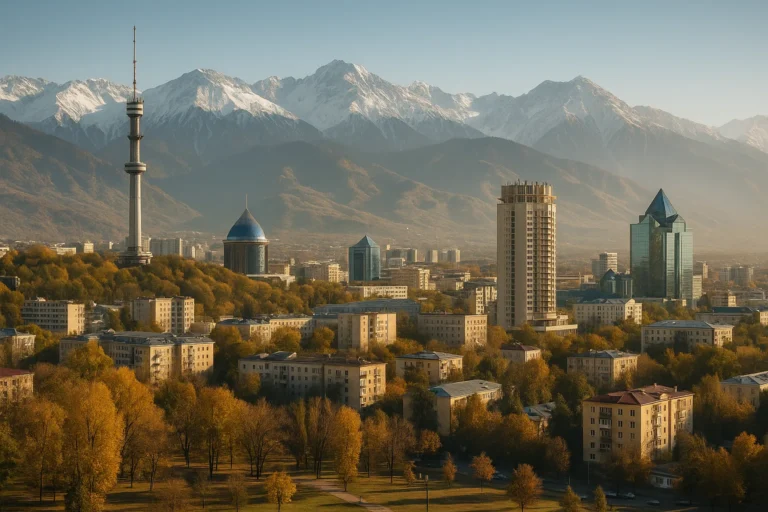
For those who want to push further into the surrounding landscape, the areas beyond the immediate city limits offer gorges, plateaus, and mountain lakes that reward the effort of getting there. Hiring a local guide or joining a small group tour is the most practical way to access these more remote spots, and it also gives you the chance to learn about the landscape from someone who knows it well.
Eating Your Way Through Almaty
The food scene in Almaty is one of its best-kept secrets. This is a city where multiple culinary traditions have been layered on top of each other over generations — Kazakh, Russian, Korean, Uyghur, and Dungan influences all show up in the restaurants and street food stalls, creating a range of flavors that most first-time visitors don’t expect.
Start at the Green Bazaar in Almaly. This is the most direct way to understand what people actually eat here. Look for kurt (small dried cheese balls that are sharper and saltier than you’d expect), fresh lepyoshka bread, and an extraordinary variety of preserved and dried fruits. It’s the kind of market where you can eat well for almost nothing and leave with a completely different sense of the local food culture.
For sit-down meals, the Bostandyk district has the highest concentration of quality restaurants in the city. Kazakh cuisine centers on meat — lamb and horse are both common — often served with noodles or flatbread. Beshbarmak, the national dish, is a generous plate of boiled meat and pasta that’s meant to be shared. It’s hearty, unfussy, and genuinely delicious when it’s made well.
The Korean influence on Almaty’s food is also worth seeking out. Kazakhstan has a significant Koryo-saram community — ethnic Koreans whose families were relocated to Central Asia during the Soviet era — and their culinary traditions have become deeply embedded in local food culture. You’ll find Korean-influenced dishes in markets, canteens, and dedicated restaurants across the city. It’s one of those unexpected food stories that makes Almaty so interesting to eat your way through.
👉 Read also: Silk Road Cities for Culture Seekers: Samarkand, Bukhara & Tashkent in Uzbekistan
Where to Stay: Matching Your Budget to the Right Area
Almaty has accommodation options across a wide range of budgets, and where you stay will shape your experience of the city significantly.
If you’re traveling on a tight budget, the Almaly district is your best bet. Hostels and budget guesthouses are concentrated here, and the central location means you can walk to most of the key sights without spending on transport. The neighborhood is lively without being overwhelming, and the metro connection makes the rest of the city easy to reach.
For a mid-range stay, look at options in or near Bostandyk. You’ll pay more, but you get quieter streets, better restaurants within walking distance, and a more comfortable overall experience. Many boutique hotels and well-reviewed mid-range properties sit in this southern belt of the city.
If you’re splurging, Bostandyk is again the answer — several international luxury hotel brands have properties here, and the standard is genuinely high. The area around Esentai Mall has some of the most polished accommodation in the entire city.
One practical tip: wherever you stay, make sure you’re comfortable with the distance to Medeu and the mountain access points. If getting into the mountains is a priority, staying in the southern part of the city cuts your travel time significantly.
Connecting Almaty to the Rest of Central Asia
One of Almaty’s strongest arguments as a destination is its position as a regional hub. The city’s international airport connects to major cities across Central Asia, Russia, the Middle East, and beyond, making it a logical starting or ending point for a broader regional journey.
Overland connections to Kyrgyzstan are particularly popular with younger travelers. The border with Kyrgyzstan is relatively close, and the journey to Bishkek — Kyrgyzstan’s capital — can be done by shared taxi or bus in a matter of hours. From Bishkek, the rest of Kyrgyzstan opens up, including the extraordinary landscapes around Issyk-Kul lake and the mountain passes further south.
Traveling deeper into Kazakhstan from Almaty is also straightforward. Train connections link the city to the current capital, Astana, and the journey — while long — passes through landscapes that are unlike anything most travelers have seen before. If you have the time, the train is worth it for the scenery alone.
For travelers building a longer Central Asia itinerary, Almaty works well as a first stop. It eases you in gently — it’s international enough to feel accessible, but distinctly Central Asian enough to feel like a genuine discovery. You can find a solid independent traveler’s perspective on Almaty that covers the city’s character and practical details in real depth.
Practical Things to Know Before You Go
A few things will make your time in Almaty smoother. Visa requirements vary significantly depending on your passport — many nationalities can enter Kazakhstan visa-free for short stays, but it’s worth checking the current rules well before you travel, as they can change.
The best times to visit are spring (April to June) and autumn (September to October), when the weather is mild, the mountains are accessible for hiking, and the city’s parks and boulevards are at their most beautiful. Summer can be hot in the city itself, though the mountains stay cooler. Winter is genuinely cold but brings skiing season and a different kind of atmosphere.
- Download a local ride-hailing app before you arrive — it makes getting around significantly easier and cheaper than flagging down street taxis.
- Carry some local currency (tenge) for markets and smaller restaurants; not everywhere accepts cards.
- The metro is clean, cheap, and efficient for moving between central areas — use it.
- Learn a few words of Russian; English is not widely spoken outside of tourist-facing businesses, and even a basic attempt at the local language goes a long way.
- If you’re planning mountain activities, check trail conditions in advance — weather in the Trans-Ili Alatau can change quickly.
Almaty is one of those cities that rewards the traveler who arrives with genuine curiosity and an open schedule. It doesn’t perform for you the way more tourist-heavy destinations do. Instead, it reveals itself slowly — through a conversation at a market stall, a hike that takes you above the clouds, a meal that combines three different culinary traditions on a single plate. This Almaty travel guide can point you in the right direction, but the best discoveries will be the ones you make on your own. Go find them.
This article was produced with AI assistance and reviewed editorially.


Almaty & Tashkent: Central Asia’s Modern Cities Beyond the Silk Road Clichés

Stay Smart in Asia: Budget Accommodation in Osaka, Kyoto & Kuala Lumpur 2026


