
Asia
Southeast Asia Beyond the Backpacker Trail: Vung Tau, Hat Yai & Kuala Lumpur’s Real Neighborhoods
Discover authentic Southeast Asia beyond tourist hotspots. Explore Vung Tau’s fishing villages, Hat Yai’s local charm, and Kuala Lumpur’s real neighborhoods with genuine

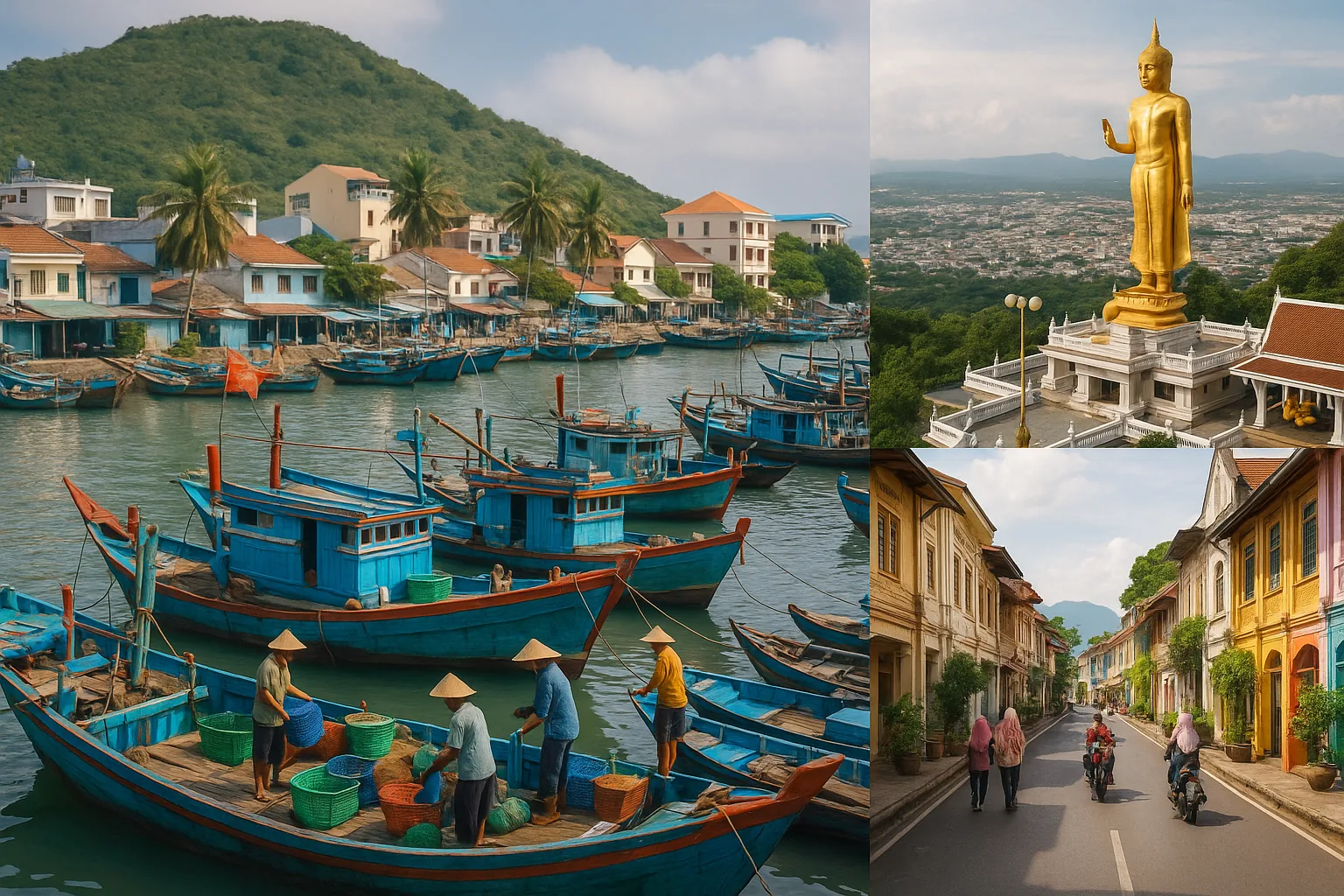
If you’ve been scrolling through travel feeds lately, you’ve probably noticed the same destinations popping up over and over — Bali’s rice terraces, Bangkok’s night markets, the streets of Hoi An glowing with lanterns. And look, those places are popular for a reason. But Southeast Asia is so much bigger than its greatest hits. For every traveler crowding the Khao San Road, there’s a whole city — sometimes a whole region — that’s living its best life without a single selfie stick in sight. That’s the real promise of southeast Asia off the beaten path: not just fewer tourists, but a completely different kind of travel experience, one where you’re a curious guest rather than just another face in the crowd.
Why the Backpacker Trail Leaves So Much Out
The classic Southeast Asia circuit exists for a reason. It’s well-documented, easy to navigate, and full of infrastructure built specifically for travelers. But that convenience comes with a cost. When a neighborhood becomes famous for tourism, it starts to reshape itself around visitors — prices shift, local businesses make way for souvenir shops, and the authentic texture of daily life quietly disappears behind a more polished, tourist-friendly version of itself.
The cities and neighborhoods in this guide haven’t gone through that transformation yet — or have resisted it entirely. They’re places where Southeast Asians themselves choose to eat, live, and spend their weekends. That distinction matters. It means the food is made for local palates, the prices reflect local economies, and the energy you feel walking through the streets is genuinely, unmistakably real.
It also means you’ll need to be a slightly more independent traveler. Menus might not always be in English. Google Maps might lead you somewhere unexpected. But that’s exactly where the best memories tend to live.
Vung Tau, Vietnam: Where the City Escapes to the Sea
Most travelers who visit Vietnam build their itinerary around the obvious anchors — Hanoi in the north, Ho Chi Minh City in the south, with Da Nang or Hội An somewhere in the middle. Vung Tau rarely makes the shortlist, and that’s precisely why it deserves your attention.
Sitting on a peninsula jutting into the South China Sea, Vung Tau has long been a favourite escape for people from Ho Chi Minh City. It’s close enough for a weekend trip, far enough to feel like a different world. The city carries the energy of a working coastal town — fishing boats in the harbour, seafood markets coming alive in the early morning, streets that feel like they’re built for the people who actually live there rather than for visitors passing through.
The pace here is slower and more relaxed than the capital. You can rent a motorbike and wind along the coastal roads, stopping wherever the view looks good. The beaches aren’t the pristine white-sand kind you’ll find further south, but they’re alive in a way that polished resort beaches rarely are. Families set up umbrellas, vendors walk the shoreline, and the whole scene feels completely unpretentious.
👉 Read also: Southeast Asia's Underrated Coastal Towns: Vung Tau, Hat Yai & Beyond
What makes Vung Tau genuinely interesting for curious travelers is that it hasn’t been packaged for export. You’re not visiting a curated version of Vietnamese coastal life — you’re stepping into the real thing. That means you’ll need to lean into the experience with an open mind and a willingness to communicate beyond language barriers. Bring patience, bring curiosity, and bring an appetite.
Hat Yai, Thailand: The South’s Most Overlooked City
Hat Yai is one of those places that makes you wonder why it took you so long to find it. As the fourth largest city in Thailand, it carries real urban energy — busy streets, a thriving food scene, markets that run late into the night — but it operates almost entirely outside the international tourist circuit.
The city sits in southern Thailand, not far from the Malaysian border, and its visitor profile reflects that geography. Hat Yai draws significant numbers of Malaysian and Singaporean tourists, particularly during public holidays and long weekends, but Western travelers are genuinely rare here. That’s not because the city has nothing to offer — it’s simply that it hasn’t been written up in the major travel guides the way Chiang Mai or Krabi have been.
Walking through Hat Yai feels different from the tourist-heavy parts of Thailand. The street food is made for locals, which means the flavours are bolder, the portions are generous, and the prices are honest. Southern Thai cuisine has its own distinct character — influenced by Malay and Indian culinary traditions, heavier on spice and coconut than the dishes you’ll find in Bangkok. Eating your way through Hat Yai’s markets is a genuine education in a regional food culture that most travelers never encounter.
The city also has a relaxed, unpretentious atmosphere that’s hard to find in places that have been heavily developed for tourism. You can explore the markets, wander through local neighbourhoods, and spend an evening eating at a street stall without feeling like you’re performing “authentic travel” for an Instagram audience. It’s just travel — simple, direct, and genuinely satisfying.
If you’re already planning a trip through southern Thailand or crossing between Thailand and Malaysia, building in a few days in Hat Yai is one of the smartest decisions you can make. It connects well geographically and rewards you with an experience that’s completely off the typical traveler radar. For anyone serious about exploring southeast Asia off the beaten path, Hat Yai belongs on the list.
Kuala Lumpur Beyond the Obvious: Chow Kit and Kampung Baru
Kuala Lumpur is a city that travelers often feel they’ve “done” after a few days — the iconic twin towers, a rooftop bar or two, maybe a day trip somewhere nearby. But KL is a genuinely layered city, and some of its most interesting neighbourhoods are the ones that don’t make it onto the standard itinerary.
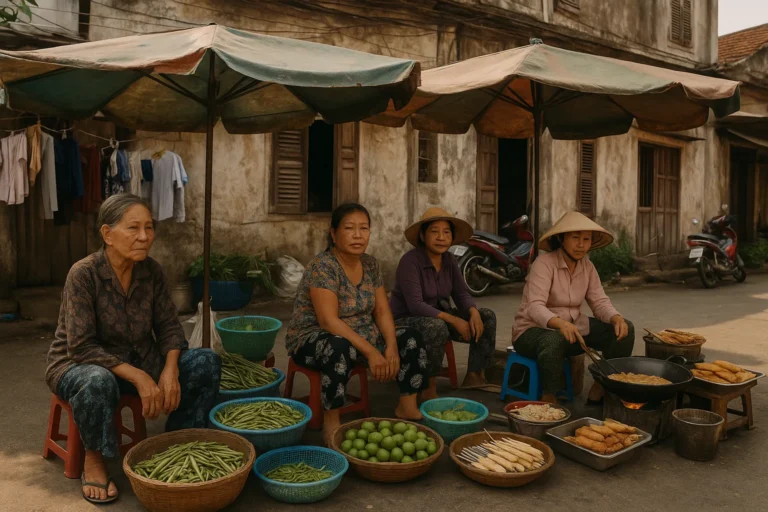
Chow Kit is a neighbourhood that often gets described as misunderstood, and that reputation is both unfair and, in a way, part of its charm. It’s a dense, chaotic, brilliantly alive part of the city — full of markets, back lanes, local food stalls, and the kind of street-level energy that tells you exactly where you are in the world. It’s been recognised as one of Kuala Lumpur’s best neighbourhoods for street food, bars, and boutique accommodation, but it hasn’t been smoothed out for tourist consumption. The edges are still there, and that’s what makes it worth exploring.
👉 Read also: Hidden Gems in Southeast Asia: Vung Tau, Hat Yai & Thailand's Underrated South
Walking through Chow Kit in the morning, when the wet market is in full swing and the streets smell of fresh produce and frying oil, is one of those travel experiences that stays with you. It’s not glamorous. It’s not designed for photographs. It’s just real city life, happening in real time, and you’re welcome to be part of it.
Kampung Baru offers something different again. This neighbourhood carries a strong sense of heritage and community, with kampung — the Malay word for village — right there in the name. It’s known for its night markets, traditional heritage buildings, and village atmosphere, all sitting within one of Southeast Asia’s most modern cities. Walking from the gleaming towers of central KL into the quieter, greener streets of Kampung Baru feels like crossing a threshold into a different era. The contrast is striking, and it’s the kind of thing that makes Kuala Lumpur genuinely fascinating rather than just visually impressive.
Both neighbourhoods reward slow, curious exploration. Don’t rush. Sit down somewhere that looks busy with locals, order whatever they’re having, and let the neighbourhood come to you. That’s the only itinerary you need.
How to Actually Travel Southeast Asia Off the Beaten Path
Discovering less-visited destinations is partly about choosing the right places — but it’s also about adjusting your mindset and your travel habits. Here are some practical approaches that make a real difference:
- Follow where locals go, not where guides point. If a restaurant or market is full of people who live in the city, that’s your signal. Busy with locals almost always means good food and honest prices.
- Stay in neighbourhoods, not tourist zones. Booking accommodation in areas like Chow Kit or Kampung Baru rather than in the most central, tourist-heavy districts puts you inside the city’s daily rhythm from the moment you wake up.
- Use local transport. Trains, buses, and shared rides used by residents will take you through parts of a city that tourist shuttles never touch — and they’ll introduce you to the people who actually live there.
- Go during shoulder season. Avoiding peak travel periods means fewer crowds even in popular destinations, and in genuinely off-the-beaten-path cities, it means you’ll often have whole neighbourhoods almost to yourself.
- Be patient with language barriers. In cities like Hat Yai or Vung Tau, English is less widely spoken than in major tourist hubs. A translation app, a willingness to point and gesture, and a genuine smile will take you further than frustration ever will.
- Talk to people. The best recommendations — the market stall that’s been there for thirty years, the viewpoint that locals know about but never mention online — come from conversations, not from travel apps.
What These Three Places Have in Common
Vung Tau, Hat Yai, and Kuala Lumpur’s overlooked neighbourhoods aren’t connected by geography or culture — they’re connected by the kind of experience they offer. In each of these places, you’re not the main character of someone else’s tourism product. You’re a traveler moving through a city that has its own life, its own rhythms, and its own reasons for existing that have nothing to do with you.
That might sound humbling, but it’s actually the most exciting kind of travel there is. When a place isn’t performing for you, you get to discover what it actually is. The food tastes like it was made for the people who eat it every day. The streets feel like they belong to the people walking them. And the memories you collect are genuinely yours — not a version of an experience that thousands of other travelers have had before you.
This is what southeast Asia off the beaten path actually means. Not hardship, not inaccessibility, not some extreme adventure challenge. Just the quiet, consistently rewarding experience of showing up somewhere that’s still authentically itself — and being curious enough to appreciate it. You can find more inspiration for exploring the region’s lesser-known corners through resources like Future Southeast Asia’s trip reports, which cover destinations that rarely make the mainstream travel press.
Southeast Asia is one of the most diverse, layered, and endlessly surprising regions on the planet. The backpacker trail is a great starting point, but it’s just that — a starting point. The real journey begins when you step off it, follow your curiosity down a side street, and discover that the most memorable moments of your trip are the ones nobody told you to have.
This article was produced with AI assistance and reviewed editorially.


Almaty & Tashkent: Central Asia’s Modern Cities Beyond the Silk Road Clichés

Stay Smart in Asia: Budget Accommodation in Osaka, Kyoto & Kuala Lumpur 2026


