
Asia
Southeast Asia on a Budget: Hidden Neighborhoods in Kuala Lumpur, Chiang Mai, Ipoh & Ho Chi Minh City
Discover affordable neighborhoods in Kuala Lumpur, Chiang Mai, Ipoh, and Ho Chi Minh City. Local food, transport tips, and how to live like locals on $22–$30 daily.

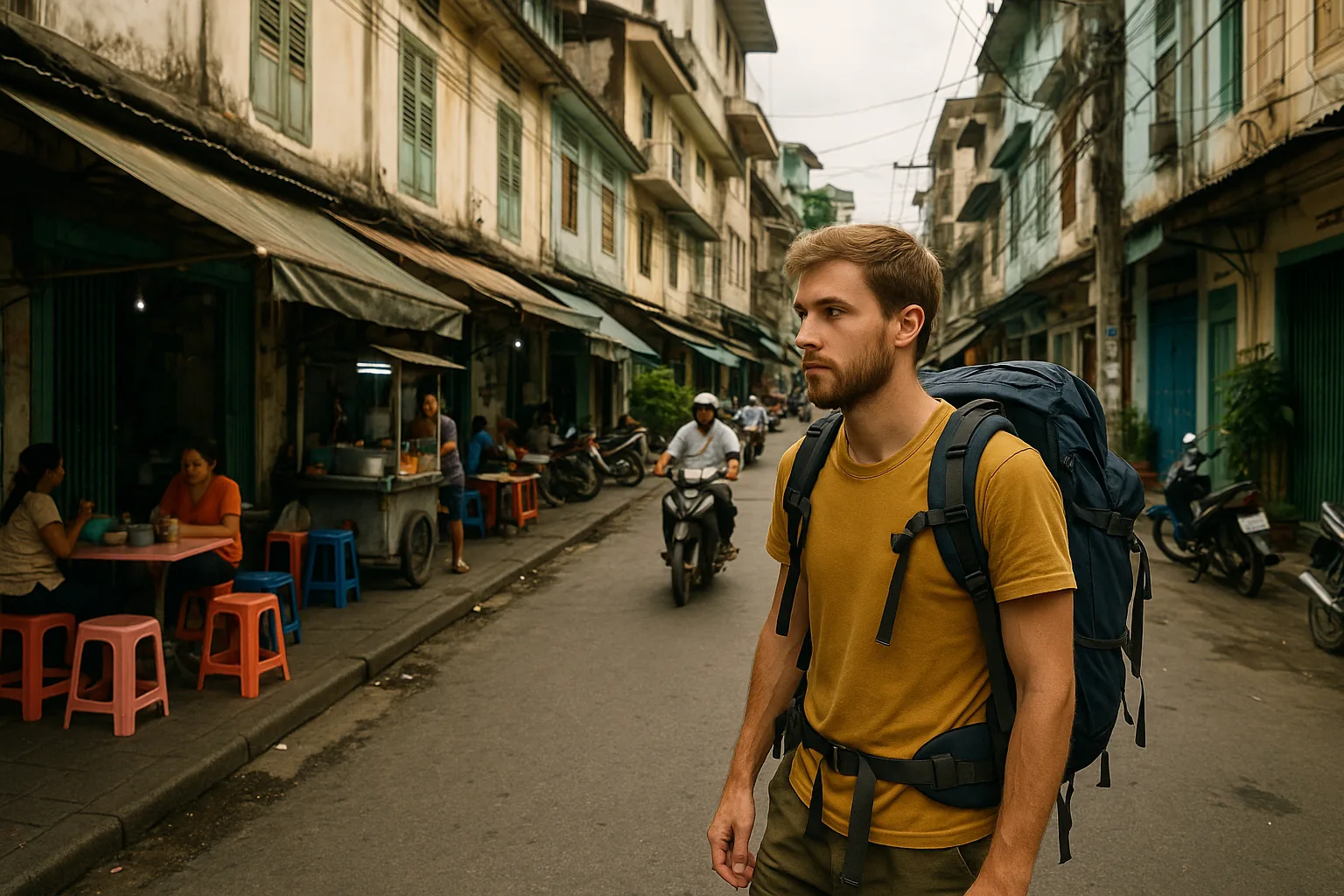
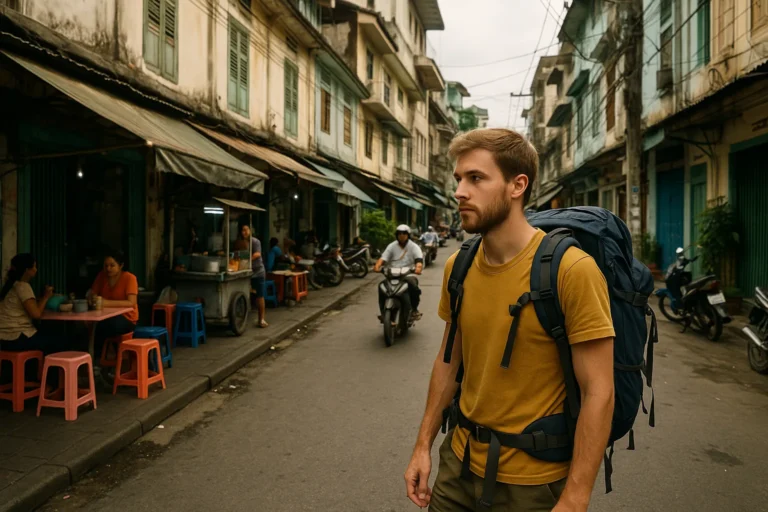
If you’re trying to stretch your travel budget without sacrificing the experience, Southeast Asia remains one of the most rewarding regions on the planet. Backpackers exploring the budget neighborhoods of Southeast Asia regularly discover that you can eat well, sleep comfortably, and move between cities for far less than almost anywhere else in the world — with some travelers managing comfortably on around $22–$30 per day. But knowing which neighborhoods to base yourself in makes all the difference between draining your funds in a tourist bubble and actually living the city like a local. This guide breaks down four cities — Kuala Lumpur, Chiang Mai, Ipoh, and Ho Chi Minh City — neighborhood by neighborhood, so you can make smarter choices from the moment you arrive.
Why Neighborhood Choice Matters More Than You Think
It sounds obvious, but where you sleep shapes your entire trip. Stay in the wrong part of a city and you’ll spend half your day in traffic, overpay for food because you’re surrounded by restaurants catering to tourists, and miss the texture that makes a place genuinely interesting. Stay in the right neighborhood and the city opens up. You stumble into morning markets, find yourself sharing a table with locals, and spend almost nothing doing it.
Southeast Asia is particularly good at rewarding this kind of intentional exploration. Thailand, Vietnam, and Malaysia all offer exceptional value, and within each country, certain cities punch well above their weight for budget travelers. The four cities in this guide aren’t just affordable — they each have distinct neighborhoods that offer very different experiences. Knowing the difference before you book can save you money and give you a much richer trip.
One practical note before diving in: accommodation prices, transport options, and food costs shift with seasons, local events, and broader economic trends. The figures and observations here reflect general patterns that experienced travelers and locals consistently report — always check current rates closer to your travel dates, and build a small buffer into your daily budget.
Kuala Lumpur: Three Neighborhoods, Three Different Cities
Kuala Lumpur is consistently regarded as one of the great cities of Asia — a place where colonial architecture, glass-and-steel towers, and some of the continent’s most diverse street food exist within walking distance of each other. For budget travelers, the challenge isn’t finding affordable options; it’s choosing which part of the city to anchor yourself in.
Chinatown (Petaling Street Area)
If you want to be in the middle of everything at the lowest possible cost, Chinatown is the classic choice. The streets here are dense with hawker stalls, budget guesthouses, and a constant low hum of activity that makes it feel alive at almost any hour. Meals in Malaysia can cost as little as RM10 — and in this neighborhood, that’s genuinely achievable for a full, satisfying plate. You’ll find char kway teow, nasi lemak, and fresh fruit juice vendors operating from early morning until well past midnight.
The area is well-connected to the rest of the city by rail, making it easy to reach KL’s major attractions without relying on expensive taxis. For first-time visitors who want to feel immediately immersed in the city’s energy, this neighborhood delivers that without asking much of your wallet.
Bukit Bintang
A short distance from Chinatown, Bukit Bintang sits at the commercial heart of Kuala Lumpur. It’s busier and slightly more expensive, but it’s also where you’ll find the city’s famous street food strips, sprawling night markets, and easy access to shopping malls — useful when you need to restock gear or pick up a local SIM card. Budget accommodation exists here, particularly in the streets just off the main drag, and the trade-off for slightly higher prices is excellent connectivity and a central location that makes day-tripping across the city effortless.
This is a good base if you’re balancing sightseeing with the occasional splurge — a rooftop bar, a nicer meal — while still keeping overall costs reasonable.
Bangsar
Bangsar sits a little further from the tourist center and rewards travelers who seek it out. It’s a residential neighborhood with a genuine local character — independent cafés, weekend markets, and a food scene that caters to KL residents rather than visitors. Prices here are modest, the atmosphere is relaxed, and it’s the kind of place where you can rent a room, buy groceries from a local shop, and spend a few days feeling like you actually live in the city rather than passing through it. If you’re staying in KL for more than a few days, Bangsar is worth serious consideration.
👉 Read also: Southeast Asian Stopovers: Budget Stays in Phnom Penh, Jakarta & Penang
Chiang Mai: Finding the Balance Between Old City Charm and Local Life
Few cities in Southeast Asia have the pull of Chiang Mai. Nestled in northern Thailand, it combines ancient temples, a thriving creative scene, and some of the most affordable street food you’ll find anywhere. Thailand ranks among the top budget destinations in Asia, and Chiang Mai specifically has long been a favorite for backpackers, digital nomads, and long-term travelers precisely because it’s so easy to live well here without spending much.
The Old City
The Old City is surrounded by a moat and ancient walls, and staying within or just outside this area puts you close to the city’s most celebrated temples, night markets, and a dense cluster of guesthouses and hostels that compete on price. The trade-off is that it’s also where most tourists congregate, which means some restaurants and cafés have adjusted their prices accordingly. That said, venture even half a block off the main tourist streets and you’ll find khao soi — the region’s signature curry noodle soup — for prices that feel almost too good to be real.
Weekend walking markets draw both locals and visitors, and the atmosphere is festive without feeling manufactured. If you’re new to Southeast Asia and want a gentle, well-organized introduction to Thai culture, the Old City is a comfortable and genuinely beautiful place to start.
Nimmanhaemin Road Area
Known locally as Nimman, this neighborhood sits west of the Old City and has developed into Chiang Mai’s most design-forward district. It’s where you’ll find independent coffee shops, concept stores, and a younger local crowd. Accommodation here tends to attract longer-stay visitors — budget guesthouses exist alongside boutique hostels with strong social scenes. It’s a great base if you’re interested in Chiang Mai’s creative culture, want reliable Wi-Fi for remote work, and prefer a neighborhood that feels lived-in rather than tourist-facing.
Transport between Nimman and the Old City is generally straightforward, with shared vehicles and ride-hailing apps both available. Getting around Chiang Mai as a budget traveler typically means a combination of walking, renting a bicycle for a day, or using local transport options — it’s worth asking your accommodation for current, reliable advice on the best way to move around during your visit.
Ipoh: The Underrated City That Keeps Surprising People
If there’s one city in Southeast Asia that consistently surprises travelers who make the effort to visit, it’s Ipoh. Located in Malaysia’s Perak state, roughly between Kuala Lumpur and Penang, Ipoh has a pace and character entirely its own. It’s quieter than KL, less internationally known than Penang, and all the more rewarding for it.
Old Town
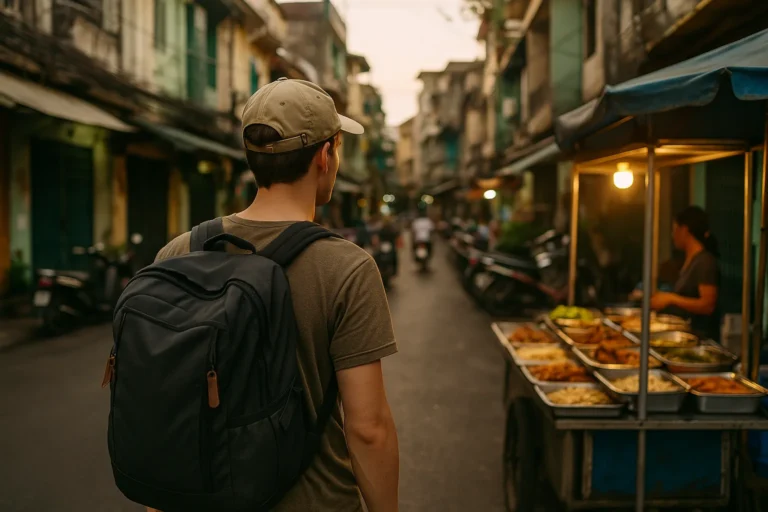
Ipoh’s Old Town is the city’s historic core, defined by colonial-era shophouses, faded grandeur, and a hawker food culture that locals take very seriously. The architecture here reflects the city’s prosperous past — wide five-foot walkways, ornate facades, and streets that reward slow, aimless wandering. Budget accommodation in Old Town tends to be excellent value, with guesthouses and small boutique hostels occupying restored heritage buildings.
The food scene is the main event. Ipoh has a strong regional identity built around dishes like white coffee — a local specialty brewed with a distinctive roasting method — and bean sprout chicken, a deceptively simple dish that locals will argue passionately about. Hawker stalls and kopitiam (traditional coffee shops) open early and stay busy throughout the morning, making breakfast in Ipoh one of the genuine pleasures of traveling through Malaysia. Given that meals in Malaysia can cost as little as RM10, spending a morning working through multiple dishes is both affordable and deeply enjoyable.
New Town
Ipoh’s New Town sits across the Kinta River from the Old Town and has a more contemporary, commercial feel. It’s where you’ll find local shops, markets, and a less tourist-oriented slice of daily life. For budget travelers, New Town offers practical amenities — pharmacies, convenience stores, transport connections — alongside a handful of affordable places to eat and sleep. It’s worth spending at least a morning exploring, particularly if you want to see Ipoh as a functioning city rather than just a heritage attraction.
Getting between the two sides of Ipoh is easy on foot or by local transport, and the compact size of the city means you can cover a lot of ground without spending on taxis. Ipoh is also well-connected to both KL and Penang by train, making it an ideal stop on a longer Malaysian itinerary rather than a destination that requires significant detour.
Ho Chi Minh City: Navigating the Districts on a Budget
Vietnam ranks second among the most affordable destinations in Asia, and Ho Chi Minh City — still widely called Saigon by the people who live there — is one of Southeast Asia’s most electric urban experiences. It’s loud, fast, layered with history, and extraordinarily good value. The key to making the most of it on a budget is understanding which districts offer the best balance of affordability, atmosphere, and access.
👉 Read also: Singapore & Kuala Lumpur: How to Navigate Southeast Asia's Modern Metropolises
District 1: The Backpacker Hub
District 1 is the city center, and within it, the area around Bui Vien Street is the traditional backpacker zone. It’s busy, social, and unquestionably convenient — hostels, budget guesthouses, tour operators, and street food vendors are all clustered together. If you’re arriving in the city for the first time and want to orient yourself quickly, this is a practical starting point.
That said, the concentration of travelers means some businesses here price accordingly. The trick is to eat where you see locals eating — often just a few streets away from the main tourist drag — and use the neighborhood’s excellent transport connections to explore further afield during the day. Major landmarks, including the Reunification Palace and Ben Thanh Market, are within easy reach, making District 1 a genuinely useful base even if it’s not the most atmospheric place to spend an evening.
District 3: Local Life at a Lower Price
A short distance from District 1, District 3 offers a noticeably different experience. The streets here are quieter, the restaurants cater primarily to Vietnamese residents, and the general pace of life is less frenetic. Budget accommodation exists here, often at lower prices than comparable options in District 1, and the food scene — pho, banh mi, fresh rice paper rolls — is exceptional and genuinely local in character.
For travelers who’ve spent a night or two in District 1 and want to peel back another layer of the city, District 3 is an easy and rewarding shift. It’s the kind of neighborhood where you can spend an afternoon in a ca phe (Vietnamese coffee shop), watch the city move around you, and feel like you’re actually in Ho Chi Minh City rather than a version of it designed for visitors.
Getting around the city is a genuine adventure in itself. Motorbike taxis, ride-hailing apps, and the city’s own transport options all compete for your business, and prices are generally very reasonable. As with any large Southeast Asian city, it’s worth asking locals or your accommodation for up-to-date advice on the most reliable and affordable ways to get around — options evolve quickly, and what worked six months ago may have been replaced by something better.
Practical Tips for Exploring Budget Neighborhoods Across the Region
Across all four cities, a few principles hold consistently true for travelers trying to make the most of their money without missing out on what makes each place worth visiting.
- Eat where locals eat. This isn’t just budget advice — it’s the fastest route to understanding a place. Street stalls, hawker centers, and kopitiam will almost always offer better food at lower prices than restaurants positioned toward tourists.
- Walk more than you think you need to. All four cities in this guide have walkable cores, and exploring on foot reveals details — a side street, a hidden courtyard, an unexpected market — that you’d miss entirely from the back of a taxi.
- Ask your accommodation for transport advice. Guesthouse staff and hostel receptions are consistently the best source of current, practical information about how to get around cheaply. They know what’s changed recently in ways that no article written months earlier can fully account for.
- Travel between cities by train or bus where possible. Both Malaysia and Vietnam have rail and coach networks that connect major cities at very low cost. Booking a day or two in advance is usually sufficient, and the journey itself often becomes part of the experience.
- Build in flexibility. The budget neighborhoods of Southeast Asia reward spontaneity. Some of the best meals, conversations, and discoveries happen when you don’t have a plan — when you follow a smell down an alley or accept an invitation to join someone’s table.
One useful resource for getting a broader picture of daily budget planning across the region is Wanderlust’s first-timer guide to backpacking Southeast Asia on $30 a day, which covers general cost structures across multiple countries and helps you set realistic expectations before you arrive.
How to Move Between These Four Cities
One of the underappreciated advantages of choosing Kuala Lumpur, Chiang Mai, Ipoh, and Ho Chi Minh City as your base cities is that they all sit within a broader regional circuit that’s easy and affordable to navigate.
Ipoh sits naturally on the rail line between KL and Penang, making it a logical overnight stop rather than a detour. Kuala Lumpur is one of Southeast Asia’s best-connected aviation hubs, with budget airline routes to both Chiang Mai and Ho Chi Minh City that are frequently very affordable when booked with reasonable lead time. The overall circuit — Malaysia to Thailand to Vietnam, or in reverse — is one of the classic backpacker routes in the region for good reason. Each city is distinct enough to feel like a genuine shift in culture and atmosphere, but the distances and transport costs between them are manageable even on a tight budget.
Exploring the budget neighborhoods of Southeast Asia across this kind of multi-city itinerary is one of the most rewarding ways to travel. You’re not just visiting a place — you’re building a sense of the region, noticing how food, architecture, language, and daily rhythms shift as you move from one country to the next. That accumulation of experience, gathered over weeks of street-level exploration, is what turns a trip into something you’ll still be talking about years later.
The cities in this guide aren’t perfect — no city is — but they each offer something genuinely worth your time and your limited funds. Whether you’re spending a long weekend in Ipoh’s Old Town over a bowl of white coffee and a plate of food you can’t quite believe costs this little, or navigating the organized chaos of Ho Chi Minh City’s streets for the first time, Southeast Asia has a way of making you feel like you’ve discovered something. That feeling, it turns out, is completely free.
This article was produced with AI assistance and reviewed editorially.


Almaty & Tashkent: Central Asia’s Modern Cities Beyond the Silk Road Clichés

Stay Smart in Asia: Budget Accommodation in Osaka, Kyoto & Kuala Lumpur 2026


