
Asia
Southeast Asian Stopovers: Budget Stays in Phnom Penh, Jakarta & Penang
Discover authentic Southeast Asia budget accommodation in three underrated cities. Compare neighborhoods, hostels, guesthouses, and day trips across Phnom Penh, Jakarta,

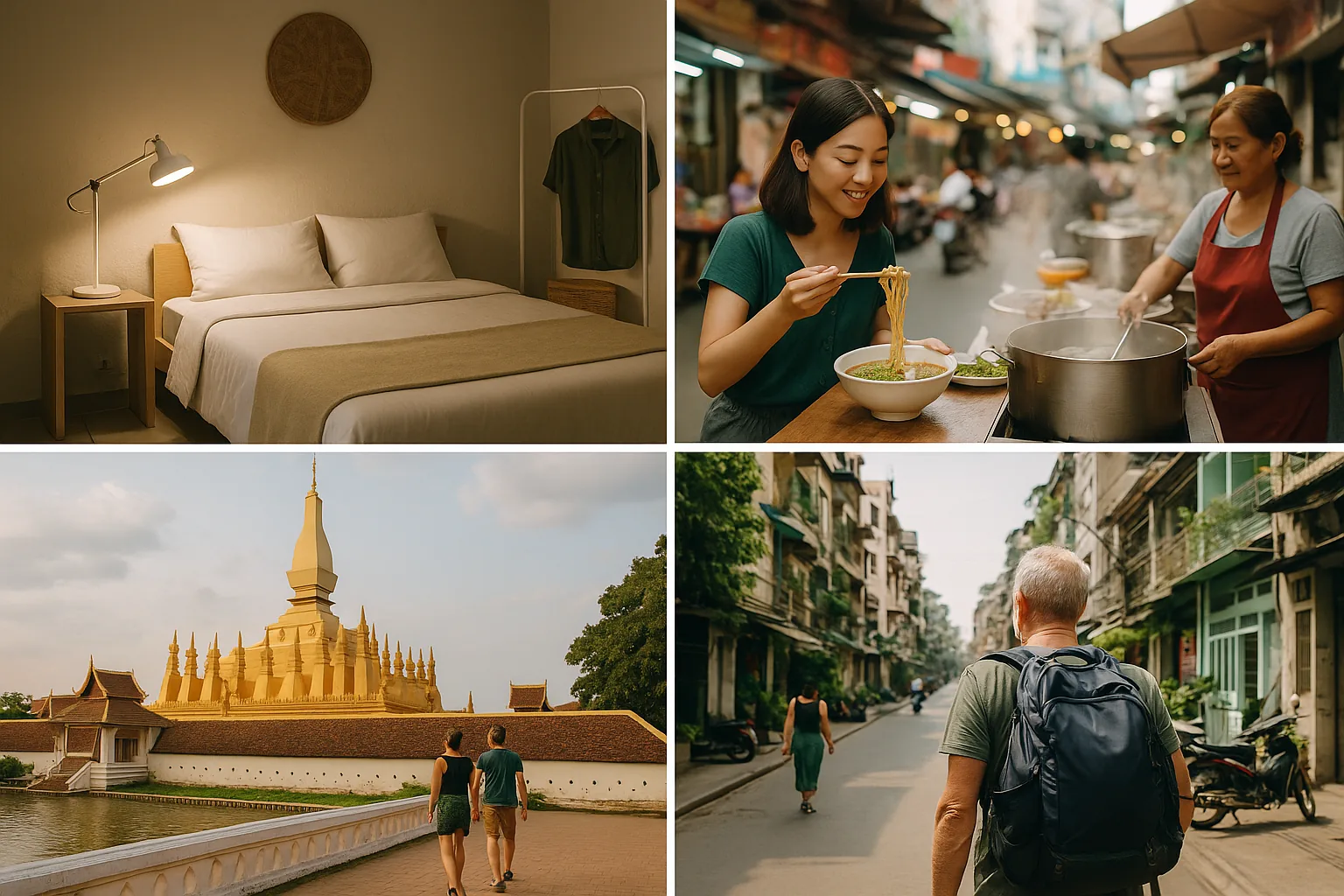
Three cities, three completely different vibes, and one thing in common: most travelers pass through without giving them a second look. If you’re planning a trip through the region and want to stretch every dollar while actually experiencing where you land, finding the right southeast asia budget accommodation can completely change your trip. Phnom Penh, Jakarta, and Penang aren’t just transit hubs — they’re layered, surprising, and genuinely worth slowing down for.
Why These Three Cities Deserve More Than an Overnight Stop
There’s a certain kind of traveler who books a cheap flight through Southeast Asia, lands in a city at midnight, sleeps, and leaves before noon the next day. That traveler is missing everything. Phnom Penh, Jakarta, and Penang each carry a kind of depth that reveals itself slowly — through a street food stall you stumble across at 7am, a colonial building half-hidden behind a motorbike repair shop, or a conversation with a guesthouse owner who’s been watching backpackers come and go for decades.
Southeast Asia has long been a favorite destination for budget-conscious travelers, and for good reason. The region makes it genuinely easy to move between countries, and accommodation costs are among the most affordable anywhere in the world. Cambodia, for example, is widely considered one of the cheapest countries to travel in all of Southeast Asia, with hostel beds available from as little as $4 a night in Phnom Penh. Across the region, comfortable, well-located budget hotels can regularly be found for $50 or less per night — often much less if you know where to look.
The trick isn’t just finding cheap rooms. It’s finding the right room in the right neighborhood, so that the city opens up around you instead of staying at arm’s length.
Phnom Penh: Cambodia’s Capital on the River
Phnom Penh sits at the meeting point of the Tonlé Sap and Mekong rivers, and that geography gives the city its personality. It’s a place of motion — tuk-tuks weaving through traffic, river ferries cutting across the water, street vendors setting up before sunrise. It’s also a city with a heavy, important history, and the best stays here put you close enough to both the chaos and the calm to feel both.
Neighborhoods Worth Knowing
The Riverside area is the most immediately accessible for first-time visitors. You’re steps from the waterfront promenade, close to the Royal Palace, and surrounded by guesthouses, cafés, and restaurants that cater to a mix of locals and travelers. It can get busy, but the energy is part of the appeal — especially in the evenings when the whole neighborhood seems to spill onto the street.
For something calmer and more residential, the BKK1 district (Boeng Keng Kang 1) draws digital nomads and longer-stay travelers. It’s leafier, a little more spread out, and home to some excellent independent coffee shops and local restaurants. Accommodation here tends to be guesthouses and small boutique spots rather than party hostels, which suits travelers who want a base rather than a social scene.
Toul Tom Poung — the area around the famous Russian Market — is another strong option. It’s more local-feeling than Riverside, the market itself is a great place to spend a morning, and you’ll find some genuinely good-value guesthouses tucked into the surrounding streets. Staying here means you’re slightly further from the main tourist drag, which often translates to cheaper prices and more authentic day-to-day life around you.
👉 Read also: Southeast Asia's Underrated Cities: Bandung, Malang, and Luang Prabang Beyond the Guidebook
Hostel or Guesthouse in Phnom Penh?
If you’re traveling solo and want to meet people, Phnom Penh’s hostel scene is solid. Onederz Phnom Penh carries a rating of 9.0 and is consistently recommended for hostel newcomers — it balances social atmosphere with a comfortable, well-run setup. Mad Monkey Hostel Phnom Penh, rated 8.9, leans into the party end of the spectrum and works well if that’s the kind of trip you’re on.
For travelers who want more privacy without spending much more, small family-run guesthouses throughout Riverside and BKK1 offer private rooms at prices that compete directly with dorm beds elsewhere in the world. The trade-off with guesthouses is that you’ll likely have fewer organized social activities, but you’ll often get more personalized local knowledge from the people running the place.
Getting Around and Day Trips
Tuk-tuks remain one of the most enjoyable ways to move around Phnom Penh. Negotiate a price before you get in, or use one of the ride-hailing apps that have made transport here more transparent. For longer distances within the city, app-based motorbike taxis are quick and cheap. Day trips from Phnom Penh include the sobering but essential visit to the Killing Fields at Choeung Ek, which lies just outside the city, and the riverside town of Udong, a former royal capital with hilltop temples and sweeping views over the Cambodian countryside.
Jakarta: Indonesia’s Sprawling, Underrated Capital
Jakarta gets a bad reputation it doesn’t entirely deserve. Yes, it’s massive. Yes, the traffic can test your patience. But dig into the right neighborhoods and you’ll find a city with a genuinely exciting food scene, fascinating colonial history, and a warmth that catches most first-time visitors off guard.
Choosing Your Base in a Megacity
The key to enjoying Jakarta is picking your neighborhood carefully. Menteng, in Central Jakarta, is one of the city’s older residential districts — tree-lined streets, Dutch colonial architecture, and a pace that feels almost calm by Jakarta standards. It’s well-connected, relatively safe to walk around, and home to a range of mid-range guesthouses and small hotels that offer good value for the quality.
Kemang, further south, has a more cosmopolitan feel. It’s popular with expats and young Jakartans, which means the restaurant and café scene is excellent. Budget options are slightly harder to find here, but the neighborhood rewards exploration — independent bookshops, live music venues, and street food stalls that stay open late.
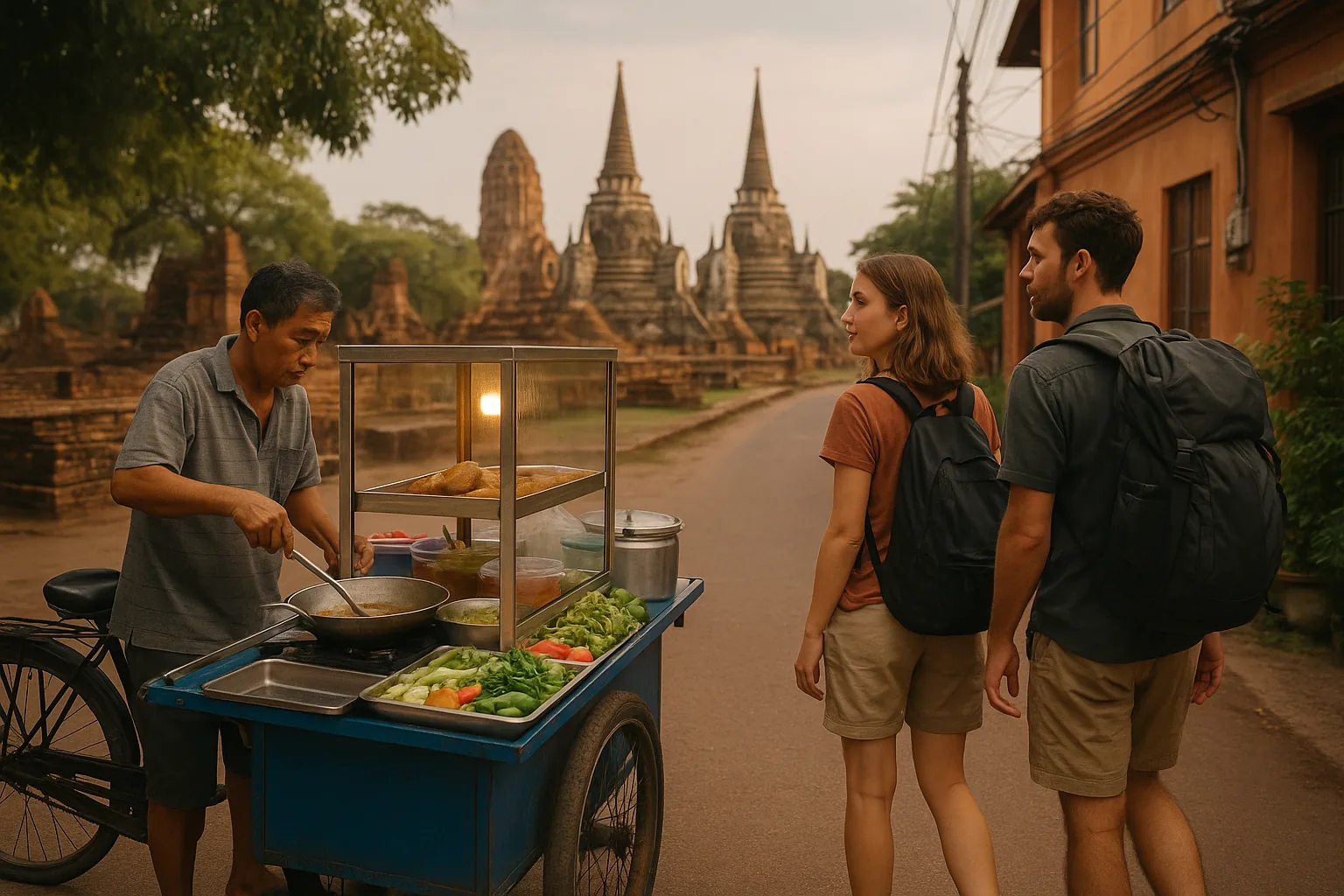
For history lovers, Kota Tua — Old Batavia — is one of the most atmospheric places to stay in the entire city. The Dutch colonial buildings around Fatahillah Square have been partially restored, and the area has a faded grandeur that’s genuinely compelling. Accommodation in and around Kota Tua ranges from budget guesthouses to converted heritage buildings, and you’re walking distance from some of Jakarta’s most interesting museums and street food.
Navigating Jakarta on a Budget
Jakarta’s TransJakarta bus rapid transit system is extensive, cheap, and air-conditioned — a genuine lifeline in a city this size. For shorter trips, app-based ride services including motorbike taxis are fast and affordable. The key is downloading the relevant apps before you arrive so you’re not scrambling at the airport. Day trips from Jakarta include the Thousand Islands (Kepulauan Seribu), a chain of small islands accessible by boat from the north coast, and the highland town of Bogor, known for its botanical gardens and cooler temperatures.
Penang: Malaysia’s Street Food Capital and Heritage Gem
If you ask seasoned Southeast Asia travelers which city they’d return to without hesitation, Penang comes up constantly. George Town, the island’s main city and a UNESCO World Heritage Site, is one of the most visually rich urban environments in the region — a layered mix of Chinese shophouses, Indian temples, Malay kampung houses, and colonial British buildings, all compressed into a walkable grid of streets.
👉 Read also: Southeast Asia Slow Travel: Luang Prabang, Saigon Day Trips, and Cusco Hostels for Real Backpackers
Georgetown vs. Batu Ferringhi: Two Different Penang Experiences
Staying in George Town is the choice for travelers who want to be in the middle of everything. The heritage core is compact enough to explore almost entirely on foot, and the street art, clan jetties, and hawker centers are all within easy reach. Budget accommodation here ranges from well-run hostels in restored shophouses to small guesthouses that have been operating for decades. The atmosphere in a converted shophouse hostel — high ceilings, tiled floors, communal balconies — is hard to replicate anywhere else in the world.
Batu Ferringhi, on the island’s northern coast, is a different proposition entirely. It’s beach-focused, more resort-oriented, and better suited to travelers who want to decompress rather than explore. Budget options exist, but the area doesn’t have the same cultural density as George Town. If you’re visiting Penang for the first time, base yourself in George Town and make a day trip to Batu Ferringhi rather than the other way around.
Airbnb, Hostel, or Guesthouse — What Works Where
This is a question worth thinking about for each city individually, because the answer changes. In Phnom Penh, hostels make a lot of sense if you’re solo — the social infrastructure is there, prices are low, and the best ones are genuinely well-run. In Jakarta, the sheer size of the city means that location matters more than accommodation type; a well-placed guesthouse in Menteng will serve you better than a cheap hostel in an inconvenient district. In Penang, a heritage shophouse guesthouse in George Town is often the most rewarding choice — you’re getting both accommodation and an experience.
Airbnb and similar platforms can work well across all three cities, particularly for travelers staying more than a few nights who want a kitchen and more space. The trade-off is that you lose the built-in community of a hostel and the local knowledge of a family-run guesthouse. For first-time visitors to any of these cities, a guesthouse with an engaged host often pays dividends that no app can replicate.
For more general guidance on planning a first trip through the region, Uncornered Market’s Southeast Asia beginner guide covers the practical fundamentals well.
Practical Tips for Booking Southeast Asia Budget Accommodation
A few principles hold true across all three cities — and honestly, across most of Southeast Asia:
- Book the first night in advance, stay flexible after that. Arriving in a new city without a reservation adds stress you don’t need. Once you’re settled and have a feel for the place, you can make decisions about where to stay next.
- Read recent reviews carefully. A hostel that was excellent two years ago may have changed management. Look for reviews from the last few months and pay attention to comments about cleanliness, security, and staff attitude.
- Location beats price. A room that costs a few dollars more but puts you in the right neighborhood will save you money on transport and give you more time to actually experience the city.
- Ask your accommodation for local recommendations. The best street food stalls, the quietest temples, the market that opens at 5am — this information rarely makes it onto travel websites, but the person running your guesthouse almost certainly knows.
- Check what’s included. Breakfast, airport pickup, luggage storage, and reliable Wi-Fi can all affect the real cost of a stay. In Southeast Asia especially, a guesthouse that includes a simple breakfast can meaningfully change your daily budget.
Moving Between the Three Cities
One of the great pleasures of southeast asia budget accommodation hunting is that the region rewards flexibility. Low-cost airlines connect Phnom Penh, Jakarta, and Penang with each other and with dozens of other destinations, often for less than the cost of a night’s accommodation. Budget carriers operate frequent routes across the region, and booking even a week in advance can secure fares that make a multi-city itinerary genuinely affordable.
If you have more time than money, overland and sea routes add texture to the journey. Bus connections from Phnom Penh into Vietnam or Thailand are well-established and used by travelers constantly. From Penang, ferries and buses connect the island to the Thai border, opening up the possibility of a slow, scenic journey north without ever boarding a plane.
The point isn’t to rush. Each of these cities rewards the traveler who lingers — who eats at the same street stall three mornings in a row, who gets lost in a neighborhood without a plan, who ends up staying an extra night because something unexpected happened and it turned out to be the best part of the trip. That’s the real value of finding the right place to stay: not just a bed, but a base from which a city starts to feel, however briefly, like somewhere you actually live.
This article was produced with AI assistance and reviewed editorially.


Nepal’s Mountain Gateway: Kathmandu Neighborhoods, Street Food & Where to Stay for Authentic Exploration

Luang Prabang, Laos: Why This Sacred City Is Perfect for Solo Travelers Seeking Solitude


