
Itineraries
Vietnam Beyond the Postcard: What You Actually Need to Know About Hanoi
Discover what Hanoi is really like with this practical 3-day itinerary that captures the city’s culture, street food, and walkable neighborhoods beyond the myths.

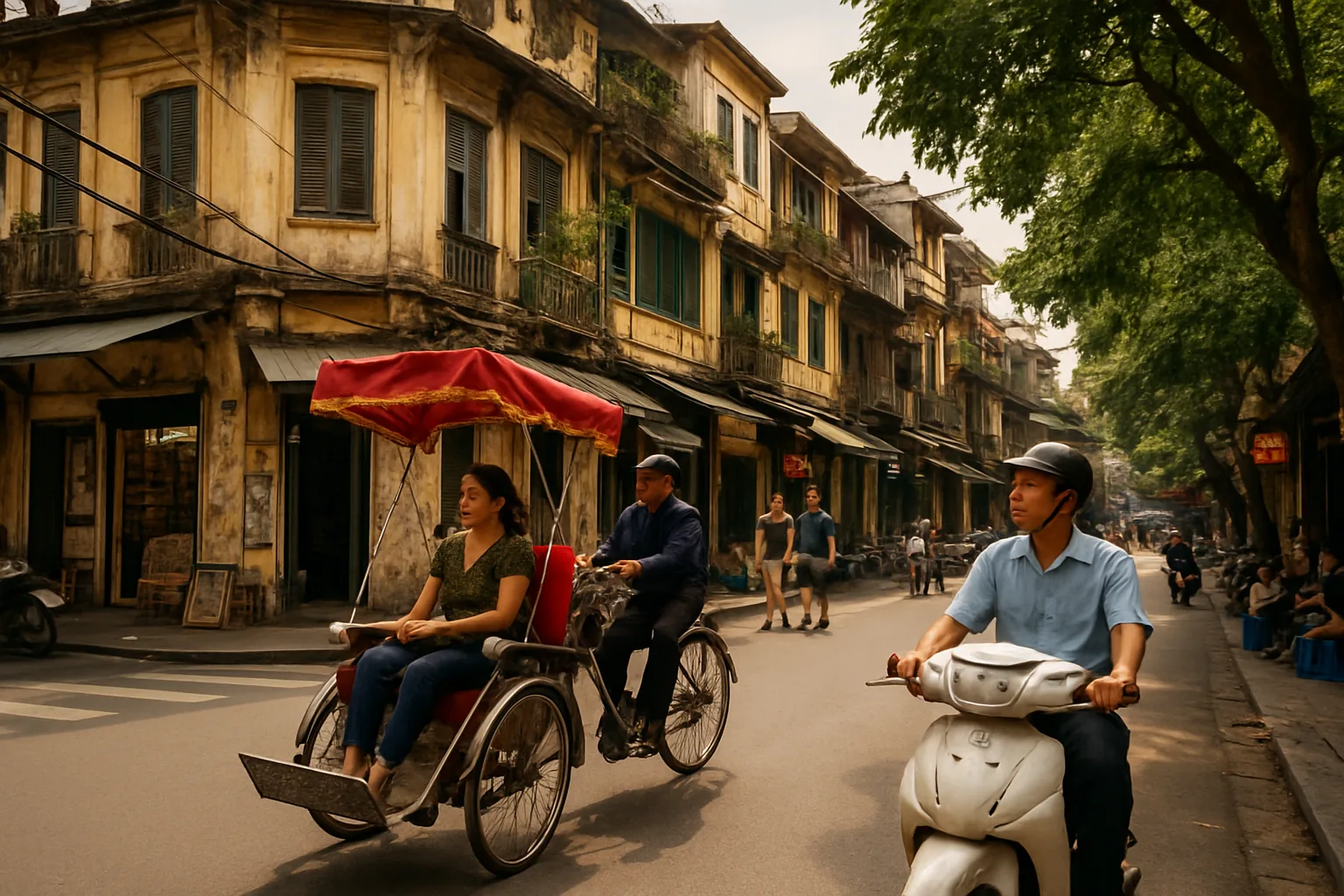
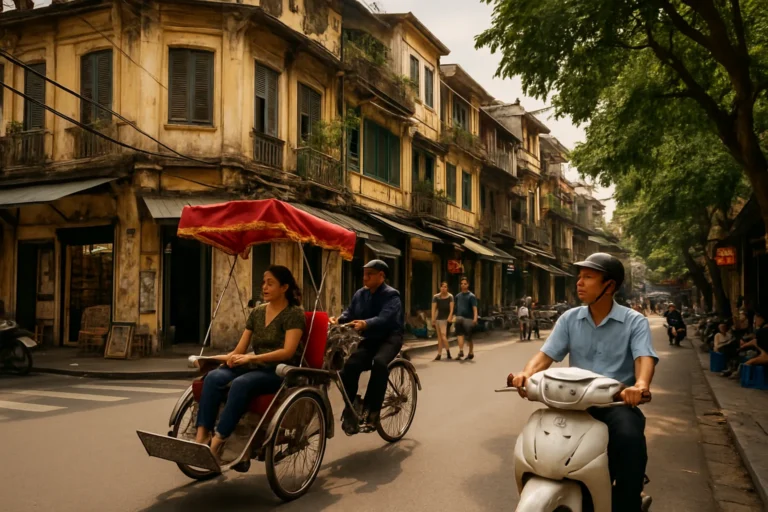
Vietnam has a way of catching people off guard — in the best possible way. You arrive expecting one thing and discover something completely different: a country that’s layered, fast-moving, deeply rooted in history, and absolutely electric with energy. If you’re building a Hanoi 3 day itinerary, you’re already making a smart move. The capital sits at the heart of everything that makes Vietnam so compelling, and three days gives you enough time to feel it properly — the chaos, the calm, the flavors, and the stories hidden in every alley.
What Most People Get Wrong About Vietnam Before They Arrive
Travel myths have a long shelf life. They get passed around in hostel common rooms, copied from outdated blog posts, and repeated by people who’ve never actually been. Vietnam collects more than its fair share of misconceptions, and if you let them shape your expectations, you’ll miss what the country actually is.
One of the most common assumptions is that Vietnam is primarily a war destination — a place defined by its 20th-century conflicts. That narrative exists, and the history is real and worth understanding. But Vietnam is a 1,000-year-old civilization with a culture that stretches far deeper than any single chapter of its past. You’ll feel that the moment you walk through Hanoi’s Old Quarter, where the street layout itself dates back centuries.
Another persistent myth is that Vietnam is too chaotic or unsafe for first-time solo travelers. The traffic is intense — we’ll get to that — but chaotic doesn’t mean dangerous. Millions of young travelers move through Vietnam every year with nothing but a backpack and a good sense of curiosity. The country is remarkably navigable once you stop trying to apply Western traffic logic to it.
People also tend to assume Vietnam is a budget destination that sacrifices quality. That’s only half true. Yes, your money goes far here. But what you’re getting isn’t a cheap imitation of something better — it’s genuinely world-class food, rich cultural experiences, and landscapes that don’t need a filter. Value and quality coexist here in a way that’s hard to find elsewhere.
Some travelers assume the north and south are basically the same place with different weather. They’re not. Hanoi and Saigon feel like two different countries sharing a border. Hanoi is older, more formal, more historically layered — a city that moves with purpose and carries its past visibly. Saigon (officially Ho Chi Minh City) is louder, more entrepreneurial, more cosmopolitan in a modern sense. Neither is better. They’re just different experiences, and both are worth your time.
There’s also the assumption that Vietnamese food is just pho. Pho is extraordinary — especially in Hanoi, where the broth runs clear and fragrant — but it’s one note in an entire symphony. Street food here is one of the most diverse and sophisticated culinary traditions in the world, and three days in the capital will only begin to show you that.
Hanoi Before You Arrive: A Quick Reality Check
Let’s talk about the traffic, because it will be the first thing that hits you. Crossing the street in Hanoi is one of those experiences that sounds terrifying in theory and becomes second nature within a day. The key is to move slowly and predictably. Don’t run, don’t freeze, don’t wait for a gap that will never come. Step into the flow, keep a steady pace, and the motorbikes will weave around you. It works. Trust the system.
The weather matters too. Hanoi has four distinct seasons, which is unusual for Southeast Asia. Winters (roughly November through February) are cool and occasionally misty — bring a light jacket. Summers are hot and humid with heavy rain. Spring and autumn offer the most comfortable conditions for walking, which is exactly how you want to explore this city.
Getting around within the city is easy. The Old Quarter is highly walkable, and most of the major attractions sit within reasonable distance of each other. Ride-hailing apps work well here and take the guesswork out of negotiating fares. For longer distances, you can grab a taxi or hop on the back of a xe om (motorbike taxi) if you’re feeling adventurous.
One practical note: carry some local currency. Street food vendors, market stalls, and small family-run restaurants typically don’t take cards. ATMs are widely available, and withdrawing cash on arrival is straightforward.
→ Read also: Vietnam Beyond the Stereotypes: Hanoi in 3 Days + 11 Debunked Misconceptions
Your Hanoi 3 Day Itinerary: Day One — The Heart of the Old Quarter
Start the way every good day in Hanoi should start: with breakfast. Head to the Old Quarter and find a small street-side stall serving pho. You’ll smell it before you see it — that slow-cooked, herb-laced broth that Hanoians have been perfecting for generations. Sit on a plastic stool, watch the city come alive around you, and eat slowly. This is not a meal to rush.
After breakfast, walk to Hoan Kiem Lake. This is the geographic and emotional center of Hanoi — a calm body of water surrounded by trees, morning tai chi practitioners, and the gentle hum of the city waking up. In the middle of the lake sits Ngoc Son Temple, connected to the shore by a bright red bridge. It’s one of the most photographed spots in Vietnam for good reason, but it earns its reputation. The temple is small, serene, and genuinely atmospheric.
Spend the rest of the morning getting lost in the Old Quarter’s 36 streets. Each street historically specialized in a particular trade — silk, paper, tin, bamboo — and while that system has evolved, you can still feel the logic of it. Duck into doorways, follow interesting smells, and let yourself wander without a specific destination.
In the afternoon, visit St. Joseph’s Cathedral, Hanoi’s striking neo-Gothic church that sits in the middle of a neighborhood full of independent cafés and boutique shops. It’s a good spot to slow down, grab a coffee, and watch the city move around you. If you haven’t tried egg coffee yet, this is the afternoon to do it. The drink — a Hanoi original — is rich, velvety, and unlike anything you’ve had before. It’s somewhere between a dessert and a coffee, and it’s completely addictive.
End the day at the Hanoi Opera House. You don’t need to go inside (though a performance here is worth considering for the evening). Just standing in front of it at dusk, watching the city swirl around this grand colonial building, is its own kind of experience.
Day Two — History, Culture, and the West Lake
Day two is where Hanoi’s deeper history comes into focus. Start at Hoa Lo Prison, a colonial-era prison that later became significant during the Vietnam War. It’s a sobering, important visit — the kind of place that gives you context for everything else you see in the country. The exhibits are thoughtful and the experience stays with you.
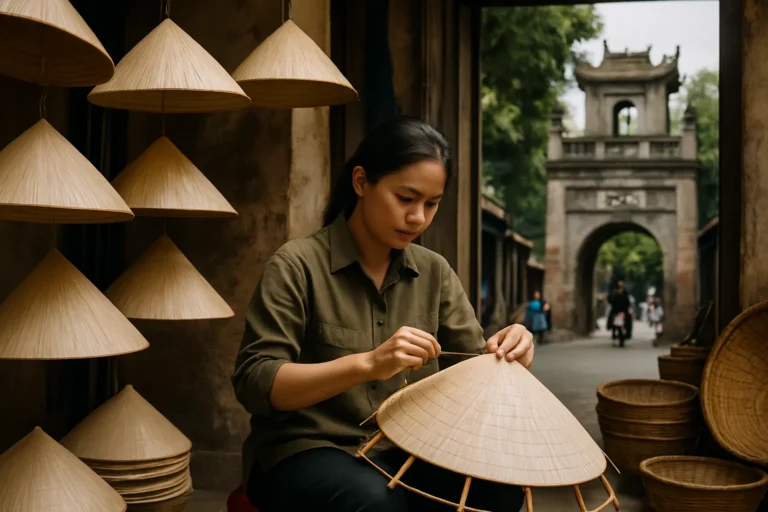
From there, make your way to the National Museum of Vietnamese History. If you’re the kind of traveler who wants to understand a place rather than just photograph it, this museum is essential. The collection spans thousands of years and gives you a real sense of how long and layered Vietnamese civilization actually is.
After lunch — ideally something from a local bun cha spot, where grilled pork and noodles arrive in a fragrant broth — head toward the Presidential Palace and the Ho Chi Minh Mausoleum complex in the Ba Dinh district. The grounds are expansive and peaceful, with a very different energy from the Old Quarter. Note that the mausoleum has specific visiting hours and dress code requirements, so check those before you go.
In the late afternoon, make your way to West Lake (Ho Tay). It’s Hanoi’s largest lake and the neighborhood around it has a relaxed, residential feel that’s a world away from the tourist bustle of the Old Quarter. Rent a bicycle and circle part of the lake, stop at a lakeside café, and watch the sun drop toward the water. It’s one of those moments that doesn’t photograph well but stays in your memory.
For the evening, book tickets to the Water Puppet Show — a UNESCO-recognized traditional art form that originated in the Red River Delta. Puppets perform on water to live traditional music, telling stories from Vietnamese folklore and rural life. It sounds unusual and it is, in the best way. Even if you don’t understand every story, the craftsmanship and the atmosphere are genuinely captivating.
Day Three — Museums, Markets, and Making It Your Own
Save the Vietnamese Women’s Museum for your third morning. It’s one of the most thoughtful and well-curated museums in the city, exploring the roles of women across Vietnamese history, culture, and the various conflicts the country has lived through. It’s moving without being heavy-handed, and it offers a perspective on Vietnam that most travel itineraries overlook entirely.
→ Read also: Southeast Asia Decoded: Hanoi 3-Day Itinerary + Vietnam Misconceptions Debunked
After the museum, head to Train Street — the narrow alley where a working railway line runs between residential buildings close enough to touch. It’s become famous on social media, but experiencing it in person still carries a genuine thrill. The cafés that line the tracks make it a good spot to sit and watch the rhythm of the neighborhood.
Use your final afternoon to revisit anything that pulled at you earlier in the trip. Maybe that means going back to a specific street food stall, wandering a part of the Old Quarter you didn’t fully explore, or simply sitting by Hoan Kiem Lake and watching the city one more time. Some of the best travel experiences aren’t planned — they’re what happens when you put the map away and follow your curiosity.
If you want to add a structured experience to your last evening, consider a Vietnamese cooking class. Learning to make even one dish — a proper pho, a fresh spring roll — gives you something to carry home that no souvenir can. GetYourGuide’s Hanoi weekend guide has good options for booking these kinds of hands-on cultural experiences.
Hanoi vs. Saigon: Understanding the Difference
If you’re planning a longer trip through Vietnam, you’ll likely end up comparing the two cities. It’s worth understanding them as distinct experiences rather than alternatives to each other.
Hanoi feels older in a way you can see and touch. The French colonial architecture, the narrow lanes of the Old Quarter, the slower pace of the morning — it all adds up to a city that wears its history openly. There’s a formality to Hanoi that you notice in small ways: in how people dress, in the quieter energy of certain neighborhoods, in the pride locals take in their culinary traditions.
Saigon moves faster. It’s a city that’s constantly building, constantly reinventing itself, with a skyline that changes year to year and a street food scene that runs around the clock. The energy is electric and a little overwhelming at first, but it pulls you in quickly.
Neither city is the “real” Vietnam. They’re both real, just different expressions of the same country. If you can, spend time in both. Start in Hanoi to get your bearings in the history, then move south to feel the momentum of Saigon. The contrast makes each city more interesting.
What Young Travelers Actually Do in Vietnam
Beyond the city itineraries, Vietnam offers a range of experiences that are genuinely built for the kind of travel that stays with you. Kayaking through caves in the north, cycling through rice paddies in the countryside, taking a cooking class with a local family, spending a beach day in Hoi An, or trying your hand at crab fishing in a coastal village — these are the kinds of activities that turn a trip into a story.
Vietnam rewards curiosity and spontaneity more than almost any destination in Southeast Asia. The infrastructure for independent travel is solid enough that you can move freely, but the country is still raw enough in places that you can genuinely discover things that feel like your own. That balance is rare, and it’s a big part of why Vietnam keeps pulling people back.
The travelers who get the most out of Vietnam — and out of a Hanoi 3 day itinerary specifically — are the ones who treat it as a starting point rather than a checklist. See the temples, eat the street food, walk the old streets. But also follow the sound of music down an alley, accept the invitation to sit with strangers, and say yes to things you didn’t plan. That’s where the real trip begins.
Hanoi is a city that gives back in proportion to what you bring to it. Come with an open mind, a willingness to be surprised, and a decent appetite — and you’ll leave with something that feels less like a vacation and more like the beginning of a longer relationship with a place that deserves to be known properly.
This article was produced with AI assistance and reviewed editorially.


Slow Travel Through Southeast Asia: Discovering Hanoi’s Soul and Vietnam Beyond the Guidebook

Vietnam Beyond the Postcard: What You Actually Need to Know About Hanoi


