
Asia
Sri Lanka’s Best Beaches: Why Arugam Bay Should Be on Your List
Explore Sri Lanka’s top beaches from award-winning Arugam Bay to Mirissa and Unawatuna. Find surf breaks, seasons, travel tips and local culture.

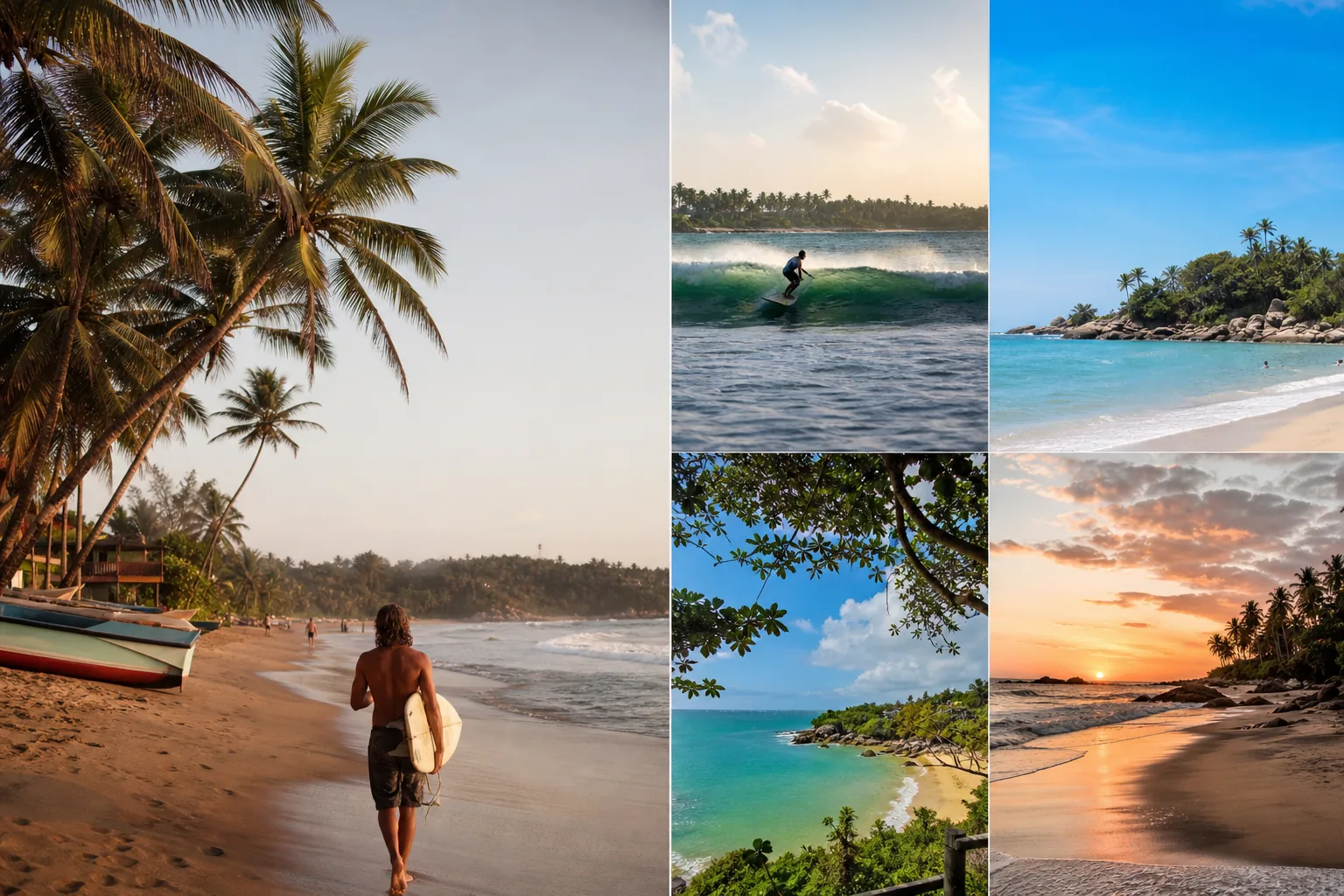
Sri Lanka punches well above its weight when it comes to coastline. For a relatively small island, it packs in an extraordinary range of beaches — from reef-sheltered bays perfect for lazy afternoon swims to raw, windswept breaks that draw surfers from every corner of the world. If you’re hunting for the best beaches in Sri Lanka, you’re in the right place, because this island genuinely delivers something different at almost every turn of its shore. And right now, the world is paying attention: Arugam Bay was named Asia’s best beach for 2026 in the Condé Nast Traveller Readers’ Choice Awards, scoring an impressive 98.84 out of 100. That’s not just a number — it’s a signal that this stretch of the east coast is doing something very, very right.
Why Arugam Bay Belongs on Your Radar
There’s a reason Arugam Bay keeps winning. It’s not just the surf — though the surf is genuinely world-class. It’s the whole atmosphere. The town sits on Sri Lanka’s east coast, and that geography has been its quiet protector for years. Its remote location has shielded it from the overdevelopment that has crept into parts of the south coast, meaning you won’t find a wall of beachfront hotels blocking your view or a busy main road cutting you off from the water.
What you will find is a laid-back, sun-bleached town with a strong backpacker community, excellent local food, and waves that suit everyone from intermediate riders to experienced surfers chasing serious barrels. The main break at Arugam Bay itself is the most accessible, but the surrounding area has several other surf spots worth exploring if you’re willing to hire a tuk-tuk and venture a little further out.
The local scene here feels genuinely alive. Fishermen still work the bay in the early morning. Small guesthouses and surf camps line the sandy lanes rather than polished resort corridors. You eat at plastic tables under palm roofs, order fresh seafood and rice and curry, and talk to the person sitting next to you because that’s just what happens in places like this. It’s the kind of energy that’s hard to manufacture — and that’s exactly why it earned the top spot in the 2026 Condé Nast Traveller survey, now in its 29th edition.
If you’re planning a trip, the surf season on the east coast typically runs from roughly late spring through early autumn, when the swell is most consistent and the weather cooperates. Outside that window, the west and south coasts flip into their own prime season — which is actually great news, because it means Sri Lanka always has somewhere worth visiting, no matter when you travel.
The South Coast: Mirissa, Unawatuna, Weligama, and More
While Arugam Bay is having its moment, Sri Lanka’s south coast has been pulling travelers for decades — and for good reason. These beaches are more accessible from Colombo and easier to connect in a single trip, making them a natural starting point if you’re new to the island.
Mirissa
Mirissa sits at the southernmost tip of the island, and it earns its reputation on two fronts. First, the view: the bay curves beautifully, with a small rocky outcrop that splits the beach and gives you a natural spot to climb up and watch the sun drop into the Indian Ocean. The sunsets here are genuinely worth staying up for. Second — and this is the one that draws serious wildlife enthusiasts — Mirissa is one of the best places in the world to spot blue whales. Whale-watching boats head out from here during the season, and seeing one of these creatures surface in open water is the kind of experience that stays with you.
Unawatuna
A short drive east of Galle, Unawatuna offers something slightly different: a reef-sheltered bay that makes it one of the calmer swimming spots on the south coast. The water inside the reef is relatively gentle, which makes it a good choice if you want to spend the day actually in the ocean rather than fighting it. The beach gets busy in high season, but the surrounding lanes are full of small restaurants, dive shops, and guesthouses that give it a lively, social atmosphere after dark.
Weligama
If you’ve always wanted to try surfing, Weligama is where you start. The beach has long, rolling waves that are ideal for beginners, and there’s no shortage of surf schools offering lessons at accessible prices. The town itself has grown into a proper surf hub — there are good cafés, surf gear rentals, and a community of travelers who are all roughly at the same stage: excited, slightly wobbly, and completely hooked after their first ride.
→ Read also: Skip the Crowded Beaches: Find Your Own Slice of Sri Lanka's Coast
Dalawella
Just along the coast from Unawatuna, Dalawella is quieter and family-friendly in the best sense of the word — meaning it’s relaxed and unhurried. It’s also one of the spots where you’re most likely to encounter sea turtles coming ashore, which is one of those wildlife moments that genuinely stops you in your tracks. Treat it with respect: keep your distance, don’t use flash photography, and let them do their thing.
Mawella
For travelers who actively want to escape the crowds, Mawella delivers. It’s described as one of Sri Lanka’s more secluded beaches, tucked away enough that it hasn’t been overrun. The trade-off is that facilities are minimal — but that’s kind of the point. Bring what you need, find a spot, and just exist for a while.
Beyond the South: Bentota, Tangalle, Negombo, and the North
The 2026 Condé Nast Traveller awards didn’t just spotlight Arugam Bay. Three more Sri Lankan beaches — Bentota, Tangalle, and Negombo — all secured spots in Asia’s top 20, which tells you a lot about the island’s overall coastal quality.
Bentota is one of the most well-known beaches on the island, sitting between a lagoon and the open ocean on the southwest coast. It’s popular, yes, but it earns that popularity — the beach is wide and clean, the water is warm, and the lagoon behind it offers a completely different kind of activity if you want to explore by boat.
Tangalle sits further east along the south coast and has a more rugged, windswept character than the beaches closer to Galle. It’s the kind of place where you find long stretches of sand with very few people on them, especially if you walk away from the main areas. It’s also close to Yala National Park, which means you can combine a beach day with a wildlife safari — leopards, elephants, and crocodiles are all part of the picture at Yala, making it one of the more extraordinary combinations you’ll find anywhere in Asia.
Negombo sits just north of Colombo, close to the international airport, which makes it a genuinely useful first or last stop on your trip. It’s a working fishing town as much as a beach destination, and that dual identity gives it a grittier, more authentic feel than some of the more polished resort areas further south.
The East and North: Nilaveli, Kalpitiya, and Hidden Gems
Once you’ve explored the south, the east and northwest open up a completely different set of experiences. These areas are less visited, which means more space, quieter beaches, and the satisfaction of going somewhere that most travelers skip.
Nilaveli, on the northeast coast, is the gateway to Pigeon Island — a small marine national park just offshore where reef diving reveals some of Sri Lanka’s most vibrant underwater life. The coral here is genuinely impressive, and the snorkeling is accessible even if you’ve never dived before. The beach at Nilaveli itself is long, pale, and relatively undeveloped, which gives the whole area an unhurried, exploratory feel.
On the northwest coast, Kalpitiya has carved out a niche as one of Asia’s top spots for kiteboarding. The conditions here — flat lagoon water on one side, open ocean on the other, consistent winds — are ideal for the sport, and there are schools and camps set up specifically for travelers who want to learn or improve. Even if kiteboarding isn’t your thing, the remoteness of the area and the wildlife in the surrounding lagoons make it worth the journey.
→ Read also: Sri Lanka Backpacking Guide: Routes, Hostels & Local Experiences
Reading the Seasons: When to Visit Which Coast
Sri Lanka’s weather is shaped by two monsoon systems, and understanding the basics makes a real difference to your trip. In simple terms: the southwest coast (Unawatuna, Mirissa, Weligama, Bentota) is at its best from roughly November through April, when the northeast monsoon keeps that side of the island dry and sunny. The east coast — including Arugam Bay and Nilaveli — flips the calendar, coming into its prime from roughly May through October when the southwest is getting its rain.
This pattern is actually a gift for travelers with flexible schedules. It means that if you plan your route carefully, you can follow the good weather around the island and always be somewhere that’s in season. Arrive in November on the south coast, work your way east, and by the time you reach Arugam Bay, the surf season will be winding down but the beach will still be beautiful.
The transition periods — around April and October — can be unpredictable, but they’re also when the island is less crowded and prices at guesthouses tend to drop. If you’re traveling on a budget and don’t mind the occasional afternoon shower, shoulder season is worth considering.
Getting Between Beaches Without Losing Your Mind
Sri Lanka is small enough that moving between beaches is manageable, but the road infrastructure means journeys can take longer than the map suggests. The coastal train line running south from Colombo is one of the most scenic rail journeys in Asia — the tracks run right along the shoreline in places, and the views from the open carriage doors are the kind of thing travel photographers dream about. It’s slow, it’s sometimes crowded, and it’s absolutely worth it.
For the east coast, buses are the main option for budget travelers, and while they’re not always comfortable, they connect the major towns reliably. Tuk-tuks are your best friend for shorter hops between beaches, exploring surf spots around Arugam Bay, or reaching places that public transport simply doesn’t serve. Hiring a driver for a day or splitting the cost with other travelers you meet at your guesthouse is a practical and social way to cover more ground.
Traveling Respectfully Along the Coast
Sri Lanka is a predominantly Buddhist country, and the culture along the coast — even in tourist-heavy areas — reflects that. Temples and shrines appear in unexpected places, including right on the beach in some towns. When you visit them, cover your shoulders and knees, remove your shoes, and be genuinely respectful rather than treating it as a photo opportunity.
On the beach itself, swimwear is fine, but walking through town in a bikini or board shorts is considered disrespectful in most areas. It takes about thirty seconds to throw on a sarong or a light shirt, and locals genuinely appreciate the gesture. Small things like this go a long way toward being a traveler who’s actually welcome rather than just tolerated.
Sri Lanka’s coastal communities have been through a lot — the 2004 tsunami reshaped entire towns, and the fishing industry remains central to the livelihoods of many families. Buying fresh seafood directly from local vendors, eating at family-run kades (small local eateries) rather than exclusively at tourist restaurants, and spending your money in ways that actually reach the community are all choices that matter. The Lonely Planet guide to Sri Lanka’s beaches covers thirteen different spots and is a solid companion for planning your route.
Sri Lanka’s coastline is one of those rare places where the reality actually matches — and often exceeds — the hype. Whether you end up chasing waves at Arugam Bay, watching blue whales surface off Mirissa, diving the reefs at Pigeon Island, or simply finding a quiet stretch of sand at Mawella and staying there for three days, you’ll understand pretty quickly why the best beaches in Sri Lanka keep drawing travelers back year after year. This island has a way of getting under your skin — and the coast is usually where it starts.
This article was produced with AI assistance and reviewed editorially.


The Solo Traveler’s Guide to Finding Your People in Hostels Across Southeast Asia, Eastern Europe, and Beyond

Arriving in La Paz: How to Handle the Altitude and Actually Enjoy It


