
Bolivia
Arriving in La Paz: How to Handle the Altitude and Actually Enjoy It
Understand La Paz altitude sickness before you arrive. Learn symptoms, acclimatization strategies, and how to explore the world’s highest capital safely.

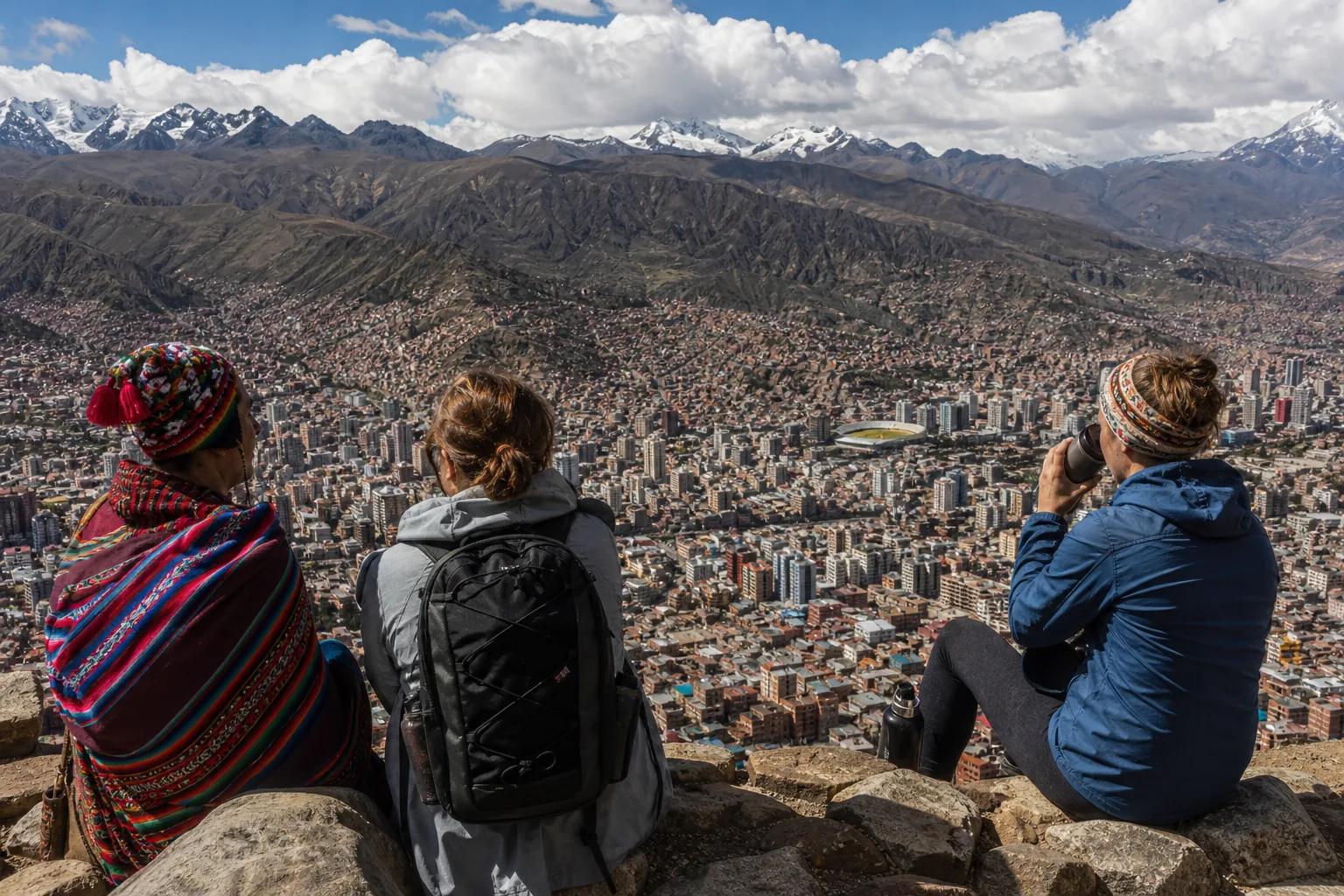
Landing in La Paz is one of those travel moments you won’t forget — not because of a perfect sunset or a postcard view, but because your body immediately lets you know you’ve arrived somewhere extraordinary. At roughly 3,600 meters above sea level, the Bolivian capital sits higher than almost anywhere else on Earth you can reach by commercial flight, and the thin air hits fast. Understanding La Paz altitude sickness before you touch down isn’t just smart planning — it’s the difference between spending your first two days in bed and actually exploring one of the most vibrant, layered, and genuinely unforgettable cities in South America.
Why the Altitude in La Paz Hits Differently
Most travelers have heard that La Paz is high. But hearing it and feeling it are two completely different things. The city itself sits at approximately 3,600 meters (around 12,000 feet), which already puts it well above the threshold where altitude effects become noticeable for most people. But here’s the part that catches almost everyone off guard: you don’t even start at 3,600 meters.
El Alto International Airport, the gateway into the city, sits at over 4,090 meters — nearly 500 meters higher than La Paz itself. That means the moment your plane lands and you step off, you’re already at an altitude that many mountaineers consider genuinely challenging. Your body hasn’t had a single second to adjust, and it shows.
At these elevations, the air contains significantly less oxygen than at sea level. Your lungs have to work harder to pull in what they need, your heart rate rises, and your blood thickens slightly as your body tries to compensate. For most people, this manifests as soroche — the local word for altitude sickness — which can include headaches, dizziness, nausea, fatigue, and shortness of breath even while doing something as simple as climbing a flight of stairs.
None of this means La Paz is off-limits. It means you go in prepared.
Understanding La Paz Altitude Sickness: Symptoms and What’s Normal
There’s a spectrum when it comes to altitude sickness, and knowing where you fall on it matters. Mild symptoms are extremely common and don’t mean something is seriously wrong. Severe symptoms are rarer but require immediate action.
Mild symptoms you might experience in the first 24 to 48 hours include:
- A dull, persistent headache — often worse in the morning
- Fatigue that feels disproportionate to what you’ve done
- Slight nausea or loss of appetite
- Difficulty sleeping, even when you’re exhausted
- Mild dizziness when standing up quickly
These are your body’s way of saying give me a moment. Rest, hydrate, and don’t push yourself. Most travelers find these symptoms ease significantly after 48 to 72 hours as acclimatization kicks in.
Serious symptoms — the ones that mean you need medical help — include severe confusion, inability to walk straight, persistent vomiting, extreme shortness of breath at rest, or a cough producing pink or frothy fluid. These can indicate High Altitude Pulmonary Edema (HAPE) or High Altitude Cerebral Edema (HACE), both of which are medical emergencies. If you or someone you’re traveling with experiences these, descend immediately and seek care. La Paz has clinics experienced in treating altitude-related conditions, and descending even a few hundred meters can make a significant difference.
Acclimatization Strategies That Actually Work
The good news? La Paz altitude sickness is very manageable with the right approach. Here’s what genuinely helps — and what doesn’t.
→ Read also: Quito, Ecuador: The Mountain City Where Every Road Leads
Arrive slow if you can
If your itinerary allows it, spend a night or two at a lower altitude before heading to La Paz. Cusco in Peru, for example, sits at around 3,400 meters and can serve as a gentler stepping stone. Even a brief stop somewhere in the 2,000 to 3,000 meter range gives your body a head start. Flying directly from sea level to El Alto Airport is the toughest possible introduction, so if you have flexibility, use it.
Take it easy on arrival day
This is the rule most young travelers ignore and almost all of them regret. When you arrive in La Paz, do nothing. Seriously. Check into your accommodation, drink water, eat something light, and rest. Don’t immediately go hiking, don’t explore the city at pace, and definitely don’t go out drinking the first night. Alcohol dehydrates you and significantly worsens altitude symptoms. Your adventure starts tomorrow — give your body today.
Hydrate constantly
At altitude, you lose water faster than you realize through increased respiration. Drink more water than you think you need. Herbal teas are widely available in La Paz and many locals swear by mate de coca — coca leaf tea — as a traditional remedy for soroche. It’s legal in Bolivia, mild, and genuinely seems to take the edge off mild symptoms for many travelers. It’s also a meaningful cultural experience in its own right.
Consider medication
Acetazolamide (commonly known by the brand name Diamox) is a prescription medication that can help speed up acclimatization. If you’re concerned about altitude sensitivity, speak to a doctor before your trip. It’s worth knowing that some people experience side effects from the medication itself — tingling in the fingers and toes is common — so it’s not a magic fix. Over-the-counter pain relievers can help manage headaches in the short term, but they don’t address the underlying cause.
Eat light and smart
Heavy, greasy meals are harder to digest at altitude and can worsen nausea. Stick to light, carbohydrate-rich foods in the first day or two. Local soups are a great option — warm, easy on the stomach, and deeply comforting when your body is adjusting.
Getting Around the City Without Wearing Yourself Out
La Paz isn’t a flat city. It’s built into a dramatic bowl-shaped valley, with wealthier neighborhoods sitting lower and poorer communities climbing up the canyon walls. That geography means that simply walking around involves constant elevation changes, and your lungs will feel every one of them.
The city’s cable car network, known as the Teleférico, is one of the most practical and genuinely enjoyable ways to get around. It connects different parts of the city across multiple lines, offers sweeping views of the Andes and the urban landscape below, and costs almost nothing. For someone still acclimatizing, it’s a gift — you cover serious ground without the physical exertion of climbing steep streets on foot.
Local minibuses (micros) and shared taxis (trufis) are the other main options and are cheap and frequent. They’re not always the most comfortable experience, but they’re authentic and efficient. Ride-hailing apps also operate in La Paz if you prefer something more straightforward.
One practical note: walk slowly. It sounds obvious, but the instinct to move at your normal city pace will exhaust you faster than you expect. Locals who’ve lived at this altitude their whole lives move with a measured, unhurried rhythm. Follow their lead.
Neighborhoods Worth Exploring
Once you’ve given yourself a day to settle in, La Paz rewards curiosity in a way that few cities can match. Each neighborhood has its own texture, its own energy, and its own stories.
The Witches’ Market (Mercado de las Brujas) in the San Francisco area is one of those places that makes you feel like you’ve stepped into a completely different world. Stalls sell dried herbs, ritual offerings, amulets, and items used in traditional Andean spiritual practices. It’s not a tourist trap — it’s a living, functioning market where locals shop. Walk through with genuine curiosity rather than treating it as a photo opportunity, and you’ll get far more out of it.
→ Read also: Quito, Ecuador: From 24-Hour Stopover to 10-Day Base Camp (Travel Guide 2026)
The Sopocachi neighborhood is where you’ll find a more relaxed, bohemian atmosphere — independent cafés, bookshops, local restaurants, and a younger creative crowd. It’s a good base if you want to feel embedded in the city rather than passing through it.
The San Pedro area offers a more traditional, working-class feel with excellent street food and a market that serves the local community rather than visitors. Eating at a market stall here — a bowl of soup, a plate of rice and chicken — is one of those small, genuine experiences that stays with you.
If you make it up to El Alto (the city that sits above La Paz at the airport’s elevation), you’ll encounter a completely different urban reality — sprawling, fast-growing, and home to a large Aymara population. The Sunday market there is one of the largest in South America. It’s a lot to take in physically, given the altitude, but it’s unlike anything else you’ll experience in the city.
When to Visit and What to Bring
La Paz sits in the Southern Hemisphere, so its seasons are reversed relative to Europe and North America. The dry season runs roughly from May through October, bringing clear skies and cold nights. This is generally the most comfortable time to visit in terms of weather, with reliable sunshine during the day even when temperatures drop sharply after dark.
The wet season (November through March) brings afternoon rain and occasional flooding in lower areas, but also lush green landscapes and fewer tourists. If you’re traveling on a tight budget and don’t mind unpredictable weather, it can actually be a rewarding time to visit.
Whatever the season, layering is essential. The temperature difference between midday sun and nightfall in La Paz can be dramatic. Pack a good base layer, a warm mid-layer, and a windproof outer shell. Sunscreen is non-negotiable — at altitude, UV radiation is significantly more intense than at sea level, and you can burn quickly even on cloudy days. A reusable water bottle, comfortable walking shoes with grip, and a small daypack round out the practical essentials.
Respecting the Culture While You’re There
La Paz is a city with deep roots in Aymara and Quechua cultures, and that heritage is visible everywhere — in the markets, the food, the language, the spiritual practices, and the way people dress. Cholita women in their distinctive bowler hats, layered skirts, and colorful shawls are not a costume or a performance — they’re expressing a living cultural identity that has survived centuries of pressure to disappear.
Travel here with that awareness. Ask before photographing people. Learn a few words in Spanish at minimum — even a simple gracias and por favor go a long way. Eat where locals eat. Engage with the city on its own terms rather than trying to fit it into a framework you brought from home.
La Paz doesn’t need your approval. But it will reward your respect with experiences that feel genuinely real in a way that heavily touristed cities rarely manage anymore.
For more detailed medical guidance on altitude acclimatization, the World Health Organization provides reliable general health advice for travelers visiting high-altitude destinations.
La Paz is the kind of city that asks something of you before it gives anything back. It asks for patience while your body adjusts, humility as you navigate a culture that doesn’t center your comfort, and a willingness to slow down in a world that constantly tells you to speed up. Give it those things, manage the altitude with a bit of preparation and common sense, and what you get in return is a city that will live in your memory long after the headache fades — layered, alive, and completely unlike anywhere else you’ve ever been.
This article was produced with AI assistance and reviewed editorially.


The Solo Traveler’s Guide to Finding Your People in Hostels Across Southeast Asia, Eastern Europe, and Beyond

Arriving in La Paz: How to Handle the Altitude and Actually Enjoy It


