
Asia
Backpacking Sri Lanka: The Route That Actually Works (Plus What Really Happens)
Discover the authentic backpacking route through Sri Lanka—from Colombo to Mirissa—with honest insights on trains, budget, culture, and what you’ll actually encounter.

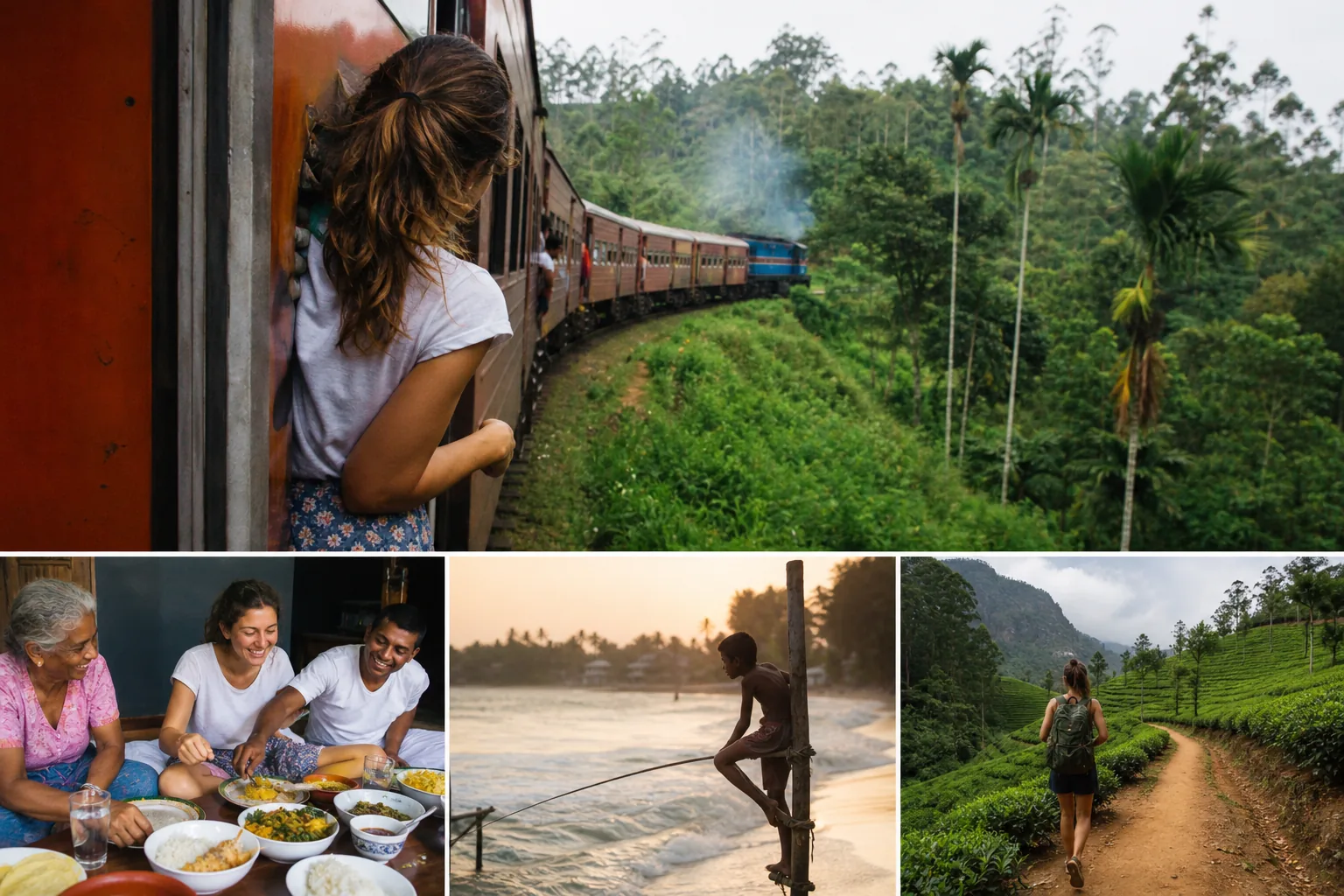
There’s a moment somewhere between the misty hills of Ella and the turquoise coastline of Mirissa when it hits you: Sri Lanka is unlike anywhere else you’ve ever been. It’s small enough to feel manageable, yet layered enough to keep surprising you every single day. Backpacking Sri Lanka means waking up to the smell of cinnamon and incense, squeezing onto a packed local bus with a bag on your lap, and stumbling into conversations with strangers that somehow turn into the highlight of your trip. This guide is for the traveler who wants the real version — not the polished brochure, but the actual experience, route and all.
Why Sri Lanka Deserves a Spot on Your Backpacking List
Sri Lanka packs an extraordinary range of experiences into a country you can cross in a matter of hours. Beaches, mountains, ancient cities, tea plantations, and wildlife-filled national parks — it’s all here, and it’s all accessible without a huge budget or complicated logistics. That diversity is genuinely rare. Most destinations make you choose: sun holiday or culture trip, adventure or relaxation. Sri Lanka refuses to let you pick just one.
There’s also something worth acknowledging honestly. Sri Lanka has faced significant economic hardship in recent years, and that reality shapes the travel experience in ways you’ll feel on the ground. You’ll see it in the cost of fuel, in conversations with guesthouse owners, in the resilience of local communities. Traveling here isn’t just sightseeing — it’s participating in a country that’s rebuilding, and the people you meet will make that feel meaningful rather than heavy.
The 30-day visa available for most nationalities gives you plenty of time to explore properly without rushing. And if you play it right, you can move through this island at a pace that actually lets things sink in.
The Core Backpacking Route: Colombo to Mirissa
The classic route that most backpackers follow — and for good reason — runs through Colombo, Kandy, Ella, and Mirissa. It’s a logical loop that takes you from the urban energy of the capital, up into the cool highlands, across to the hill country’s most iconic views, and finally down to the southern coast. Here’s how it actually plays out.
Colombo: Don’t Just Pass Through
Most travelers treat Colombo as a transit stop. That’s a mistake. Give it at least two days. The city is chaotic, colorful, and genuinely fascinating once you stop trying to find a tidy tourist district and just start walking. Pettah Market is a sensory overload in the best possible way — narrow streets packed with fabric sellers, spice stalls, and street food carts. Grab a kottu roti from a roadside spot and watch the city move around you.
The Fort district has a different energy — colonial architecture, rooftop cafés, and a growing creative scene. Colombo is a city in transition, and that tension between old and new makes it worth exploring rather than skipping.
Kandy: Culture, Temples, and the Start of the Highlands
The journey from Colombo to Kandy already starts to show you what this island is made of. Kandy sits in the central highlands, surrounded by green hills and centered on a lake that catches the light beautifully in the early morning. The Temple of the Tooth (Sri Dalada Maligawa) is one of the most sacred Buddhist sites in the world, and even if you’re not religious, the atmosphere during the evening ceremony is something you’ll remember.
Spend a day or two here. Walk the lake at dawn before the crowds arrive. Visit a spice garden and actually learn what you’re smelling — cardamom, pepper, vanilla, all growing in the same small plot. Kandy is also a good place to start adjusting to the pace of Sri Lanka, which operates on its own schedule and rewards patience.
Ella: The View Everyone Came For (And More)
The train ride from Kandy toward Ella is, without exaggeration, one of the most beautiful rail journeys you can take anywhere in the world. The route winds through tea plantations, past waterfalls, and through tunnels carved into hillsides. Book your ticket in advance — second-class observation carriages sell out fast, and standing in the doorway with the wind in your face is the kind of moment that earns its own photo.
Ella itself is a small hill town that’s become a backpacker hub, and you’ll feel that immediately. There are guesthouses, cafés, and hiking trails in every direction. The walk up to Little Adam’s Peak takes about an hour and rewards you with panoramic views over the valley. Nine Arch Bridge is the iconic shot you’ve seen everywhere — and yes, it’s worth going to see it in person, especially if you time it to catch a train passing overhead.
→ Read also: Backpacking Sri Lanka: The Complete Route, Hidden Stops & What Actually Works
Don’t rush Ella. The cool air and the slower pace are exactly what you need before heading to the coast.
Mirissa: Where the Route Meets the Ocean
Coming down from the highlands to Mirissa feels like arriving somewhere completely different. The temperature rises, the landscape flattens, and suddenly there’s a crescent-shaped beach with fishing boats bobbing in the harbor. Mirissa is a small beach town on the southern coast, and it balances laid-back beach life with enough activity to keep you busy for three or four days.
The beach itself is the obvious draw — swimming, sunsets, fresh seafood at the restaurants that line the shore. But Mirissa is also one of the best spots in the country for whale watching, with blue whales and sperm whales spotted regularly in season. It’s worth getting up early for a morning boat trip, even if early mornings aren’t usually your thing.
Extending the Route: What Else Is Worth Adding
If you have three weeks rather than two, the route opens up significantly. From Mirissa you can head east to Arugam Bay, a surf town on the east coast with a completely different vibe — rawer, quieter, and beloved by surfers and those looking to escape the more tourist-heavy south. The journey is long but worth it.
Yala National Park is one of the best places in Asia to spot leopards in the wild, and a jeep safari here is a different kind of adventure from anything else on the island. Combine it with Arugam Bay for a solid east-coast detour.
For those who want to go deeper into the cultural history of the island, the Cultural Triangle in the north-central region — covering ancient cities like Anuradhapura and Sigiriya — adds a completely different dimension. Sigiriya Rock, a fifth-century fortress rising dramatically from the jungle floor, is one of those places that genuinely earns the word extraordinary.
Getting Around: The Real Story on Transport
Here’s where backpacking Sri Lanka gets real. The transport system is functional, affordable, and occasionally maddening — and that’s part of the experience.
Trains are the most scenic and often the most enjoyable way to travel between major destinations. The hill country routes are genuinely spectacular. But trains run on their own timetable, delays are common, and popular routes sell out. Book ahead where you can, especially for the Kandy–Ella stretch. If you can’t get a reserved seat, standing in the open doorway is an acceptable and memorable alternative.
Local buses are the cheapest option and will take you almost anywhere. They’re crowded, fast, and driven with a confidence that will either thrill or terrify you. Sit back, hold on, and enjoy the ride. Tuk-tuks fill in the gaps for shorter distances — always agree on a price before you get in, or use a metered or app-based option where available.
Renting a scooter is possible in some areas and gives you freedom to explore at your own pace, but road conditions vary and traffic in towns can be intense. Know your limits and wear a helmet.
Budget Reality for Backpackers
Sri Lanka is genuinely accessible on a backpacker budget, though costs have shifted in recent years as the country has navigated economic challenges. The good news is that eating local keeps costs very low. A meal at a rice and curry spot — the everyday staple of Sri Lankan life — costs very little and is often the most delicious thing you’ll eat all day. Fresh fruit, coconut water, and street snacks are everywhere and affordable.
→ Read also: Sri Lanka by Backpack: The Route, Costs, and Unmissable Stops
Accommodation ranges from basic guesthouses to mid-range boutique places, and you’ll find options at every level in the main backpacker hubs. Dorm beds are available in Ella, Mirissa, and Colombo. Staying in family-run guesthouses is often the better experience anyway — cheaper than hotels, more personal, and often with a home-cooked breakfast included.
Transport costs are low if you stick to buses and trains. The main expenses that can push your budget up are national park entrance fees and activities like whale watching or safari tours. Plan for these specifically rather than letting them catch you off guard.
Cultural Etiquette: How to Travel Respectfully
Sri Lanka is predominantly Buddhist, with significant Hindu, Muslim, and Christian communities across the island. Traveling respectfully here isn’t complicated, but it does require a little awareness.
When visiting temples and religious sites, dress modestly — shoulders and knees covered, and shoes removed before entering. This applies to both men and women. Sarongs are often available to borrow at major sites if you arrive underprepared. Behave quietly inside temples and follow the lead of local visitors.
The head is considered sacred in Sri Lankan culture — avoid touching people on the head, including children. The left hand is considered less clean, so use your right hand when giving or receiving things and when eating.
Sri Lankans are genuinely warm and curious. People will ask you questions — where are you from, are you married, what do you do — and it’s meant as friendly conversation, not intrusion. Engage honestly and with good humor. These interactions are often where the real experience of the country lives.
Best Time to Visit and Weather Basics
Sri Lanka’s weather is shaped by two monsoon seasons that affect different parts of the island at different times. This is actually useful for backpackers: when the southwest is wet, the east coast is often dry, and vice versa.
The southwest coast, hill country, and Colombo are generally at their best between December and March, when the weather is drier and more settled. This is also peak tourist season, so expect more crowds and slightly higher prices in popular spots. The east coast and Arugam Bay come into their own between May and September.
The shoulder seasons — April to May and October to November — can be a good time to visit certain areas with fewer crowds, though you’ll need to be more flexible and prepared for occasional rain. The hill country can be misty and cool year-round, which is part of its charm.
Check the specific forecast for the regions you’re visiting rather than relying on a single blanket prediction for the whole island. Sri Lanka’s geography means conditions can vary dramatically within a short distance.
Whatever route you take, whatever season you arrive in, backpacking Sri Lanka has a way of rewarding the traveler who shows up with an open mind and a little patience. The chaos is real — but so is the warmth, the beauty, and the feeling that you’ve discovered something that can’t quite be captured in a photo. You’ll come for the landscapes and stay for the people. And when you finally board the plane home, you’ll already be thinking about what you missed and when you can come back. For more detailed entry and visa information, the official Sri Lanka Tourism website is the best starting point before you plan your trip.
This article was produced with AI assistance and reviewed editorially.


The Solo Traveler’s Guide to Finding Your People in Hostels Across Southeast Asia, Eastern Europe, and Beyond

Arriving in La Paz: How to Handle the Altitude and Actually Enjoy It


