
Asia
Backpacking Sri Lanka: The Complete Route, Hidden Stops & What Actually Works
Plan your Sri Lanka backpacking trip with a practical 3-week itinerary covering cultural sites, coastal towns, and budget accommodation recommendations for independent tr

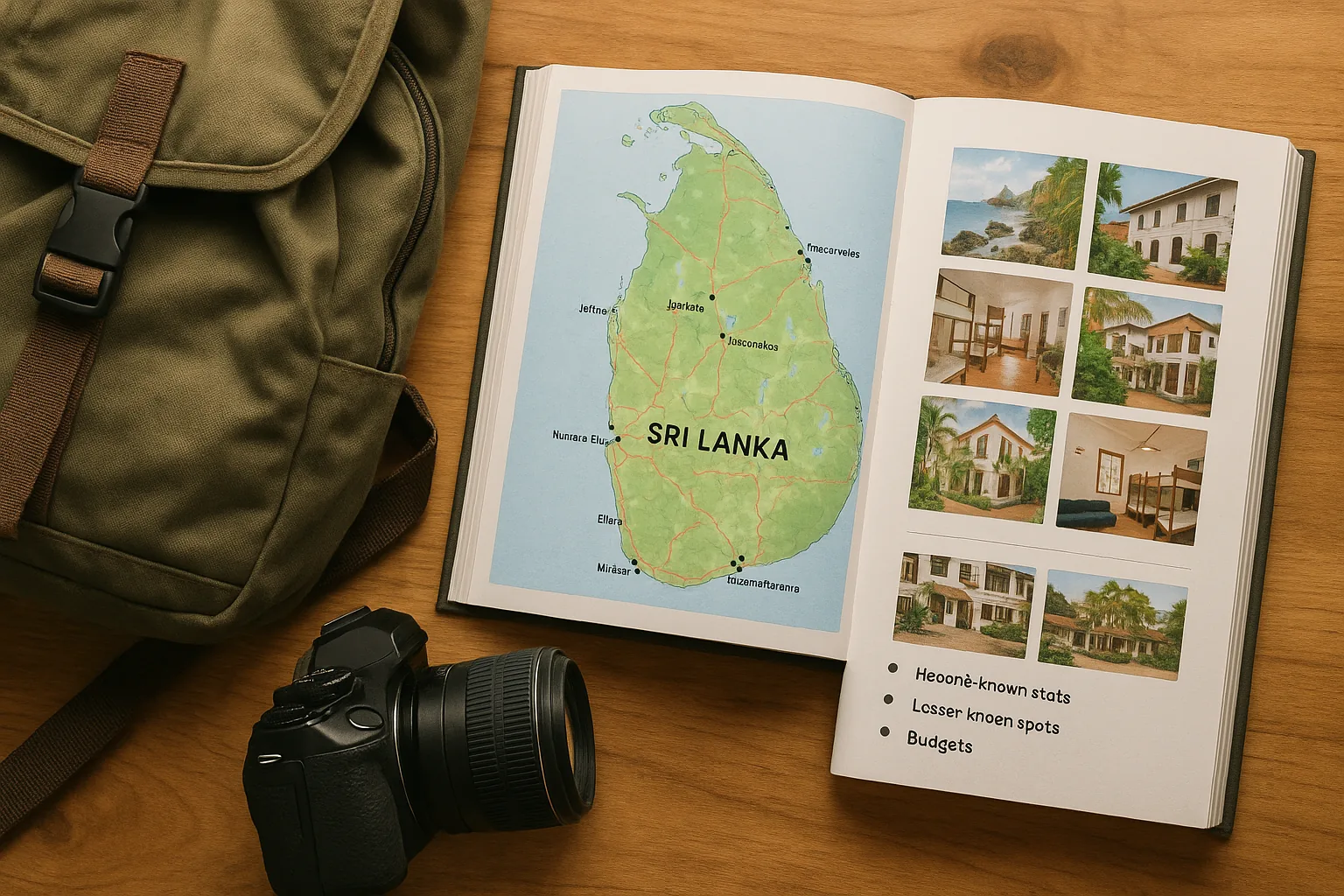
Sri Lanka has a way of getting under your skin. From the moment you land and feel that warm, humid air, something shifts — and if you’re thinking about backpacking Sri Lanka as your next big adventure, you’re already making one of the smartest travel decisions of your life. This island packs ancient ruins, misty highlands, wildlife safaris, surf beaches, and some of the most flavourful food on the planet into a space roughly the size of Ireland. The best part? It’s genuinely designed for independent travel, with a rail network that’s almost poetic, a hostel scene that keeps growing, and locals who will invite you for tea before you’ve even asked for directions.
Why Sri Lanka Works So Well for Independent Backpackers
Not every country rewards the slow, curious traveller the way Sri Lanka does. Here, the infrastructure bends toward exploration rather than fighting against it. Trains connect the cultural heartland to the coast. Tuk-tuks fill the gaps. Guesthouses and hostels cluster around every major stop on the backpacker trail, so you’re rarely scrambling for a bed.
The country is compact enough that you can cover a serious amount of ground in two to three weeks without feeling like you’re sprinting. Itineraries range anywhere from two weeks to a full thirty days, depending on how deeply you want to dig into each region. A fortnight is enough to hit the highlights. A month gives you room to breathe, wander off-route, and actually sit still for a few days — which, honestly, is when Sri Lanka really starts to reveal itself.
There’s also the matter of cost. Sri Lanka remains one of Southeast Asia’s more affordable destinations for backpackers, though prices have shifted in recent years. Budget accommodation, local food from roadside kottu stalls, and third-class train tickets mean you can travel meaningfully without burning through your savings. More on that shortly.
The Classic Backpacking Sri Lanka Route (3 Weeks)
The most widely travelled route through Sri Lanka follows a rough loop that balances cultural landmarks with coastal downtime. It’s a framework, not a rigid plan — and the beauty of backpacking is that you can stretch or compress it based on what you love.
Starting Point: Negombo or Colombo
Most international flights land near Colombo, and many travellers begin in neighbouring Negombo — a laid-back beach town close to the airport that’s perfect for shaking off jet lag. Negombo has a fishing harbour worth exploring at dawn, a handful of good hostels, and a gentle pace that eases you into Sri Lankan life.
Colombo itself is worth at least a day or two. The capital is chaotic, colourful, and genuinely fascinating — especially the Pettah market district, the waterfront promenade at Galle Face Green, and the neighbourhood of Colombo 7, where colonial architecture meets buzzing café culture. Don’t skip it just because it’s a city.
The Cultural Triangle: Sigiriya, Dambulla, Polonnaruwa, Anuradhapura
Head north into the Cultural Triangle and you’ll feel the weight of history immediately. Sigiriya — a fifth-century rock fortress rising dramatically from the jungle — is one of those places that stops you mid-step. Climb it at sunrise if you can. The views from the top are the kind you’ll describe to people for years.
Nearby Dambulla offers a cave temple complex that dates back over two thousand years, with golden Buddhas and murals covering every surface. From here, you can push further to Polonnaruwa or Anuradhapura — both ancient capitals with sprawling ruins, sacred trees, and the particular atmosphere of places that have been holy for millennia. Renting a bicycle to explore these sites is the move. Everyone does it for a reason.
👉 Read also: Sri Lanka's Best Backpacking Routes: Where to Go & What to Skip in 2026
Kandy: Where the Hills Begin
Kandy sits at the edge of Sri Lanka’s hill country and marks the tonal shift of any good backpacking route. The city surrounds a lake, centres on the Temple of the Tooth Relic, and pulses with a cultural energy that feels distinct from the coast. Watch a Kandyan dance performance in the evening — it’s theatrical, rhythmic, and completely unlike anything you’ll see elsewhere.
The train from Kandy toward Ella is, without exaggeration, one of the most scenic rail journeys in the world. Train travel is especially recommended for longer distances, and the Kandy–Ella route is the crown jewel of Sri Lanka’s railway network. Sit by an open door if you can, watch the tea plantations roll past, and let the journey be the destination for a few hours.
Ella: The Backpacker Favourite That Earns Its Reputation
Ella is the kind of town that swallows your schedule whole. What you plan as a two-night stop becomes four nights before you know it. The main street is lined with cafés, the surrounding hills beg to be hiked, and the famous Nine Arch Bridge — a colonial-era viaduct surrounded by tea fields — is worth every photo you’ll take of it.
Hike Little Adam’s Peak in the morning for panoramic views without the crowds. Take the trail to Ella Rock if you want something more challenging. And eat as much dhal curry as your body will allow — the guesthouses here serve it for breakfast, and it’s perfect every single time.
Wildlife and the South Coast
From Ella, most routes swing south toward wildlife country. Udawalawe National Park is the more accessible option for spotting elephants in their natural habitat — herds move through the park in the early morning and late afternoon, and a jeep safari here is a genuinely moving experience. Yala National Park is wilder and more famous for leopard sightings, though it draws larger crowds.
After the safari, the south coast opens up. Weligama is Sri Lanka’s surf school capital — perfect if you’ve never stood on a board and want to try. Mirissa offers whale watching between roughly November and April, along with a beautiful crescent bay that’s ideal for doing absolutely nothing. Ahangama sits between the two and has a quieter, more local feel that rewards travellers who slow down.
Galle and Unawatuna: The Southern Highlight
Galle is the kind of place that makes you rethink your whole route. The old Dutch fort — a UNESCO World Heritage Site — wraps around a headland and contains a living neighbourhood of boutique cafés, independent bookshops, colourful houses, and rampart walks with ocean views on both sides. It’s atmospheric in a way that feels earned rather than manufactured.
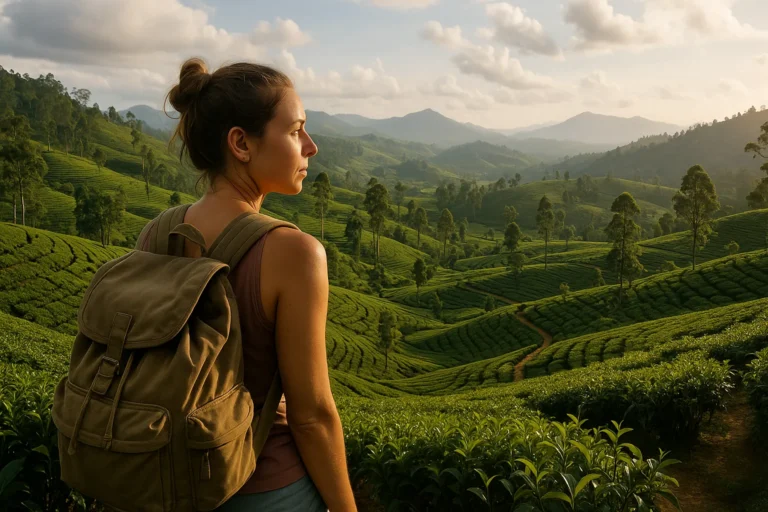
For backpackers, Galle has developed a solid hostel scene in recent years. The area around the fort and the streets leading toward the beach host a range of budget-friendly accommodation options — from social dorm hostels with rooftop terraces to small guesthouses run by local families. When choosing where to stay, look for places with strong reviews around location (being walkable to the fort matters), social atmosphere if you’re travelling solo, and honest pricing. Many of the best spots book up quickly between December and March, so reserving a few days ahead is worth it.
Just a short tuk-tuk ride from Galle, Unawatuna offers a sheltered bay with calm water — great for swimming — and a strip of beach bars and restaurants that come alive in the evenings. It’s more relaxed than Mirissa and has a slightly more local feel. Many backpackers split their time between the two, using Galle as a base.
👉 Read also: Sri Lanka Backpacking Guide: Routes, Hostels & Local Experiences
Hidden Stops Worth Adding to Your Route
The classic route is classic for a reason, but some of the most memorable moments on any Sri Lanka trip happen off the main trail.
- Kitulgala — a small town in the rainforest best known for white-water rafting on the Kelani River. It’s a natural detour between Colombo and Ella, and the rafting is genuinely thrilling without being reckless.
- Tangalle — a quieter alternative to Mirissa on the south coast, with long stretches of beach, fewer crowds, and a slower pace. Sea turtle nesting happens nearby, and witnessing it is one of those experiences that stays with you.
- Arugam Bay — on the east coast, this surf town has a completely different energy from the south. It’s more remote, more local, and has a loyal community of long-term travellers who return every season. Best visited between May and October when the east coast is dry.
- Hikkaduwa — a beach town north of Galle with good snorkelling, a relaxed vibe, and a coral sanctuary worth exploring. It’s a solid final stop before heading back to Colombo or Negombo for your flight home.
Practical Things That Actually Make a Difference
When to Go
Timing matters in Sri Lanka because the island has two distinct monsoon seasons affecting different coasts. The best time to visit is generally between October and mid-April, when the south and west coasts enjoy dry, sunny weather. The east coast — including Arugam Bay — peaks between May and October. If you’re planning a full loop, this means your timing will always be a compromise, and that’s fine. Most backpackers accept a few rainy days in exchange for seeing the whole island.
Getting Around
Sri Lanka’s train network is the backbone of any good backpacking route. Trains are recommended for longer distances, especially between Kandy, Colombo, and Matara (the coastal terminus). Book second-class reserved seats in advance for popular routes — the Kandy to Ella train in particular sells out days ahead during peak season. For shorter distances, tuk-tuks are the default and negotiating a fair price is part of the experience. Buses are cheap and frequent but can be crowded and slow on mountain roads.
Budget Realities
Sri Lanka is affordable, but costs vary significantly depending on how you travel. Staying in dorm beds, eating at local restaurants and street stalls, and using public transport keeps your daily spend low. Splurging on safari jeeps, whale-watching boats, or private rooms will push it higher. The key is knowing which experiences are worth the extra spend — a Yala safari or a whale-watching trip in Mirissa genuinely delivers — and where you can comfortably go local. Cooking your own food is rarely necessary; Sri Lankan street food is so good and so inexpensive that eating out every meal is part of the joy.
Visas and Entry
Most nationalities need an Electronic Travel Authorisation (ETA) to enter Sri Lanka, which you apply for online before travelling. The process is straightforward and takes a day or two. Always apply through the official Sri Lanka ETA government portal rather than third-party sites that charge extra fees for the same service.
Staying Safe and Respectful
Sri Lanka is a genuinely welcoming country, and most backpackers travel here without serious issues. That said, a few things are worth knowing. Dress modestly when visiting temples — cover your shoulders and knees, and remove shoes before entering sacred spaces. Respect local customs around photography, especially at religious sites. On the beach, be aware of strong currents at some spots along the south coast, and always swim where locals swim. Travel insurance that covers adventure activities is worth every penny if you’re planning to surf, raft, or hike.
Solo Travel in Sri Lanka
If you’re heading to Sri Lanka alone, you’re in good company. The backpacker trail here has a natural social rhythm — the same route, the same hostels, the same train carriages — that means you’ll meet fellow travellers almost immediately. Ella and Galle in particular have strong solo traveller communities, with hostel common rooms and rooftop bars that function as informal meeting points every evening.
Solo female travellers generally find Sri Lanka manageable, though it’s worth being aware that attention from local men can occasionally be persistent, especially in more touristy areas. Staying in well-reviewed hostels, connecting with other travellers, and trusting your instincts goes a long way. Many women travel Sri Lanka solo and describe it as one of their most rewarding experiences.
For solo travellers of any background, the country’s guesthouse culture is a genuine highlight. Staying with local families — which is common outside the main cities — often means home-cooked meals, honest advice about where to go, and conversations that reveal far more about Sri Lankan life than any guidebook can.
Sri Lanka doesn’t ask you to rush. It rewards the traveller who lingers over a cup of Ceylon tea at a hillside plantation, who misses a bus and discovers a roadside market instead, who accepts a stranger’s invitation to watch the sunset from their roof. Plan your route, book your trains, find a good hostel in Galle — but leave space for the unexpected. That’s where the real stories live, and it’s why so many people who come here once start planning their return before they’ve even landed home.
This article was produced with AI assistance and reviewed editorially.


Almaty & Tashkent: Central Asia’s Modern Cities Beyond the Silk Road Clichés

Stay Smart in Asia: Budget Accommodation in Osaka, Kyoto & Kuala Lumpur 2026


