
Asia
Sri Lanka’s Best Backpacking Routes: Where to Go & What to Skip in 2026
Plan your backpacking Sri Lanka itinerary with this practical guide covering Galle hostels, budget accommodation costs, and honest advice on where to go.

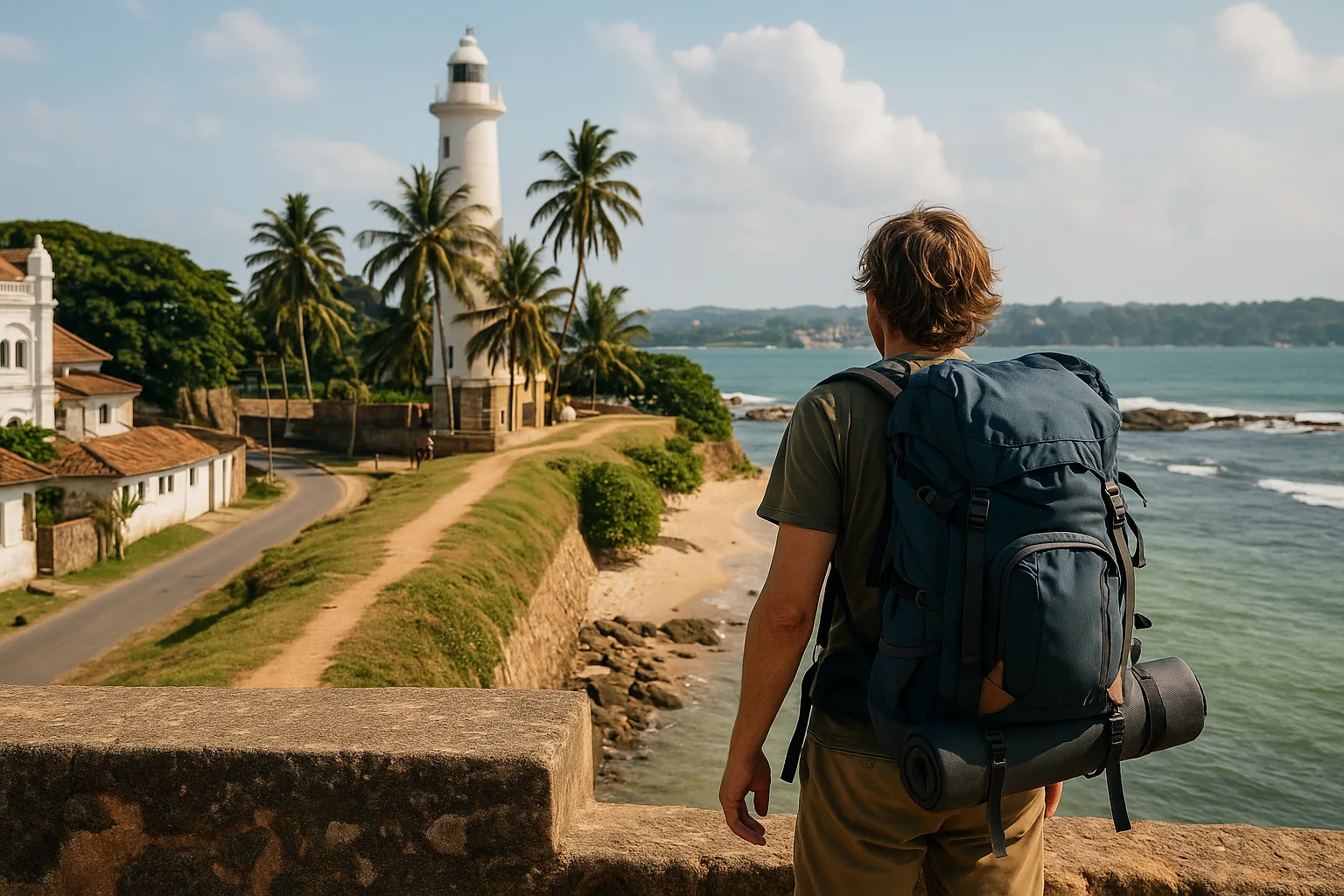
Sri Lanka has been quietly stealing hearts for years, and in 2026 it’s officially impossible to ignore — the island formerly known as Ceylon just landed a spot on Travel + Leisure‘s prestigious list of the 50 best places to travel in the world, and honestly, anyone who’s been there already knew it deserved the recognition. If you’re putting together a backpacking Sri Lanka itinerary, you’re about to discover one of the most diverse, rewarding, and genuinely affordable destinations in all of Asia: ancient rock fortresses, misty tea highlands, colonial harbour towns, surf breaks, wildlife safaris, and some of the warmest hospitality you’ll encounter anywhere on the planet — all packed into an island you can cross in a few hours.
Why Sri Lanka Belongs on Your Radar Right Now
There’s a version of Sri Lanka that exists in travel brochures — pristine beaches, elephants, spice gardens — and then there’s the version you actually experience when you show up with a backpack and an open schedule. The two aren’t that different, which is rare. Sri Lanka genuinely delivers on its promise.
What makes it special for younger, budget-conscious travelers is the sheer variety packed into a compact geography. You can wake up in a colonial fort town, take a scenic train through cloud-draped tea estates, spot leopards in a national park, and end the week surfing a beach break — all without covering enormous distances or blowing your budget. The infrastructure for backpackers has improved significantly, with hostels, guesthouses, and tuk-tuk culture making independent travel not just possible but genuinely fun.
The local food scene is another reason to go. Rice and curry, kottu roti, hoppers, string hoppers — Sri Lankan cuisine is deeply satisfying, endlessly varied, and remarkably cheap when you eat where locals eat. Street stalls and small family-run restaurants are your best friends here.
Building Your Backpacking Sri Lanka Itinerary: The Classic Route
Most backpackers enter through Colombo, the capital, and then loop around the island in either a clockwise or counter-clockwise direction. Two weeks is a solid minimum; three weeks lets you breathe. Here’s a route that balances the highlights without turning your trip into a checklist sprint.
Colombo: Pass Through or Stay?
Colombo divides opinion. It’s chaotic, loud, and sprawling — but it’s also genuinely interesting if you give it a day or two. The Pettah market district is a sensory overload in the best way, and the waterfront area around Galle Face Green is a great place to watch the city exhale at sunset. Most backpackers spend one night here before heading south or inland. That’s a perfectly reasonable choice.
Galle: The Colonial Gem of the South Coast
About two hours south of Colombo by bus or train, Galle is one of those places that earns every word written about it. The old Dutch fort — a UNESCO World Heritage Site — is remarkably well-preserved, and wandering its ramparts at golden hour, watching the Indian Ocean stretch out beneath you, is one of those travel moments that stays with you.
Inside the fort walls, you’ll find a mix of boutique cafés, independent bookshops, art galleries, and guesthouses tucked into colonial-era buildings. It’s atmospheric without being a theme park. The streets are narrow, the architecture is genuinely historic, and the pace is slow enough that you actually absorb it rather than rushing through.
For accommodation, Galle has a growing number of hostels and budget guesthouses both inside and just outside the fort walls. Dorm beds in well-regarded hostels typically run cheaper than equivalent options in Southeast Asian tourist hubs, and many places include a simple breakfast. When choosing where to stay, look for spots with rooftop common areas — they’re great for meeting other travelers and catching the breeze in the evening heat. Reading recent reviews on booking platforms is your best tool for finding the current top picks, since the hostel scene evolves quickly.
Mirissa and Weligama: Where the Surf Crowd Gathers
Continue east along the south coast and you’ll hit Mirissa and Weligama, two neighboring towns that have become a genuine hub for younger travelers. Weligama is the better surf spot for beginners — the bay is wide, the waves are consistent, and surf schools line the beach offering lessons at reasonable prices. Mirissa is slightly more polished, with beach bars, whale-watching boats departing in the early morning, and a social scene that picks up after dark.
👉 Read also: Sri Lanka Solo: Backpacking Routes, Hostels & Local Spots Worth Your Time
Between November and April, blue whale sightings off Mirissa are genuinely possible — these are among the largest animals on Earth, and seeing one breach in open water is the kind of experience that reframes your sense of scale. Go with a reputable operator who follows responsible wildlife guidelines; the difference in experience between a crowded, careless boat and a smaller, ethical one is significant.
Budget accommodation in this stretch of coast is plentiful. Guesthouses run by local families often offer better value and more authentic interaction than larger tourist-facing operations. Spend two to three nights here, eat fresh seafood, rent a scooter to explore quieter coves, and resist the urge to rush.
Hikkaduwa: Snorkeling and a Different Kind of Beach Energy
If you’re heading back up the west coast or want to break the journey between Galle and Colombo, Hikkaduwa is worth a stop. It’s known for snorkeling — the coral reef just offshore is accessible directly from the beach, and the marine life is genuinely impressive. The town itself has a slightly older backpacker vibe, more laid-back than Mirissa, with a long strip of guesthouses and restaurants facing the ocean.
The Cultural Triangle: Ancient Cities and Sacred Sites
The center and north of Sri Lanka hold some of the island’s most historically significant sites, collectively known as the Cultural Triangle. This is where your itinerary shifts from beach mode to something deeper and more contemplative.
Sigiriya and Pidurangala Rock
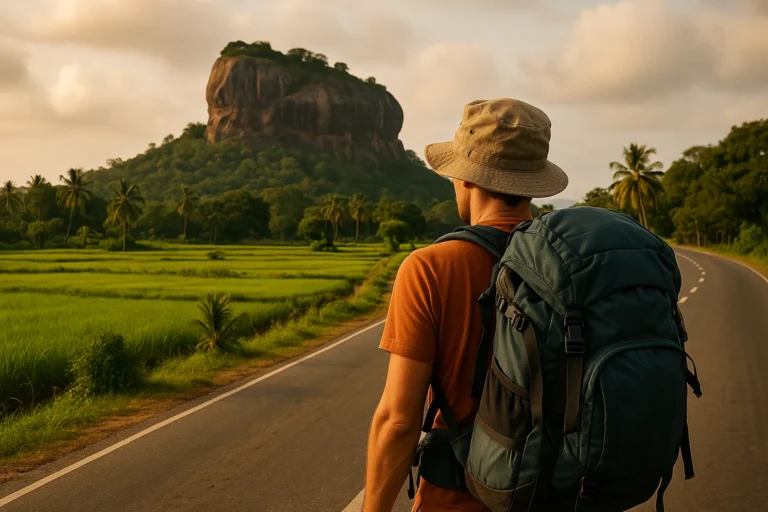
Sigiriya is a fifth-century rock fortress that rises dramatically from the surrounding jungle — a sheer column of stone topped with the ruins of a royal palace. Climbing it is genuinely challenging, but the views from the summit are extraordinary. It’s one of Sri Lanka’s most visited sites, and for good reason.
Here’s the insider move: the day before or after Sigiriya, climb Pidurangala Rock instead of, or in addition to, the famous fortress. It’s nearby, far less crowded, costs a fraction of the entrance fee, and from the summit you get an unobstructed view of Sigiriya itself rising from the trees — arguably the better photograph. Early morning is the time to go, before the heat and the tour groups arrive.
Dambulla, Kandy, and the Sacred Cities
The Dambulla Cave Temple is a short hop from Sigiriya and shouldn’t be skipped. Five cave temples carved into a granite outcrop contain hundreds of Buddha statues and centuries of wall paintings — it’s one of the best-preserved cave temple complexes in Asia. Remove your shoes, move slowly, and let the scale of it sink in.
Kandy, Sri Lanka’s second city, sits in the central highlands and serves as the cultural heart of the island. The Temple of the Tooth — said to house a relic of the Buddha — is the most sacred site in Sri Lankan Buddhism, and the nightly puja ceremony draws both pilgrims and curious visitors. The city itself is pleasant to explore on foot, with a lake at its center and a hill-station atmosphere that feels distinct from the coastal towns.
Further north, the ancient cities of Polonnaruwa and Anuradhapura reward travelers who make the effort. These are sprawling archaeological sites — ruined palaces, enormous dagobas, carved stone pools — that give you a tangible sense of the civilizations that flourished here over two millennia. Rent a bicycle at either site; they’re too large to walk comfortably.
Tea Country and the Train Journey Everyone Talks About
The train from Kandy to Ella via Nuwara Eliya is consistently described as one of the most scenic rail journeys in the world, and it earns the reputation. The route climbs through misty highlands, past waterfalls, tea estates, and small stations where vendors pass snacks through the windows. Sit in an open doorway if you can — it’s breezy, slightly vertiginous, and produces the kind of photographs that make people ask where on earth you were.
Book your ticket in advance, particularly for the observation car. The journey takes several hours depending on your starting and ending points, and the scenery changes constantly. This is not a section of your backpacking Sri Lanka itinerary to rush through on a night bus.
👉 Read also: Sri Lanka by Backpack: The Route, Costs, and Unmissable Stops
Ella itself is a small hill town that has become extremely popular with backpackers — perhaps too popular in peak season, when the main street can feel congested. But the surrounding landscape is genuinely beautiful: walk to Little Adam’s Peak early in the morning for views over the valley, visit the Nine Arch Bridge (best seen from the hillside when a train passes through), and explore the tea estates on foot. A couple of nights here is ideal; much longer and the limited-town feeling starts to set in.
Wildlife and National Parks: Where to Go
Sri Lanka punches well above its weight for wildlife. The island is home to leopards, elephants, sloth bears, crocodiles, and an extraordinary variety of bird species. The key is choosing your park wisely and going with responsible operators.
Udawalawe National Park is the most reliable destination for elephant sightings — large herds roam the open grasslands, and sightings are almost guaranteed. It’s more accessible than some of the other parks and a good choice if you’re short on time.
Wilpattu National Park in the northwest is less visited and more atmospheric — dense jungle, natural lakes called villus, and the chance of leopard sightings in a genuinely wild setting. It requires more planning to reach but rewards the effort with a less crowded experience.
Bundala National Park near the south coast is a wetland reserve and a paradise for birdwatchers, particularly during the northern winter when migratory species arrive. If you’re passing through the south, it’s an easy half-day addition.
For a different kind of wildlife experience, Pinnawala Elephant Orphanage is well-known and easy to visit from Kandy. It’s a genuine elephant conservation facility, and watching the herd bathe in the river is memorable — just be aware that it’s a popular tourist stop, so expect company.
Practical Advice for Traveling Smart
A few things that make a real difference on the ground in Sri Lanka:
- Transport: Trains are the most atmospheric way to travel between major stops, but buses are faster and cover more routes. Tuk-tuks handle local movement efficiently — always agree on a price before you get in, or use a metered app where available.
- Timing: Sri Lanka has two monsoon seasons affecting different coasts at different times of year. The southwest coast (Galle, Mirissa, Hikkaduwa) is best from November to April. The east coast (Trincomalee, Arugam Bay) flips to roughly May through September. The Cultural Triangle and hill country are generally accessible year-round, though the highlands can be cool and rainy.
- Accommodation: Book ahead for the most popular spots (Ella especially) during peak season. Elsewhere, showing up and walking around to compare guesthouses often yields better deals and more authentic stays than booking online in advance.
- Respect: Cover your shoulders and knees when visiting temples and religious sites — this applies to everyone regardless of gender. Remove shoes when asked. Photography inside sacred spaces is sometimes restricted; look for signs and follow local guidance.
- Connectivity: SIM cards are cheap and easy to buy at the airport on arrival. Mobile data coverage is good across most of the island, including in the hill country.
- Food safety: Street food is generally fine and often excellent. Use your judgment — busy stalls with high turnover are almost always safer than quiet ones. Stick to bottled or filtered water.
The Sri Lanka Tourism Development Authority maintains updated official travel information, including entry requirements and regional advisories, which is worth checking before you finalize your plans.
What to Skip (and What’s Worth the Hype)
Not every stop on the standard tourist trail deserves equal time. Colombo is worth a day but rarely more unless you have a specific reason to linger. Some of the more commercial whale-watching operators in Mirissa prioritize volume over experience — research before you book. Ella’s main street has become noticeably commercialized; stay for the landscape, not the café scene.
On the other hand, Horton Plains National Park and its dramatic cliff edge known as World’s End is one of those places that genuinely rewards the early start required to see it before clouds roll in. The plateau landscape is unlike anywhere else on the island — cool, misty, and surprisingly remote-feeling. Arugam Bay on the east coast, if your timing aligns with the dry season, is one of the best surf towns in Asia and far less crowded than the south coast equivalents.
The honest truth about a backpacking Sri Lanka itinerary is that the island is forgiving of imperfect planning. Buses run frequently, locals are helpful, distances are manageable, and unexpected detours — a festival you stumble into, a guesthouse owner who invites you for dinner, a sunrise hike that wasn’t in any guide — often become the memories you carry home. Plan enough to feel oriented, then leave room for the island to surprise you. It will.
This article was produced with AI assistance and reviewed editorially.


Ecuador’s Mountain Capital: Quito as a Base for Jungle, Amazon & Galápagos Adventures

Budget Stays in Japan: Capsule Hotels, Airbnbs & Guesthouses Across Tokyo, Kyoto & Mt. Fuji


