
Asia
Sri Lanka & Lombok: Budget Backpacking Showdown for First-Time Southeast Asia Travelers
Compare Sri Lanka and Lombok for budget backpacking in Southeast Asia. Explore costs, accommodation, and which destination suits your travel style.

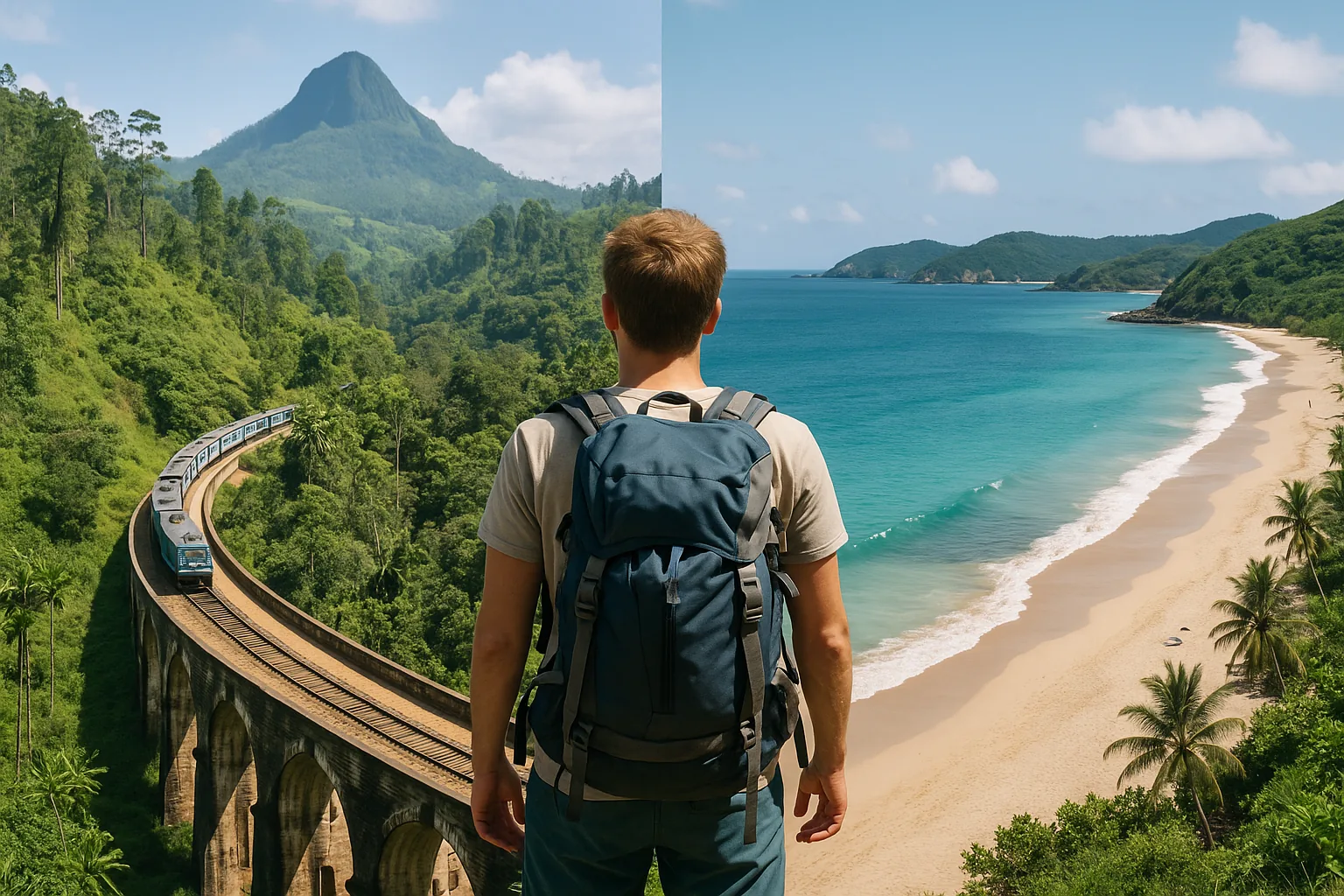
Choosing where to kick off your first big adventure in Asia is one of those decisions that can feel genuinely overwhelming — and also genuinely exciting. Two destinations keep coming up in backpacker conversations right now: Sri Lanka and Lombok. Both offer stunning landscapes, welcoming locals, and the kind of slow-travel energy that makes you want to extend your trip by another two weeks. But they’re also very different places with different vibes, different costs, and different rewards. If you’re weighing up your options for budget backpacking in Southeast Asia — or the wider South Asian region — this guide breaks down what each destination actually delivers, so you can choose the one that fits your travel style.
Why These Two Destinations Keep Coming Up for First-Timers
There’s a reason Sri Lanka and Lombok are both circulating in the same conversations. They’re not the obvious “starter pack” destinations — that title usually goes to Thailand or Bali. But that’s exactly what makes them interesting. Both offer a chance to experience something genuinely different without throwing yourself into the deep end of a chaotic megacity on day one.
Sri Lanka has been on a serious upswing. Tourism is rebounding strongly after some difficult years, and the country is now warmly welcoming visitors with open arms. The infrastructure for backpackers has improved dramatically, making it one of the more accessible first-time destinations in the region. You’ll find easy transport links between major spots, English widely spoken, and a local hospitality culture that makes navigating a new country feel a lot less daunting.
Lombok, meanwhile, has long lived in Bali’s shadow — and that’s honestly its biggest selling point. It’s quieter, less commercialized, and still holds onto an authenticity that parts of Bali have gradually traded away for tourist infrastructure. If someone tells you they loved Bali ten years ago but finds it too crowded now, Lombok is often what they’re looking for. For first-time travelers who want the Indonesian island experience without the overwhelming crowds, it’s a genuinely compelling alternative.
What Budget Backpacking in Southeast Asia Actually Costs
Let’s talk money — because that’s usually the first question. The good news is that both Sri Lanka and Lombok are kind to travelers who are watching their spending. Across the broader region, a realistic daily budget for budget backpacking in Southeast Asia typically falls somewhere between $20 and $35 per day in the more affordable countries, covering accommodation, food, local transport, and a few activities. Sri Lanka and Lombok both sit comfortably within that range if you’re making smart choices.
Sri Lanka, in particular, stands out as one of the most affordable countries you can visit anywhere in the world right now. Travelers who plan carefully can realistically spend a full month in Sri Lanka for under $500 — which is a remarkable figure when you consider how much the country offers. That works out to roughly $16 or $17 a day, which covers a basic guesthouse, local meals, and plenty of tuk-tuk rides between spots. Even if you push your budget a little higher to treat yourself to the occasional nicer meal or a guided snorkeling trip, you’re still looking at exceptional value.
Lombok sits in a similar ballpark, though costs can creep up slightly depending on where you stay and how you get around. The island has fewer budget options in some areas than Sri Lanka, and transport between locations can add up if you’re not strategic about it. That said, if you’re willing to eat where locals eat and stay in guesthouses rather than resort-style hotels, you can absolutely travel Lombok on a shoestring.
Sri Lanka: The Backpacker’s Route Worth Knowing
One of Sri Lanka’s greatest strengths for first-time backpackers is that it lends itself naturally to a circuit. The country is compact enough to cover a lot of ground in two to three weeks without feeling rushed, and the transport links — trains, buses, and tuk-tuks — are both affordable and surprisingly reliable.
👉 Read also: Southeast Asia on a Shoestring: Rookie Mistakes, Budget Hacks, and Real Costs
A typical journey through Sri Lanka might take you from the cultural heartland in the center of the island, through ancient cities and misty tea country, down to the coast for beaches and seafood. Galle, the atmospheric colonial fort town on the southwestern coast, tends to be a highlight for many travelers. Its UNESCO-listed fort walls, vibrant café scene, and proximity to some excellent surf and snorkeling spots make it a natural base for a few days. The town has developed a solid hostel scene in recent years, and staying within or near the fort gives you an experience that feels genuinely special — wandering those old Dutch ramparts at sunset is the kind of moment you’ll be talking about for years.
From Galle, many backpackers head further east along the southern coast to quieter beach towns, then loop back north through the Hill Country. The famous train journey through the tea plantations — winding through misty green hills — is one of those travel experiences that earns its reputation. Book a seat in a regular carriage rather than the observation car and you’ll save money while getting a more local experience.
Sri Lanka is also genuinely excellent for beaches, snorkeling, diving, and seafood. The east coast, in particular, offers some stunning stretches of sand that feel almost undiscovered compared to the more developed south. Timing matters here — the monsoon seasons affect different coasts differently, so it’s worth checking which side of the island is best during your travel window before you book.
Lombok: The Indonesian Island That Rewards the Curious
Lombok sits just east of Bali — a short boat ride or quick flight away — but it feels like a different world. Where Bali can sometimes feel like a curated experience designed for Instagram, Lombok still has rough edges in the best possible sense. The landscapes are dramatic: Mount Rinjani, one of Indonesia’s highest volcanoes, dominates the north of the island and draws trekkers from all over the world. The southern coastline has some of the most striking beaches in the entire region, with turquoise water and white sand that genuinely earns its reputation.
The Gili Islands, just off Lombok’s northwest coast, are a major draw. Gili Trawangan, Gili Air, and Gili Meno each have their own distinct personality — from the lively social scene on Trawangan to the peaceful, almost meditative atmosphere on Meno. There are no motorized vehicles on any of the Gilis, which gives them a rare, unhurried quality. You arrive, you slow down, and you stay longer than you planned. It happens to almost everyone.
For budget travelers, the Gilis offer a range of accommodation from basic bungalows to mid-range guesthouses. Eating at the local warungs — small family-run food stalls — keeps costs low and puts you in contact with the kind of authentic food that no resort restaurant can replicate. Fresh grilled fish, nasi goreng, and cold coconut water on the beach: it’s a simple formula that works every time.
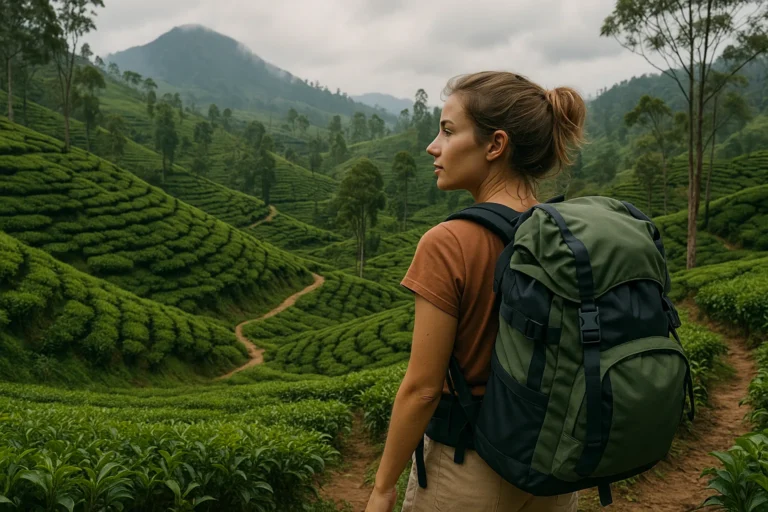
The main island of Lombok itself is often underexplored by travelers who rush straight to the Gilis or use it purely as a jumping-off point for Rinjani. That’s a shame. The traditional Sasak villages in the interior offer a window into a culture that’s distinct from Bali’s Hindu traditions — Lombok is predominantly Muslim, and that shapes everything from the sounds of the morning to the food on the table. Wandering through a local market or watching a traditional weaving demonstration connects you to something real and unhurried.
Accommodation: What to Expect on a Tight Budget
Both destinations have solid options for travelers who want to keep accommodation costs low without sacrificing comfort entirely.
👉 Read also: Bali vs Lombok: Which Indonesian Island Matches Your Travel Style
In Sri Lanka, the guesthouse culture is deeply embedded. Family-run guesthouses are everywhere, and they often include breakfast in the room rate — a genuine bonus when you’re budgeting carefully. The hosts tend to be incredibly helpful, offering transport advice, local restaurant recommendations, and sometimes even cooking you a home-style Sri Lankan meal if you ask nicely. Hostel culture has also grown significantly in recent years, particularly in Galle, Colombo, and the Hill Country towns. You’ll find dormitory beds at prices that make your daily budget stretch comfortably.
In Lombok, accommodation options vary more by location. On the Gili Islands, even budget bungalows can feel charming — think bamboo structures, outdoor showers, and the sound of the ocean a few steps away. On the main island, local guesthouses in towns like Senggigi or Kuta Lombok offer affordable rooms with a more local feel than the resort strips. If you’re planning to trek Rinjani, there are simple lodges and homestays near the trailhead that cater specifically to backpackers.
One practical tip for both destinations: always ask if there’s a cheaper room available. In many guesthouses across Asia, the price on the booking app isn’t always the lowest available. Walking in and asking in person — especially outside peak season — can get you a better deal and a more genuine interaction with your hosts.
Which Destination Suits Your Travel Style?
This is really the heart of the comparison. Both Sri Lanka and Lombok are excellent for budget backpacking in Southeast Asia and the surrounding region, but they reward different kinds of travelers.
- Choose Sri Lanka if you want a diverse, compact country that packs beaches, mountains, ancient history, wildlife, and incredible food into a single trip. It’s ideal for first-timers who want structure without rigidity — a clear circuit to follow, affordable transport, and a culture that’s warm and accessible from day one.
- Choose Lombok if you’re drawn to island life, want to combine beach relaxation with serious trekking, and prefer a destination that feels less tourist-saturated than its famous neighbor. It’s also a natural fit if you’re already planning to spend time in Bali and want to add a quieter, more adventurous chapter to your Indonesian journey.
- Consider doing both if you have three weeks or more. Sri Lanka works well as a standalone trip, while Lombok pairs naturally with Bali as part of a longer Indonesian adventure. The two regions complement each other without overlapping.
There’s also the question of what kind of traveler you are right now. If this is your very first time in Asia and you want somewhere that feels genuinely easy to navigate — where English is widely spoken, the transport is reliable, and the backpacker infrastructure is well-established — Sri Lanka has a slight edge. Travel there is relatively straightforward even for complete first-timers, and the country’s compact size means you won’t spend half your trip on long, exhausting journeys between destinations.
Lombok rewards travelers who are comfortable with a little more spontaneity. Getting between the main island and the Gilis requires boat transfers, trekking logistics need some planning, and the transport network on the main island can be less predictable. None of that is a problem — it’s actually part of the adventure — but it’s worth knowing before you go.
Practical Tips Before You Book
Wherever you decide to go, a few universal principles apply to making the most of your budget and your experience.
- Travel slow. The travelers who get the most out of budget destinations are the ones who resist the urge to tick off every sight. Spending three nights somewhere instead of one means you find the hidden café, the local beach, the evening market that doesn’t appear on any map.
- Eat local. In both Sri Lanka and Lombok, the best food is also the cheapest food. Street food, local warungs, family guesthouses — these are where the flavors are. A bowl of Sri Lankan dhal and rice or a plate of Indonesian mie goreng will cost you next to nothing and taste better than anything on a tourist menu.
- Learn a few words. Even basic phrases in Sinhala, Tamil, or Bahasa Indonesia go a long way. Locals notice and appreciate the effort, and it opens doors that stay closed for travelers who never look up from their phones.
- Check visa requirements early. Both destinations have straightforward visa processes for most nationalities, but requirements can change. Always verify through official government or embassy sources before you travel.
- Be flexible with timing. Monsoon seasons affect both destinations, and traveling in shoulder season often means fewer crowds, lower prices, and a more authentic experience — even if the weather isn’t always picture-perfect.
For a solid overview of what budget backpacking in Southeast Asia looks like across the wider region — including practical daily budget breakdowns — Wanderlust’s first-timer guide to Southeast Asia is a useful starting point before you dive into destination-specific planning.
Whether you end up watching the sun set over Galle Fort, trekking through the clouds on Rinjani, or somehow managing to do both on the same trip, the most important thing is that you go. Both Sri Lanka and Lombok are the kind of places that get under your skin quietly — not with a dramatic first impression, but with the slow accumulation of small, genuine moments that you’ll find yourself replaying long after you’ve landed back home.
This article was produced with AI assistance and reviewed editorially.


Ecuador’s Mountain Capital: Quito as a Base for Jungle, Amazon & Galápagos Adventures

Budget Stays in Japan: Capsule Hotels, Airbnbs & Guesthouses Across Tokyo, Kyoto & Mt. Fuji


