
Asia
Central Asia’s Silk Road Cities: Samarkand, Bukhara & Almaty for Solo Travelers
Discover transformative central asia solo travel through Silk Road cities. Explore Samarkand’s turquoise domes, Bukhara’s desert character, and Almaty’s European vibe wit

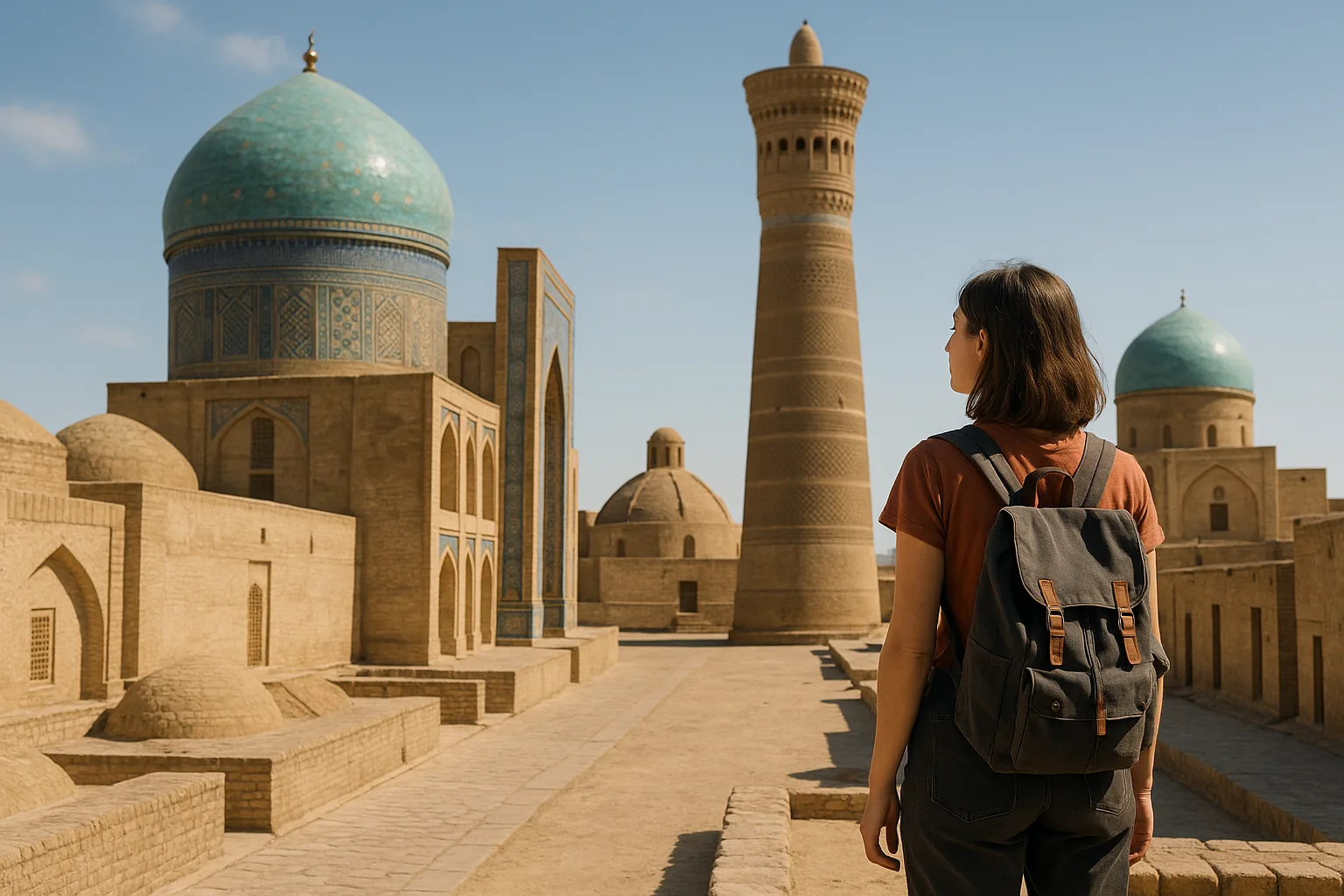
There’s a moment somewhere between stepping off a train in Uzbekistan and standing in front of a monument that has survived empires, earthquakes, and centuries of wandering merchants, when it hits you: Central Asia solo travel is one of the most quietly transformative things you can do with your passport. This part of the world sits at the crossroads of ancient trade routes, cultures, and civilisations — and most travellers your age haven’t discovered it yet. Samarkand, Bukhara, and Almaty aren’t just cities on a map. They’re full, layered experiences waiting to reshape how you see history, hospitality, and yourself.
Why the Silk Road Still Feels Like a Discovery
The ancient Silk Road was never just a road. It was a living network of ideas, goods, languages, and people moving between East and West across thousands of kilometres of steppe, desert, and mountain. The cities that grew along it — particularly in what is now Uzbekistan and Kazakhstan — became some of the most sophisticated urban centres of the medieval world. That legacy didn’t disappear. It calcified into architecture, food, craft traditions, and a culture of hospitality that still defines daily life here.
Both Samarkand and Bukhara hold UNESCO World Heritage status, which tells you something about the scale of what you’re walking into. But a UNESCO listing can’t fully prepare you for the feeling of standing in a courtyard that was already ancient when European explorers were still guessing at what lay beyond their own continent. This is a region where history isn’t behind glass — it’s underfoot, overhead, and all around you.
For solo travellers, especially those in their twenties, the Silk Road cities offer something rare: a destination that rewards curiosity over comfort. You don’t need luxury here. You need time, an open mind, and the willingness to get slightly lost.
Samarkand: Where Architecture Stops You in Your Tracks
Samarkand is the kind of city that makes you feel like you’ve stepped into a page of a history book you never actually read in school. It was a major hub on the Silk Road route that connected Central Asia’s greatest cities, and the monuments that remain here are staggering in their scale and ambition.
The Registan — a vast public square flanked by three monumental madrasas — is the image most associated with Samarkand, and it earns every photograph. Arrive early in the morning before the tour groups, and you’ll have a few quiet minutes with one of the most impressive pieces of architecture on the planet. The geometric tile-work, the towering arched gateways, the sheer physical weight of the place — it’s the kind of sight that makes you go quiet.
But Samarkand isn’t only about the grand set pieces. Wander beyond the main tourist corridor and you’ll find neighbourhoods where craftspeople still work in workshops passed down through generations. Silk weaving, ceramic painting, papier-mâché — these aren’t performances for tourists. They’re livelihoods, and the people practising them are genuinely happy to show you what they do.
As a solo traveller, Samarkand is one of the more accessible entry points into the region. It’s well connected by rail, and the compact historic centre means you can cover a lot on foot. Yandex, the ride-sharing app, operates here and makes getting around the wider city easy and affordable without the need to negotiate fares. Download it before you arrive — it’ll save you time and the occasional confusion.
Bukhara: A City That Feels Outside of Time
If Samarkand is the showstopper, Bukhara is the slow burn. It’s a smaller city, and it carries a different kind of energy — quieter, more intimate, with a historic core that feels remarkably intact. Walking through Bukhara’s old city at dusk, when the light turns golden and the call to prayer drifts across the rooftops, is one of those travel experiences you genuinely struggle to describe to people who haven’t been there.
👉 Read also: Southeast Asia Slow Travel: Luang Prabang, Saigon Day Trips, and Cusco Hostels for Real Backpackers
Bukhara is also a UNESCO-listed Silk Road city, and its historic centre contains an extraordinary density of mosques, minarets, caravanserais, and covered bazaars. The Kalon Minaret, one of the oldest surviving structures in the city, is said to have been spared by Genghis Khan — the story goes that he was so struck by its scale that he ordered it left standing. Whether or not that’s entirely accurate, the minaret is still there, and it’s still striking.
What makes Bukhara particularly good for solo travel is its pace. There’s no pressure to rush. You can spend a morning wandering the covered trading domes — still functioning markets where you can find handmade textiles, ceramics, and jewellery — and an afternoon sitting in a teahouse watching the city move around you. The social fabric here is genuinely welcoming to outsiders, and it’s not unusual to end up sharing a meal with locals you met while getting directions.
Getting between Samarkand and Bukhara is straightforward. Train travel between Central Asian cities is easy and reliable, and the journey between these two cities is a comfortable, scenic ride that costs very little. Book ahead when you can, especially during busier travel seasons, but don’t stress too much — the rail network in Uzbekistan is well developed and reasonably modern.
Almaty: The City That Surprises Everyone
Almaty sits in Kazakhstan, a few hours by air from Uzbekistan, and it’s a genuinely different kind of city. Where Samarkand and Bukhara are defined by their ancient heritage, Almaty is a modern, cosmopolitan city with a character shaped by Soviet-era architecture, Central Asian culture, and a surprisingly energetic contemporary scene. It doesn’t look like what most people expect when they think of this part of the world.
Wide, tree-lined boulevards, independent coffee shops, a thriving arts scene, and a backdrop of dramatic mountain peaks visible on clear days — Almaty has a layered quality that rewards longer stays. The Tian Shan mountain range rises directly behind the city, and within an hour or two you can be hiking through alpine terrain that feels genuinely remote. That combination of urban energy and wild nature is rare, and it’s one of the things that makes Almaty so compelling for young travellers.
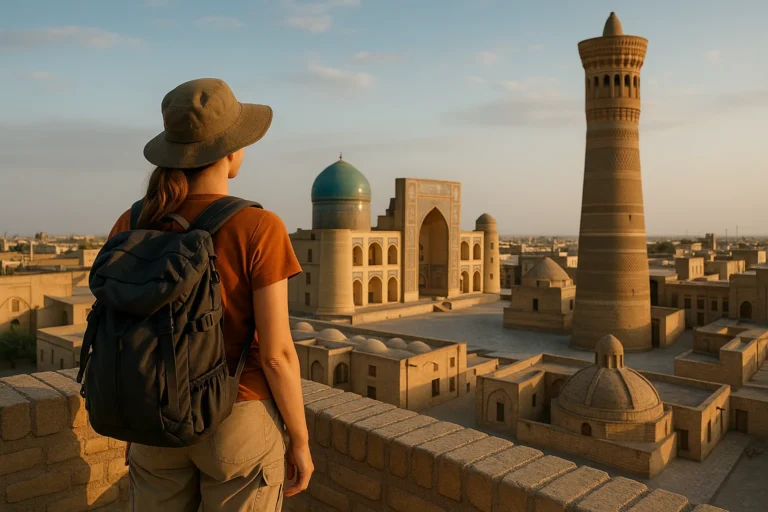
The food scene here is a particular highlight. Central Asian cuisine — plov, lagman, samsa, grilled meats, fresh bread from clay ovens — is hearty, flavourful, and very affordable. In Almaty, you’ll find all of that alongside international options, trendy café culture, and excellent local produce from the Green Bazaar, one of the city’s most vibrant and photogenic markets. Spend a morning there and you’ll leave with snacks, a better understanding of local life, and probably a few conversations you didn’t expect.
Yandex also operates in Almaty, making it easy to get around a city that’s larger and more spread out than Bukhara or Samarkand. The city’s nightlife and social scene are lively, which means it’s also a natural place to meet other travellers and connect with locals your age who are curious about the world beyond their own borders.
Practical Essentials for Central Asia Solo Travel
Planning central asia solo travel well in advance makes a real difference, especially when it comes to visas and logistics. Uzbekistan has streamlined its entry requirements significantly in recent years, and many nationalities can now obtain an e-visa online before travelling. That said, visa rules change, so always check the most current requirements through your country’s official government travel advisory or the official Uzbekistan e-visa portal before booking anything.
Kazakhstan has its own entry requirements, which vary by nationality. Again, check official sources rather than relying on forum posts from a few years ago — the region has been actively opening up to tourism, and the rules you read about six months ago may already be outdated in your favour.
👉 Read also: Southeast Asia Spiritual Retreats: Luang Prabang & Cusco Hostels for Solo Travelers
Here are some practical tips to keep in mind as you plan:
- Train travel is your best friend in Uzbekistan. The rail connections between Tashkent, Samarkand, and Bukhara are comfortable, affordable, and genuinely enjoyable. Book tickets through official rail platforms or at the station.
- Download Yandex before you land. It works across Tashkent, Samarkand, Bukhara, and Almaty, and takes the stress out of getting around unfamiliar cities.
- Carry some local currency in cash, particularly in smaller cities and markets. Card acceptance is improving but not universal.
- Learn a handful of words in Uzbek or Russian — even basic greetings go a long way and people genuinely appreciate the effort.
- If you prefer structure for part of your trip, solo traveller tours in Uzbekistan covering Samarkand and Bukhara are widely available and a good way to meet people while still having flexibility around the edges.
- Dress modestly, particularly in older religious sites. It’s a sign of respect and you’ll be welcomed more warmly for it.
- Budget travellers will find this region very affordable by most international standards — accommodation, food, and transport costs are all low relative to Western Europe or Southeast Asia’s tourist hubs.
The Solo Travel Community You Didn’t Know You Were Joining
One of the most consistent things you hear from people who’ve done central asia solo travel is how surprised they were by the sense of community they found. This isn’t a heavily backpacker-trodden route yet, which means the people you meet — fellow travellers and locals alike — tend to be genuinely curious and engaged rather than going through the motions.
Solo travel anywhere requires a certain confidence, but Central Asia rewards that confidence generously. Locals in this part of the world have a deep cultural tradition of hospitality toward guests and strangers. You may find yourself invited for tea, offered food, or given an impromptu guided tour of a neighbourhood by someone who just wants to show you their city. These unplanned moments are usually the ones you remember longest.
Online communities — travel forums, social media groups, and platforms dedicated to solo travel — are full of people who’ve made this journey and are happy to share what they learned. The general consensus is clear: central asia solo travel is exciting, beautiful, affordable, and deeply rewarding. The nervousness that many travellers feel before arriving tends to dissolve quickly once they’re actually there.
If you’re travelling solo and want some company for specific legs of the journey, group tours for solo travellers are a practical option. They give you the structure of a planned itinerary with the social benefit of a small group, and you can always break off on your own when you want space and independence.
When to Go and How Long to Stay
The most comfortable time to visit Uzbekistan is generally spring (April to June) or autumn (September to November), when temperatures are moderate and the landscape is at its most inviting. Summers in the region can be intensely hot, particularly in Bukhara, which sits in a more arid environment. Winters are cold, sometimes very cold, but the cities are quieter and there’s a different kind of beauty to the empty, frost-edged streets.
Almaty has its own rhythm. The city is a year-round destination in different ways — summer is ideal for hiking and outdoor adventures in the surrounding mountains, while winter brings skiing opportunities at resorts within easy reach of the city. Autumn is arguably the most beautiful season, with the mountain backdrop turning vivid colours and the city itself feeling energised.
In terms of time, a trip covering Samarkand, Bukhara, and Almaty comfortably needs at least two weeks. Rushing it is possible, but you’ll spend more time in transit than in the places themselves. Give yourself at least three or four days in each city — more if you can. These are places that reward slow exploration, and the moments that stay with you tend to happen when you’re not trying to tick anything off a list.
Central Asia has been waiting at the edge of most young travellers’ maps for too long. The Silk Road cities aren’t a niche interest for history buffs or a gap year detour for the unusually adventurous — they’re genuinely one of the most compelling, affordable, and memorable travel experiences available right now. Pack light, stay curious, and give yourself permission to be surprised. The stories you come back with will be ones people actually want to hear.
This article was produced with AI assistance and reviewed editorially.


Sri Lanka by Backpack: The Route, Costs, and Unmissable Stops

Uzbekistan’s Silk Road Cities: Samarkand & Bukhara in 2026


