
Asia
Southeast Asia Spiritual Retreats: Luang Prabang & Cusco Hostels for Solo Travelers
Discover transformative spiritual retreats in Southeast Asia, starting with Luang Prabang’s sacred temples and wellness experiences, plus hostel recommendations for solo

Two Destinations, One Journey: Why Luang Prabang and Cusco Belong on Your Radar
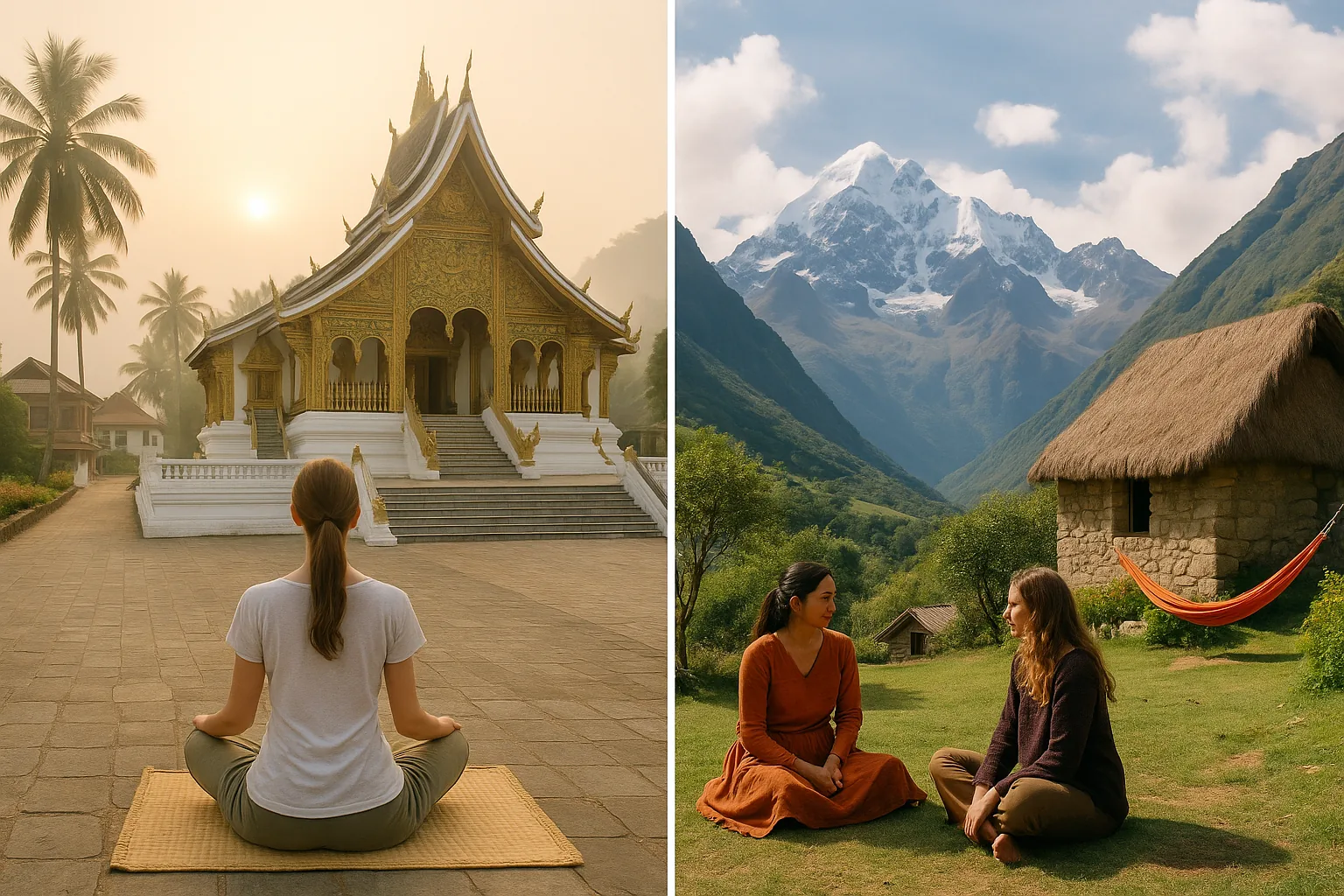
If you’re searching for spiritual retreats in Southeast Asia, Luang Prabang in northern Laos is one of the most quietly powerful places you’ll ever set foot in. But here’s the thing — once you’ve caught the bug for destinations that blend inner reflection with outer adventure, you’ll want to keep going. And that trail leads, surprisingly, all the way to Cusco, Peru. These two cities sit on opposite ends of the world, yet they share something rare: the ability to slow you down, open you up, and send you home with a perspective you didn’t arrive with.
This guide covers both destinations in real depth. Whether you’re drawn to dawn ceremonies by the Mekong, wellness retreats surrounded by tropical farms, or the ancient stone streets of the Andes, you’ll find something here that makes you want to start packing. We’ll walk through where to stay, what to experience, how to take care of yourself on the road, and how to make the most of every day in each city.
Luang Prabang: The Quiet Heart of Spiritual Retreats in Southeast Asia
Luang Prabang doesn’t announce itself loudly. It doesn’t need to. Tucked between the Mekong and Nam Khan rivers in northern Laos, this small city moves at its own pace — one that forces you to slow down whether you planned to or not. The streets are lined with saffron-robed monks, crumbling French colonial architecture, and temples that have stood for centuries. The air smells like incense and river water. It’s the kind of place that gets under your skin.
For travelers interested in spiritual retreats in Southeast Asia, Luang Prabang offers something more genuine than a packaged wellness weekend. The spiritual life here isn’t performed for tourists — it’s woven into the daily rhythm of the city. Every morning before sunrise, monks walk in silent procession through the streets collecting alms from local residents. If you choose to observe (respectfully, from a distance), it’s one of the most moving things you’ll witness on any journey.
Retreat Experiences: From Flexible Programs to Full Immersion
One of the standout retreat options in the area is The Namkhan, a wellness property situated along the Nam Khan river. What makes it worth knowing about is its flexible structure. Rather than locking you into a rigid schedule, The Namkhan offers tiered programs — an Essential level and a deeper Immersion tier — so you can choose how far you want to go. Both include daily practices, spa treatments, farm-to-table dining sourced from their own gardens, and a selection of curated local experiences. It’s the kind of retreat that feels like it was designed by someone who actually understands what young travelers need: structure without rigidity, depth without pretension.
Even if a formal retreat isn’t your style, Luang Prabang rewards the curious. You can drop into meditation sessions at local temples, take cooking classes using ingredients from the morning market, or simply spend an afternoon cycling through the surrounding countryside. The city has a way of turning even an unplanned afternoon into something you’ll remember for years.
Where to Stay: Social Hostels That Build Community
Solo travel in Luang Prabang is genuinely easy, partly because the backpacker community here is warm and well-connected. A few hostels have earned strong reputations among solo travelers specifically for their social atmosphere.
- La Casa and La Casa de Jardin — Both are recommended by the backpacking community in Laos as go-to spots for solo travelers. They attract a mix of long-termers and first-timers, which makes for great conversation and easy travel companions if you want company for a day trip.
- Sabai Sabai Backpackers — The name says it all. “Sabai sabai” means something like “easy, relaxed, no worries” in Lao, and the hostel lives up to it. It’s the kind of place where you sit down for breakfast and end up planning the rest of your week with people you just met.
Budget accommodation in Luang Prabang is generally excellent value. You’re rarely far from the river, the temples, or the night market, which means you can walk almost everywhere and spend your money on experiences rather than transport.
👉 Read also: Southeast Asia Slow Travel: Luang Prabang, Saigon Day Trips, and Cusco Hostels for Real Backpackers
Getting Out of the City: Day Trips Worth Taking
Luang Prabang works beautifully as a base. The surrounding landscape is dramatic — limestone karsts, jungle-covered hills, and rivers that feed into stunning natural pools. The Kuang Si waterfalls are a short tuk-tuk ride from the city and genuinely worth the trip: tiered turquoise pools surrounded by forest, with trails that wind up to the source. Go early to beat the midday crowds and you’ll have the lower pools almost to yourself.
If you want something more off the beaten path, local operators run boat trips up the Mekong to visit traditional villages and the Pak Ou caves, a network of limestone caverns filled with thousands of Buddha figures left by pilgrims over centuries. It’s one of those experiences that’s hard to put into words until you’re actually standing there, watching the light move across the river.
Cusco, Peru: Ancient Energy at Altitude
Cusco sits at roughly 3,400 metres above sea level in the Peruvian Andes, and it will remind you of that fact the moment you step off the plane. Your heart beats a little faster. The stairs feel steeper than they should. A short walk leaves you slightly breathless. This is normal, and it passes — but it’s worth taking seriously, especially in your first 24 to 48 hours.
The standard advice for acclimatization is simple: take it slow. Rest on arrival, drink plenty of water, avoid alcohol for the first couple of days, and eat light meals. Coca tea, widely available throughout the city, is a traditional local remedy for altitude sickness and many travelers swear by it. If symptoms feel more serious — persistent headaches, nausea, or confusion — seek medical advice promptly. Most travelers adjust within a day or two and feel completely fine after that.
Once you’re settled in, Cusco reveals itself as one of the most layered, fascinating cities in South America. Inca stonework sits beneath Spanish colonial churches. Local markets overflow with textiles, produce, and street food. The energy of the place is unlike anywhere else — ancient and alive at the same time.
Finding Your Hostel in a City Full of Options
Cusco has well over 50 hostels, which means you have genuine choice depending on what kind of traveler you are. The Plaza de Armas area puts you right in the historic centre, close to everything but also busier and louder. The San Blas neighbourhood, a short walk uphill, is quieter and full of artisan workshops, cobblestone alleys, and rooftop views that make the climb absolutely worth it.
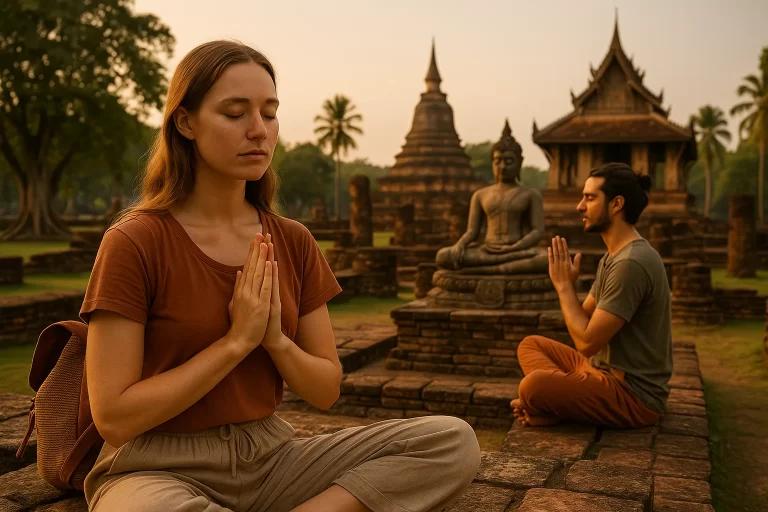
For solo female travelers in particular, Pariwana Hostel comes highly recommended by the travel community. It’s known for its social atmosphere, organized events, and the kind of staff that actually looks out for you. It’s a great place to meet other travelers and find hiking partners before heading out to the surrounding trails.
If you’re after something with more comfort and a stronger sense of security, Hilton Garden Hotel Cusco is another option that solo female travelers have flagged as a reliable choice — particularly if you’re arriving for the first time and want a familiar, well-managed base while you find your feet.
Beyond these two, Indie Traveller’s guide to Cusco hostels breaks down options by traveler type, which is genuinely useful when you’re trying to match your accommodation to your travel style rather than just booking whatever comes up first in a search.
👉 Read also: Southeast Asia Slow Travel: Luang Prabang's Spiritual Side & Day Trips from Saigon
Eating Well Without Spending Much
Cusco’s food scene rewards curiosity. The mercados — covered local markets — are where you’ll eat the best and cheapest meals in the city. Look for a seat at one of the market stalls serving set lunches: a soup, a main, and sometimes a drink, all for a fraction of what you’d pay at a tourist restaurant. It’s also where you’ll eat alongside locals rather than other travelers, which makes the whole experience feel more connected and real.
Peruvian cuisine is genuinely one of the great food cultures of the world. Even in a landlocked city like Cusco, you’ll find ceviche on menus alongside hearty Andean staples like quinoa soup, roasted corn, and slow-cooked stews. Street food is plentiful, affordable, and usually excellent. Trust the busy stalls — if locals are queuing, you’re in the right place.
Day Trips and Trekking: Beyond the Inca Trail
Cusco is one of the best bases for trekking in South America. The Inca Trail to Machu Picchu is the famous one, and for good reason — it’s a genuinely moving journey through cloud forest and ancient ruins that ends at one of the most extraordinary archaeological sites on Earth. But permits sell out months in advance, so plan well ahead if this is your goal.
If the Inca Trail is booked out or beyond your budget, there are alternatives that are just as rewarding and far less crowded. The Salkantay Trek covers similar terrain with fewer people on the trail. The Rainbow Mountain day trip has become popular in recent years for its extraordinary coloured mineral formations — it’s a hard hike at altitude, but the views at the top are the kind that make you feel very small and very grateful at the same time.
Closer to the city, the Sacred Valley stretches out below Cusco and contains a string of Inca sites, traditional villages, and markets that are easy to explore on a day trip or a slow two-day loop. It’s also lower in altitude than Cusco itself, which makes it a good option for your first day out if you’re still acclimatizing.
Connecting the Two: What These Destinations Share
At first glance, Luang Prabang and Cusco seem like an odd pairing for a single travel guide. One is a riverside city in tropical Southeast Asia; the other sits high in the Andean mountains of South America. But spend time in both and you’ll notice the thread that connects them: they’re both places where the past is still present, where daily life carries a spiritual weight, and where slowing down isn’t just possible — it’s inevitable.
Both cities attract a certain kind of traveler. Not the one rushing between Instagram spots, but the one who wants to sit with a place long enough to actually understand it. Solo travelers in particular tend to thrive here, because both cities have strong backpacker communities, easy social infrastructure, and the kind of open, curious energy that makes it easy to connect with strangers.
If you’re building a longer trip and wondering whether to combine them, the honest answer is: why not? Southeast Asia to South America is a big journey, but it’s entirely doable on a backpacker budget with the right planning. Many travelers do exactly this — spending weeks in Laos and Thailand before flying across to Peru and working their way through the Andes. The contrast between the two regions makes each one feel richer by comparison.
Practical Notes Before You Go
Luang Prabang
- The best time to visit is between November and March, when the weather is cooler and drier.
- Dress modestly when visiting temples — shoulders and knees covered is the standard expectation.
- If you want to witness the alms-giving ceremony, observe quietly from a respectful distance and never interrupt or photograph monks up close.
- Laos has a slow travel culture — embrace it rather than fighting it.
Cusco
- Book Inca Trail permits as early as possible — they sell out months in advance.
- Take altitude seriously on arrival: rest, hydrate, and give your body time to adjust.
- The dry season (May to October) is the most popular time to visit and the best for trekking.
- Keep small change handy for markets and street food — vendors often can’t break large bills.
The Bigger Picture
Travel at its best isn’t about ticking destinations off a list. It’s about finding places that change the way you see things — and Luang Prabang and Cusco both have that quality in abundance. Whether you’re drawn to the structured calm of a riverside wellness retreat in Laos, the ancient energy of Andean stone streets, or simply the feeling of waking up somewhere completely new and figuring it out as you go, both cities deliver something that stays with you long after you’ve left. Start planning, take your time, and let the journey unfold on its own terms. The best stories rarely come from rushing.
This article was produced with AI assistance and reviewed editorially.


Planning Your First Solo Trip: A Step-by-Step Blueprint for Unforgettable Travel

Teaching English Abroad in 2026: Top Countries, Visa Requirements & Real Salaries


