
LATAM
Backpacking Central America & Cuba: Routes, Costs & Where Young Travelers Actually Stay
Plan your backpacking trip across Central America with practical guides to routes, daily costs, visa requirements, and neighborhoods where young travelers actually stay.

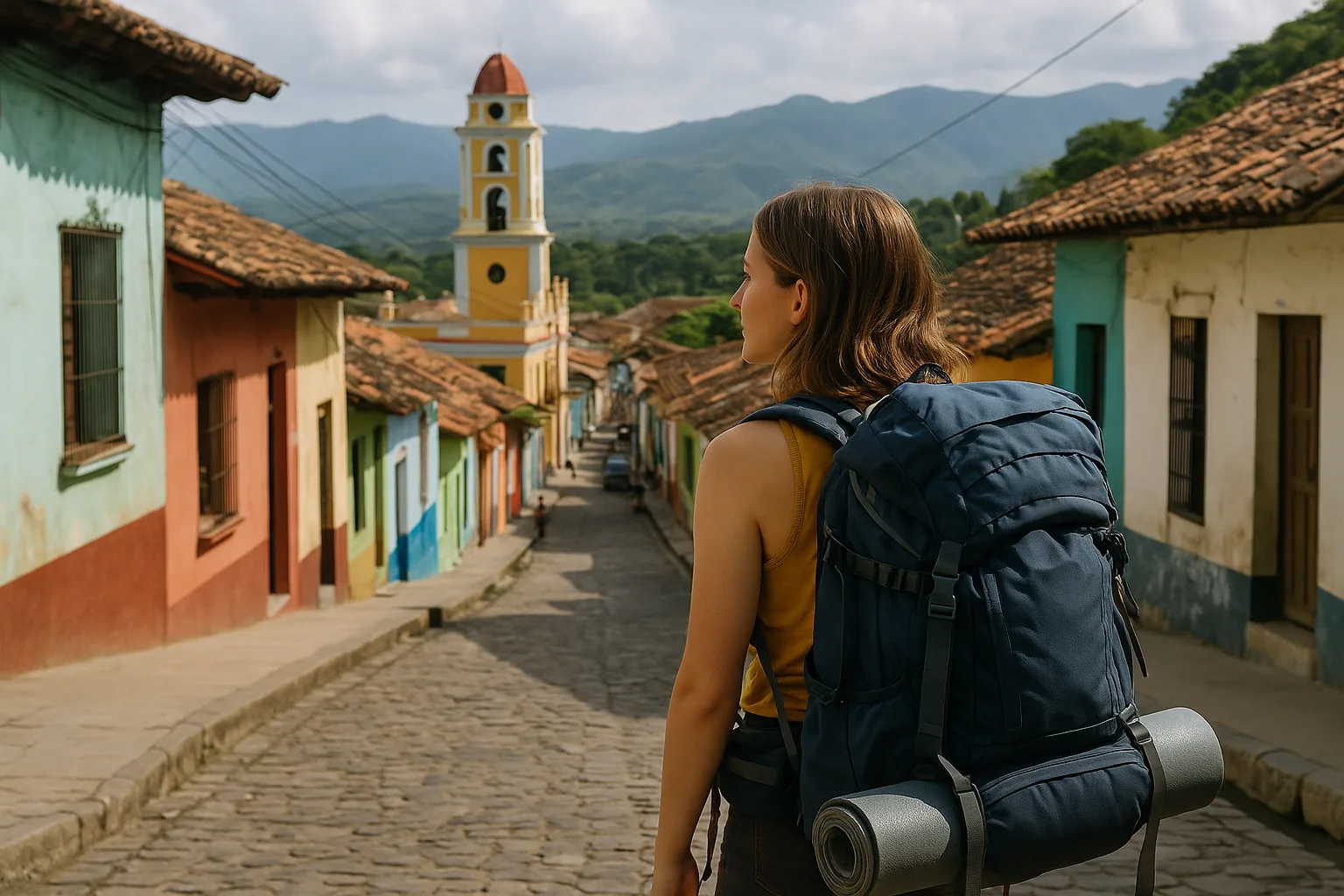
There’s a reason so many young travelers end up extending their trips once they hit Central America — the region pulls you in with its volcanic landscapes, colonial cities, and the kind of easy, cross-border travel rhythm that makes three weeks stretch into three months almost without you noticing. Backpacking Central America has become one of the most popular long-haul adventures for travelers aged 16 to 30, and when you add Cuba into the mix, you get a journey that genuinely covers two completely different worlds within the same broader region. This guide is designed to help you plan that journey practically: where to go, how to move, what it costs, and where to actually sleep when you get there.
Understanding the Central American Circuit
Central America comprises seven countries: Guatemala, Belize, El Salvador, Honduras, Nicaragua, Costa Rica, and Panama. Most backpackers tackle the classic overland route, either heading north to south or south to north, threading through these countries on a mix of chicken buses, shuttle vans, and the occasional ferry. The beauty of the circuit is its flexibility — you can move fast if your budget is tight, or slow down and spend weeks in a single spot if somewhere captures you.
The most common starting points are Guatemala City or Panama City, depending on your flight deals. From Panama, you travel northward through Costa Rica, Nicaragua, Honduras, El Salvador, Guatemala, and potentially Belize before crossing into Mexico. Traveling in either direction works, but many backpackers prefer to start in Panama and move north, saving Guatemala — arguably the most visually stunning and culturally rich country on the route — for later in the trip when you’ve found your travel rhythm.
Each country brings something distinct to the experience. Guatemala delivers volcanic hikes, indigenous markets, and the colonial gem of Antigua. Honduras opens up the Caribbean coast and the world-class diving around the Bay Islands. Nicaragua offers some of the most authentic and least-touristed cities in the region — colonial architecture, surf towns, and an energy that feels genuinely off the beaten path. Costa Rica is the polished eco-adventure hub where you’ll pay more but get extraordinary biodiversity in return. Panama is the cosmopolitan gateway with a skyline that surprises most first-timers.
Where to Spend Your Time: Neighborhoods and City Highlights
Knowing which part of a city to base yourself in makes an enormous difference when you’re backpacking. Capital cities across Central America have areas that are vibrant and walkable, and areas you’ll want to avoid after dark — sometimes just a few blocks apart.
In San José, Costa Rica, the neighborhoods of Barrio Amón and Escalante are where most young travelers end up. Barrio Amón has beautiful Victorian-era architecture and a relaxed café culture; Escalante has evolved into the city’s most interesting food and nightlife scene, with local restaurants and a genuinely welcoming atmosphere. San José often gets dismissed by travelers who pass through too quickly — give it at least a day or two and it rewards you.
In Granada, Nicaragua, the city is compact enough that almost everything is walkable from the central park. The streets around Calle La Calzada are lined with restaurants, bars, and hostels, making it one of the most social backpacker hubs in all of Central America. Granada is also one of the most photogenic cities on the route, with brightly painted colonial buildings that look extraordinary in the late afternoon light.
Managua, Nicaragua’s capital, is less immediately charming than Granada, but the Zona Hippos area has transformed into a lively hub with good food, craft beer spots, and a young local crowd. Most backpackers use Managua as a transit point, but it’s worth an evening rather than just a bus stop.
Guatemala’s Antigua and Lake Atitlán deserve serious time. Antigua’s cobblestone streets and Spanish colonial ruins make it one of the most visually striking cities in the Americas. Lake Atitlán, surrounded by volcanoes and indigenous Mayan villages, is the kind of place people arrive planning to stay three days and leave three weeks later.
👉 Read also: The 10 Best Budget Destinations for Young Travelers in 2026
Cuba: A Different Kind of Adventure
Adding Cuba to a Central America backpacking trip takes a bit more planning, but it’s absolutely worth the effort. Cuba operates on its own logic — the infrastructure, the currency situation, the accommodation system, and the day-to-day experience are all unlike anything else in the region. That’s precisely what makes it so compelling.
The most important thing to understand before you go is that Cuba’s tourism economy has historically run on a dual system, and while the specifics continue to evolve, travelers generally deal with a cash-heavy environment where preparation matters. Bring enough cash before you arrive — international cards have limited and inconsistent functionality, and running out of money in Havana with no way to access more is a situation you want to avoid entirely.
For accommodation, casas particulares — private rooms in Cuban family homes — are the go-to option for young travelers. They’re the closest thing Cuba has to a hostel scene, and they offer something arguably better: genuine connection with local families, home-cooked breakfasts, and insider knowledge about where to eat and what to do. Based on current traveler reports, expect to pay around 30 CUC per night for a room in a casa particular, with food, local transport, and the occasional drink adding roughly 15 CUC per day on top of that. This makes Cuba more expensive per day than most of Central America, but the experience is so distinct that it justifies the extra spend.
In Havana, the neighborhoods of Centro Habana and Vedado are where most young travelers base themselves. La Habana Vieja (Old Havana) is the tourist heart of the city — beautiful, atmospheric, and worth exploring thoroughly — but staying slightly outside it in Centro or Vedado gives you a more authentic slice of daily Cuban life. Vedado in particular has a neighborhood feel, with tree-lined streets, local paladares (private restaurants), and the famous Malecón seafront promenade just a walk away.
Beyond Havana, Trinidad is the colonial city that most backpackers cite as the highlight of their Cuban trip — cobblestone streets, salsa music spilling out of doorways, and a genuinely laid-back pace. Viñales, in the western tobacco-growing valley, offers some of Cuba’s most striking scenery and excellent hiking. Santiago de Cuba in the east has a rawer, more Afro-Caribbean energy and a music scene that feels deeply rooted rather than performed for tourists.
Budgeting for the Journey: What to Realistically Expect
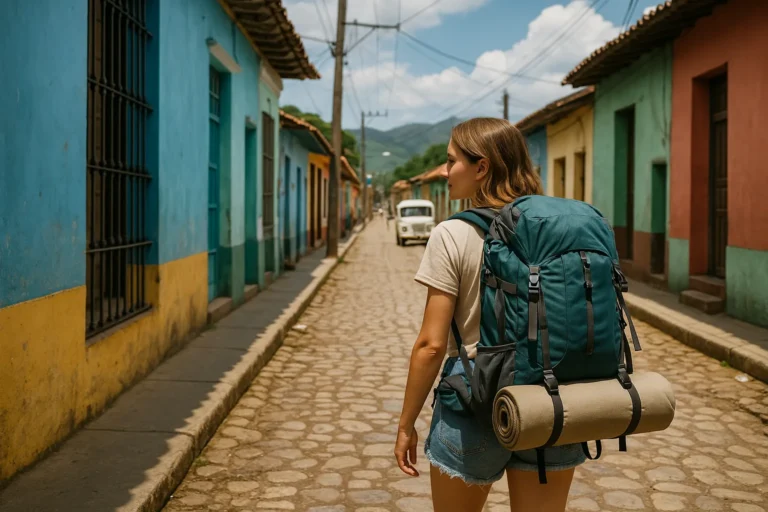
One of the most common questions about backpacking Central America is what it actually costs. The honest answer is: it varies significantly by country, travel style, and the choices you make on the ground. But you can build a realistic picture.
Community reports from travelers who’ve completed the full circuit suggest that a three-month overland journey through Central America can cost somewhere in the range of $2,500 to $3,000, though this figure is a few years old now and costs have shifted upward in several countries. Budget around $30–$50 per day as a working baseline for most of Central America, with Costa Rica sitting at the higher end and countries like Nicaragua and Guatemala generally being more affordable.
Here’s how the main costs typically break down:
- Accommodation: Hostel dorms across Central America typically run between $8 and $18 per night. Private rooms in budget guesthouses range from $20 to $40. Cuba’s casas particulares sit around $30 per night for a private room.
- Food: Eating at local comedores (simple local eateries) keeps costs very low — a full meal for under $3 is common in Guatemala, Honduras, and Nicaragua. Tourist restaurants and beach towns push prices up significantly.
- Transport: Local chicken buses are extremely cheap. Shuttle services marketed to backpackers are more comfortable but can cost five to ten times more. For longer legs — like crossing from Costa Rica into Panama — budget shuttle or public bus options exist if you’re willing to spend more time traveling.
- Activities: Volcano hikes, diving certifications in Honduras, zip-lining in Costa Rica, boat trips in Nicaragua — these add up. Budget an activity fund separately rather than trying to absorb it into your daily rate.
- Cuba: Factor in roughly $45–$50 per day combining accommodation and daily expenses, plus your flights into and out of the island.
The smartest approach is to research entry requirements for each country well in advance. Requirements for visas, tourist cards, and border fees change regularly, and some nationalities need to arrange documentation before arriving at a land border. The Nomadic Matt Central America travel guide is a solid starting point for understanding the logistics of moving between countries.
👉 Read also: Granada, Nicaragua: The Colorful Colonial City Young Travelers Are Just Discovering
Getting Around: Transport Realities on the Ground
Transport is where backpacking Central America either flows beautifully or becomes genuinely frustrating, depending on how flexible you are. The region doesn’t have a single rail network or unified bus pass system — you piece together your journey country by country.
Chicken buses — converted old school buses, often decorated with extraordinary creativity — are the local backbone of transport in Guatemala, Honduras, and Nicaragua. They’re cheap, they’re an experience in themselves, and they’ll take you almost anywhere if you’re willing to wait. For longer international routes, first-class bus companies operate comfortable coaches between major cities and across borders.
The shuttle van network that caters specifically to backpackers is worth knowing about. These shared shuttles connect the most popular destinations — Antigua to San Cristóbal de las Casas, Granada to San José, and so on — at prices higher than local buses but lower than private transfers. They save time and reduce the stress of navigating unfamiliar bus terminals, which makes them worth it on certain legs of the journey.
For the Darién Gap between Colombia and Panama, there is no road crossing — this is a well-known reality of the route. If you’re combining South America with Central America, the options are flying or taking a sailing boat through the San Blas Islands, which has become a popular and genuinely beautiful alternative.
Cuba operates entirely separately from the mainland transport network. You fly in — most commonly from Mexico City, Cancún, or Panama City — and move around the island by Viazul bus (the tourist-oriented national bus service), shared taxis known as colectivos, or classic American cars hired as taxis. The Viazul network connects all the major destinations and is the most reliable budget option for getting between cities.
Safety, Seasons, and Traveling Smart
Safety across Central America is a topic that deserves honest, nuanced treatment rather than either dismissal or panic. The region has areas with genuine security concerns — certain neighborhoods in capital cities, some border crossing points, and isolated rural areas late at night — and areas that are perfectly relaxed and welcoming to travelers. The key is doing your research by specific location rather than writing off an entire country based on its reputation.
As a general principle: travel during daylight hours, keep valuables secured, use ATMs inside banks or shopping centers rather than on the street, and trust your instincts when a situation feels off. Solo female travelers have completed the full Central American circuit many times over — it’s absolutely doable, but it requires a higher level of situational awareness and the willingness to be more selective about where you go after dark.
The dry season — roughly November through April across most of Central America — is the most popular time to travel, with reliable weather and easier road conditions. The rainy season (May to October) brings lush green landscapes, fewer tourists, lower prices, and afternoon downpours that usually clear by evening. Many experienced backpackers actually prefer the shoulder season for exactly those reasons. Cuba’s best weather runs from November through April, making it a natural complement to a dry-season Central America trip.
Pack light, stay curious, and leave room in your itinerary for the unexpected detours — the waterfall someone at your hostel mentioned, the village market that wasn’t in any guide, the ferry crossing that turns into a three-hour conversation with a local fisherman. Backpacking Central America rewards the traveler who holds their plans loosely and stays open to what the road actually offers.
Whether you start in Panama City and work your way north, or land in Guatemala and head south toward the canal, or carve out two weeks to explore Cuba alongside the mainland circuit, this part of the world has a way of getting under your skin. You’ll come back with stories you’ll still be telling years from now — not because everything went perfectly, but because the best travel memories rarely do.
This article was produced with AI assistance and reviewed editorially.


Backpacking Central America & Cuba: Routes, Costs & Where Young Travelers Actually Stay

The Valbona to Theth Trail: Albania’s Most Rewarding Mountain Hike


