
Tips & Tricks
Where to Stay in 2026: Budget Accommodation Guides for Vancouver, Wellington, Bruges & Andorra
Smart budget accommodation guide for Vancouver, Wellington, Bruges, and Andorra. Hostel and guesthouse recommendations with price comparisons for each destination.

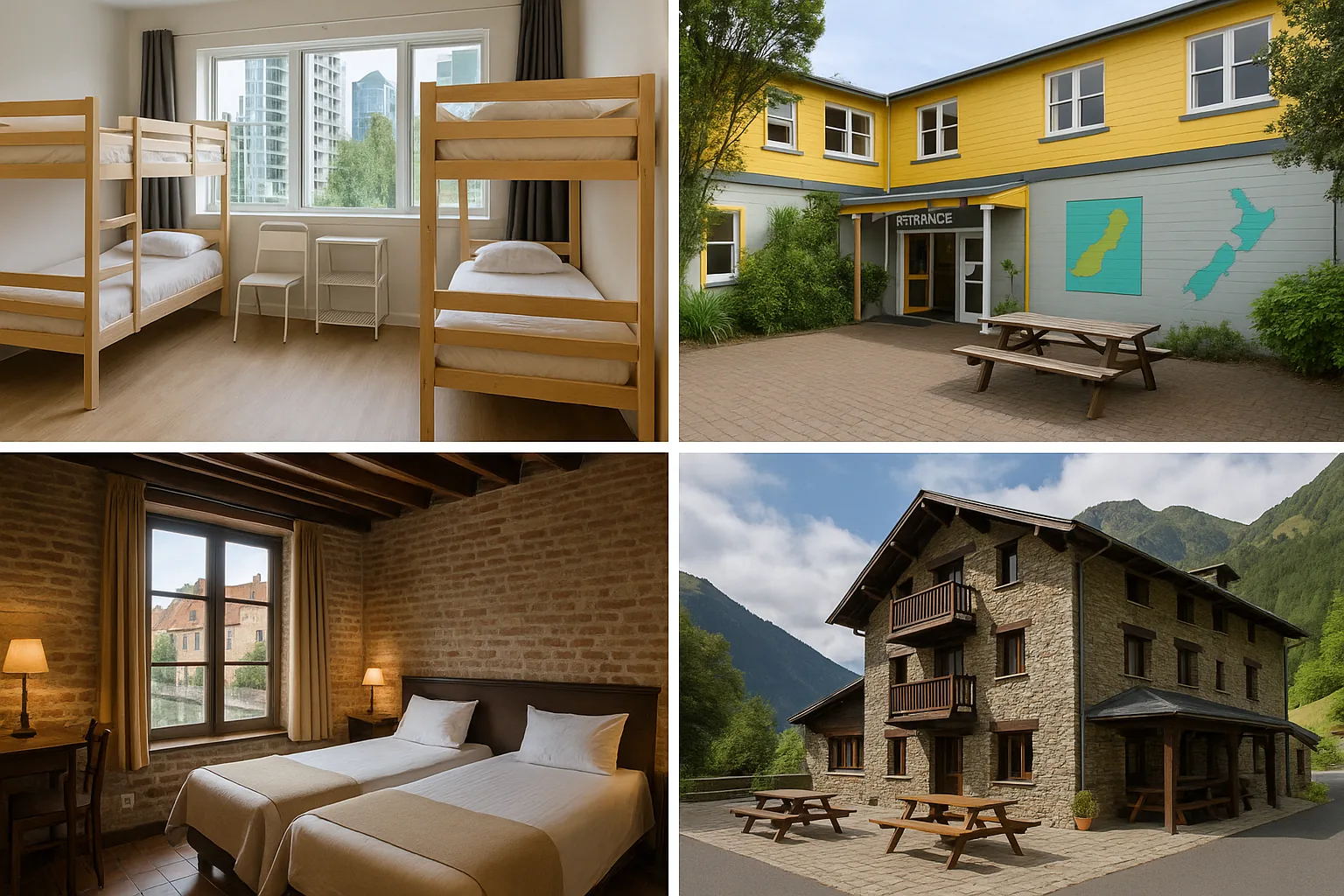
Finding a place to sleep that doesn’t drain your bank account before you’ve even explored the city is one of the real skills of smart travel. Whether you’re planning to surf Vancouver’s Pacific Rim energy, soak up Wellington’s creative pulse, wander Bruges’ medieval cobblestones, or push your limits in Andorra’s mountain terrain, a solid budget accommodation guide can be the difference between a trip that lasts three weeks and one that lasts three days. Here’s what you actually need to know about staying smart — and staying well — across four very different corners of the world in 2026.
Vancouver: West Coast Vibes Without the West Coast Price Tag
Vancouver has a reputation for being expensive, and honestly, it’s not entirely undeserved. But that doesn’t mean budget travelers are out of luck. The city rewards people who know where to look, and there’s a genuine range of affordable options if you’re willing to do a little research before you book.
Two of the most consistently recommended budget-friendly spots in Vancouver’s downtown area are the YWCA Hotel and the HI Downtown Hostel. Both sit in the heart of the city, which means you’re never far from the waterfront, Stanley Park, or the buzzing energy of Granville Street. The YWCA Hotel leans more toward budget hotel territory — clean, simple rooms with a community feel — while the HI Downtown Hostel offers the classic hostel experience: dorm beds, shared spaces, and a ready-made community of fellow travelers. If you’re traveling solo and want to meet people, the hostel is hard to beat.
In general, budget hotels in Vancouver start from around €92 per night, which gives you a useful baseline when you’re comparing options. That figure will shift depending on the season, how far in advance you book, and whether you’re flexible with your dates. Vancouver’s shoulder seasons — spring and autumn — tend to offer better rates and genuinely beautiful weather, so timing your visit well can stretch your budget considerably.
What makes Vancouver worth every cent, even on a tight budget, is how much you can do for free. The Seawall along the waterfront stretches for kilometers and is one of the most scenic urban walks you’ll find anywhere. Granville Island’s public market is free to wander. The city’s neighborhoods each have their own distinct personality — from the historic streets of Gastown to the independent shops and cafés that line Commercial Drive. You don’t need a big spending budget to feel the city’s energy. You just need a good base to come back to at the end of the day.
Wellington: Small City, Big Creative Energy
Wellington punches well above its weight. New Zealand’s compact capital is home to a thriving arts and music scene, some of the country’s best restaurants, and a waterfront that genuinely invites you to slow down. It’s also surprisingly manageable for budget travelers, in part because the city is small enough to explore almost entirely on foot.
The hostel scene in Wellington is strong. The city has a long tradition of welcoming backpackers and independent travelers, and you’ll find a good range of options spread across the central city and surrounding neighborhoods. Many hostels here lean into the local culture — think communal kitchens stocked with local produce, bulletin boards covered in gig listings and hiking recommendations, and staff who actually live in the city and know where to send you.
Wellington’s Te Papa Tongarewa — the national museum of New Zealand — is free to enter, which is a genuine gift for budget travelers. It’s one of the best museums in the Southern Hemisphere, and you could easily spend a full day inside without spending a dollar. The Cuba Street precinct is the city’s creative heartbeat: independent bookshops, vintage clothing stores, and cafés where the coffee is taken seriously. Grab a flat white and settle in — this is what Wellington does best.
👉 Read also: Budget Accommodation Guide: 15 Hidden Gem Destinations for Young Travelers in 2026
If you’re using Wellington as a base for exploring the wider region, that’s a smart move. The Remutaka Forest Park and the Kapiti Coast are both within reach for day trips, and the city’s ferry connections open up access to the South Island. Staying centrally in a hostel or budget guesthouse gives you the flexibility to move quickly when the mood takes you.
Bruges: Medieval Streets and Modern Budget Sense
Bruges is one of those places that stops you in your tracks. The canals, the Gothic architecture, the market squares — it looks like a city that was frozen in time, and in many ways it was. But don’t let the fairy-tale setting fool you into thinking it’s out of reach. Budget hotels in Bruges are available for under $50 per night, which makes this one of the more accessible historic cities in Western Europe.
The key to staying affordably in Bruges is knowing where to look and when to visit. The city is genuinely popular — it draws visitors from across Europe and beyond — so peak season pricing can climb. But travel in the quieter months and you’ll find that the budget options open up considerably. Guesthouses run by local families, small B&Bs tucked into historic buildings, and hostels within cycling distance of the main sights all offer solid value.
Staying close to the center means you can walk almost everywhere. The Markt — the central market square — is the natural starting point for most visitors, and the famous Belfry tower rises above it like something out of a storybook. The canal network is best explored on foot or by bike, and rental bikes are affordable and widely available. Some of the most memorable moments in Bruges happen when you simply wander away from the main tourist drag and find yourself alone on a quiet canal path with swans drifting past.
Budget travelers should also know that Bruges is very walkable, which cuts down on transport costs significantly. The train station is a short walk from the historic center, and Belgium’s rail network is extensive, making Bruges an easy stop on a wider European itinerary. Pair it with Ghent or Brussels for a few days and you’ve got a genuinely rich Belgian experience without spending a fortune on getting around.
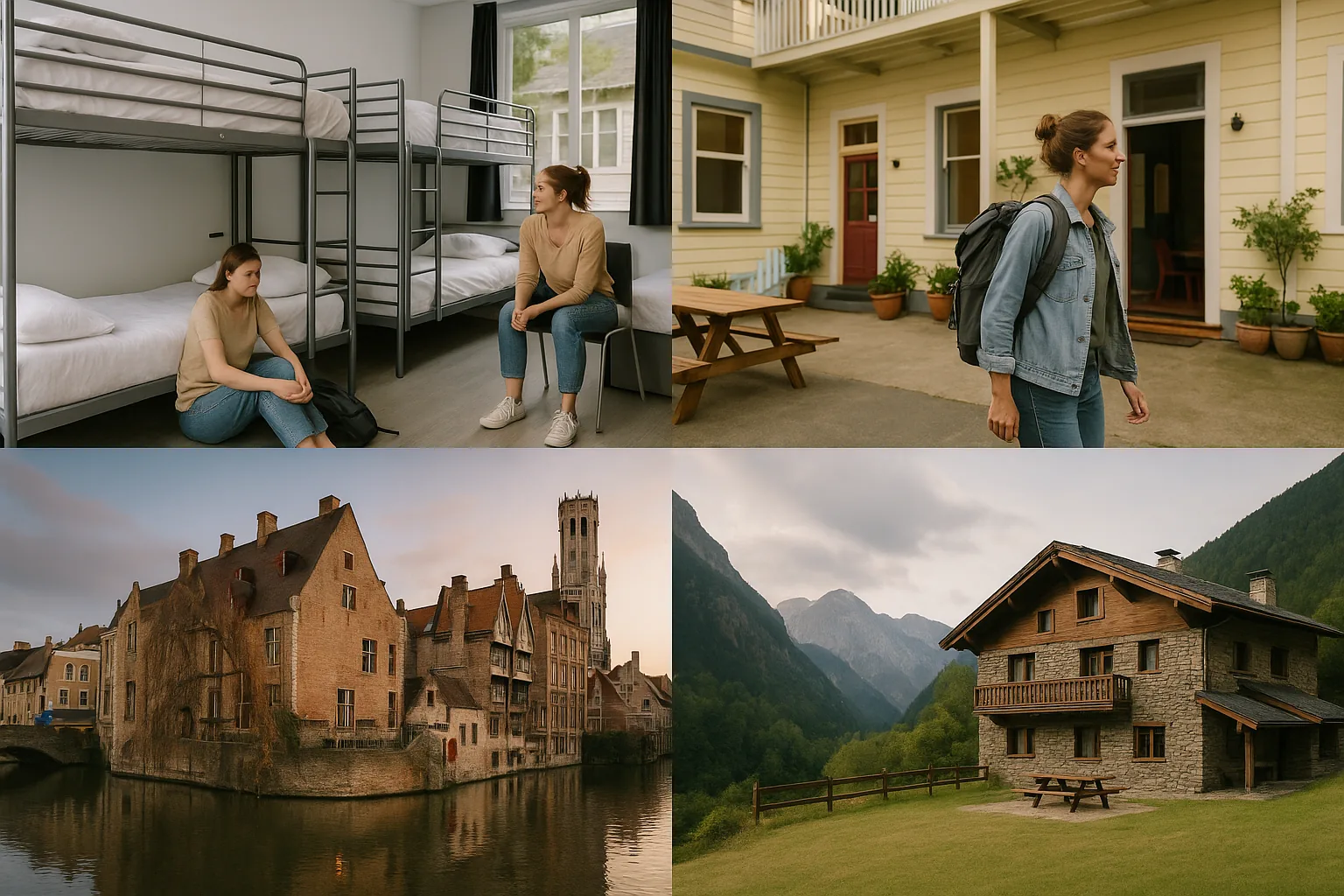
For food, skip the tourist-facing restaurants around the main square and look for the smaller spots on side streets where locals actually eat. A bowl of moules-frites or a plate of Flemish stew at a neighborhood brasserie will cost you significantly less and taste significantly better. Belgian beer, meanwhile, is both excellent and affordable — and that’s a combination worth celebrating.
Andorra: Mountain Adventures on a Manageable Budget
Andorra is a small principality tucked between France and Spain in the Pyrenees, and it has a reputation as a duty-free shopping destination that somewhat undersells what it actually is: a genuinely spectacular mountain environment with world-class skiing in winter and excellent hiking in summer. For adventurous travelers, it deserves a much closer look.
Accommodation in Andorra covers a wide range. Group stays can range from roughly €80 to €350 per person per day, depending on the type of accommodation, the season, and what’s included. That’s a broad range, and it reflects the variety on offer — from simple mountain lodges and budget guesthouses to ski hotels with full board. For solo travelers or pairs, the lower end of that range is very achievable if you book in advance and travel outside peak ski season.
👉 Read also: Where to Stay in 15 Underrated Destinations Across Asia, Europe & Latin America (2026 Guide)
Two options that consistently appear among the better value choices in Andorra are Hotel Comtes D’urgell and Hotel Yomo Imperial. Both offer solid comfort at a price point that won’t leave you counting coins for the rest of your trip. Andorra’s capital, Andorra la Vella, is a natural base — it’s centrally located, has good transport connections to the ski areas and hiking trails, and offers plenty of options for eating and resupplying.
The hiking in Andorra is genuinely underrated. The country has an extensive network of trails that range from gentle valley walks to serious mountain routes, and the scenery — high-altitude lakes, rocky ridgelines, wildflower meadows — rewards the effort. In summer, the crowds thin out compared to the ski season, and you can cover a lot of ground without feeling like you’re sharing the mountain with half of Europe.
One practical advantage of Andorra for budget travelers is the duty-free status, which makes everyday items like food, toiletries, and gear noticeably cheaper than in neighboring France or Spain. Stock up before you head into the hills. It’s also worth noting that Andorra has no airport — you’ll arrive by road from either France or Spain, typically via bus or private transfer — so factor that into your planning. The journey through the Pyrenees is scenic enough to feel like part of the adventure rather than just a transfer.
How to Use This Budget Accommodation Guide Across All Four Destinations
Each of these four destinations rewards a slightly different approach to budget travel, but a few principles hold across all of them. Booking in advance consistently unlocks better rates, especially in smaller cities like Bruges and Andorra where availability can tighten quickly during peak periods. Traveling in shoulder season — avoiding the busiest weeks of summer and the peak of ski season in Andorra — gives you access to lower prices and a more authentic experience of each place.
Hostels remain the gold standard for solo travelers and anyone who wants to connect with other people on the road. The communal kitchens alone can save you a meaningful amount over a week-long trip. For those who prefer a little more privacy, budget guesthouses and small family-run hotels often offer better value than large chain hotels, and they almost always come with local knowledge that no booking platform can replicate.
If you want to dig deeper into finding accommodation that fits both your budget and your travel style, Penguin Trampoline’s guide to finding cheap accommodation covers some genuinely useful strategies for independent travelers.
Flexibility is, as always, your greatest asset. The travelers who get the most out of a limited budget aren’t necessarily the ones who spend the least — they’re the ones who spend wisely, stay somewhere that puts them close to the experience they’re after, and leave enough in the account to say yes when something unexpected comes up. Because it always does. That’s the best part.
Vancouver, Wellington, Bruges, and Andorra each offer something genuinely distinct — Pacific coast energy, Southern Hemisphere creativity, medieval European beauty, and high-altitude adventure. The fact that all four are accessible on a real budget isn’t a compromise. It’s an invitation. Pack light, book smart, and go find out what these places feel like from the inside.
This article was produced with AI assistance and reviewed editorially.


Adventure Beyond the Beach: Things to Do in Jeju, South Korea & Tayrona Park, Colombia

Where to Stay in 2026: Budget Accommodation Guides for Vancouver, Wellington, Bruges & Andorra


