
Colombia
Colombia’s Caribbean Coast: Tayrona Park, Rosarios Islands & Granada Hostels for Backpackers
Explore Colombia’s Caribbean coast with honest hostel guides for Tayrona Park, Rosario Islands, and Granada. Budget tips, best times to visit, and what to actually expect

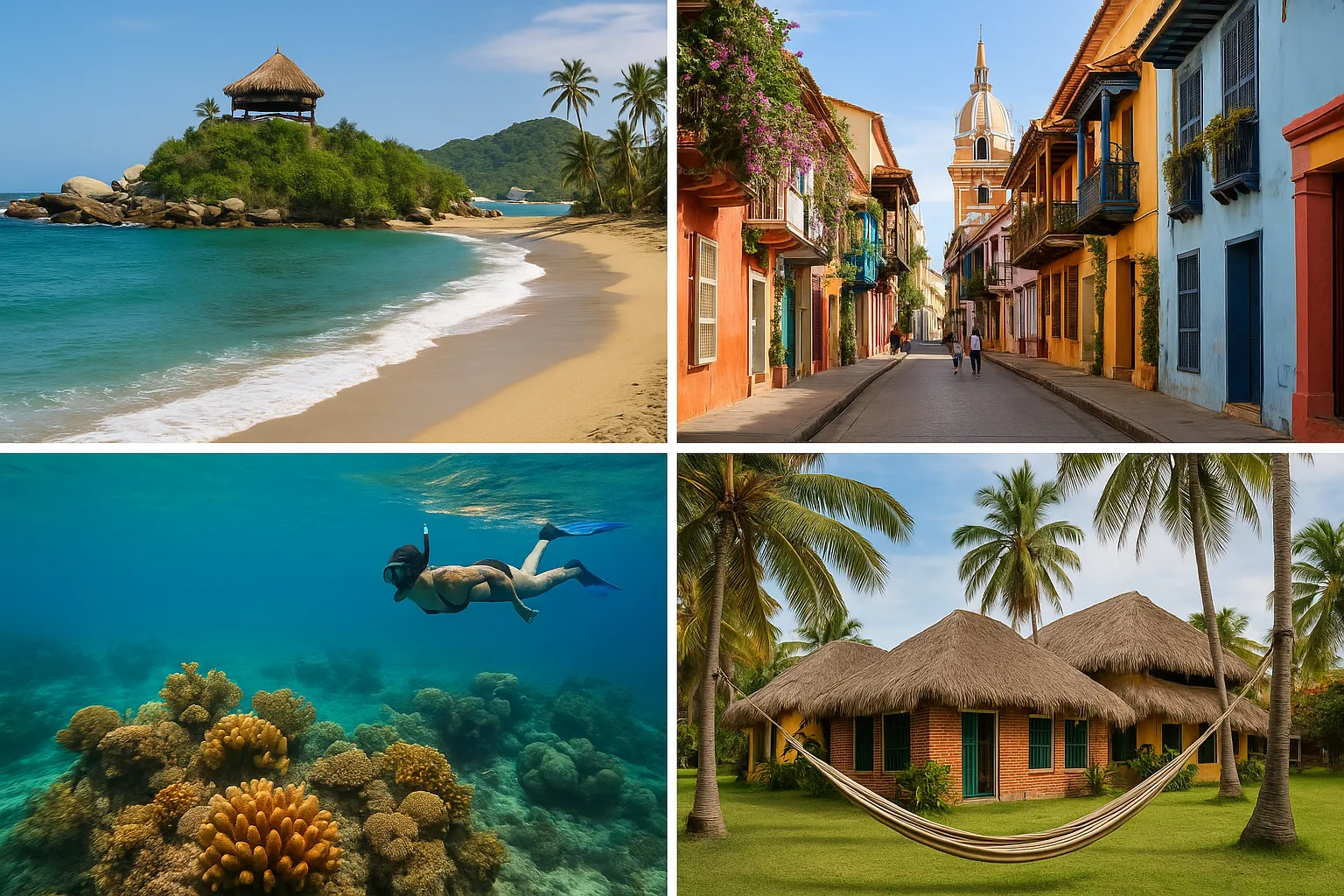
If there’s one stretch of coastline in South America that genuinely earns its reputation among backpackers, it’s Colombia’s Caribbean coast. From the colonial streets of Cartagena to the jungle-fringed beaches of Tayrona National Park and the coral-ringed waters around the Rosario Islands, this region packs an extraordinary range of experiences into a relatively compact route — and the Colombia Caribbean coast hostels scene has grown to match that energy. Whether you’re planning a quick two-week sprint or a slow, spontaneous wander, knowing where to base yourself and what to actually expect makes all the difference between a trip that’s memorable and one that’s genuinely transformative.
Why the Colombian Caribbean Coast Deserves More Than a Weekend
A lot of travelers treat Colombia’s Caribbean coast as a quick add-on — a few days in Cartagena, maybe a beach day, then back to Bogotá or Medellín. That’s a mistake. This coastline rewards those who slow down and move through it deliberately. A well-paced 15-day itinerary can take you from the otherworldly La Guajira desert in the north all the way down through Minca’s cloud forest, across the beaches of Palomino, deep into Tayrona National Park, and out to the Rosario Islands on a day trip from Cartagena. That’s not one destination — it’s a whole world of contrasting landscapes, cultures, and communities stitched together by one coastline.
The towns along the way each have their own personality. Santa Marta is a functional, energetic hub with a colonial center and strong transport links. Taganga is a tiny fishing village turned backpacker enclave with a laid-back pace. Minca sits in the hills above Santa Marta, cooler and quieter, beloved by those who need a break from the heat. Palomino is the kind of place where you arrive for one night and stay for four. And then there’s Tayrona — the crown jewel of the whole coast, where jungle meets the sea in a way that doesn’t feel quite real.
Colombia Caribbean Coast Hostels: What to Budget and What to Expect
One of the best things about traveling this region as a backpacker is how far your money goes. The average hostel price in Colombia sits at around $14 per night, with the vast majority of options coming in under $20. That figure holds reasonably well along the Caribbean coast, though you’ll find variation depending on how remote or popular a spot is. Cartagena tends to run slightly higher due to tourist demand, while smaller towns like Palomino offer some of the most affordable beds on the entire coast.
What you get for that price varies enormously. In the cities, expect rooftop bars, social kitchens, organized tours, and lively common areas where you’ll meet other travelers within minutes of checking in. In more remote areas — especially near Tayrona — hostels lean toward the eco-lodge model: open-air structures, hammock spaces, solar power, and a closer relationship with the natural environment. Neither is better than the other; they just suit different moments in a trip.
It’s also worth knowing that Colombia’s hostel culture is genuinely social. Staff tend to be knowledgeable, multilingual, and enthusiastic about helping you plan the next leg of your journey. Many hostels run their own tours, offer transport connections, and create the kind of communal atmosphere where a solo traveler can quickly find company for a trek or a day trip.
Tayrona National Park: Sleeping at the Edge of the Jungle
Tayrona is one of those places that justifies an entire trip to Colombia on its own. It’s a combination of stunning beaches, jungle hiking, and camping that’s hard to find anywhere else in the world at this scale and accessibility. The park protects a stretch of coastline where the Sierra Nevada mountains drop almost directly into the Caribbean Sea, creating a dramatic backdrop of forested ridges, rocky headlands, and sheltered coves.
Getting there and choosing where to stay requires a little planning. The most popular access points and hostel clusters sit outside the park boundaries, with Buritaca, Costeño Beach, Los Naranjos, and Santa Marta all serving as practical bases. Santa Marta is the most convenient transport hub — you can catch buses and shared taxis to the park entrance from the city — but staying in one of the smaller communities closer to the park gives you an earlier start and a more immersive experience.
👉 Read also: Tayrona National Park, Colombia: Best Hostels & How to Base Yourself on the Caribbean Coast
Eco Hostel Yuluka is one of the most well-known options in this area, positioned just outside the park boundary on Colombia’s Caribbean coast. It’s the kind of place that blends comfortable basics with a genuine respect for the surrounding environment — think open-air common spaces, hammocks strung between trees, and the sound of wildlife rather than traffic. For backpackers who want to be close to the park without roughing it completely, it’s a strong choice.
Inside the park itself, accommodation is limited and often needs to be booked well in advance, especially during peak season. Booking.com lists around eight hostels in the Tayrona National Park region, with gateway spots like El Zaino and Calabazo appearing as featured destinations. El Zaino is the main entrance point for many visitors, and staying nearby means you can be on the trails early — before the day-trippers arrive from Santa Marta and the paths get busy.
If you’re comfortable with a more rustic setup, camping within the park is possible at designated sites and gives you access to the beaches at dawn and dusk when they’re at their most extraordinary. Bring a hammock, pack light, and be prepared for the humidity — it’s real, and it’s relentless in the best possible way.
Palomino: The Laid-Back Village That Earns Its Reputation
About an hour east of Santa Marta along the coast road, Palomino has become one of the most talked-about stops on the Colombia Caribbean backpacker circuit — and for good reason. It’s a genuinely laid-back village with budget hostels, beach bars, and a large, uncrowded beach that stretches further than you can comfortably walk. The pace here is slow in the best way. Nobody’s rushing anywhere. The vibe is relaxed, friendly, and just spontaneous enough to feel like a discovery rather than a tourist destination.
The hostels in Palomino tend to reflect the village’s character: wooden structures with hammock terraces, communal kitchens, and social spaces where travelers gather at sunset. Prices are among the lowest on the coast, and the quality-to-cost ratio is genuinely impressive. You’ll find everything from basic dorm beds to private cabins with garden views, often within a short walk of the beach.
What makes Palomino worth more than a single night is the sense that you can actually settle in and explore without a packed itinerary. The beach is long enough that you can find your own quiet corner. The surrounding hills and river offer opportunities to wander. And the local community gives the town a character that purely tourist-driven places often lack. It’s the kind of stop where you meet people who were “just passing through” three weeks ago and somehow never left.
The Rosario Islands: A Day Trip Worth Planning Carefully
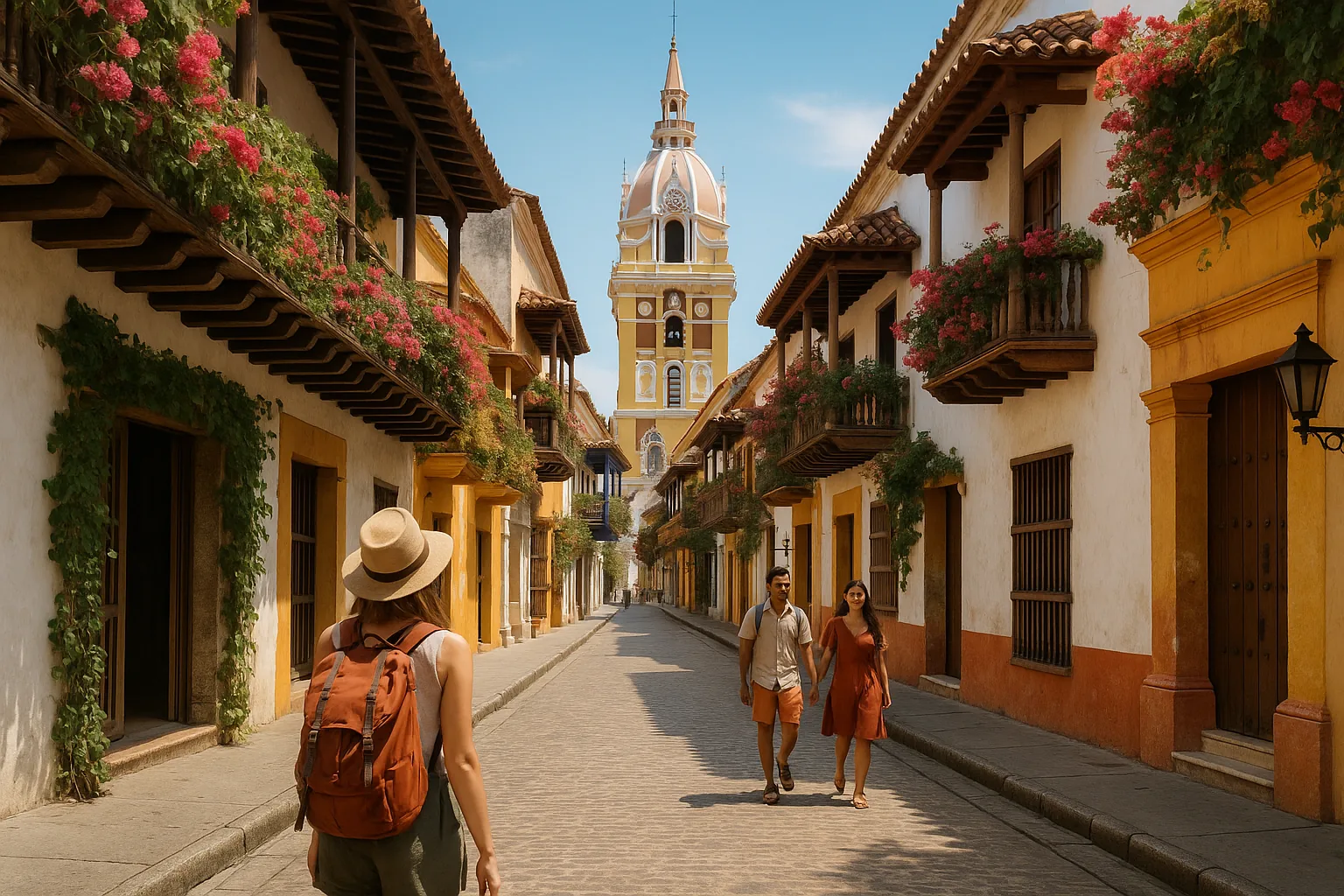
The Islas del Rosario sit in the Caribbean Sea off the coast of Cartagena, and they represent a very different side of the Colombian coast — one defined by clear water, coral ecosystems, and a sense of being genuinely out to sea. Most visitors reach the islands on a day trip from Cartagena, though staying overnight is possible for those who want a longer experience.
For accommodation, the islands have developed a small but interesting hostel and eco-lodge scene. Options on Rosario Island start from around €33.66 per night, positioning them at the slightly higher end of the Colombian hostel market — which makes sense given the logistics of getting everything to an island. The eco-lodge model dominates here, with properties designed to sit lightly on a fragile marine environment. Expect solar panels, composting systems, and a general philosophy of low-impact travel.
Planning a day trip from Cartagena to the Rosario Islands requires some advance thought. Boat services leave from the city’s tourist dock in the morning, and the journey takes roughly an hour and a half depending on conditions. It’s worth booking through your hostel in Cartagena rather than just showing up at the dock, where prices and quality can vary considerably. Your hostel’s front desk will usually have reliable contacts and can help you avoid the more aggressive touts who target independent travelers.
👉 Read also: Central America's Caribbean Coast: Where to Stay in Santa Marta, Bacalar & Tayrona
The islands are genuinely beautiful, but it’s worth going in with realistic expectations. Like many Caribbean reef systems, the coral has faced environmental pressures over the years, and conditions can vary. The experience is still worth it — the water is clear, the pace is slow, and being out on the open Caribbean with the Colombian coast in the distance is a feeling that’s hard to replicate anywhere else.
Santa Marta as Your Hub: Practical, Underrated, and Full of Character
If you’re moving along the coast between destinations, Santa Marta deserves more credit than it typically gets. It’s often treated as a transit point — somewhere you pass through on the way to Tayrona or Palomino — but the city itself has a colonial center, a lively waterfront, and a hostel scene that punches well above its weight.
Staying in Santa Marta gives you access to the whole northern coast. Tayrona is roughly an hour away by bus or shared taxi. Minca is a short ride up into the hills. Taganga is just around the headland. And the city’s bus connections make it easy to move east toward Palomino or west toward Cartagena without backtracking unnecessarily. For Colombia Caribbean coast hostels, Santa Marta offers some of the best value in the region, with a concentration of well-run properties in the historic center that cater specifically to backpackers and independent travelers.
The city also gives you a taste of Colombian coastal life that’s less filtered through tourism than Cartagena. The markets are real markets. The restaurants serve food that locals actually eat. The streets have a rhythm that belongs to the city itself rather than to the tourist economy. Spend an extra day here and you’ll leave with a more complete picture of what the Caribbean coast actually feels like to live in.
Building Your Route: How to Connect the Dots
The beauty of the Colombia Caribbean coast for backpackers is that the destinations connect logically and the transport infrastructure — while not always glamorous — works. A sensible route might start in Cartagena, where you can spend a few days exploring the walled city and organize a day trip to the Rosario Islands, before heading east to Santa Marta as your base for Tayrona and Minca. From Santa Marta, moving further east to Palomino adds a few days of beach time before you either continue toward La Guajira or loop back.
The full 15-day version of this route — starting in Cartagena, moving through the coast towns, taking in Tayrona, and ending with a Rosario Islands day trip — gives you a genuinely comprehensive experience without feeling rushed. But even a tighter 10-day version, focusing on Santa Marta, Tayrona, and Palomino, delivers more than enough to make the trip worthwhile.
When it comes to Colombia Caribbean coast hostels, the key is booking a few nights in advance during high season (especially for Tayrona, where capacity is genuinely limited) while leaving room for spontaneity in the quieter spots. Palomino and Taganga rarely require advance booking outside of holidays. Cartagena and Santa Marta hostels fill up faster, particularly on weekends. A rough rule of thumb: book the first and last nights of each leg, and stay flexible in between.
Other practical destinations worth knowing about include Ciudad Perdida — the Lost City Trek — which departs from Santa Marta and takes several days to complete. It’s one of the most rewarding multi-day hikes in all of South America, and many travelers build their entire Caribbean coast trip around it. Your Santa Marta hostel will almost certainly be able to connect you with a reputable operator. For more on planning your broader Colombian adventure, Practical Wanderlust’s Colombia hostel guide is a reliable, well-researched starting point.
Colombia’s Caribbean coast isn’t just a backdrop for good photos — though you’ll take plenty. It’s a place where the landscape shifts dramatically every few hours, where the people you meet in a hostel common room become your hiking partners the next morning, and where the combination of jungle, history, and open sea creates something that stays with you long after you’ve packed up and moved on. Show up curious, travel slowly when you can, and let the coast do the rest.
This article was produced with AI assistance and reviewed editorially.


Adventure Beyond the Beach: Things to Do in Jeju, South Korea & Tayrona Park, Colombia

Where to Stay in 2026: Budget Accommodation Guides for Vancouver, Wellington, Bruges & Andorra


