
Colombia
Tayrona National Park, Colombia: Best Hostels & How to Base Yourself on the Caribbean Coast
Find the best hostels near Tayrona National Park and learn how to base yourself in Santa Marta, Taganga, or nearby towns for easy park access and Caribbean coast explorat

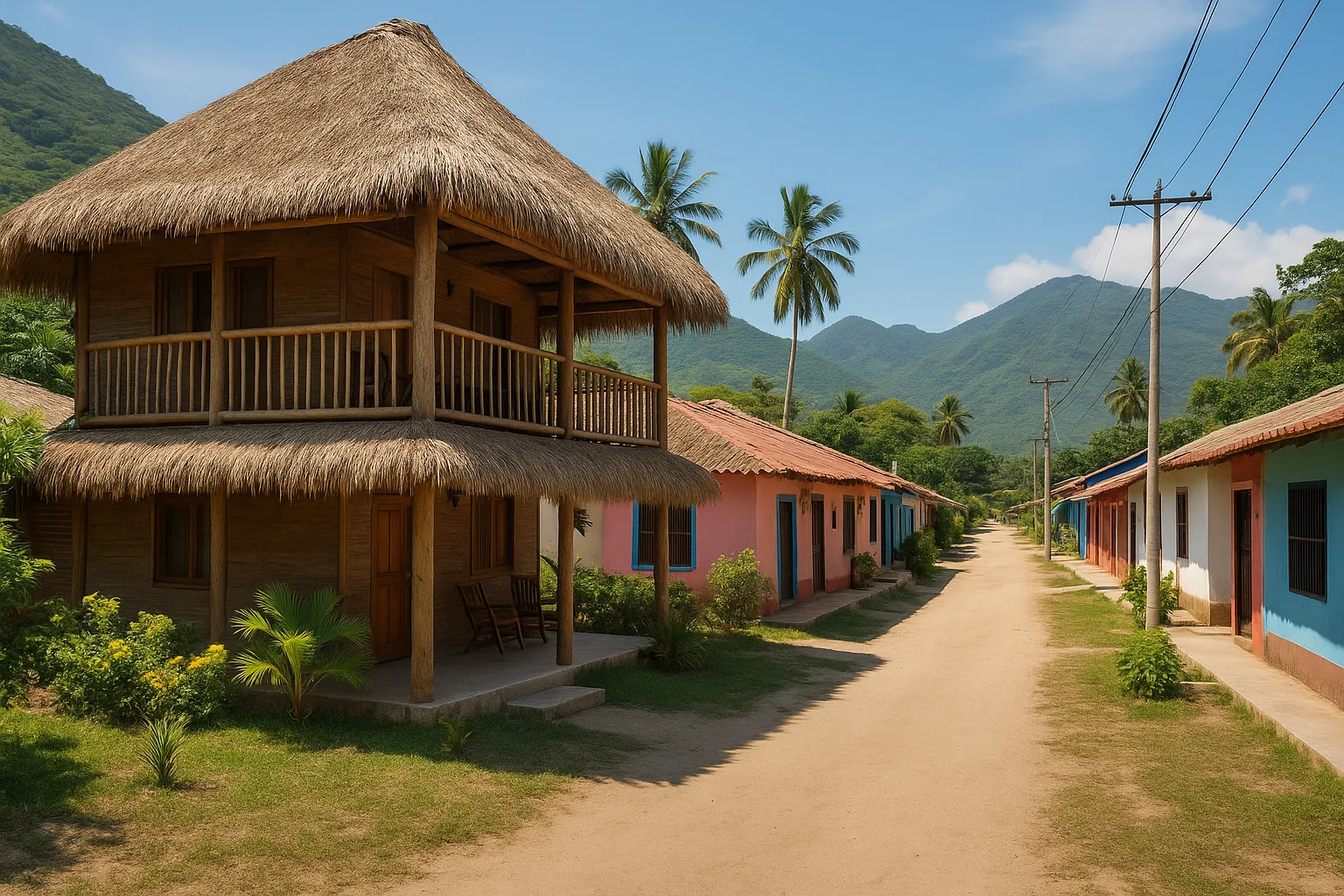
Colombia’s Caribbean coast has a way of getting under your skin — and nowhere does that more completely than the stretch of jungle, white sand, and turquoise water that makes up Tayrona National Park. If you’re trying to figure out the best hostels near Tayrona National Park and how to actually base yourself without wasting days on bad logistics, you’re in the right place. The park is one of South America’s most spectacular natural areas, but getting your accommodation strategy right makes the difference between a trip that flows effortlessly and one spent sweating on the wrong side of a bus route.
Why Tayrona Deserves More Than a Quick Day Trip
Tayrona National Park sits on Colombia’s Caribbean coast, close to the city of Santa Marta, and it’s the kind of place that travel writers keep coming back to. Thomas Espeute, who has visited the park many times, has noted how its popularity has grown rapidly over the years — and it’s easy to see why. The park packs an extraordinary range of landscapes into one protected area: dense tropical jungle gives way to enormous granite boulders, and those boulders tumble down into some of the most photogenic beaches you’ll find anywhere in the Americas.
But here’s the thing about Tayrona: it rewards slow travelers. The people who get the most out of it aren’t the ones who arrive at dawn, sprint to the nearest beach, and catch the last bus back to Santa Marta. They’re the ones who stay long enough to watch the light change over the water, who hike the quieter trails before the crowds arrive, and who actually connect with the place rather than just photograph it. That means choosing your base wisely — and that’s where hostel strategy becomes genuinely important.
Understanding the Geography Before You Book
Before you start comparing beds and breakfast options, it helps to understand how the area is actually laid out. Santa Marta is the nearest city and the main transport hub — it’s where most travelers fly in, and it offers the widest range of accommodation, restaurants, and services. From Santa Marta, you can reach the park’s main entrance in roughly an hour by bus or shared taxi.
But Santa Marta isn’t your only option. The nearby towns and communities worth knowing about include:
- Taganga — a small fishing village just a few kilometres from Santa Marta, known for its relaxed vibe and proximity to dive sites
- Buritaca — a quieter community closer to the park’s eastern edge, popular with travelers who want to avoid the main tourist flow
- Costeño Beach — a laid-back stretch of coast that draws surfers and travelers looking for something more off-the-beaten-path
- Los Naranjos — a small settlement even closer to the park, ideal if you want to minimize travel time and maximize time inside Tayrona itself
Each of these bases has a genuinely different feel. Understanding that difference is the key to choosing where to stay — because the right answer depends entirely on what kind of trip you’re after.
The Best Hostels Near Tayrona National Park, by Base
Travel writer Phoebe Vickers, who slow-travelled overland from Mexico all the way down to Colombia, spent time hopping between hostels in three of the most popular areas surrounding the park: Buritaca, Costeño Beach, and Los Naranjos/Santa Marta. That kind of hands-on comparison is exactly what you need when you’re planning a trip like this, and her experience reflects what many independent travelers discover — that spreading your time across more than one base gives you a much richer experience of the region.
👉 Read also: Central America's Caribbean Coast: Where to Stay in Santa Marta, Bacalar & Tayrona
Santa Marta and Los Naranjos
Santa Marta makes sense as a starting point for most travelers. It’s well-connected, easy to navigate, and has a growing hostel scene that caters well to backpackers and young independent travelers. If you’re flying in or arriving by bus from Cartagena or Medellín, you’ll almost certainly pass through here anyway.
For those who want to push even closer to the park, Los Naranjos is worth serious consideration. The Magdalena Beach House is based here and offers a genuinely local feel — you’re essentially living right on the doorstep of Tayrona, which means early morning access to the park before the day-trip crowds arrive from the city. That alone can transform your experience of the beaches inside.
Costeño Beach
Costeño Beach has built a reputation as one of the more soulful places to stay in this part of Colombia. It’s a proper surf community — the kind of place where days blur into evenings over hammocks and shared meals, and where you’ll meet travelers who came for a night and stayed for a week. If you’re not in a rush and you want your accommodation to feel like part of the adventure rather than just a place to sleep, this is a strong contender.
Buritaca
Buritaca sits on the eastern side of the park and tends to attract travelers who are either heading toward or returning from the Ciudad Perdida trek — the multi-day jungle hike to the ancient Lost City. If you’re planning to combine Tayrona with that adventure (and you absolutely should consider it), Buritaca positions you well for both experiences without having to constantly commute back to Santa Marta.
Top-Ranked Options to Know
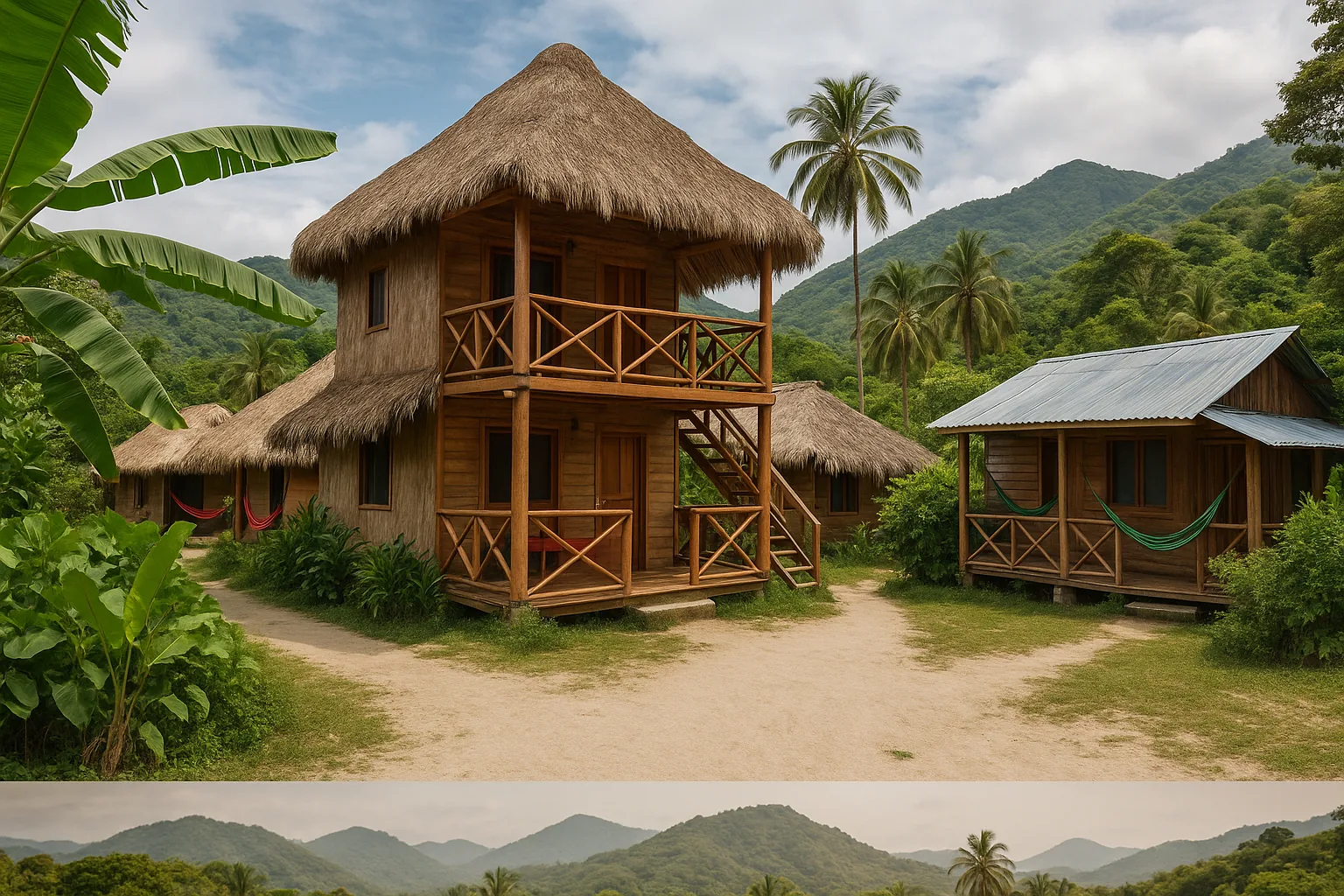
When it comes to specific properties, a few names consistently rise to the top. Masaya Tayrona & Beach Club is currently ranked the number-one best value hostel in the Tayrona National Park area according to TripAdvisor, out of twelve listed properties — a strong signal that it’s doing something right. The Valley Tayrona holds the second spot and is worth looking at if Masaya is full or doesn’t quite match your vibe.
For solo travelers specifically, Kimara Hostel comes highly recommended as a social option — the kind of place where you’ll actually meet people rather than just share a dorm with strangers. And for female solo travelers in particular, Eco Hostal Yuluka gets strong recommendations for its atmosphere and the sense of community it creates. Choosing a hostel that matches your travel style isn’t just about comfort — it’s about the people you’ll meet and the memories you’ll build.
Day Trip Logistics vs. Staying Inside the Park
One of the biggest decisions you’ll face is whether to stay outside the park and visit on day trips, or to book accommodation inside Tayrona itself. Both approaches have real merit, and the right choice depends on your priorities.
👉 Read also: Caribbean Escapes: Where to Stay in the Dominican Republic, Anguilla & Puerto Rico
Staying outside the park — in a hostel in Santa Marta, Taganga, or one of the smaller communities — gives you more flexibility, more social options, and generally more affordable accommodation. You can explore the wider region, eat at local spots, and use your base as a hub for multiple activities beyond just the park. The trade-off is that you’ll spend time each day on transport, and you’ll be arriving at the park after the first wave of visitors.
Staying inside the park is a different experience entirely. There are eco-lodges and camping options within Tayrona’s boundaries, and waking up inside the jungle — hearing the howler monkeys before sunrise, walking to the beach before anyone else arrives — is genuinely special. The downside is cost and limited availability. Inside-the-park accommodation books up quickly, especially during Colombian school holidays and the December-to-January high season.
A smart approach many experienced travelers use: spend two or three nights in a hostel outside the park to get your bearings, explore the surrounding area, and connect with other travelers — then book a night or two inside the park to experience that sunrise magic without the commute.
Beyond the Park: What Else to Do on the Caribbean Coast
Tayrona is the headline act, but the Caribbean coast around Santa Marta has enough depth to fill a much longer trip. Here’s what’s worth building into your plans:
- Diving and snorkeling near Taganga — The small village of Taganga has long been a hub for affordable scuba diving. The waters around this part of the coast are warm and relatively clear, and there are dive schools catering to beginners and certified divers alike. It’s not the Caribbean’s most dramatic diving, but it’s genuinely enjoyable and very accessible.
- The Ciudad Perdida trek — This multi-day hike through the Sierra Nevada jungle to the ancient Ciudad Perdida (Lost City) is one of Colombia’s most rewarding adventures. It’s more demanding than Tayrona’s trails but deeply worthwhile. Most tours depart from Santa Marta.
- Minca — A small mountain village in the Sierra Nevada, just a short journey from Santa Marta, Minca is the perfect antidote to beach fatigue. Coffee farms, waterfalls, birding, and cool mountain air make it a genuinely refreshing detour.
- Santa Marta’s historic center — Often overshadowed by Cartagena, Santa Marta’s old city has real character. The Parque de los Novios comes alive in the evenings, and the local food scene is worth exploring properly.
- Local markets and street food — The Caribbean coast has its own distinct culinary identity within Colombia. Look for arepas de huevo, fresh fish, and tropical fruits you won’t find anywhere else.
Practical Tips for Planning Your Stay
A few things that will genuinely improve your experience in this part of Colombia:
- Book ahead during high season. The park has visitor limits, and popular hostels in the surrounding area fill up fast between December and January, and again during Semana Santa (Easter week). If you’re traveling during these periods, don’t leave accommodation to chance.
- Arrive early at the park entrance. Regardless of where you’re staying, getting to the park early makes a significant difference. The trails and beaches are quieter, the light is better for photography, and the heat is far more manageable.
- Pack light for park days. You’ll be hiking to reach most of the beaches inside Tayrona — sometimes for an hour or more each way. A heavy pack will make that much less enjoyable. Leave your big bag at your hostel and travel with a daypack.
- Respect the natural environment. Tayrona is a protected area for good reason. Stay on marked trails, don’t take anything from the beach, and follow the park’s rules about camping and waste. The park’s health depends on visitors taking this seriously.
- Learn some basic Spanish. Outside of the most tourist-heavy spots, English is not widely spoken. Even a few phrases will open doors, make interactions warmer, and help you navigate transport more easily.
- Check park closure dates. Tayrona closes for several days each year for environmental recovery — usually in February and June, though dates can shift. Always check current information before you finalize your plans. The Parques Nacionales Naturales de Colombia website is the official source for current access information.
How to Choose Your Base: A Simple Framework
Still not sure which area is right for you? Here’s a straightforward way to think about it:
- Choose Santa Marta if you want the most flexibility, the best transport connections, and a mix of city life and nature access.
- Choose Taganga if you’re interested in diving, want a village atmosphere, and don’t mind being slightly further from the park’s main entrance.
- Choose Costeño Beach if you want a surf-and-hammock vibe, slower days, and a more community-oriented hostel experience.
- Choose Buritaca if you’re combining Tayrona with the Ciudad Perdida trek or want to explore the park’s less-visited eastern areas.
- Choose Los Naranjos if proximity to the park is your top priority and you want to minimize daily travel time.
There’s no wrong answer here — just different versions of a genuinely great trip. The Caribbean coast around Tayrona is forgiving in that way. Even a poorly planned visit tends to produce good memories, because the landscape and the energy of the place carry you. But a well-planned one? That’s the kind of journey you’ll still be talking about years later, pulling out photos on a rainy afternoon somewhere far from the tropics and feeling that familiar pull to go back.
This article was produced with AI assistance and reviewed editorially.


Cusco and Peru’s Sacred Valley: Choosing the Right Hostel for Your Altitude Adventure

Colombia’s Caribbean Coast: Hostels, Beaches, and Adventures in Tayrona and the Rosarios Islands


