
Peru
Peru’s Hidden Valleys: Sacred Valley, Lima & Mountain Towns Beyond the Tourist Trail
Explore Peru beyond Machu Picchu with this travel guide covering the Sacred Valley’s trekking culture, Lima’s food neighborhoods, and authentic mountain towns like Huaraz

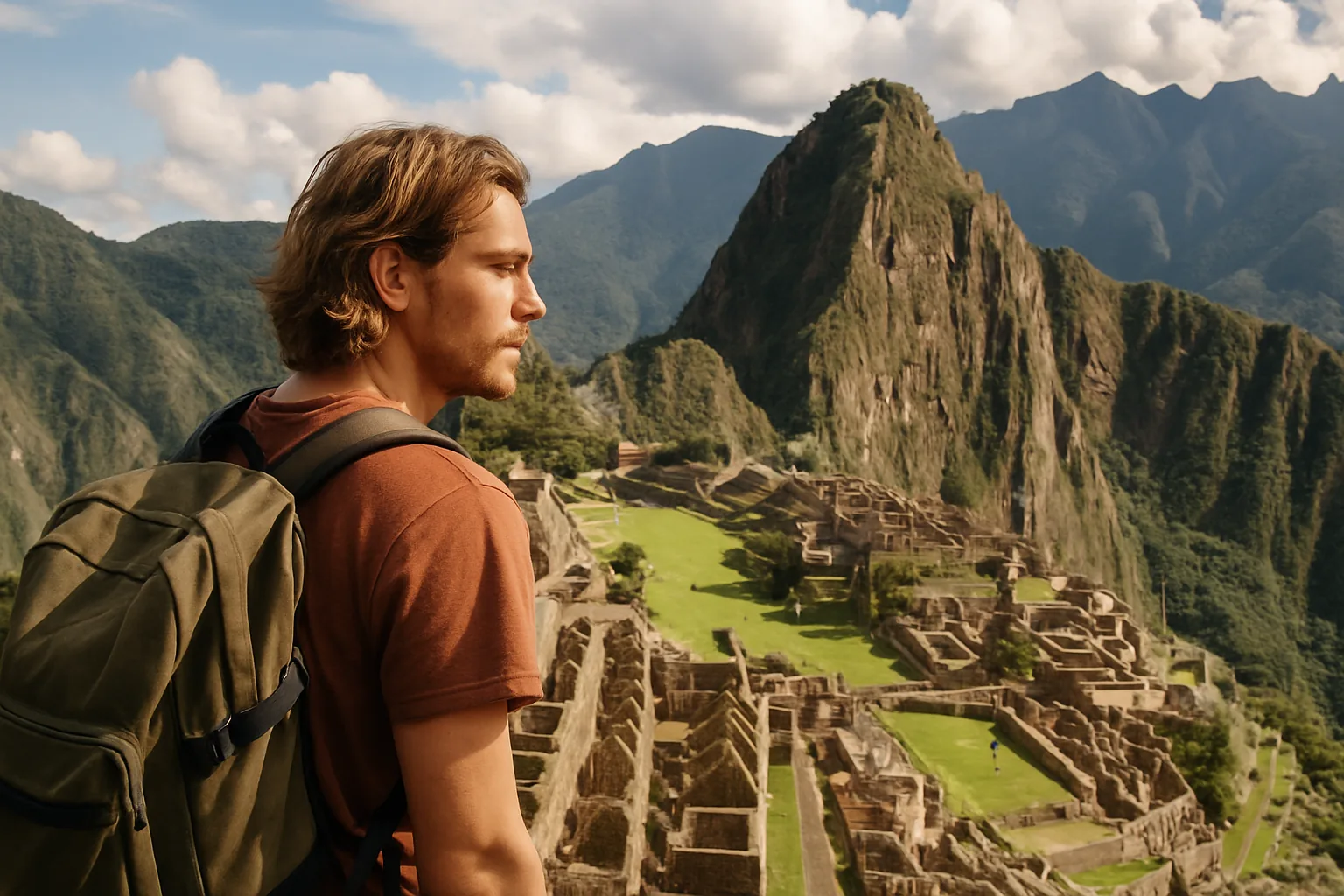
Peru is one of those destinations that gets under your skin long before you arrive. You’ve seen the photos of Machu Picchu, heard the stories about the food, maybe even started a playlist of Andean music you don’t fully understand yet — and still, nothing quite prepares you for the real thing. Whether you’re building your first peru travel guide itinerary or returning to dig deeper into a country you barely scratched the surface of last time, Peru rewards curiosity in ways few places can match. From the lush river valleys north of Cusco to the coastal buzz of Lima and the raw alpine drama of the Andes, this is a country that genuinely has something to offer every kind of traveler.
Why Peru Belongs on Your Travel Radar Right Now
Peru sits at a remarkable crossroads — literally and culturally. Bordered by the Pacific Ocean to the west, Ecuador and Colombia to the north, Brazil to the east, and Bolivia and Chile to the south, it’s one of South America’s most geographically diverse countries. That diversity isn’t just a line on a map. It translates into radically different landscapes, climates, and cultures within a single country. You can be standing on a Pacific beach one day, navigating Andean mountain passes the next, and drifting through the Amazon basin by the end of the week.
For young travelers, that variety is a gift. Peru isn’t a destination you “complete” — it’s one you keep returning to. And the deeper you go, the more you realize how much the mainstream tourist trail misses. The country’s soul lives in its communities, its markets, its street food, and its landscapes that still feel genuinely wild.
The Sacred Valley: More Than a Stop Between Cusco and Machu Picchu
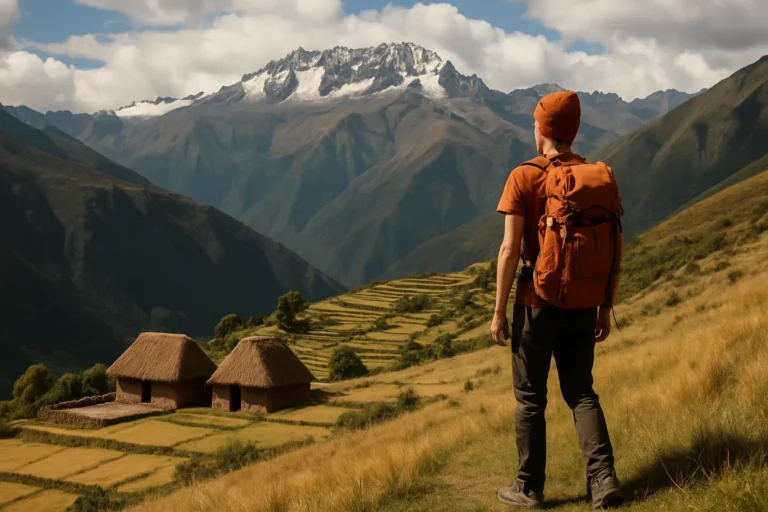
Most travelers treat the Sacred Valley as a corridor — something to pass through on the way to Machu Picchu. That’s a mistake. Located north of Cusco, nestled between the ancient Inca capital and the famous citadel, this lush river valley surrounded by soaring Andean peaks deserves far more than a day trip. Give it three days at minimum. Give it a week if you can.
The valley preserves Andean traditions in a way that feels lived-in rather than performed. Sacred Valley villages like Misminay, Amaru, Viacha, and Huilloc are home to indigenous communities whose daily life has been shaped by centuries of history — and who are genuinely open to sharing it with curious visitors who show up with respect rather than a camera pointed in someone’s face. This is where experiential travel actually means something.
Pisac: Markets, Ruins, and Early Mornings
Pisac is one of the valley’s most rewarding stops, and it rewards people who get up early. The archaeological site here is genuinely impressive — terraces carved into steep hillsides, cliff-hugging paths that wind between ceremonial plazas and agricultural zones, all of it set against a backdrop that makes it hard to believe this was built without modern machinery. Spend a morning up there before the tour groups arrive and you’ll understand why people keep coming back.
Then come down to town, because Pisac’s Andean market kicks into high gear on Sunday mornings, and it’s one of the most vibrant markets in the entire region. You’ll find textiles, ceramics, fresh produce, and local food — the kind of market where locals shop alongside travelers, which always makes for a more interesting experience than the purely tourist-facing version. Pick up something handmade, try something you can’t identify, and let yourself get a little lost.
Ollantaytambo and the Living Inca Town
Ollantaytambo is another archaeological site in the valley, but what makes it special is the town itself. The streets follow the original Inca grid. Water channels still run through the cobblestone lanes. People live here, in houses built on Inca foundations, going about their day in a place that has been continuously inhabited for over five centuries. Walking through Ollantaytambo feels less like visiting a museum and more like stepping into an ongoing story.
It’s also the departure point for the train to Aguas Calientes and Machu Picchu, which means it can get busy — but arrive the evening before, stay the night, and you’ll see a completely different side of the place once the day-trippers have gone.
👉 Read also: Where to Stay in Lima, Peru: Neighborhoods That Match Your Travel Vibe
Salt Ponds, Kayaking, and Hidden Treks
The Salineras de Maras are one of those places that genuinely stop you in your tracks. More than 3,000 terraced salt ponds built into the hillsides over 1,000 years ago, still in use today, still harvested by local families who have worked them for generations. The visual effect — especially in the late afternoon light — is extraordinary. Salt pools of pink, white, and amber cascading down the mountainside like something out of a dream. It’s a short detour from the main valley route and absolutely worth it.
If you want to get active, Huaypo Lake offers kayaking in a setting that feels far removed from the tourist circuit. And for trekkers, the Huchuy Qusqo route delivers a solid one-day trek through highland meadows, with ruins at the end and views that justify every uphill step. It’s a good option if you want to experience Andean trekking without committing to a multi-day expedition.
Lima: A City That Deserves More Than a Layover
Lima has a reputation problem. For years, travelers flew in, spent one night near the airport, and moved on. That’s changing — and rightly so. Lima is one of the most exciting cities in South America, with a food scene that has earned serious international attention, a coastline that defines the city’s rhythm, and neighborhoods that each feel like a different world.
Miraflores is the polished, walkable district most travelers land in first. It’s comfortable, well-connected, and sits on cliffs above the Pacific — the sunset views from the malecón (the clifftop promenade) are genuinely spectacular. It’s a good base, especially for first-time visitors, with plenty of accommodation options across different budgets and easy access to transport.
But if you want to feel the city’s pulse, head to Barranco. This is Lima’s bohemian neighborhood — colorful colonial houses, street art, independent cafés, and a music scene that comes alive at night. The Puente de los Suspiros (Bridge of Sighs) is one of those spots that sounds touristy but is actually lovely, especially in the early evening when the light turns golden and the neighborhood starts to wake up. Barranco is where you’ll find younger locals, creative energy, and the kind of bars and restaurants that feel genuinely rooted in the city rather than designed for visitors.
For food, Lima is extraordinary. Ceviche here is not just a dish — it’s a cultural institution. Fresh fish cured in lime juice, mixed with red onion, ají chili, and cilantro, served with choclo (large-kernel corn) and cancha (toasted corn). Eat it at a cevichería at lunch, the way locals do. Don’t wait for dinner — ceviche is a midday meal in Lima, and the best spots often run out by mid-afternoon. Beyond ceviche, explore lomo saltado, causa, anticuchos (grilled beef heart skewers from street stalls), and the extraordinary range of chifa — the Peruvian-Chinese fusion cuisine that developed from generations of Chinese immigration and is now completely its own thing.
Huaraz: For Travelers Who Want the Real Mountains
If you’ve come to Peru for the mountains and found the Sacred Valley a little too polished, Huaraz is your answer. Sitting in the Callejón de Huaylas valley in the Ancash region, Huaraz is surrounded by the Cordillera Blanca — one of the highest tropical mountain ranges in the world. The peaks here are genuinely dramatic, with glaciers, turquoise lakes, and trails that challenge even experienced trekkers.
The Laguna 69 trek is one of the most popular day hikes in the region, and for good reason — the lake at the end, an almost impossibly vivid blue set against snow-capped peaks, is the kind of sight that makes the altitude-induced struggle worthwhile. For something more demanding, the Santa Cruz Trek is a multi-day route through the Cordillera Blanca that consistently ranks among the best trekking experiences in South America. It’s challenging, high-altitude, and genuinely remote in stretches — exactly what a lot of young travelers are looking for.
Huaraz itself is a small, unpretentious mountain town with a strong backpacker community and a good selection of budget accommodation and gear rental shops. It’s the kind of place where you end up staying longer than planned, partly because the hiking keeps revealing new routes, and partly because the atmosphere — relaxed, adventurous, full of people who are there for the right reasons — is genuinely enjoyable.
👉 Read also: Cusco and Peru's Sacred Valley: Choosing the Right Hostel for Your Altitude Adventure
Piura and Peru’s Regional Diversity
Most peru travel guide itineraries ignore the north entirely. That’s understandable — Cusco, the Sacred Valley, and Machu Picchu are genuinely world-class — but it means missing a completely different side of the country. Piura, in Peru’s northwestern corner close to the Ecuadorian border, offers a taste of coastal and desert Peru that feels far removed from the Andean experience.
The landscape around Piura shifts between desert, agricultural valleys, and coastline. The regional food is distinct — seco de cabrito (slow-cooked goat stew), ceviche de conchas negras (black clam ceviche), and natilla (a sweet caramel dessert) are local specialties you won’t find in the same form further south. The nearby beaches, particularly around Máncora, attract surfers and travelers looking for a low-key coastal scene with warm water and long stretches of sand.
Traveling through Piura gives you a sense of how genuinely diverse Peru is — not just in landscape but in culture, dialect, food, and daily rhythm. It’s the kind of regional travel that makes you realize a country isn’t just its highlight reel.
Practical Advice for Getting Around and Staying Smart
Peru is a well-established destination for independent travelers, and getting around is more straightforward than its size might suggest. Long-distance buses are the backbone of budget travel here — comfortable overnight buses connect Lima to Cusco, Huaraz, Piura, and most other major destinations. Companies vary in quality, so it’s worth paying a little more for a reputable operator, especially on longer routes through mountain terrain.
For the Sacred Valley specifically, shared colectivos (minibuses) run regularly between Cusco, Pisac, and Ollantaytambo and are both cheap and efficient. They’re how locals travel, which means they’re also a good way to meet people and get a feel for daily life in the valley.
On accommodation: Peru has a strong hostel culture, particularly in Cusco, Lima, Huaraz, and the Sacred Valley. Hostels here tend to be social, well-organized, and genuinely good value — many have private rooms as well as dorms, which gives you flexibility depending on your budget and mood. In smaller towns and villages, family-run hospedajes are often the best option — affordable, personal, and usually run by people who are happy to give you local advice that no guidebook has.
One practical note: altitude sickness is real. Cusco sits at roughly 3,400 metres above sea level, and the Sacred Valley, while lower, still demands acclimatization. Arrive a day or two before any serious hiking, drink plenty of water, go easy on alcohol initially, and take the ascent seriously. Mate de coca (coca leaf tea) is widely available and genuinely helps with the adjustment — it’s a local remedy with a long history in the Andes.
Making the Most of Your Time: A Rough Itinerary Framework
Two weeks is a solid amount of time for a first trip, though Peru will make you wish you had more. A workable framework for a peru travel guide itinerary might look something like this:
- Days 1–3: Lima — Arrive, recover from the flight, explore Miraflores and Barranco, eat as much ceviche as possible.
- Days 4–6: Sacred Valley — Base yourself in Ollantaytambo or Pisac, visit the ruins and markets, do the Huchuy Qusqo trek, see the Salineras de Maras.
- Day 7: Machu Picchu — Take the train from Ollantaytambo, arrive early, stay the night in Aguas Calientes to catch the site in the morning light.
- Days 8–10: Cusco — Explore the city, visit the surrounding sites, acclimatize properly before any altitude activities.
- Days 11–14: Huaraz or north — Fly or bus to Huaraz for mountain trekking, or head north toward Piura and the coast for a completely different experience.
That framework is flexible by design. Peru rewards spontaneity. If you arrive in Pisac on a Saturday evening and realize the Sunday market is the next morning, stay. If someone at your hostel in Huaraz tells you about a lake trail that’s not in any guidebook, go. The best moments in Peru — as in most places worth visiting — tend to be the ones you didn’t plan.
What makes Peru such a compelling destination for young travelers isn’t any single site or experience. It’s the combination: the depth of history, the extraordinary food, the landscapes that shift from coast to mountain to jungle within a few hours, and the communities that have been here for centuries and are still shaping what this country means. Come with an open schedule, a genuine curiosity, and a willingness to slow down — and Peru will give you stories you’ll still be telling years from now. You can find more inspiration and planning resources through Peru’s official tourism portal, which covers regional highlights, entry requirements, and seasonal travel advice.
This article was produced with AI assistance and reviewed editorially.


Peru’s Hidden Valleys: Sacred Valley, Lima & Mountain Towns Beyond the Tourist Trail

Cairo & Giza in 2026: What’s Actually Changed


