
Colombia
Is Colombia Safe in 2026? What Young Travelers Actually Need to Know
Colombia is safe for most travelers visiting main tourist destinations. Learn current safety by region, neighborhoods to avoid, and practical precautions for 2026.

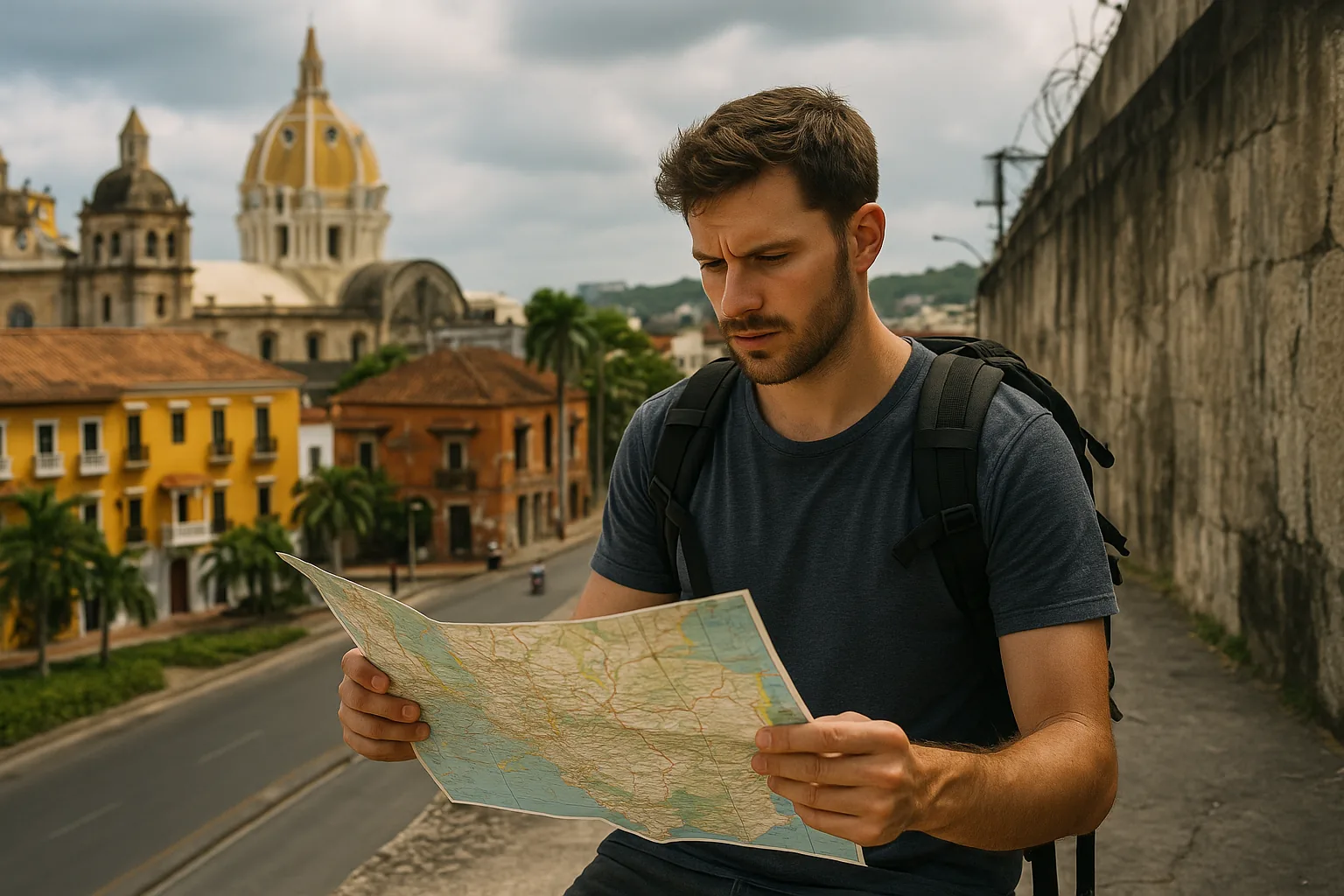
Colombia sits at an interesting crossroads right now — a country that has genuinely transformed over the past decade, yet still carries the weight of outdated stereotypes that keep some travelers away. If you’ve been wondering whether Colombia is safe for travelers in 2026, the honest answer is: yes, for most people visiting the main tourist destinations, it absolutely can be — but like any destination, it rewards those who go in informed rather than oblivious. The country’s vibrant cities, Caribbean coastline, lush coffee farms, and Amazon edges are drawing millions of curious young visitors every year, and most of them come home with stories they can’t stop telling.
The Real Picture: How Colombia Has Changed
The Colombia of Netflix documentaries and 1990s news headlines is not the Colombia you’ll walk through today. The civil war between the Colombian government and FARC rebels officially ended in 2016, marking a turning point that allowed the country to redirect energy toward rebuilding its reputation, infrastructure, and tourism industry. That transformation has been dramatic and visible, especially in cities like Medellín, which has reinvented itself into one of Latin America’s most talked-about urban destinations.
That doesn’t mean Colombia is without challenges. The U.S. Embassy issued a Level 3 Travel Advisory for Colombia as of March 2026 — “Reconsider Travel” — which places it alongside a number of other countries that travelers visit without issue every single day. A Level 3 advisory doesn’t mean “don’t go.” It means go carefully, stay informed, and avoid specific high-risk areas. Understanding the difference matters enormously if you want to make a smart, confident decision.
What the advisory reflects is that certain regions of Colombia — particularly remote border areas, jungle zones near Venezuela, and some rural departments — still experience activity from armed groups and drug trafficking organizations. The key word is certain. The Colombia that young backpackers, digital nomads, and adventurous travelers actually explore looks very different from those risk zones.
Safety by Region: Where to Go and What to Know
Bogotá, the capital, is a city of contrasts. The historic La Candelaria neighborhood is packed with colorful murals, colonial architecture, and excellent museums. The upscale Zona Rosa and Chapinero neighborhoods buzz with restaurants, rooftop bars, and creative spaces. Like any major capital city, Bogotá has areas that are safer than others, and petty theft — particularly phone snatching and pickpocketing — is the most common concern in crowded or poorly lit areas. Walking around at night in unfamiliar neighborhoods without local guidance isn’t recommended. But staying in well-trafficked tourist and backpacker zones, using registered taxis or ride-share apps, and keeping your valuables out of sight goes a long way.
Medellín is arguably the country’s biggest success story. Once considered one of the world’s most dangerous cities, it has undergone a remarkable urban transformation. Today, travelers explore its innovative metrocable system, visit the free Botero Plaza sculptures, take street art tours through El Poblado and Laureles, and connect with locals in a way that feels genuinely warm. El Poblado is the most popular area for international visitors — it’s lively, walkable, and well-serviced. Laureles is increasingly popular with travelers looking for a slightly more local, less touristy feel. As with Bogotá, certain older or more peripheral neighborhoods carry higher risk, so local advice and common sense are your best tools.
👉 Read also: Safety First: Is It Safe to Travel to Cyprus, Baja California & Other Popular Destinations in 2026?
The Caribbean Coast — particularly Cartagena and Santa Marta — is where Colombia’s colonial charm meets turquoise water. Cartagena’s walled city is one of the most photographed places in South America for good reason: the pastel-painted buildings, bougainvillea-draped balconies, and cobblestone streets feel almost surreal. It’s heavily touristed, which means it’s also well-policed in the central areas. Santa Marta serves as the gateway to Parque Nacional Natural Tayrona, one of the most stunning coastal parks on the continent. Palomino, a laid-back beach town nearby, has become a favorite for travelers who want to slow down and connect with the coast’s more relaxed rhythm.
The Coffee Region (Eje Cafetero) — towns like Salento, Filandia, and the Valle de Cocora with its towering wax palms — is widely considered one of the safest and most rewarding parts of Colombia to explore. The pace here is slower, the landscapes are extraordinary, and the locals have decades of experience welcoming curious travelers. It’s the kind of place where you hike through misty mountains in the morning and sip a freshly brewed cup of some of the world’s best coffee by afternoon.
The Amazon region is a different story. It’s genuinely remote, and accessing it requires planning, usually through organized tours departing from Leticia. Traveling independently into remote jungle areas is not advisable — not because of crime specifically, but because of the logistical and environmental challenges. Stick to reputable operators, and the Amazon can be one of the most awe-inspiring experiences of your life. Winging it alone into the jungle is a different proposition entirely.
Common Risks and How to Stay Ahead of Them
Petty theft is the most common issue travelers face in Colombia’s cities. Phone snatching — often from motorcycles — happens in busy areas. Keeping your phone in your pocket rather than in your hand while walking, using a crossbody bag that sits in front of you, and avoiding flashy jewelry are simple habits that make a real difference. Don’t walk around with your laptop visible in a busy public square. Don’t count cash in the street. These aren’t Colombia-specific rules — they’re the basics of traveling smart anywhere in the world.
Scams targeting tourists do exist, and awareness is your best defense. One well-documented concern in Colombia is scopolamine (sometimes called “devil’s breath”), a drug that has been used to incapacitate victims. The risk is real but manageable: never accept drinks from strangers you’ve just met in a bar, be cautious about accepting food or cigarettes from people you don’t know, and use trusted, recommended venues rather than wandering into unknown spots late at night. Traveling with other people — even just one other person — significantly reduces your exposure to this kind of risk.
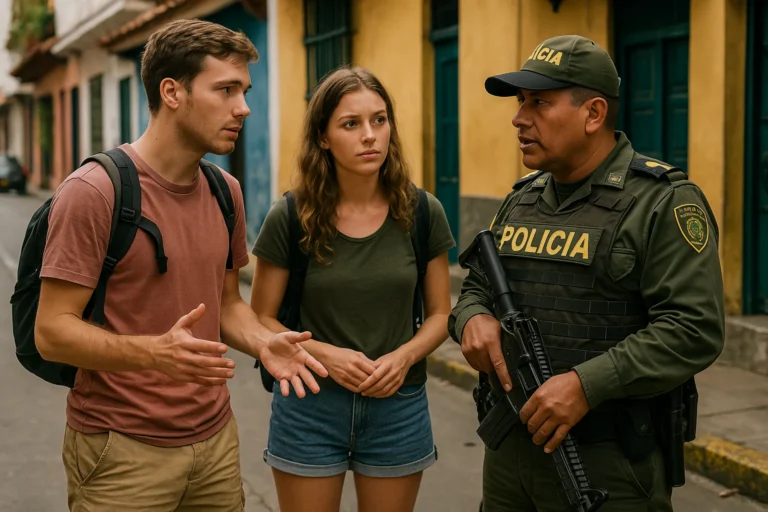
Fake police officers are another reported scam in tourist areas. If someone approaches you claiming to be a police officer and asks to check your belongings or passport, don’t hand anything over on the street. Real officers don’t conduct document checks that way. Ask to go to an official police station, or call for help. Knowing this in advance means you won’t be caught off guard.
For genuine emergencies, Colombia’s national emergency number is 123 — the equivalent of 911, covering police, fire, and ambulance services. The U.S. Embassy in Bogotá provides updated travel advisories and emergency contact information for American citizens, but travelers of all nationalities can use the same emergency number.
👉 Read also: Central & South America's Best-Kept Secrets: Granada, Quito & Colombia's Caribbean Coast
Local Perspectives: What People on the Ground Actually Say
One of the most valuable things you can do before visiting Colombia is listen to people who actually live and work there. Zebra Fisgona Tours, a women-owned local tour company based in Bogotá, was founded by Juani and Aleja and has been guiding international travelers through the city since 2018. Their perspective — and the perspective of guides like them — consistently reflects something that surprises first-time visitors: Colombians are genuinely proud of their country and genuinely happy to share it with curious, respectful travelers.
Local guides don’t just show you the landmarks. They show you context. They explain which streets to walk down and which to avoid after dark, which taxi apps are trustworthy, where to eat without worrying about tourist pricing, and how to interact with locals in a way that feels authentic rather than transactional. Booking even one or two tours with local operators — especially when you first arrive in a new city — is one of the smartest investments you can make as a traveler.
The online travel community has also been increasingly vocal about Colombia’s safety in recent years. Reddit threads, travel forums, and YouTube channels dedicated to Colombia travel regularly feature firsthand accounts from young travelers who went in nervous and came out converted. The recurring theme isn’t that Colombia is perfectly safe everywhere — it’s that informed travelers who follow basic precautions consistently have positive, even transformative experiences. Popular cities like Bogotá, Medellín, Cartagena, Santa Marta, and the Coffee Region continue to welcome millions of visitors every year, and that number keeps growing.
Practical Tips Before You Go
- Register with your country’s embassy before you travel. It takes five minutes and means your government can reach you in an emergency.
- Get travel insurance that covers medical evacuation. Colombia’s healthcare in major cities is generally good, but you want coverage if something goes wrong in a remote area.
- Download ride-share apps before you arrive — InDriver and Cabify are widely used in Colombia. Avoid hailing random taxis off the street, especially at night.
- Learn basic Spanish phrases. You don’t need to be fluent, but even a few words — gracias, cuánto cuesta, ayuda (help) — signal respect and make interactions smoother.
- Keep digital copies of your documents. Store your passport, visa, and insurance information in a secure cloud folder you can access from anywhere.
- Research your specific neighborhoods before booking accommodation. Read recent reviews, check travel forums, and ask your hostel or hotel staff directly about current local conditions.
- Trust your instincts. If a situation feels off, leave. You don’t owe anyone an explanation for removing yourself from something that doesn’t feel right.
- Connect with other travelers at hostels, on walking tours, and in co-working spaces. Colombia has a thriving backpacker community, and local knowledge travels fast through that network.
Is Colombia Worth It? An Honest Take
Asking is Colombia safe for travelers is the right question to start with — but it’s worth zooming out to ask the bigger one: what does Colombia actually offer, and is the experience worth the preparation it requires? The answer, for most young travelers, is a resounding yes.
Colombia offers a density of experiences that’s hard to match. In a single trip, you can dance cumbia at a street festival in Cartagena, hike through cloud forests to a lost city older than Machu Picchu, wander through Medellín’s street art scene, watch the sun set over the Andes from a coffee farm terrace, and swim in a freshwater river in the Amazon basin. The food — arepas, bandeja paisa, patacones, fresh tropical fruits you’ve never heard of — is extraordinary and affordable. The people are warm in a way that feels genuine rather than performative.
The travelers who struggle in Colombia are usually those who treat it carelessly — who go out alone late at night in unfamiliar areas, who flash expensive gear in crowded markets, who ignore local advice because they assume their travel confidence is enough. The travelers who thrive are those who go in curious, stay alert, and treat the country with the same respect they’d want shown to their own home. That’s not a Colombia-specific rule. That’s just what good travel looks like.
Colombia in 2026 is a country in motion — still working through complex challenges in some regions, but vibrant, welcoming, and genuinely exciting in the places where most travelers spend their time. Go with your eyes open, connect with locals, do your research, and give yourself the chance to be surprised. The Colombia you’ll actually experience is almost certainly more extraordinary — and more accessible — than the one you’ve been imagining.
This article was produced with AI assistance and reviewed editorially.


Volunteering in Mexico: Finding Authentic Community Work + Where to Base Yourself

Escape Ibiza’s Party Scene: Hidden Beaches, Local Spots & Quieter Things to Do


