
Europe
Europe by Rail: Interrail Pass Worth It in 2026? + Valbona to Theth Alpine Trek
Is an Interrail Pass worth it in 2026? Compare pass pricing against point-to-point tickets and discover what rail travel unlocks across Europe.

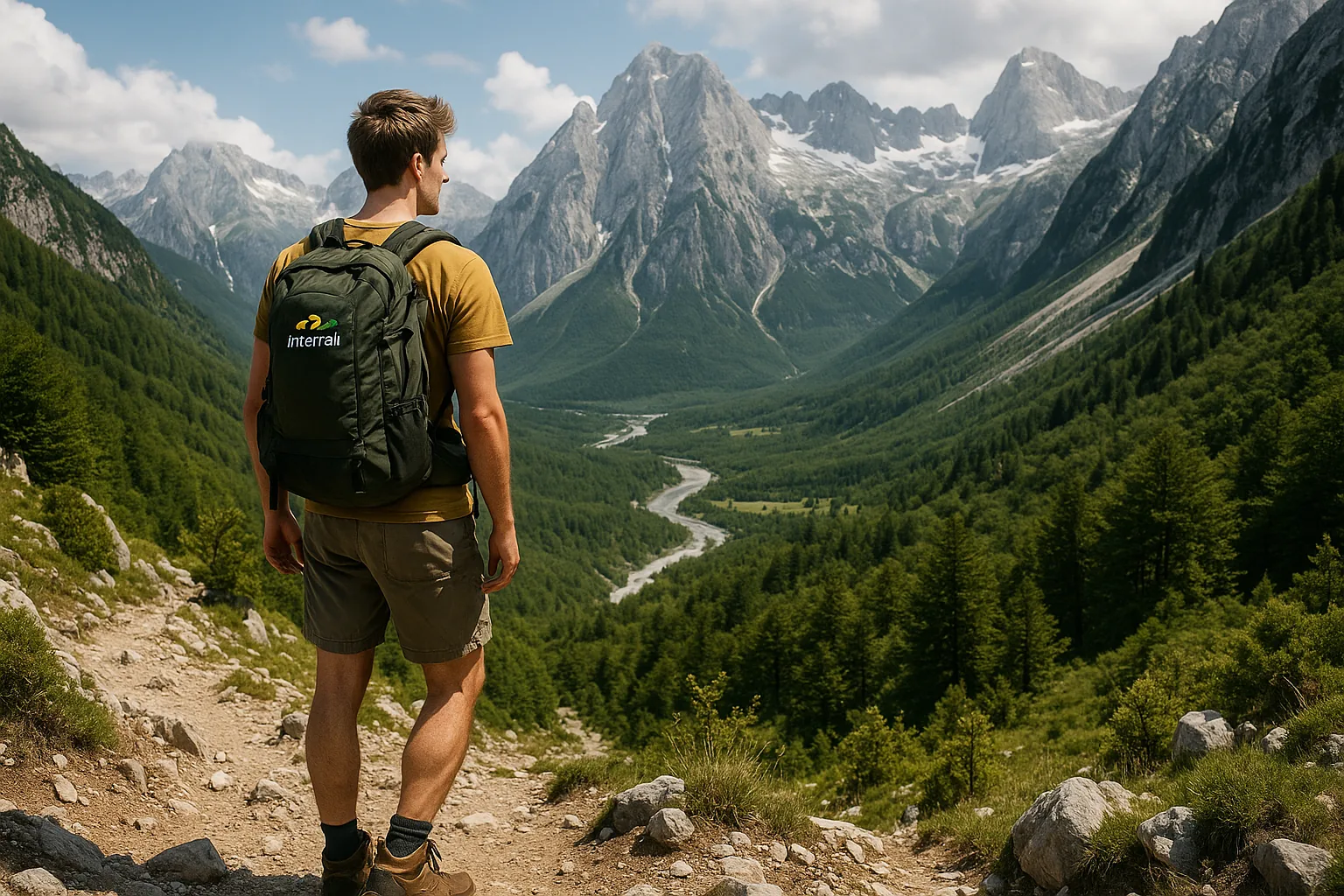
There’s a certain kind of freedom that comes from standing on a European train platform, bag on your back, with a pass in your pocket and no fixed plan. If you’ve been researching whether an Interrail Pass is worth it in 2026, you’ve probably already felt that pull — the idea that a single purchase could unlock an entire continent. But is it actually the smart move, or is it one of those travel myths that sounds better than it is? And while we’re talking about what rail travel can unlock, there’s a trail in the Albanian Alps — the Valbona to Theth route — that shows exactly the kind of adventure a flexible, multi-country journey can lead you to. Let’s break it all down.
What the Interrail Pass Actually Gives You
At its core, the Interrail Pass is a rail travel product that covers 33 countries and over 40,000 destinations across Europe. That’s not a small number. From Portugal to Finland, from the Balkans to the British Isles, the pass is designed to give you flexibility — the ability to hop on a train, change your plans mid-journey, and explore regions you might not have booked in advance.
One thing worth knowing upfront: Interrail is exclusively for European citizens and permanent residents of Europe. If you hold a non-European passport, you’d be looking at the Eurail Pass instead, which covers similar ground but is designed for international visitors. The two are often confused, but the distinction matters when you’re buying.
The pass comes in different formats. You can buy a Global Pass, which covers all participating countries, or a One Country Pass if you’re focusing on a single destination. Within the Global Pass, you choose between continuous passes (unlimited travel for a set number of consecutive days) and flexi passes (a set number of travel days within a longer validity window). The flexi option tends to suit most young travelers better — you get the freedom without paying for days you’re not actually on a train.
One genuinely exciting development in 2026 is the expansion of night train options. With 41 night train routes now recorded across Europe, the pass becomes even more valuable for anyone who wants to sleep their way between cities rather than paying for both a ticket and a hostel bed. A night train from Vienna to Rome, for example, means you wake up in a new country having saved on accommodation. That’s the kind of logic that makes a pass feel genuinely clever rather than just convenient.
Is the Interrail Pass Worth It? Breaking Down the Real Value
This is the question everyone asks, and the honest answer is: it depends on how you travel. But that’s not a cop-out — there are real patterns that help you figure out which side of the equation you fall on.
The pass tends to deliver the most value when you’re covering a lot of ground across multiple countries in a relatively short time. If your trip involves three or more countries, frequent train journeys, and a preference for spontaneity over pre-booked routes, the math often works in your favour. The more journeys you take, the more the per-trip cost drops.
On the other hand, if you’re planning to stay mostly in one region, travel slowly, or book tickets well in advance, point-to-point tickets can be significantly cheaper. Many European rail operators offer deeply discounted advance fares — sometimes as low as a few euros on budget-friendly routes — that a pass simply can’t compete with on a per-journey basis.
The sweet spot for the Interrail Pass tends to be the traveler who:
👉 Read also: Budget Train Travel Across Europe 2026: Routes, Tips, and Hidden Gems Beyond the Big Cities
- Is visiting four or more countries in a single trip
- Wants the freedom to change plans without penalty
- Plans to use night trains as a way to save on accommodation
- Travels during peak season when advance tickets sell out fast
- Prefers not to spend hours hunting for deals across multiple booking platforms
It’s also worth factoring in the hidden costs. Some trains — particularly high-speed services and night trains — require a seat reservation on top of the pass, which adds a few euros per journey. These reservation fees are generally modest, but they can add up if you’re taking a lot of premium services. Budget for them as part of your overall calculation.
The practical convenience factor is real, too. There’s genuine peace of mind in knowing you can just show up at a station and board a train without worrying about whether you booked the right ticket. For first-time rail travelers or anyone who values flexibility over frugality, that’s worth something beyond the numbers. You can check the official Interrail Pass options on Trainline to compare pass types and see current pricing before you commit.
The Best Routes to Make Your Pass Sing
Not all rail routes are created equal when it comes to pass value. Some corridors are where the Interrail Pass genuinely earns its keep — and knowing which ones they are helps you plan a trip that actually makes financial and experiential sense.
The Balkans circuit is one of the most underrated for rail travelers right now. Countries like Slovenia, Croatia, Serbia, and North Macedonia offer relatively affordable travel overall, but the train connections between them — when they exist — can be expensive to book individually. A pass smooths this out considerably. The scenery along routes through Slovenia and into the Croatian coast is also genuinely spectacular.
The central Europe loop — think Prague, Vienna, Budapest, and Bratislava — is a classic for a reason. These cities are well-connected, the trains are comfortable, and booking individual tickets between all four can cost significantly more than a short flexi pass covering the same ground.
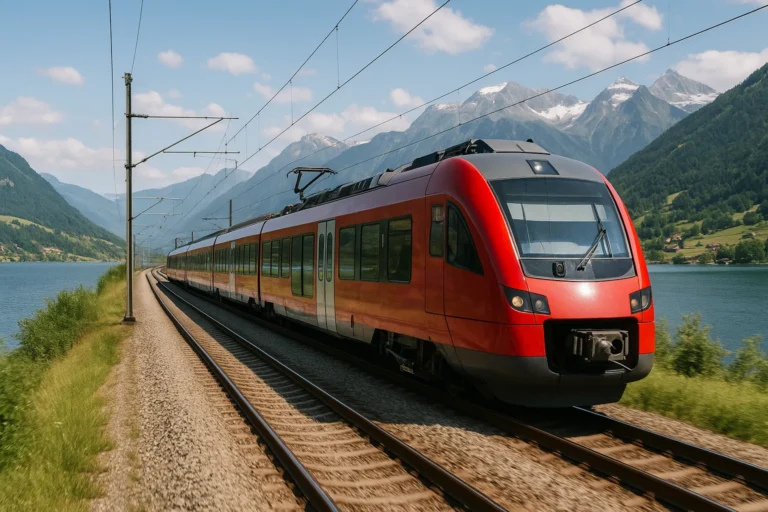
For those who love mountains and want to combine rail travel with hiking, the Alpine corridor running through Switzerland, Austria, and northern Italy is hard to beat. Switzerland in particular has some of the most scenic train journeys in the world, and the pass covers them. Pair a few days in the Alps with an onward journey south to the Mediterranean and you’ve got a trip that would take weeks to plan ticket by ticket.
Night train routes deserve their own mention here. The Vienna–Rome overnight, the Paris–Berlin sleeper, and various connections across Scandinavia are all accessible with the pass (plus reservation fees). If you’re strategic about using two or three night trains during a two-week trip, you can effectively save on multiple nights of accommodation — which changes the pass’s value calculation dramatically.
The Valbona to Theth Trail: Where Rail Travel Leads You
Here’s the thing about rail travel through Europe — it doesn’t just take you between famous cities. With the right pass and a spirit of curiosity, it can deliver you to the edges of the continent, to places that feel genuinely untouched. The Valbona to Theth trail in the Albanian Alps is one of those places.
Albania is one of the most underexplored countries in Europe, and the northern highlands — known locally as the Bjeshkët e Namuna, or the Accursed Mountains — are its wildest corner. The trail connecting the villages of Valbona and Theth is a classic high-mountain crossing that rewards those willing to make the effort to get there.
👉 Read also: Budget Hiking in the Balkans: Valbona to Theth Trail Guide
Getting to the trailhead is part of the adventure. From the Albanian capital Tirana, you can reach the town of Shkodër by bus or shared transport, then continue by furgon (the local shared minibus) toward the Valbona valley. The journey itself passes through dramatic river gorges and small mountain villages — it’s not fast, but it’s genuinely memorable. This is the kind of route that reminds you why the journey matters as much as the destination.
The hike itself crosses a mountain pass and takes you through some of the most dramatic alpine scenery in the Balkans. You’ll pass through beech forests, across open ridgelines, and down into the valley of Theth — a village so remote it feels like it exists slightly outside of time. Stone kulla (traditional tower houses) dot the landscape, and the hospitality of local guesthouses is the kind that makes you want to stay an extra day.
The trail is well-established and marked, making it accessible to hikers with a reasonable level of fitness and some experience with mountain terrain. That said, mountain weather in the Albanian Alps can change quickly, so going prepared — with layers, waterproofs, and solid footwear — is non-negotiable. The best time to tackle the crossing is between late spring and early autumn, when the pass is clear of snow and the guesthouses in both villages are open.
What makes this trail particularly special for a rail-based trip is how it fits into a broader Balkans journey. You can travel by train from central Europe down through Slovenia and Croatia, cross into the Balkans by rail, and then use local transport to reach northern Albania — all before lacing up your boots and walking between two of the most beautiful villages in the region. It’s the kind of itinerary that a pass makes possible, not just logistically, but mentally. When you’re not locked into pre-booked point-to-point tickets, you can follow the journey wherever it leads.
Practical Tips Before You Go
Whether you’re planning a full Interrail adventure or just using rail travel as a way to reach trailheads like Valbona, a few practical points will save you time and stress.
- Book reservations early for popular night trains. The pass gives you access, but seat reservations on sleeper services can fill up weeks in advance, especially in summer.
- Download the Interrail app before you leave. It stores your pass digitally and lets you add journeys on the go — no paper tickets required.
- Check which trains require reservations before assuming you can just board. High-speed trains in France, Italy, and Spain almost always require one. Regional trains often don’t.
- For Albania specifically, note that the country isn’t part of the Interrail network, so you’ll use local transport once you cross the border. Budget for this separately.
- Carry cash in Albania. Smaller villages and guesthouses along the Valbona to Theth route may not accept cards.
- Start early on the hiking day. Mountain crossings in the Albanian Alps are best begun in the morning to avoid afternoon weather and ensure you reach your destination with daylight to spare.
- Travel insurance that covers hiking is essential for any mountain trail. Check the altitude and terrain coverage in your policy before you go.
Who Should — and Shouldn’t — Buy the Pass
Let’s be direct. The Interrail Pass is worth it for travelers who want to cover multiple countries, value spontaneity, and plan to use night trains strategically. It’s a tool for a certain kind of trip — one that’s more about movement and discovery than settling into a single destination.
It’s less useful if you’re planning a slow trip focused on one country, traveling mostly by budget airline, or booking every journey months in advance. In those cases, individual tickets will almost always be cheaper.
The ideal Interrail traveler in 2026 is someone who wants to wake up in one country and go to sleep in another — someone who finds the process of train travel itself enjoyable, who likes watching the landscape change outside the window, and who sees each station as a potential starting point rather than just a destination. If that sounds like you, the pass is probably your best travel companion.
And if that journey eventually leads you to the Albanian Alps, to a mountain pass between Valbona and Theth, to a guesthouse where the host brings out homemade raki and you sit outside watching the stars appear over the mountains — well, that’s exactly the kind of story a rail pass can help you collect. Not because it promises you anything specific, but because it gives you the freedom to keep saying yes.
This article was produced with AI assistance and reviewed editorially.


Volunteering in Mexico: Finding Authentic Community Work + Where to Base Yourself

Escape Ibiza’s Party Scene: Hidden Beaches, Local Spots & Quieter Things to Do


