
Spain
Skip the Tourist Traps: Where Young Travelers Actually Stay in Toledo, Málaga & Salamanca
Discover budget-friendly hostels across Spain’s most vibrant cities. Explore medieval Toledo, coastal Málaga, and student-filled Salamanca with our regional guide.

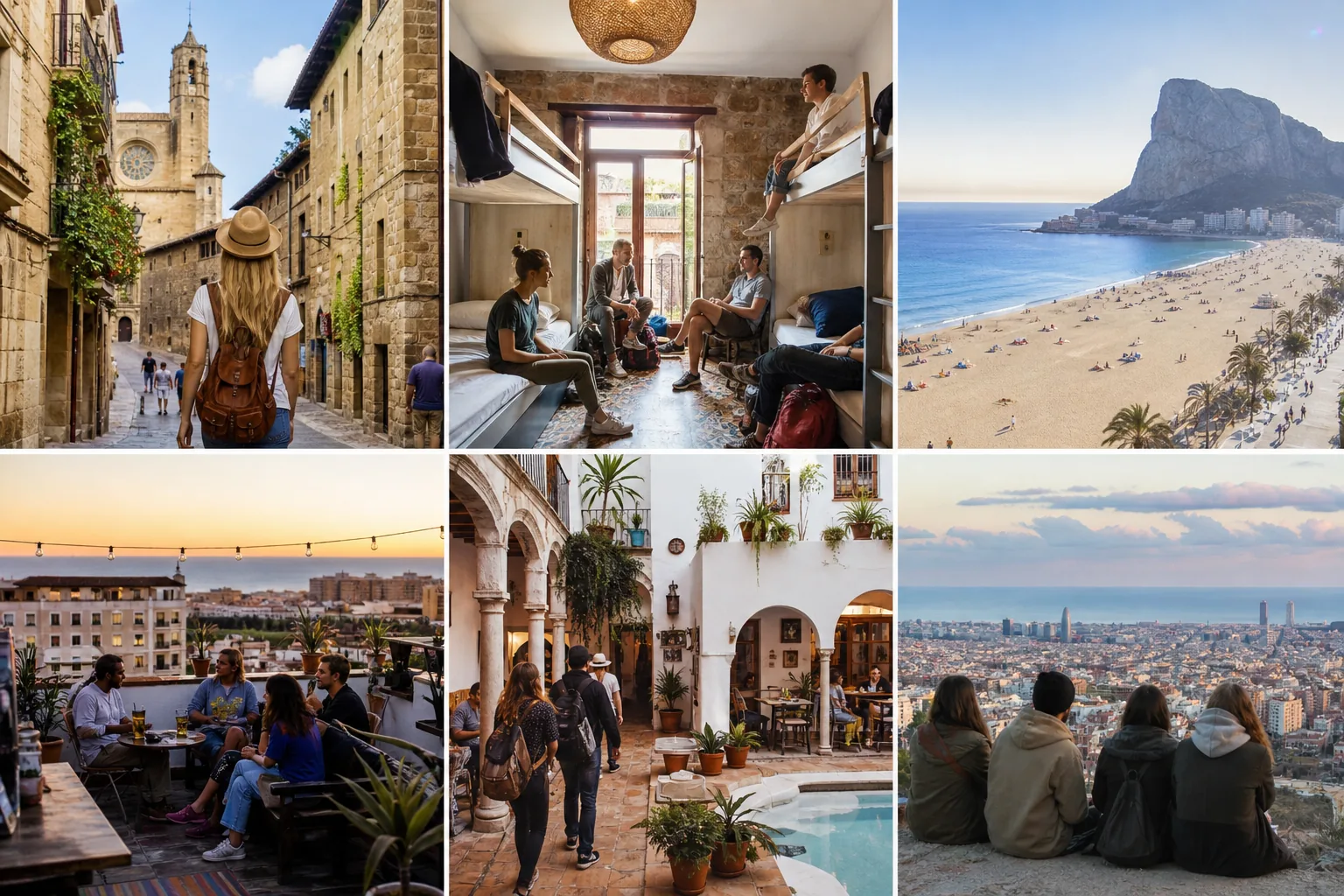
Spain has a way of pulling you in from the very first moment — the warm light hitting ancient stone walls, the smell of coffee drifting from a corner bar, the sound of voices spilling out into a narrow alley long after midnight. And the good news? You don’t need a big budget to experience any of it. Hostels in Spain have genuinely levelled up in recent years, offering far more than just a bed and a locker. From rooftop terraces in Málaga to stone-walled rooms in Toledo, staying in a hostel here means staying inside the experience — not just near it. This guide covers three cities that each offer something completely different: Toledo’s medieval soul, Málaga’s coastal energy, and Salamanca’s student-fuelled buzz. Whether you’re chasing history, sunshine, or late-night conversation with people from across the world, there’s a corner of Spain ready for you.
Why the Type of City You Choose Changes Everything
Before you start scrolling through booking sites, it’s worth thinking about what kind of trip you actually want. Spain is extraordinarily varied. It’s not just one vibe — it’s dozens of them, layered on top of each other across different regions, climates, and centuries of history.
Do you want to wake up and walk out into streets that look like they haven’t changed in five hundred years? Toledo is your city. Do you want to grab your bag after breakfast and be on a beach within twenty minutes? Málaga has you covered. Are you looking for a place where the energy is young, the nights are long, and the conversation never really stops? Salamanca will feel like home almost immediately.
The hostel you choose should match the rhythm of the city you’re in. A good hostel in Spain isn’t just about price — it’s about access. Access to the neighbourhood, to the culture, to the kind of spontaneous moments that make a trip worth remembering. Keep that in mind as you read through each city below.
Toledo: Sleeping Inside a Living Museum
Toledo sits on a rocky hill surrounded on three sides by the Tagus River, and from the moment you cross into the old city, you feel it — that particular weight of centuries pressing gently against everything. The narrow streets twist and climb unpredictably. Churches, synagogues, and mosques stand within a few minutes’ walk of each other, a reminder that this city was once a meeting point of three civilisations. It’s one of the most visually striking places in all of Spain, and it’s remarkably compact.
Toledo is small and easy to navigate, which makes it an ideal city for first-time travellers or anyone who wants to explore on foot without needing a map after the first day. You can genuinely cover a huge amount of ground just by wandering. The old town rewards that kind of curious, unhurried movement — turn down an alley you don’t recognise, and you’ll often find something worth finding.
For budget travellers, the good news is that Toledo hostels are available from around €17.87 per night, making it one of the more accessible options for staying in a city that can otherwise feel like it’s aimed at day-trippers from Madrid. Staying overnight changes everything. Once the tour groups leave in the late afternoon, the city takes on a completely different quality — quieter, more intimate, genuinely atmospheric in a way that’s hard to describe until you’ve experienced it.
One of the well-regarded options in the city is Wonder Hostel in Toledo, which offers family rooms with private bathrooms, air-conditioning, and parquet floors — a step above the bare-bones hostel experience, and particularly useful if you’re travelling with friends and want a bit more privacy without breaking the budget. Staying somewhere that feels comfortable and considered matters when you’re spending several days in a place. It means you come back to your accommodation feeling rested rather than just relieved to have a bed.
→ Read also: Spain's Coast & Capital: Madrid, Barcelona Beaches, Ibiza & Where to Actually Stay in 2026
When you’re in Toledo, make time to walk the city after dark. The illuminated cathedral, the view from the Mirador del Valle across the river, the quiet streets near the old Jewish quarter — it all hits differently once the sun goes down. Grab dinner somewhere local, order the carcamusas (a traditional Toledo stew), and let the evening take its time.
Málaga: Coast, Culture, and Rooftop Sunsets
Málaga tends to get overlooked in favour of the resort towns that surround it, which is genuinely a mistake. The city itself is vibrant, historically rich, and increasingly popular with young travellers who’ve figured out that it offers something the beach resorts can’t: real urban energy combined with easy coastal access. The old town is full of independent bars, street art, covered markets, and a contemporary arts scene that punches well above what most people expect.
The city is also the birthplace of Pablo Picasso, and the Carmen Thyssen Museum and Málaga Cathedral both sit at the heart of the old town, giving you world-class culture within easy walking distance of wherever you’re staying. For budget travellers, this concentration of things worth doing in a relatively small area makes Málaga extraordinarily good value for your time.
The Lights Hostel is one of the standout options for young travellers in the city. Located in Málaga City Centre, it sits just 984 feet from Calle Larios Street — the city’s main pedestrian boulevard and one of the best places to watch Málaga life in full swing. The hostel features a roof terrace and balconies, which in a city with Málaga’s climate is not a small thing. Evenings on a rooftop terrace with a drink and a view of the city skyline are exactly the kind of unplanned, unhurried moments that make travel worth it.
The hostel is also 1,312 feet from both Málaga Cathedral and the Carmen Thyssen Museum, meaning you can walk to two of the city’s best cultural experiences in minutes. And if you want the beach? The beach is just 0.6 miles away — close enough to walk there in the morning, spend a few hours in the sun, and be back in the old town for lunch without any real effort.
Málaga rewards slow mornings and late evenings. Have breakfast at a local café, spend the middle of the day at the beach or exploring the old town, and then follow the locals into the evening — tapas bars fill up around nine, and the energy in the streets builds from there. It’s the kind of city where you plan to stay two nights and end up staying five.
Salamanca: The University Town That Never Really Sleeps
If you want to understand why Salamanca has a reputation as one of the most energetic cities in Spain, spend one evening in the Plaza Mayor. It’s one of the finest squares in Europe — warm golden sandstone on all sides, lit up beautifully after dark, and consistently full of students, travellers, and locals who seem in no particular hurry to be anywhere else. The city has been a university town for centuries, and that history shows in everything from the architecture to the atmosphere.
Salamanca’s student population keeps the city young and lively year-round. There are bookshops, music venues, independent cafés, and bars that stay open long after most of Spain has called it a night. It’s also a city that takes language seriously — the Universidad de Salamanca is one of the oldest universities in Europe, and the city is considered one of the best places in the world to learn Spanish. You’ll hear it spoken with particular clarity here, which is worth something if you’re trying to pick up the language on the road.
→ Read also: Where to Stay in Latin America's Top Destinations: Buenos Aires, Bogota & Beyond
For budget accommodation, Salamanca has a solid range of options. Hostal Goya Suites, Livensa Living Salamanca Parking Free, Revolutum Hostel, and El Portón de la Huebra are among the hostel and budget accommodation options available in the city. The variety means you can find something that suits your travel style — whether you want a social hostel environment with communal spaces and organised events, or something quieter and more independent.
Revolutum Hostel, in particular, has built a reputation among young travellers for its social atmosphere and central location — the kind of place where you arrive alone and leave with plans to meet people in three other cities. That’s the magic of a well-run hostel in a university town: the community is already there, and it’s genuinely welcoming.
Eat well in Salamanca. The local food scene is unpretentious and generous — jamón ibérico from the nearby Guijuelo region, hearty stews, good wine at prices that will surprise you. Wander away from the main tourist streets and you’ll find places where a full meal costs less than you’d expect and tastes considerably better.
Practical Tips for Booking Hostels in Spain
A few things worth knowing before you start planning your route through these cities:
- Book ahead for weekends and local festivals. Spain takes its celebrations seriously, and hostels in popular cities fill up fast when there’s something on. Even outside peak summer season, a long weekend can mean very limited availability.
- Read recent reviews carefully. Hostel quality varies more than hotel quality. Look for comments about noise levels, cleanliness, and how welcoming the staff are — those three things will tell you more than the star rating.
- Location matters more than amenities. A hostel with a great common room on the edge of town will give you less than a simple place in the heart of the old city. Being able to walk out the door into the experience is worth a lot.
- Check what’s included. Some hostels in Spain include breakfast, others don’t. Some have self-catering kitchens that can save you real money over a longer trip. Know what you’re paying for before you book.
- Think about your travel pace. Toledo rewards at least two nights. Málaga can easily absorb three or four. Salamanca is the kind of city where you might find yourself extending your stay simply because you’re not ready to leave.
- Use reputable booking platforms and compare prices across a few of them. Rates can vary more than you’d expect for the same property on different nights. You can explore options on Hostelworld’s Spain listings to get a sense of what’s available and current pricing across the country.
Making the Most of a Multi-City Spain Trip
One of the great things about these three cities is that they work beautifully as part of a longer Spanish itinerary. Toledo is less than an hour from Madrid by high-speed train, making it an easy add-on if you’re flying in or out of the capital. Málaga has its own international airport and sits at the heart of Andalusia, making it a natural base for exploring the south. Salamanca is a few hours from both Madrid and Porto in Portugal, which opens up interesting cross-border routing if you’re planning a longer trip.
You don’t need to rush between them. Spain rewards slow travel. Take the trains, sit in the dining car, watch the landscape change from the meseta’s flat plains to the rolling hills of Andalusia. Stop somewhere unexpected if the name of a town catches your eye. The best travel stories rarely come from the places you planned most carefully — they come from the detours.
Each of these cities offers something the others can’t. Toledo gives you history so dense you can almost feel it in the air. Málaga gives you light, warmth, and the easy pleasure of a city that knows how to enjoy itself. Salamanca gives you community, energy, and the particular joy of a university town that’s been welcoming curious people from across the world for centuries. Together, they make a case for hostels in Spain being some of the best-value, most experience-rich accommodation options in Europe — not just for what they cost, but for where they put you and what they connect you to.
Pack light, stay curious, and give each city the time it deserves. Spain will do the rest.
This article was produced with AI assistance and reviewed editorially.


Skip the Tourist Traps: Where Young Travelers Actually Stay in Toledo, Málaga & Salamanca

Bali vs. Lombok: Which Southeast Asian Adventure Is Actually Calling Your Name


