
LATAM
Where to Stay in Latin America’s Top Destinations: Buenos Aires, Bogota & Beyond
Discover the best neighborhoods to stay in Latin America’s vibrant cities. Explore Palermo, San Telmo, Quito, and Granada with insider tips on safety, food, and local cul

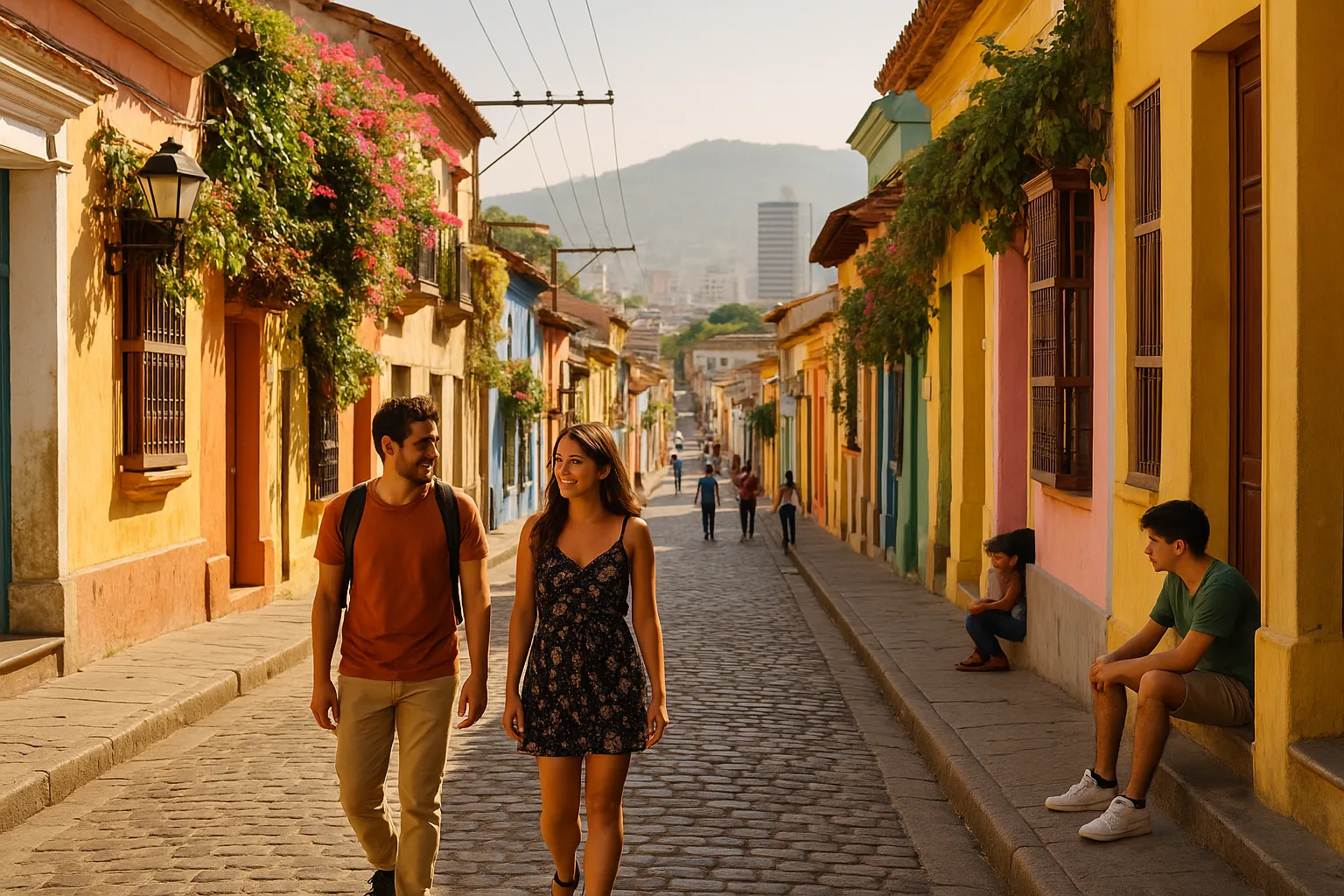
Figuring out where to stay in Latin America is honestly one of the most exciting parts of planning a trip here — and one of the most overwhelming. The continent is enormous, the cities are layered and complex, and choosing the wrong neighborhood can mean missing everything that makes a place feel real. Get it right, though, and you’ll wake up to street food smells drifting through your window, stumble into a local market before the tourists arrive, and end the night at a bar where nobody speaks your language but everyone’s happy to try. This guide breaks down the neighborhoods that actually matter in some of Latin America’s most vibrant cities — so you can stop scrolling and start packing.
Why Your Neighborhood Choice Defines Your Whole Trip
In Latin America, barrios — neighborhoods — aren’t just places to sleep. They’re entire worlds with their own rhythms, personalities, and food cultures. Two travelers can visit the same city and have completely different experiences based purely on where they chose to base themselves. One stays near the tourist strip and eats at restaurants with laminated English menus. The other books a hostel in a residential neighborhood, eats empanadas from the corner bakery, and ends up invited to a neighbor’s birthday party.
The second traveler almost always has the better story.
That’s why, before you even think about price or proximity to a famous landmark, you should think about what kind of experience you want to have. Do you want nightlife and a social hostel scene? A quiet base for day trips? Street art and local coffee shops? Each city in Latin America has a neighborhood for each of those moods — you just need to know where to look.
Buenos Aires: Three Neighborhoods, Three Different Cities
Buenos Aires, Argentina’s cosmopolitan capital, is a city that rewards slow exploration. It’s dense, walkable in parts, and rich with culture — but it’s also big enough to feel completely different depending on which barrio you call home for the week.
Palermo: The Backpacker’s Favorite for Good Reason
Palermo is where most young travelers end up, and honestly, it earns its reputation. The neighborhood is split into sub-zones — Palermo Soho and Palermo Hollywood being the most popular — and each one has its own distinct energy. You’ll find independent coffee shops, vintage clothing markets, tree-lined streets, and some of the best restaurants in the city. It’s also one of the safer areas to navigate on foot at night.
Hostels here tend to be well-run, social, and competitively priced. If you’re traveling solo and want to meet people quickly, Palermo is your best bet. The downside? It can feel a little bubble-like. You might go a full day without leaving the traveler circuit if you’re not intentional about it. Push past the main drag, though, and you’ll find local parrillas — traditional grill houses — where the menu is written on a chalkboard and the wine costs almost nothing.
San Telmo: History You Can Actually Touch
San Telmo is one of Buenos Aires’ oldest neighborhoods, and it feels like it. Cobblestone streets, faded colonial buildings, antique markets, and tango dancers performing in the square on Sunday afternoons — it’s cinematic in a way that doesn’t feel staged. This is where the city’s bohemian soul lives.
👉 Read also: City Guides for Young Travelers: Buenos Aires, Quito, and Trujillo (Culture, Food & Adventure)
Staying here puts you close to the historic center and within walking distance of the waterfront. The accommodation options range from budget hostels in converted conventillos (old tenement houses) to small guesthouses with character that no chain hotel could replicate. The food scene leans traditional — think slow-cooked stews, fresh pasta, and strong coffee at a corner café that’s been there for decades.
One honest note: San Telmo is one of those neighborhoods that transitions sharply from block to block. Stick to the main tourist area around Plaza Dorrego and the surrounding streets, especially after dark, and you’ll be fine. Wander too far south without knowing where you’re going and the atmosphere changes quickly.
La Boca: Visit, Don’t Sleep There
La Boca is famous — the colorful corrugated iron buildings of El Caminito are probably the most photographed street in Argentina. But it’s worth being honest: La Boca is a neighborhood best visited during the day, not used as a base. The vibrant, tourist-friendly strip is genuinely small, and the surrounding area is a residential working-class neighborhood that isn’t set up for travelers. Most locals will tell you the same thing: enjoy the street art, grab a coffee, watch a tango performance, then head back to San Telmo or Palermo for the night.
Bogotá: Finding Your Footing in a City That Surprises Everyone
People who haven’t been to Bogotá often underestimate it. Colombia’s capital sits at high altitude, has a thriving arts scene, incredible food, and a cultural energy that’s hard to describe until you’re standing in the middle of it. It’s also a city with real contrasts — wealth and poverty exist side by side in ways that are impossible to ignore — which makes choosing where to stay genuinely important.
La Candelaria: The Historic Core
La Candelaria is Bogotá’s old town — colonial architecture, street murals, universities, and museums packed into a compact grid of streets. It’s the most affordable area to stay in the city, and it’s centrally located, which makes it tempting for first-time visitors. The neighborhood has real energy during the day, especially around the main squares and near the university buildings.
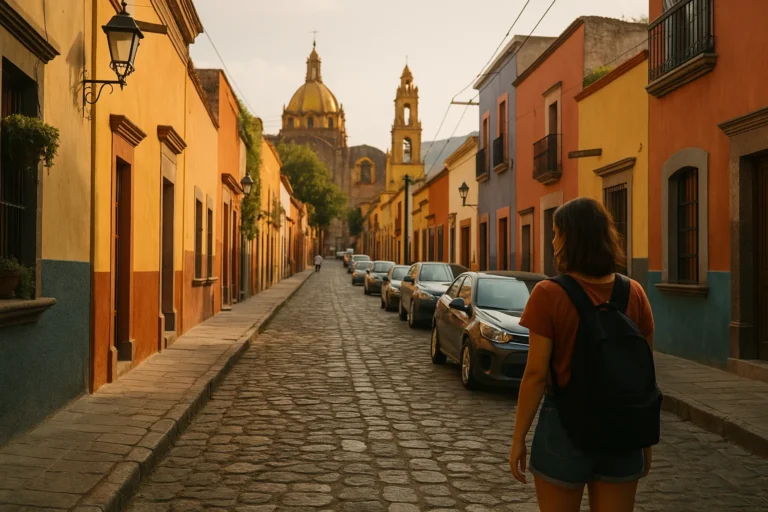
That said, it’s a neighborhood that demands awareness. Like many historic centers across Latin America, it’s lively and safe in the right places and at the right times, and less so in others. Most experienced travelers recommend staying here if you’re on a tight budget and want to be close to the main cultural attractions, but keeping your evenings based in other areas.
Chapinero and Zona Rosa: Where the City Comes Alive at Night
Chapinero is where Bogotá’s younger, more progressive crowd gravitates. It’s home to a thriving LGBTQ+ scene, independent restaurants, craft beer bars, and coffee shops that take their beans seriously — which, in Colombia, is saying something. The vibe is creative and inclusive, and the accommodation options here tend to be slightly more polished without being expensive.
Zona Rosa, just to the south of Chapinero, is where the nightlife concentrates. If you want rooftop bars, live music, and the kind of evening that stretches well past midnight, this is where you base yourself. Hostels here are often more party-oriented, which is exactly what some travelers want and exactly what others are trying to avoid.
👉 Read also: Latin America Uncovered: Granada, Quito & Lima—Colonial Cities & Mountain Vibes
The Hillside Barrios: A Different Perspective
Bogotá’s hillside neighborhoods — including areas like Comuna Paraíso — offer something most travelers never experience: the city from the perspective of the people who actually built it. These communities have been transformed in recent years by community-led tourism initiatives, street art projects, and cable car infrastructure that connects them to the city below. Staying here isn’t for everyone, and it requires more research and ideally a local contact or organized community tour. But if you’re curious about urban transformation and want to see a side of Latin American city life that goes beyond the tourist trail, it’s worth exploring.
Hostel vs. Airbnb: The Real Trade-Offs
This debate comes up constantly when people are deciding where to stay in Latin America, and the honest answer is: it depends entirely on what you’re optimizing for.
Hostels win on community. If you’re traveling solo or arriving in a new city without knowing anyone, a good hostel is one of the fastest ways to build a travel group. The social infrastructure — shared kitchens, common rooms, organized pub crawls, staff who know the city — is genuinely valuable, especially in your first few days somewhere new. Many Latin American capital cities have excellent budget hostels where a dorm bed costs well under what you’d pay in Europe or North America, and double private rooms can often be found for $40 or less even in major capitals.
Airbnbs and apartment rentals win on immersion. Renting a room or apartment in a residential neighborhood means shopping at the local supermarket, cooking your own food, and living at the pace of the people around you. It’s quieter, more private, and often gives you access to neighborhoods that don’t have much hostel infrastructure — which tends to mean more authentic, less tourist-saturated areas.
A practical approach many experienced travelers use: start a trip in a hostel to get your bearings and meet people, then move to an apartment rental once you’ve figured out the city and want to slow down. It’s not a rule, but it works surprisingly well.
General Principles for Choosing Where to Stay in Latin America
Beyond specific cities, there are a few principles that apply almost everywhere when you’re deciding where to stay in Latin America as a young traveler.
- Walkability matters more than you think. Latin American cities can have challenging public transport, and taxis or ride-share apps add up quickly. Choosing a neighborhood where you can walk to food, markets, and things to do saves money and leads to better discoveries.
- Ask locals, not just other tourists. The best neighborhood advice usually comes from people who live there — hostel staff, guesthouse owners, or people you meet on the road who’ve spent real time in a city. Travel forums are a starting point, not the final word.
- Safety is contextual, not absolute. Almost every city in Latin America has neighborhoods that are safer and neighborhoods that require more caution. Rather than avoiding entire cities based on reputation, research specific areas, ask at your accommodation, and trust your instincts when you arrive. Most travelers who approach Latin America with curiosity and common sense have overwhelmingly positive experiences.
- Consider the food scene first. This sounds trivial, but it isn’t. Basing yourself in a neighborhood with a great local food scene — street stalls, markets, family-run restaurants — means you eat better, spend less, and interact with local life constantly. Some of the best travel memories happen over a plate of food at a plastic table on a sidewalk.
- Proximity to transport hubs is worth paying for. If you’re moving between cities frequently, staying near a bus terminal or metro line saves enormous amounts of time and stress. Latin American buses are often excellent value for intercity travel, and being well-connected makes spontaneous decisions much easier.
Making the Most of Your Base
Wherever you end up staying, the neighborhood is only as good as how you engage with it. Spend your first morning walking without a destination. Find the nearest market and buy breakfast there. Sit in the main square and watch how the city moves. These small rituals, repeated in every new place, are how you start to understand a city rather than just visit it.
Latin America rewards travelers who slow down. The continent has an enormous range of landscapes, cultures, and urban experiences — from the tango bars of Buenos Aires to the cloud-level streets of Andean cities — and the best way to experience any of it is to choose your base thoughtfully, then let the neighborhood do the rest. You can find expert regional guidance on Journey Latin America for deeper destination-specific research before you book.
The question of where to stay in Latin America doesn’t have a single right answer — it has dozens of good ones, and the best one for you depends on who you are and what you’re chasing. What’s certain is that getting this decision right transforms a trip from a series of sights into a genuine experience of place. Choose a neighborhood that feels alive, that has a food market within walking distance, that puts you in contact with the city rather than insulating you from it — and the rest of the trip tends to take care of itself.
This article was produced with AI assistance and reviewed editorially.


Teaching English Abroad in 2026: Top Countries, Visa Requirements & Real Salaries

Where to Stay in Latin America’s Top Destinations: Buenos Aires, Bogota & Beyond


